
 Posted in
Art & Photography, Saudi Arabia
How Nouf Aljowaysir is erasing the digital colonial narratives from Gulf histories
Text Alison Tay
Flickering screens cast a neon glow over the Botanical Gardens in The Yard as The Window at Alserkal Avenue – a public digital art exhibition exploring identity, memory, and experience in a world shaped by new technologies – makes its debut in Dubai. Among the most striking is Ancestral Seeds – an AI artwork by female Saudi new media artist and creative technologist Nouf Aljowaysir that seeks to erase Orientalist representation of her Arab heritage. “This generative work is trained on a data set that I called Salaf, which means ancestors in Arabic,” she tells Stephanie Rosenthal, Director of the Guggenheim Abu Dhabi Project.
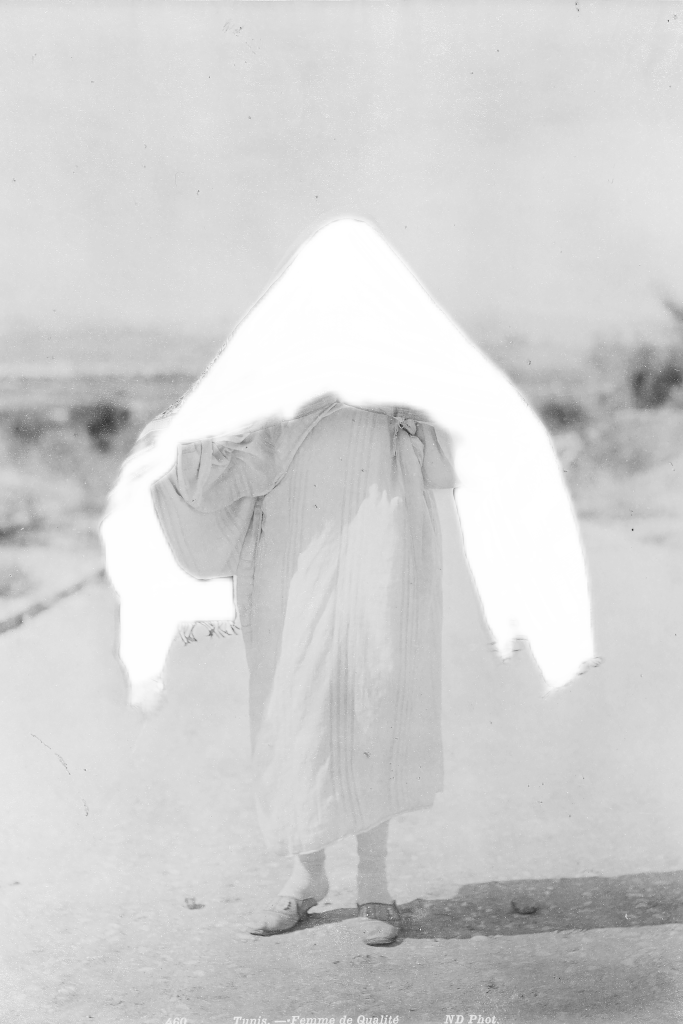
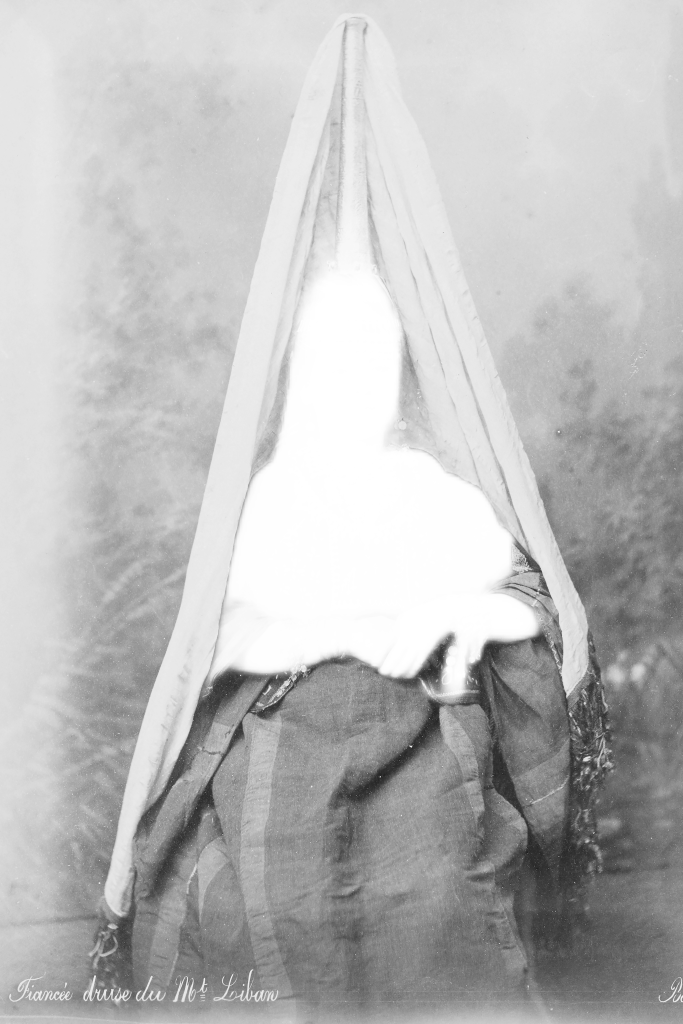
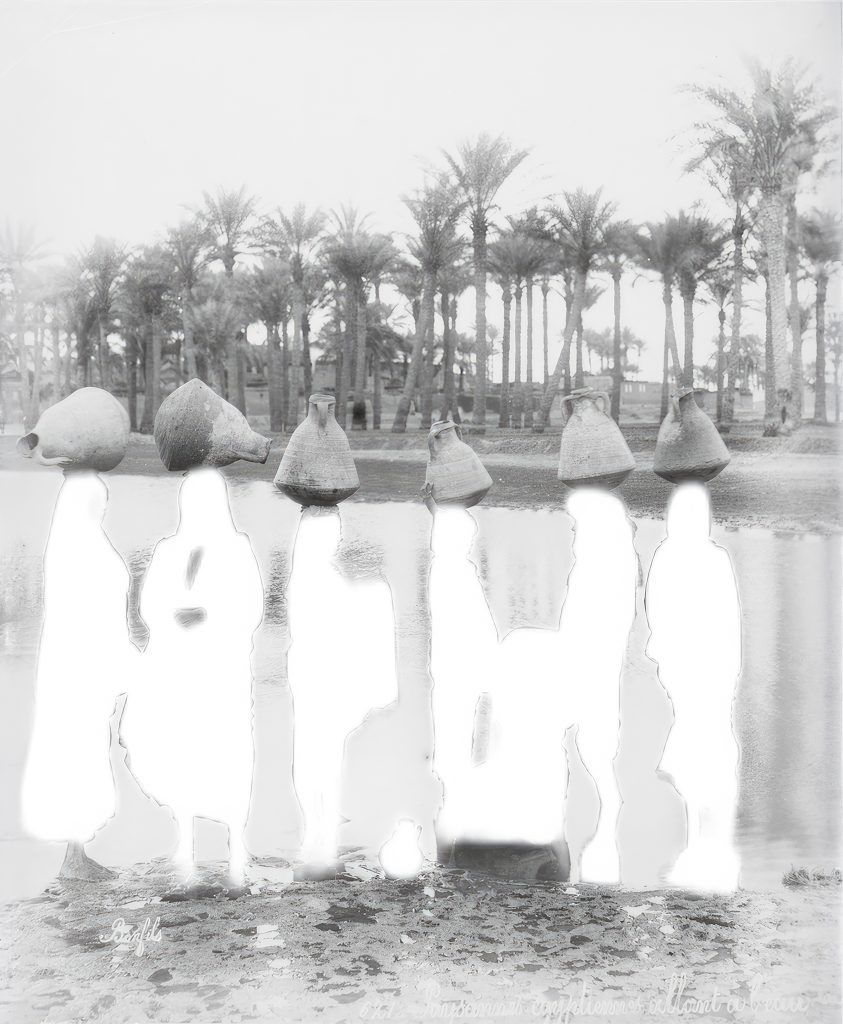
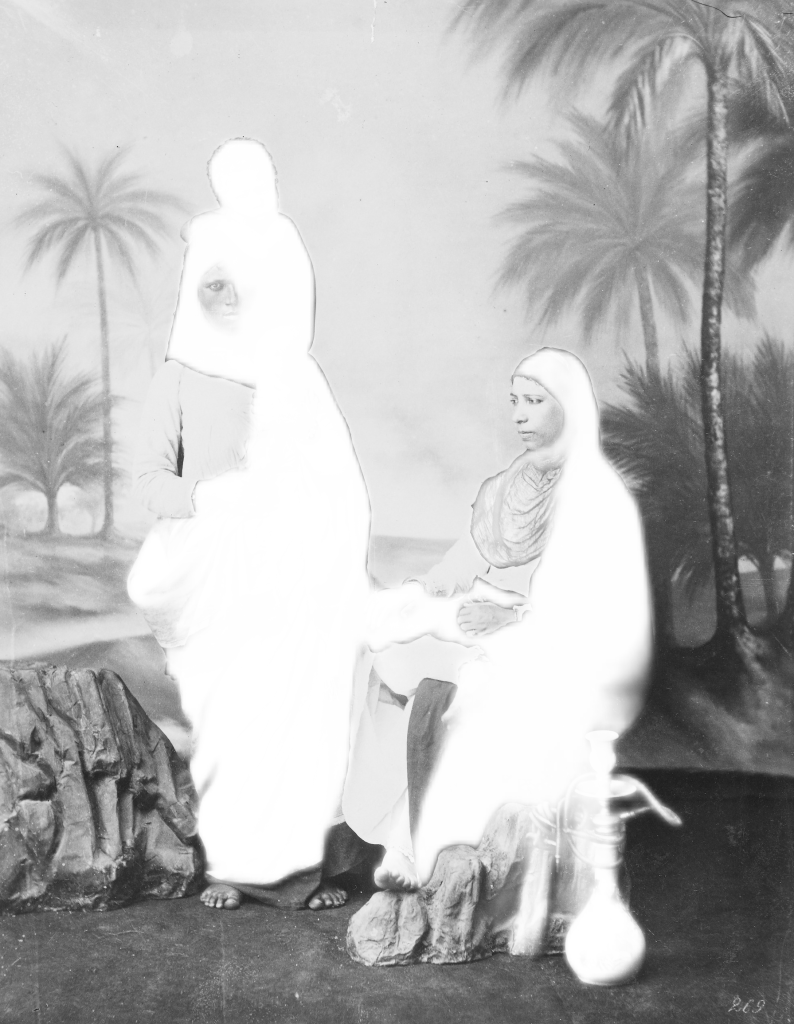
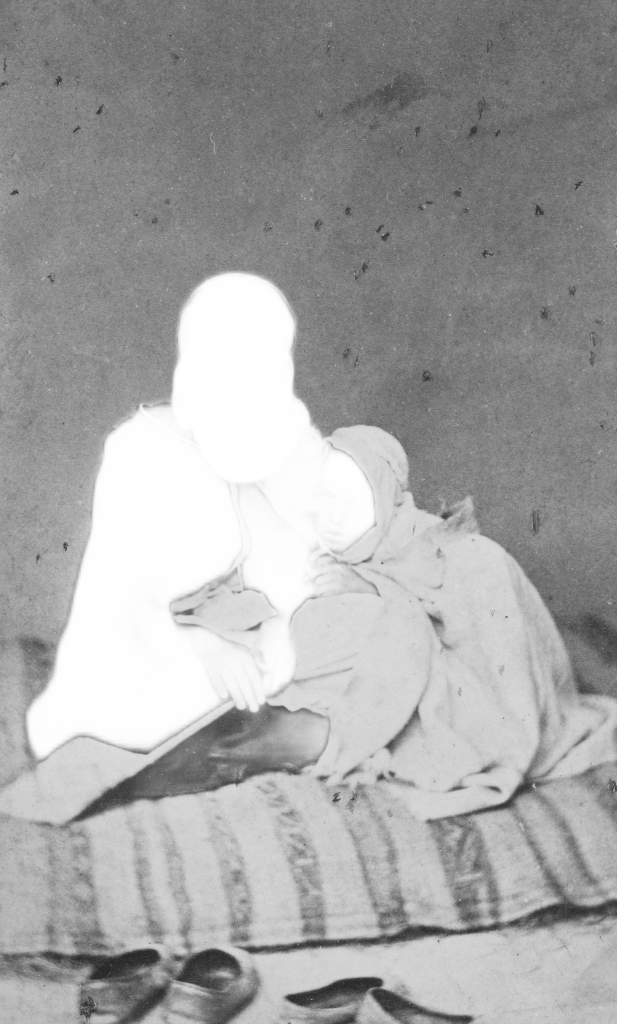
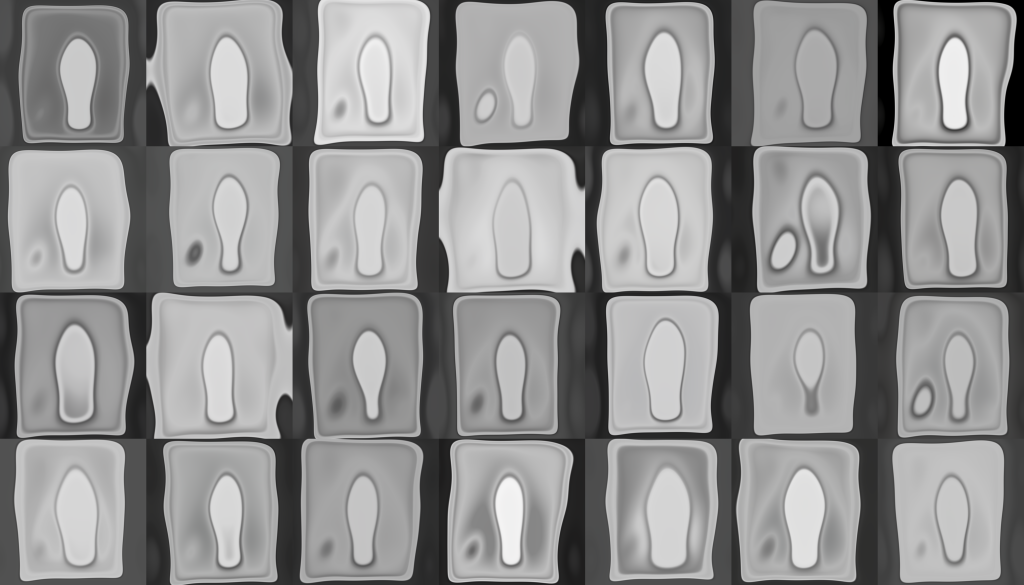
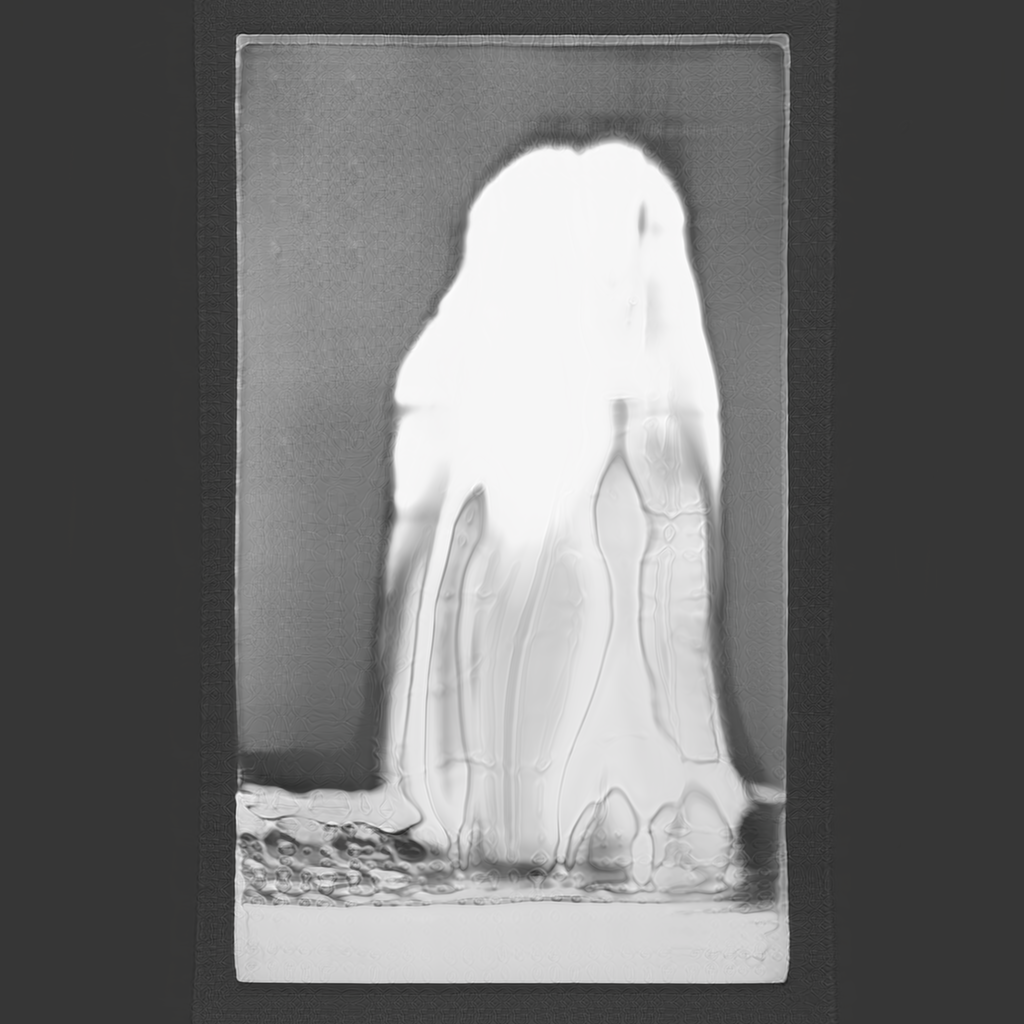
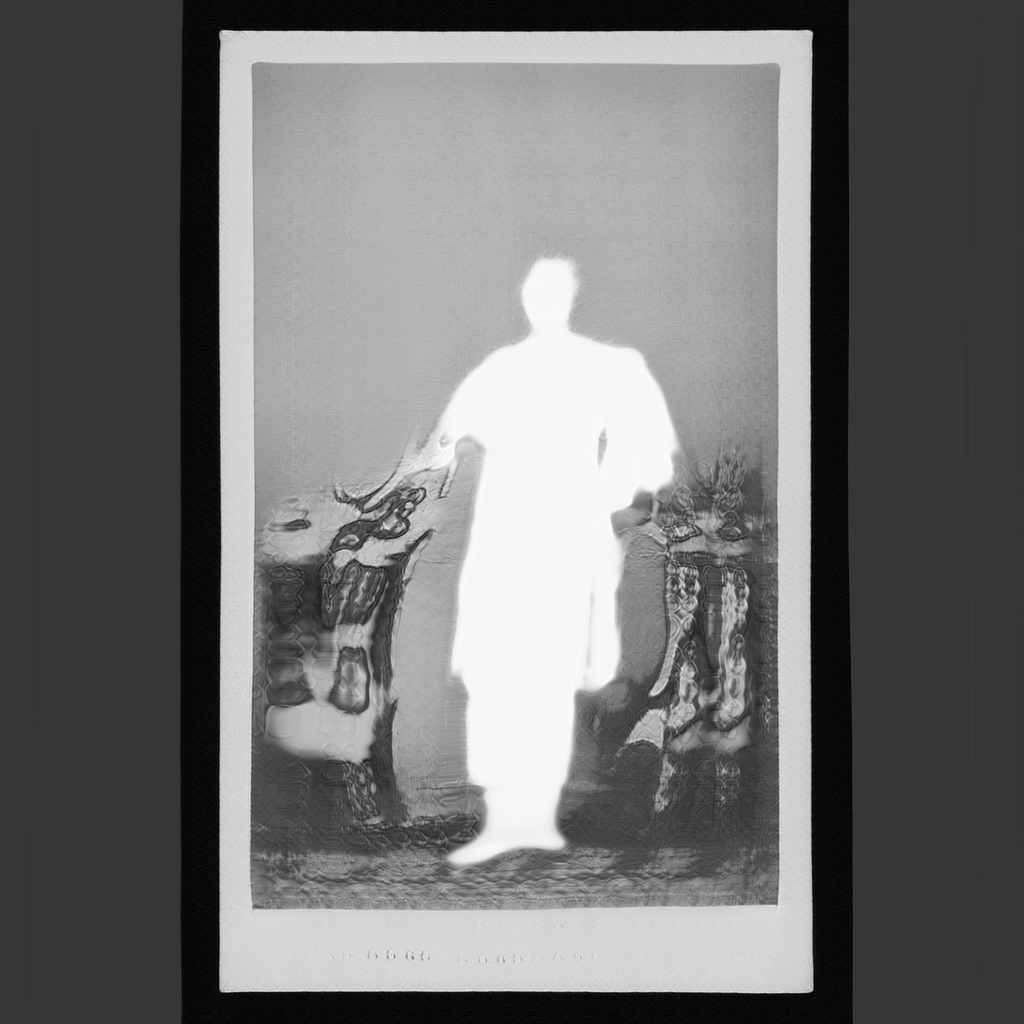
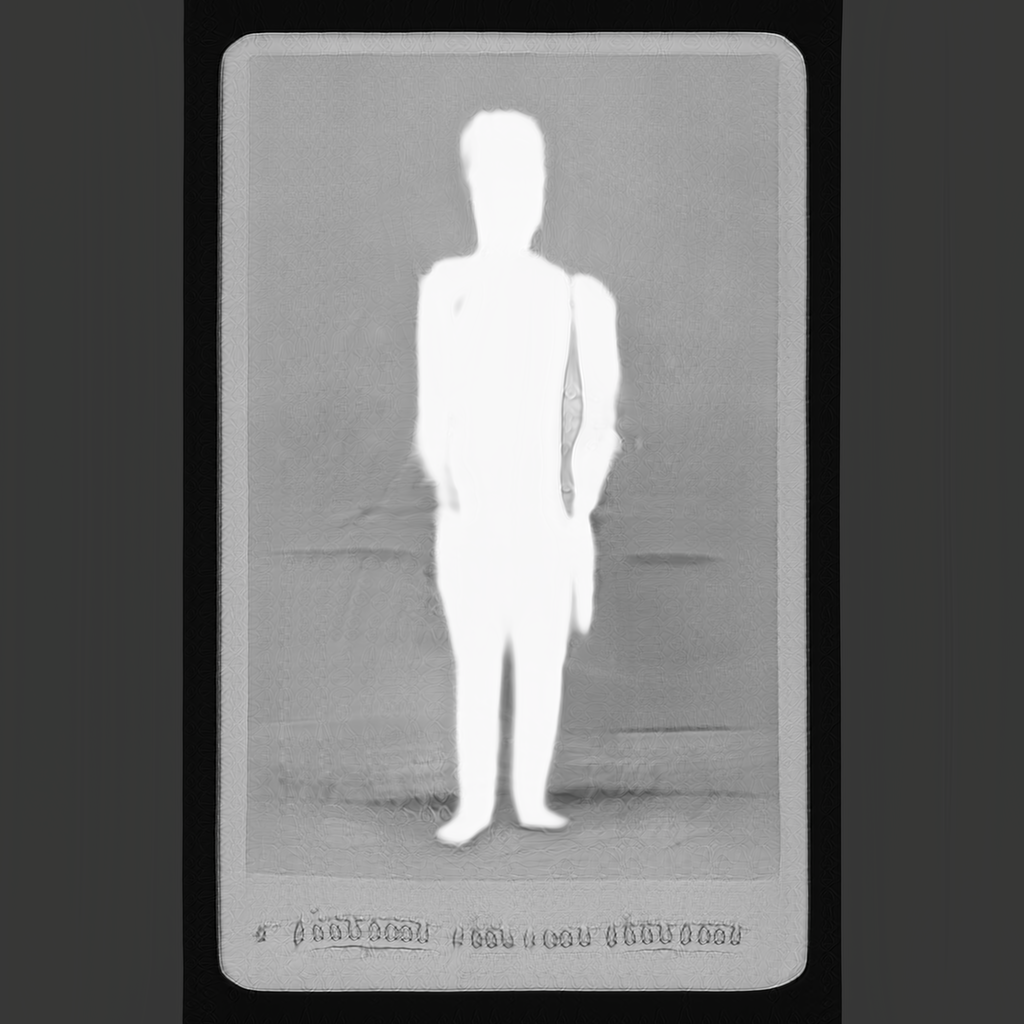
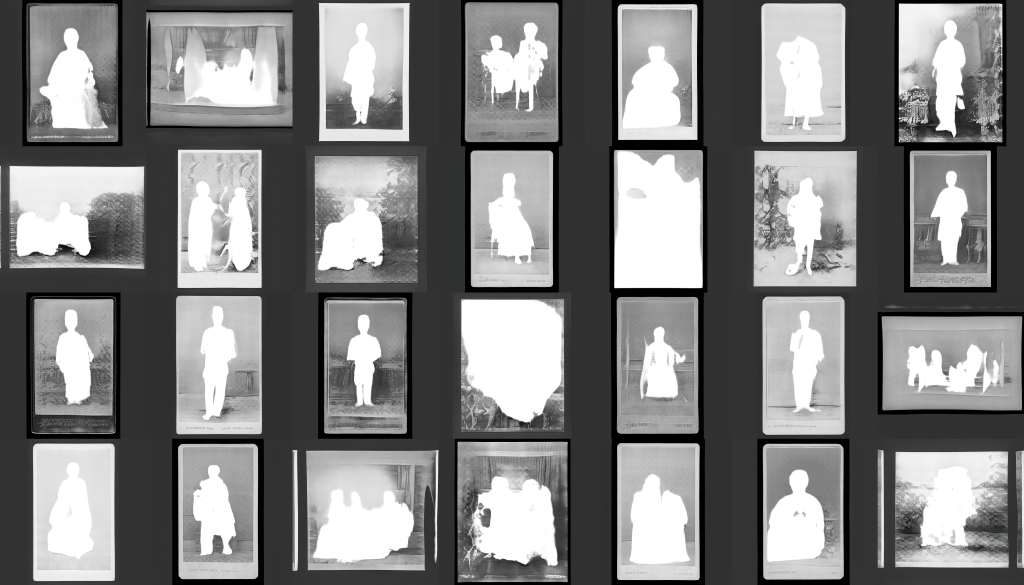
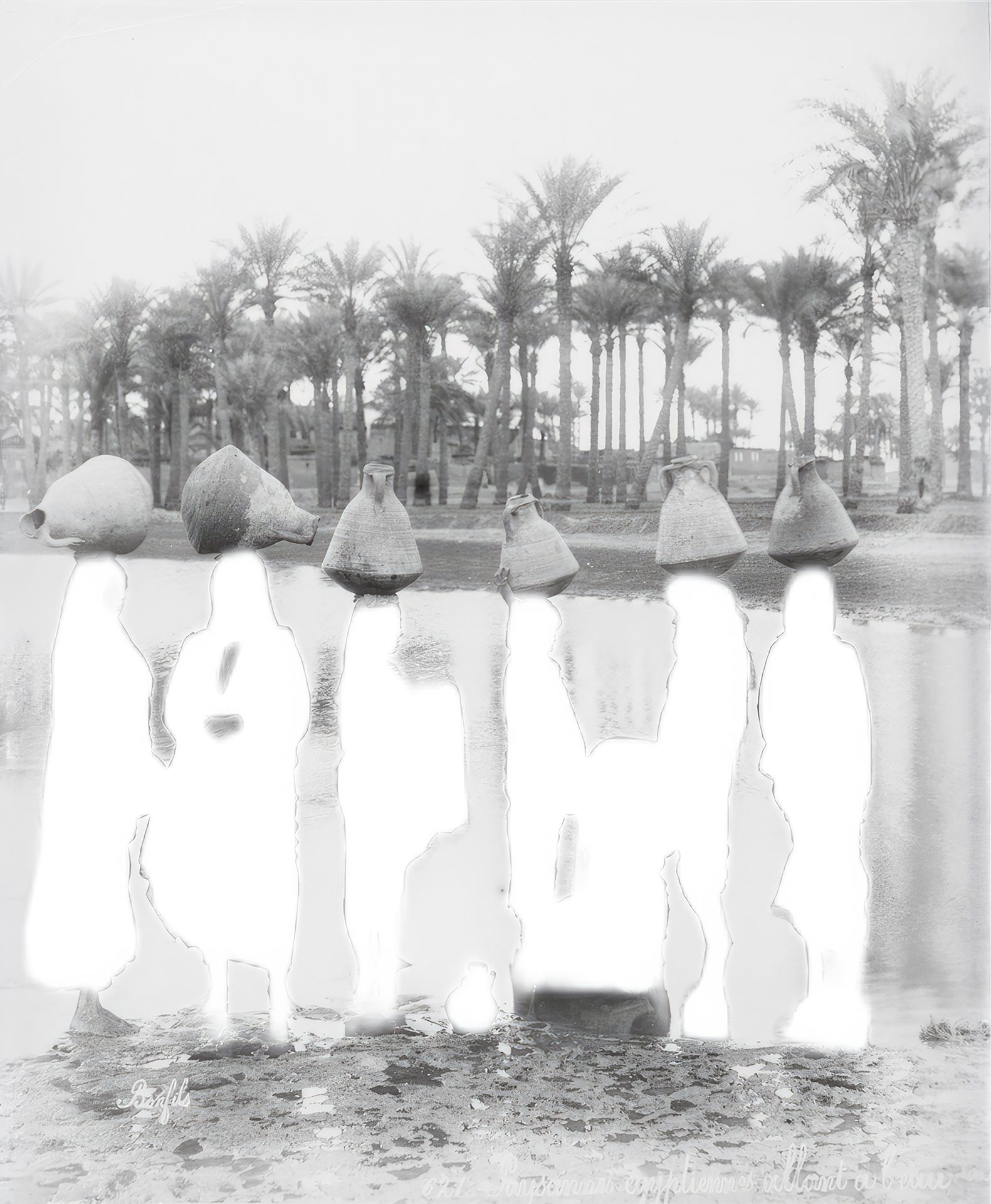
Aljowaysir is one of four artists from the region, including Ayman Zedani, Daniah Alsaleh and Farah Al Qasimi, showing at The Window in Alserkal alongside four international artists – Cao Fei, Jakob Kudsk Steensen, Sarah Meyohas, and LuYang – as part of a touring exhibition supported by the Chanel Culture Fund until 29 November 2026. Ancestral Seeds is a haunting series of images and videos based on an archival image dataset to demonstrate the limitations of data collection and AI systems in representing cultural histories. “This project started because I was interviewing my mother and she was tracing our family lineage, which in Gulf countries you can trace back to the 1800s through oral storytelling,” explains the Riyadh-born artist. “She told me about the migration of my family from Saudi Arabia to Iraq and then back to Saudi Arabia, and I wanted to take this journey to understand that family history from a personal perspective, but also from the perspective of technology, specifically AI,” Aljowaysir continues. This is when roadblocks began to appear. “My family archive is very small, so I wanted to see what was available online to study the regions and the time periods that my family lived through. What I found instead was a lot of colonial, Orientalist imagery dominated the online search,” she observes. “These archives hosted by very prominent museums such as the Getty Museum and the Gertrude Bell Archive were just so problematic, and in the beginning I actually wanted to use AI to generate the past or generate a version of the past for me that I couldn’t access but through my research and by essentially not finding my mother’s story anywhere online, I decided to reframe my project to be about absence and about absent data sets.”
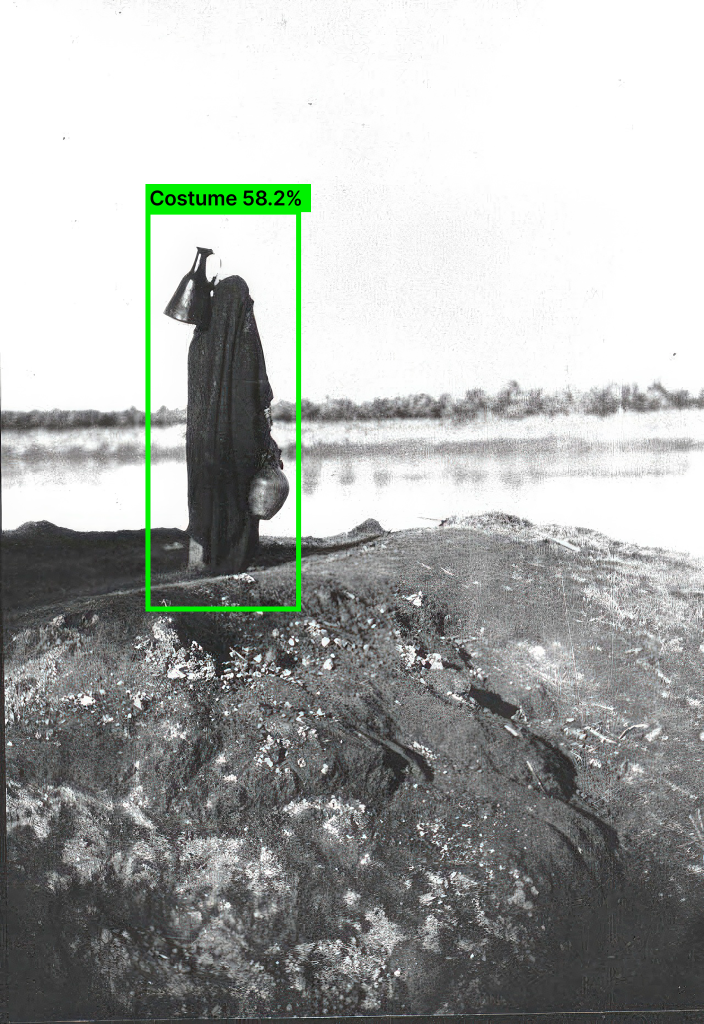
With a bachelor’s degree in Architecture and Human-Computer Interaction from Carnegie Mellon University and a master’s degree from New York University’s Interactive Telecommunications Program (ITP) at the Tisch School of the Arts, Aljowaysir got to work. “I created an AI detection technique that detects subjects and images and used it to kind of invert it to erasure. So, I deleted the entire colonial data set using this AI technique, and then I trained a generative model on that.”
Aljowaysir acknowledges, “Patterns that came up in the data set because Orientalist photography had a formula – people posed in certain ways, people smoking shisha, women seen in very exoticised ways. They looked at the region in a simplified manner.”
Her findings point to a wider gap in how the world is understood and remembered, and through whose lens. “There’s a lot that is missing online, especially Gulf oral histories. We always say history books are incomplete – certain histories which are always repeated and others are completely left out,” she concedes.
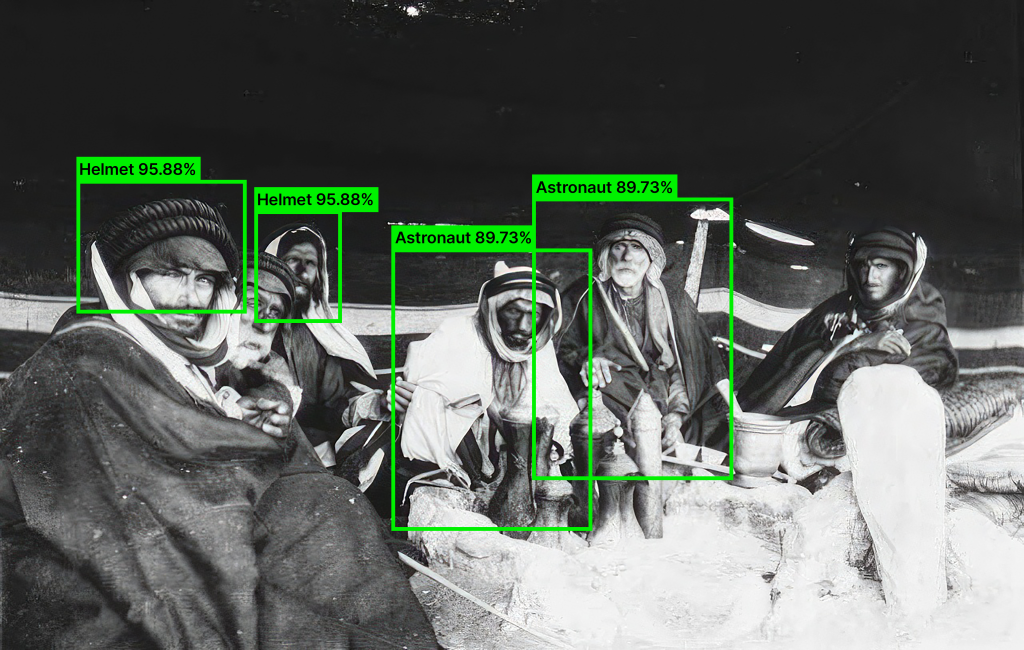
Ancestral Seeds stands as a creative act of defiance. “I also want us to question who took those photos? What perspectives are we seeing? What comes to your mind when you see this erased figure? Maybe something stereotypical comes to your mind and it’s because we’ve been surrounded by this dominant imagery?” she challenges.
“I’m reviving the archive to push back.” With the prevalent discourse centred on AI removing the humanity from art, in Ancestral Seeds, Aljowaysir takes a different position by using generative techniques to protect the humanity of her predecessors.