
 Posted in
Fashion,
Posted in
Fashion,
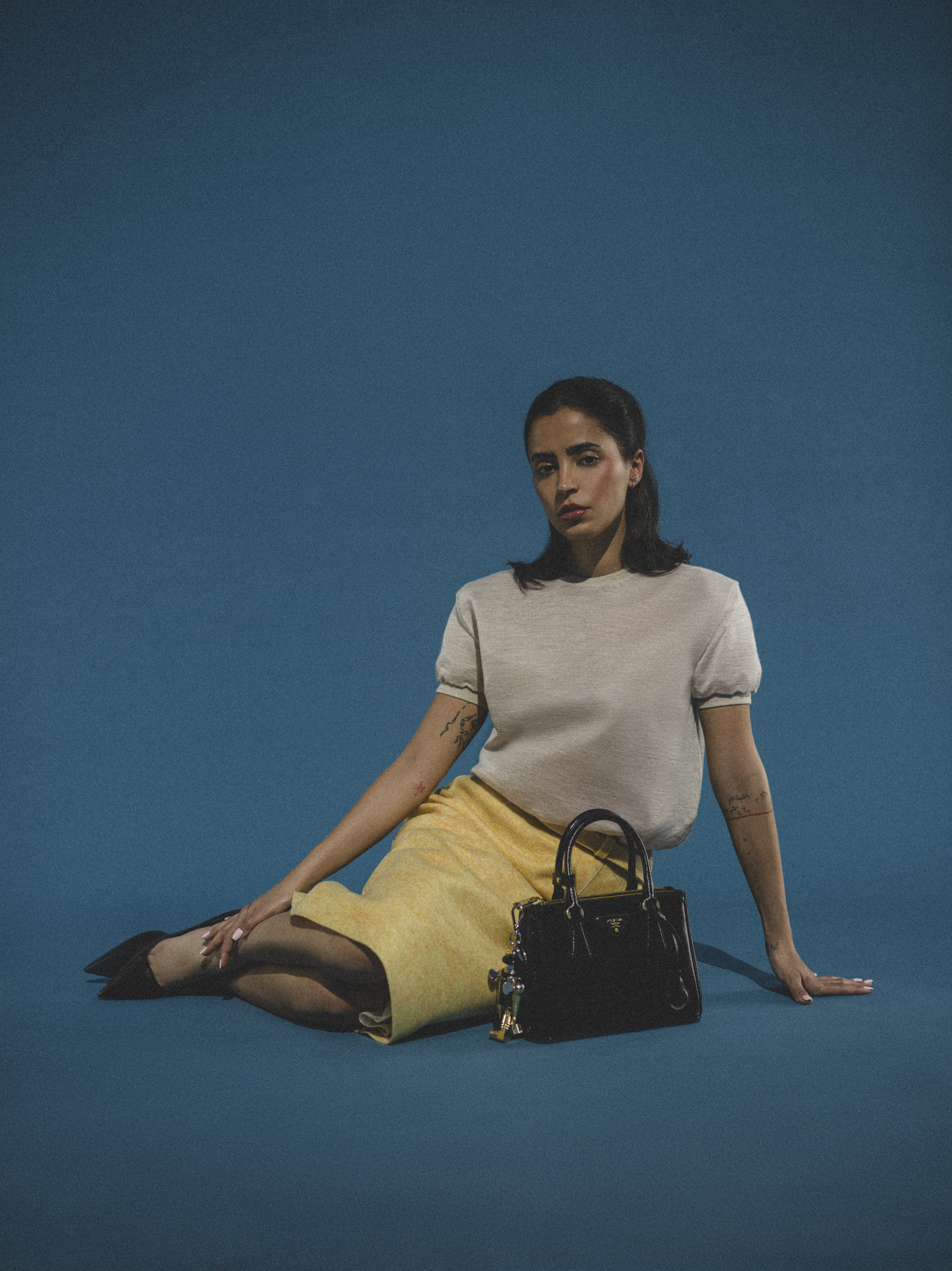
Adwa Bader Is alt-cinema’s new ingénue
Text SARAH AL RASHID | PHOTOGRAPHY HAYAT OSAMAH | STYLING ALI AMMAR
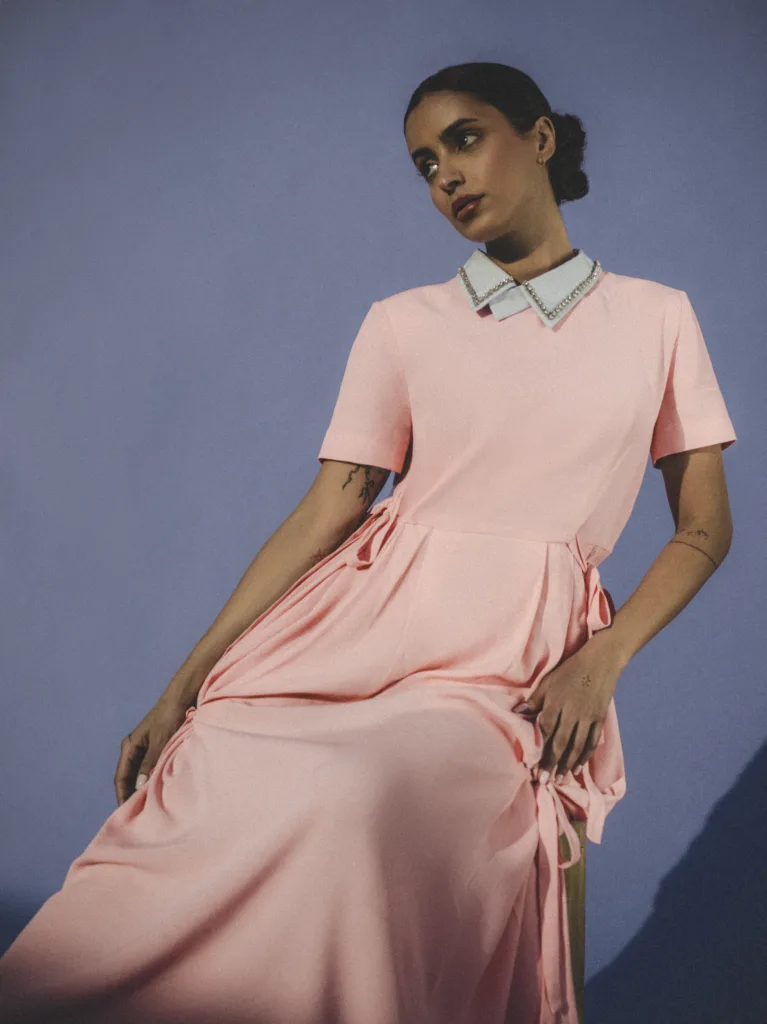
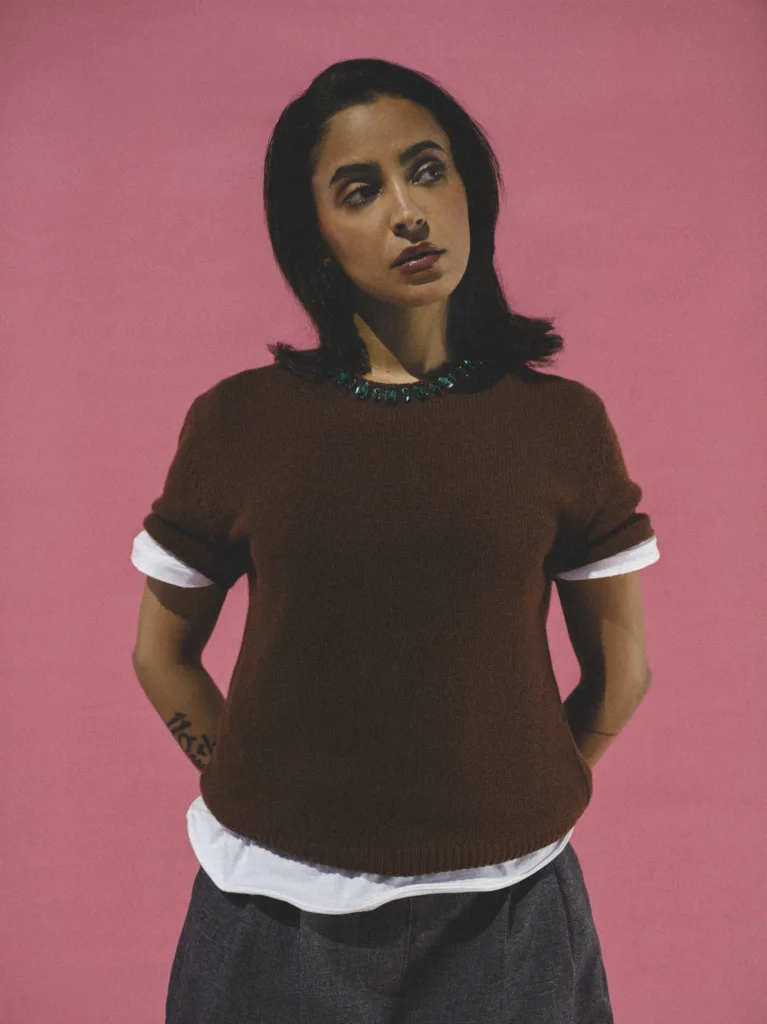
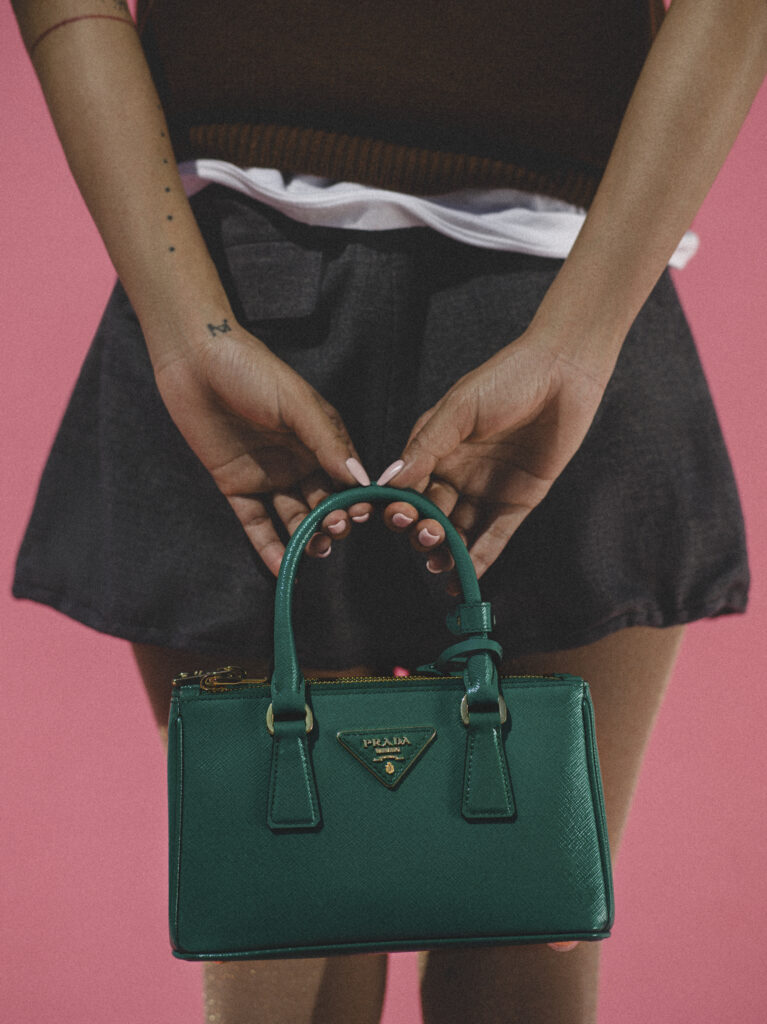

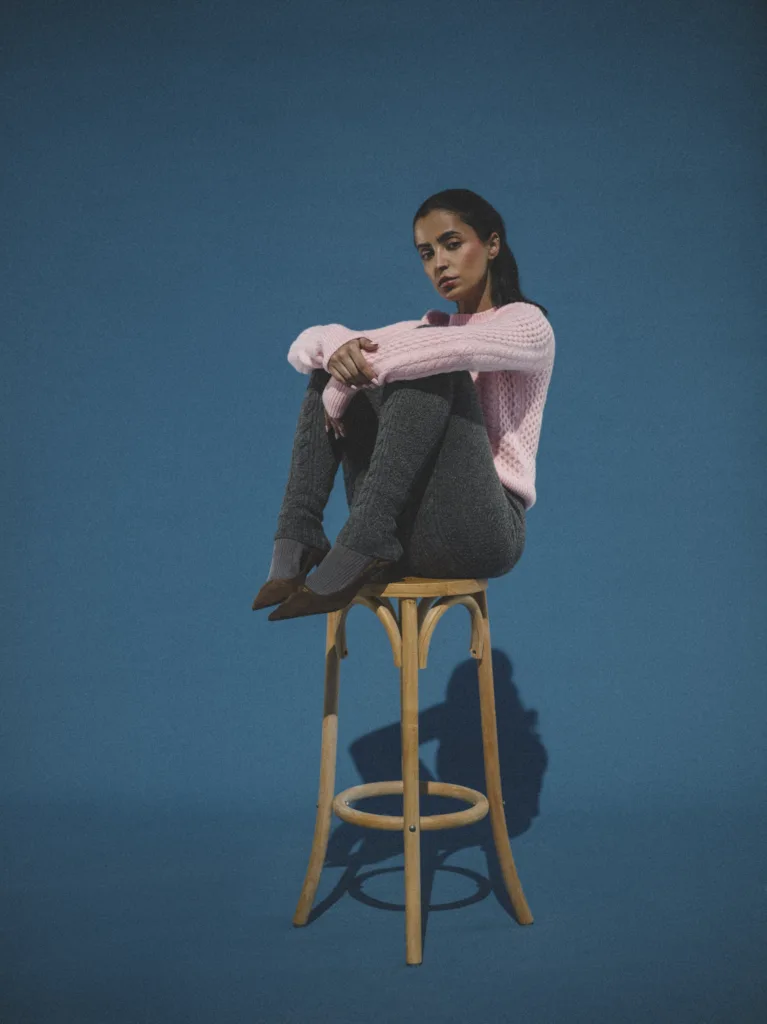
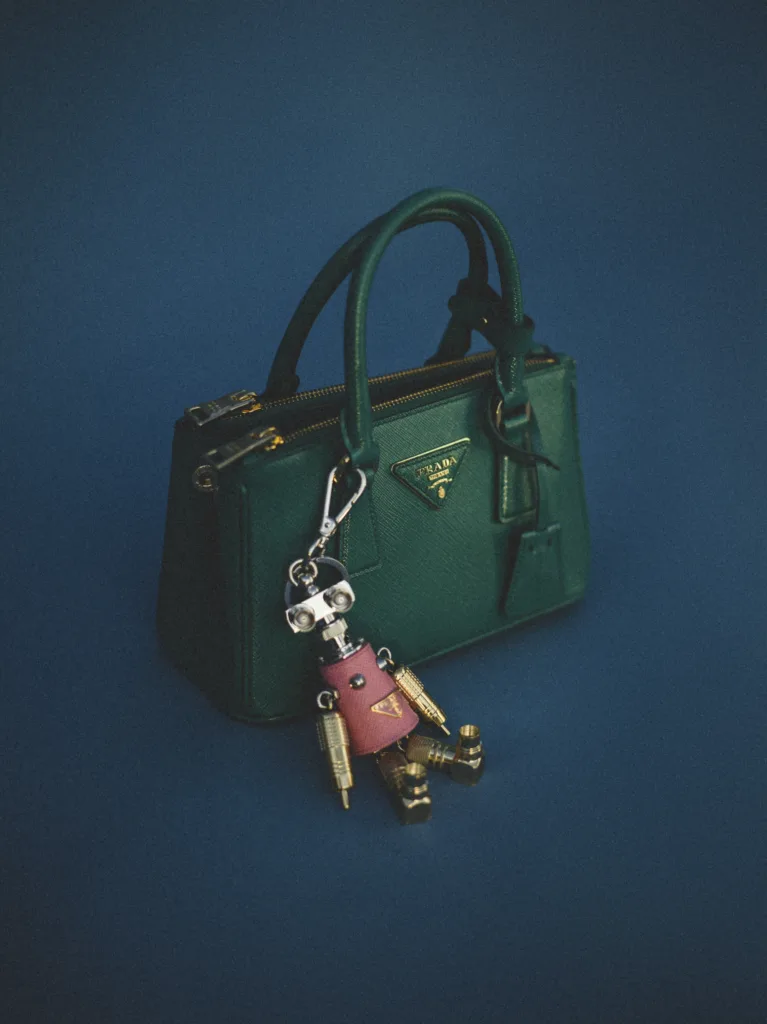

To know Adwa Bader is to know that her mind is a galaxy of creative pursuits. Although formally known as an actress, she pulls out a new idea or project every time I sit with her. She recently played me her new music, a piece that, frankly, any hand in the industry would be proud of. Later, the same evening, she showed me images from a shoot she directed with her friend and talented photographer, Naif (@theworkofnaif). And I was completely blown away. Adwa’s creative ventures may be boundless, but every iteration is intentional and inspired by her experiences.
She first gained attention during the golden age of Tumblr, when her knack for experimenting with the platform’s soft-grunge vernacular and laissez-faire portraiture, melding it with her own Saudi cadence, catapulted her into renown. The fashion and film industries quickly followed, leading her into acting; she was often cast in roles that channel her timeless authenticity and fearless rebellion.
Those who remember Adwa’s Tumblr origins will second that there’s a sense of sentimental novelty in seeing her coming of age. As her practice evolved, she expanded her language of expression to include making music, art directing, poetry, and writing scripts that reflect her instinctive knack for storytelling. For some, her work – when put together – is almost diaristic, each film and campaign an entry into her own becoming that we get to follow.
Adwa has also carved out a place in the evolving world of Saudi cinema. Her performance in Naga marked a creative shift, blurring the lines between social commentary and arthouse neo-horror, and defying the conventions of how stories from the kingdom have been told. Naga marked change, introducing not only a new visual and emotional vocabulary to the wider region’s cinematic landscape, but also expanding how Saudi women are characterised.
Adwa portrayed them as they are—complex, contradictory, human. This is something she also embodies through the way she lives and creates. As a multidisciplinary artist, her practice reminds us that identity need not be singular, that experimentation can bring us closer to ourselves. And through our conversation, I begin to see the possibilities of a new creative archetype emerging from the region, one that celebrates the courage to follow curiosity.
Sarah Rashid: I’m going to ask you to look at yourself from the outside for a moment. Who is Adwa Bader, and what does she do?
Adwa Bader: She’s a creative force, ever-flowing, ever-changing, turning anything she sees into a beautiful poem and capturing emotions like butterflies in a glass jar.
SR: Growing up, Tumblr was almost a moodboard for identity, a safe space to express ourselves, whether through curation or, in your case, an early platform that helped jumpstart your career in many ways. What kind of space was Tumblr for you? And did you expect it to have such a lasting impact on your life?
AB: Honestly, I had no idea what I was doing on Tumblr. I just knew my friends thought I looked cool—we’d take pictures of ourselves and post them online, and my account suddenly blew up and got me to where I am today.
SR: Moving away from Tumblr, what came next?
AB: After Tumblr, I was experimenting with styling and creative direction. I also designed some clothes and shot many editorials with friends in Riyadh and Los Angeles. I was modelling for different brands and acted in short films, then started a blog where I would write poetry and connect it to the editorials I shot as a story within the artwork. After that, I ventured into music production, published my poetry book, got a degree in screenwriting, and sold two films while starring in films simultaneously.
SR: Collaboration feels deeply embedded in your practice and, with the right people, anything can be possible. Who were some of your early mentors or the collaborators who helped you bring your ideas to life?
AB: Honestly, it was all about community building. The fashion scene didn’t exist in Riyadh at the time, and my friends and I had to pave the way for it.
SR: You’ve stepped into Saudi Arabia’s film scene at a time when all creative industries are expanding faster than ever. How has it felt to be part of that transformation from the inside?
AB: It feels amazing. I feel extremely privileged and lucky to be part of a pivotal moment in Saudi cinema.
SR: Naga felt like a significant step for you personally and cinema across the region. What did that project teach you about what it could mean for your generation of Arab artists?
AB: Honestly, Naga holds a special and dear place in my heart. It’s inspiring to still hear how it influenced other artists and the impression it left with them. I feel honoured that my performance left an impact.
SR: As an actress, you bring life to someone else’s vision, but as a poet, singer, and art director, you create worlds of your own. How does this duality of embodiment and expression feed into each other?
AB: As an actress, I feel like I’m telling a friend’s story and hold great responsibility to truthfully convey and transmute their emotions and experiences to the audience through the screen. As an artist, it feels great to have creative control over my image and the stories I want to tell through the art I make. And as a performer, it’s truly fulfilling to express emotions that are just waiting to be explored.
SR: How do you tap back into inspiration when you feel it slowing down?
AB: Connecting with myself helps, but I don’t think inspiration ever dies down. I think we just get tired of receiving sometimes and need rest—and that’s okay.
SR: What are you focused on these days?
AB: I’m currently working on a new script that’s visually exciting. It’s an era we haven’t explored yet in modern Arabic cinema. I’m also shooting a film; it’s a comedy, so that’s a nice change from the usual films I’m cast in.
SR: Finally, let’s go back to the beginning, to who you are. What do you hope to awaken in your audience through your work?
AB: I hope that everyone finds something that they can relate to in my work, and that a sense of nostalgia sparks a breath of life in their day. Hopefully, it stays with them and blossoms into another work of art.
Photography HAYAT OSAMAH, Styling ALI AMMAR Talent ADWA BADER, hair DARINE BOU DARGHAM, make-up NAJAT ELHUSSIEN, producer MUSTAFA ALAMASI, production RANEYA DASHSISHAH from TOTEM PROD, styling assistant YUMNA ALSALEH, special thanks ALKIMIYA STUDIOS