
 Posted in
Fashion, Palestine
Posted in
Fashion, Palestine
Trashy Clothing AW26 asks what are the structures of freedom?
Text Zoé Zanzola

Photo by Valerio Mezzanotti
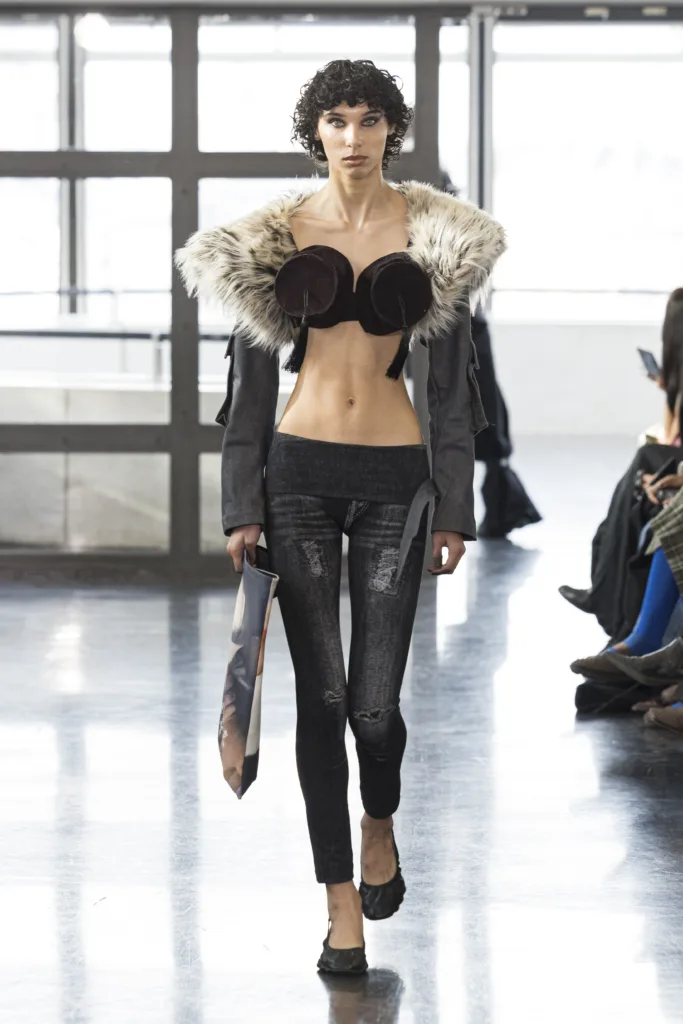
Photo by Valerio Mezzanotti

Photo by Valerio Mezzanotti

Photo by Valerio Mezzanotti
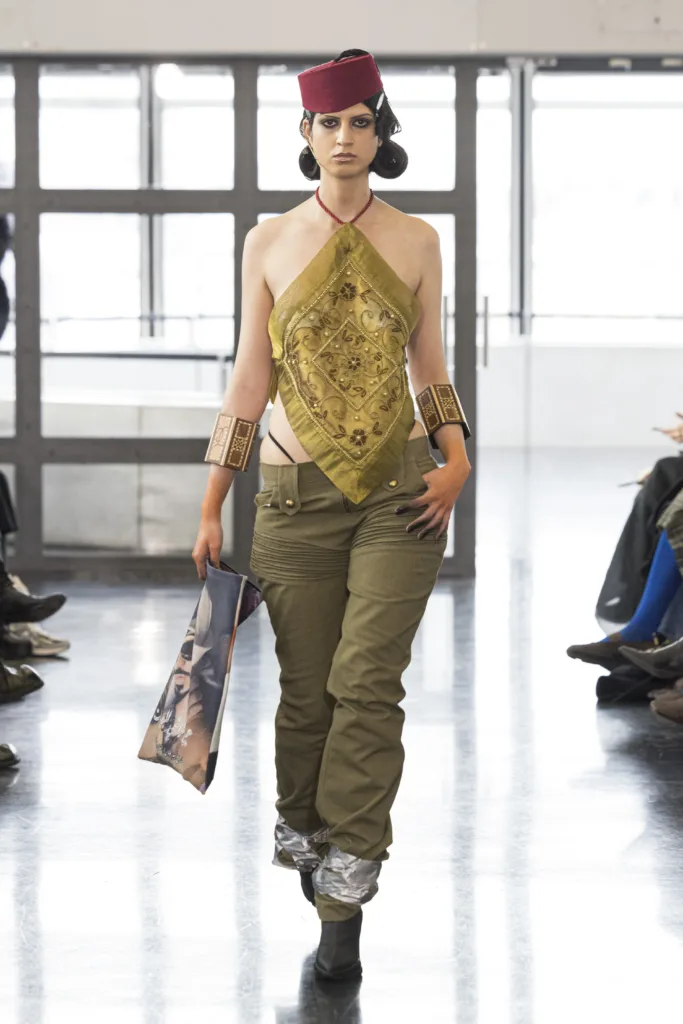
Photo by Valerio Mezzanotti

Photo by Valerio Mezzanotti

Photo by Valerio Mezzanotti

Photo by Valerio Mezzanotti
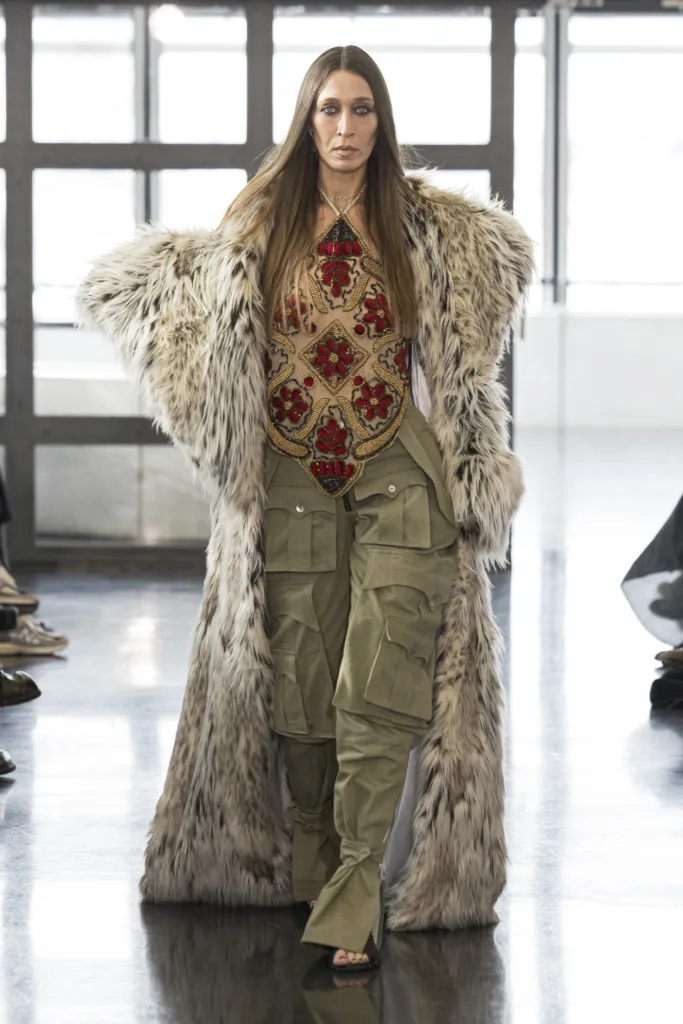
Photo by Valerio Mezzanotti

Photo by Valerio Mezzanotti

Photo by Valerio Mezzanotti

Photo by Valerio Mezzanotti
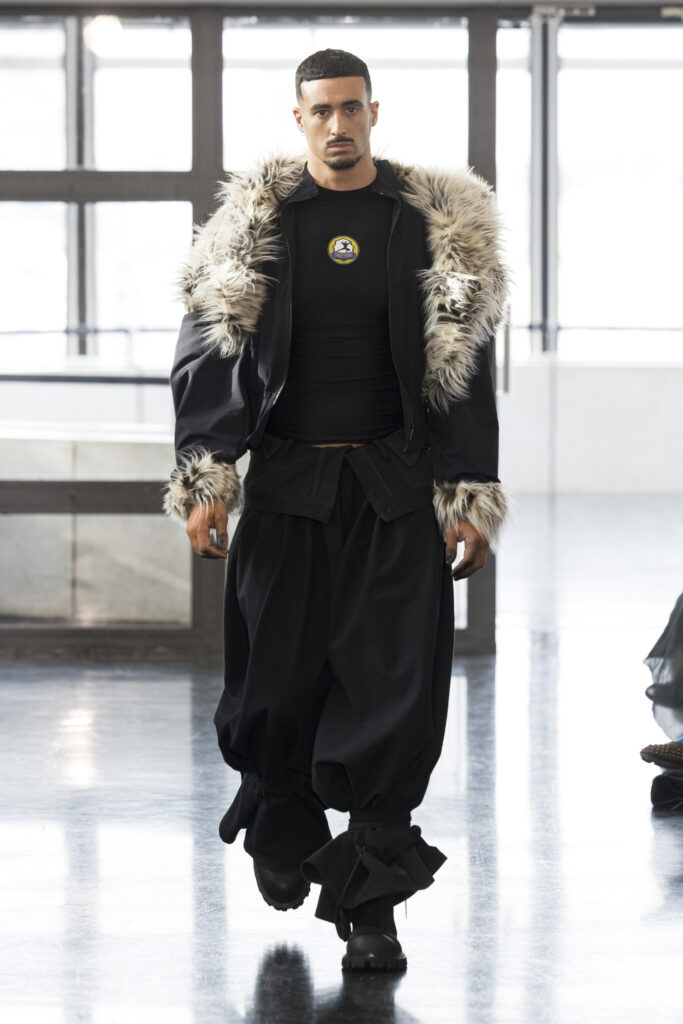
Photo by Valerio Mezzanotti

Photo by Valerio Mezzanotti

Photo by Valerio Mezzanotti

Photo by Valerio Mezzanotti
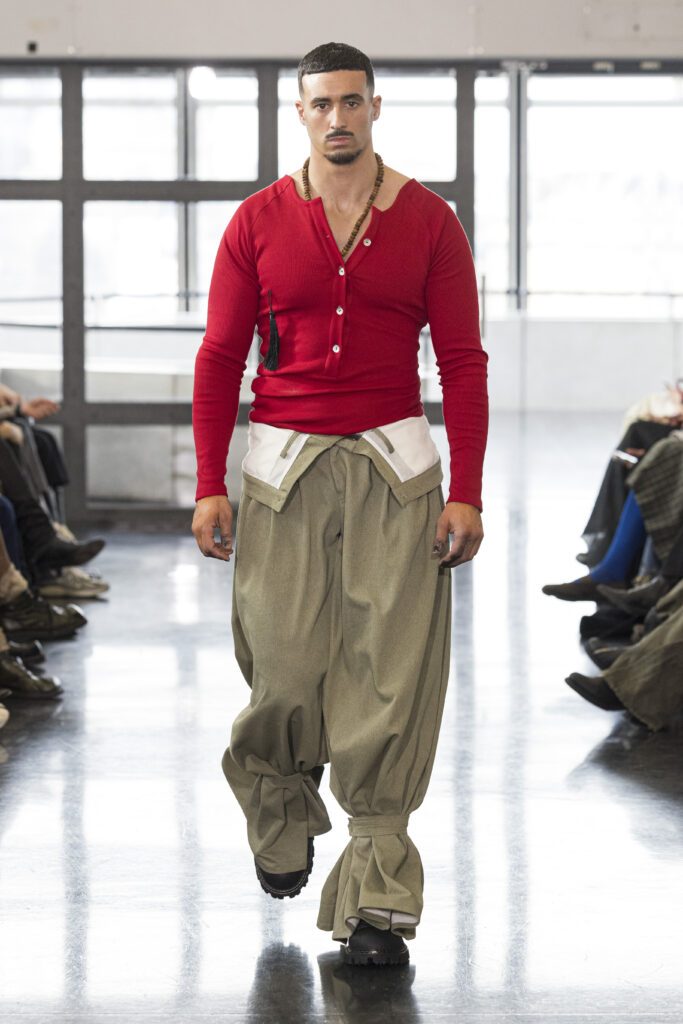
Photo by Valerio Mezzanotti

Photo by Valerio Mezzanotti

Photo by Valerio Mezzanotti
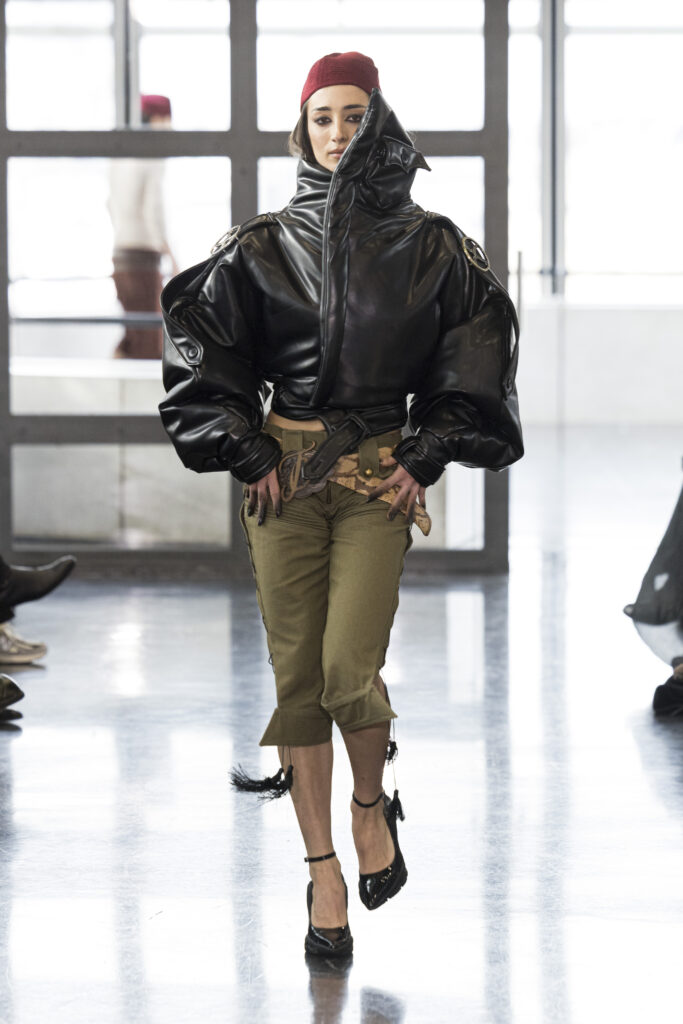
Photo by Valerio Mezzanotti
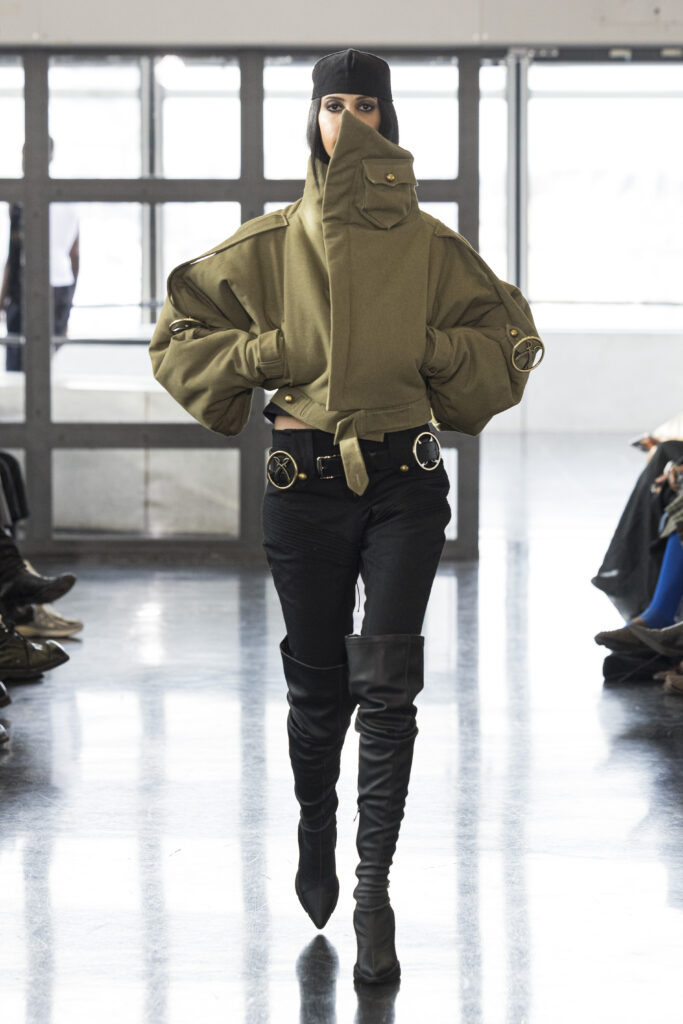
Photo by Valerio Mezzanotti

Photo by Valerio Mezzanotti

Photo by Valerio Mezzanotti

Photo by Valerio Mezzanotti

Photo by Valerio Mezzanotti

Photo by Valerio Mezzanotti

Photo by Valerio Mezzanotti

Photo by Valerio Mezzanotti
You are free to do whatever you want, as long as you follow the rules. Modern freedom does not disappear. It simply shifts within the structures that frame it. Laws, social and moral norms quietly define the boundaries of everyday life. Yet this form of control does not necessarily produce frustration. Perhaps we have simply grown accustomed to it. It is hard to say. Our ways of life evolve constantly, and despite these transformations, we do not always feel that our “level” of freedom truly changes.
In countries under military occupation, checkpoints gradually appear in public spaces and eventually begin to structure everyday life. At first, these devices make control highly visible. They impose stops, detours, and constant surveillance. But over time, the population adapts. Routes change, schedules adjust, and gestures reorganise themselves around this new geography of daily life.
You are “free” to go to the gym, yet you are being watched. That is the contradiction. Gradually, however, this aspect fades from collective consciousness. Military presence stops appearing as an intrusion and settles into routine. Control does not disappear. It simply becomes less visible, almost internalised. Rules continue to shape movements and behaviours until they begin to redefine what is perceived as normal life.
This internalised constraint runs through the collection by Trashy Clothing. The two designers move along a line of tension between precision, control, and quiet resistance.
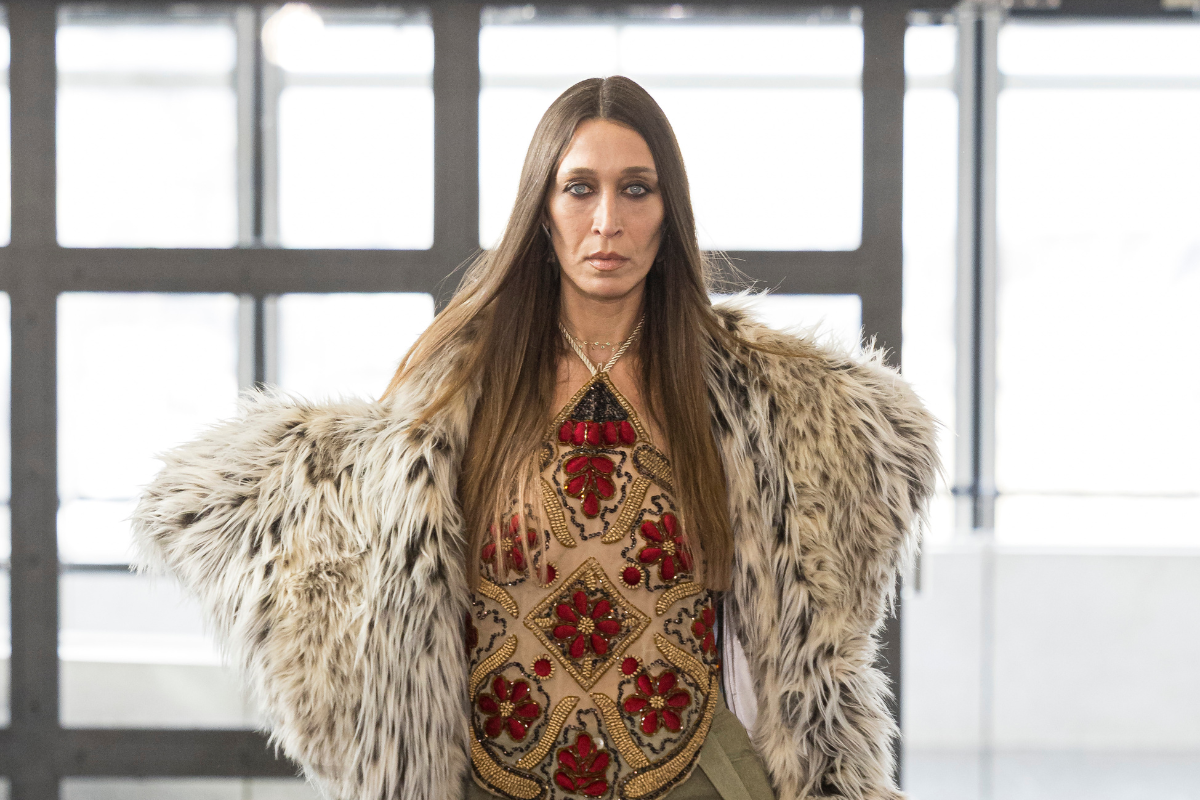
High collars, straps, laces, twists at the waist: everything suggests garments that restrain the body, as if social constraints were materialising directly in the construction of the silhouettes. The cuts reinforce this sensation. On one side, vast shaggy XXL coats and sharp-shouldered jackets nearly engulf the figure. On the other, tight trousers and dresses hold it firmly in place. Jewellery plays its part in this system as well. Wooden cuffs, stacks of gold bracelets covering the forearms, and multiple chains frame and contain the body.
Military presence eventually begins to feel “in place” within the landscape. Fashion experiences a similar phenomenon. Pieces from the military wardrobe, its fabrics, cuts, and colours, have long been absorbed into everyday dress. What once belonged to an apparatus of control gradually becomes a familiar aesthetic language. It is therefore no surprise that the designers chose thick cottons and a palette dominated by grey, khaki, and black.
And yet the Trashy Clothing silhouette remains dignified. The figure moves forward with assurance, as if it had found a quiet way to outmanoeuvre the pressure.
The casting reinforces this impression. Mia Khalifa, Alana Hadid, Sharon Rose and the others embody the confidence the body might still preserve despite everything. Stilettos fused with rubber sneaker soles and thigh-high boots strike the floor and set a tempo. It is the rhythm of a resistance that does not assert itself directly but slips into gestures, attitudes, and the movement of the body itself.
Some models have hands stained orange or black. Should we read this as the trace of past lives that have marked the skin, or as a sign of contemporary activism?
The designers seem to be transmitting a heritage, preserving memory through symbols. The fez, worn across several looks in its traditional form or transformed into a cap, also appears on bodysuits. The keffiyeh rests on long pointed hats, but also becomes draped mini-dresses with cowl necklines that restore fluidity to the body. It is no longer completely confined.
What first appeared to be a suffocating collection gradually transforms. Transparency emerges, jackets fall away, silhouettes loosen. Constraint does not disappear entirely, but the body finds spaces to breathe. Trashy Clothing sketches a form of quiet resistance: not a spectacular rupture, but a freedom that finds its way through the very structures meant to contain it.