
 Posted in
Art & Photography,
Posted in
Art & Photography,
Why the Ithra Art Prize is reframing what winning looks like

Text Gayathri Pullare
The artistic circle in the region is paying close attention to Saudi Arabia this week, thanks to this year’s iteration of the Ithra Art Prize. Offered by the King Abdulaziz Center for World Culture (Ithra) in Dhahran, the honour carries a growing reputation as one of the region’s most significant awards.
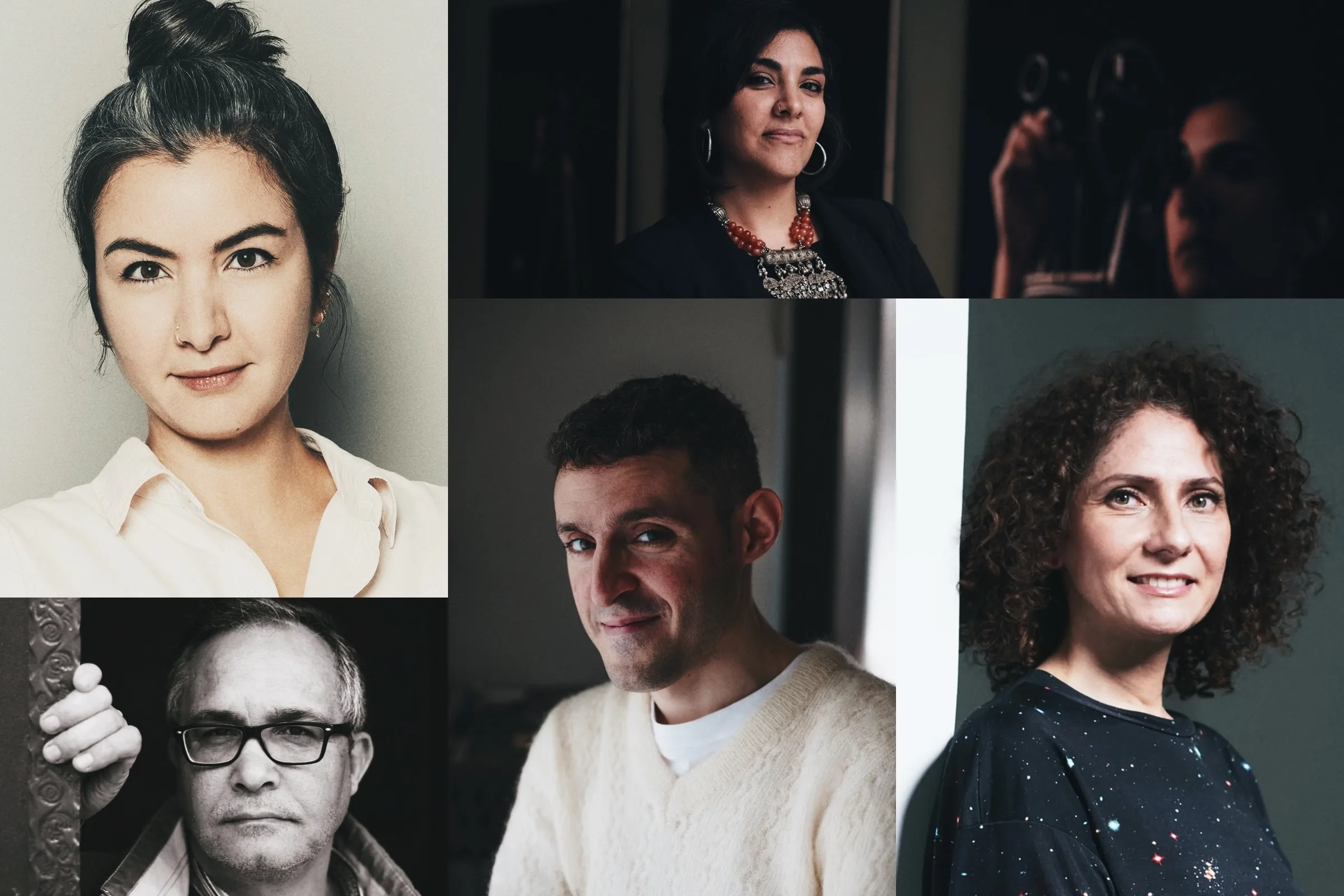
The seventh edition’s shortlist includes five artists: Aseel AlYaqoub, Bady Dalloul, Heba Y. Amin, Ala Younis, and Jawad Al Malhi. Selected from more than 500 submissions spanning the Arab world, each comes from a distinct national and cultural context, but what links them is a practice led by research and long-term passion.
Instead of funnelling resources solely towards a single hopeful, this year, the prize will award production grants to all five finalists. Their works will be presented together in a dedicated exhibition at Ithra in spring 2026, where the final winner will be announced, whose artwork will go on to join Ithra’s permanent collection.
The finalists were determined by an international jury with backgrounds spanning curation, academia, and artistic practice. Alongside Farah Abushullaih, Head of Ithra’s Museum, the panel includes independent curator Tarek Abou El Fetouh, art historian Dr Nada Shabout, curator and Palais de Tokyo co-founder Jérôme Sans, and artist Nadia Kaabi-Linke, herself a previous Ithra Art Prize winner. Their selection prioritised depth of thinking and contextual responsiveness, values that have increasingly defined the prize since its expansion beyond Saudi-based makers.
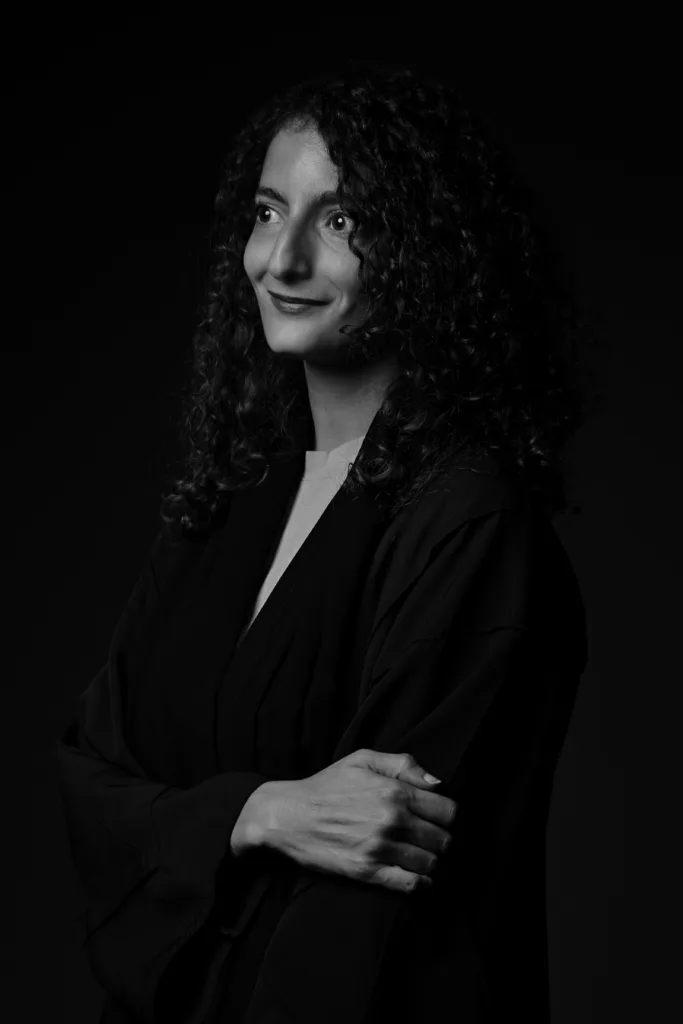
Abushullaih has described the latest shortlist as a reflection of the diversity and critical energy shaping contemporary art across the region. The aim, she explains, is to foster dialogue across cultures and generations while supporting artists who challenge assumptions and open up new perspectives.
That emphasis on evolution extends to the Ithra Art Prize’s internal structure. Sara Alomran, a well-known figure in the regional creative community, has recently joined Ithra as an advisor dedicated to the prize, helping to shape its next chapter. Drawing on her experience developing major cultural initiatives in Saudi Arabia, her role has involved honing the initiative’s ambitions and format through research-led discussions with past jurors, recipients, and regional peers.
As competition intensifies and attention spans shrink, the Ithra Art Prize takes a different approach by choosing to slow things down, foster the growth of artists from the region, and continue to uplift their work through a meaningful platform.