
 Posted in
Fashion,
Posted in
Fashion,
Ladakh’s Pashmina through the eyes of Keerthana Kunnath
Text Thanaaz Hisham | Photography Keerthana Kunnath





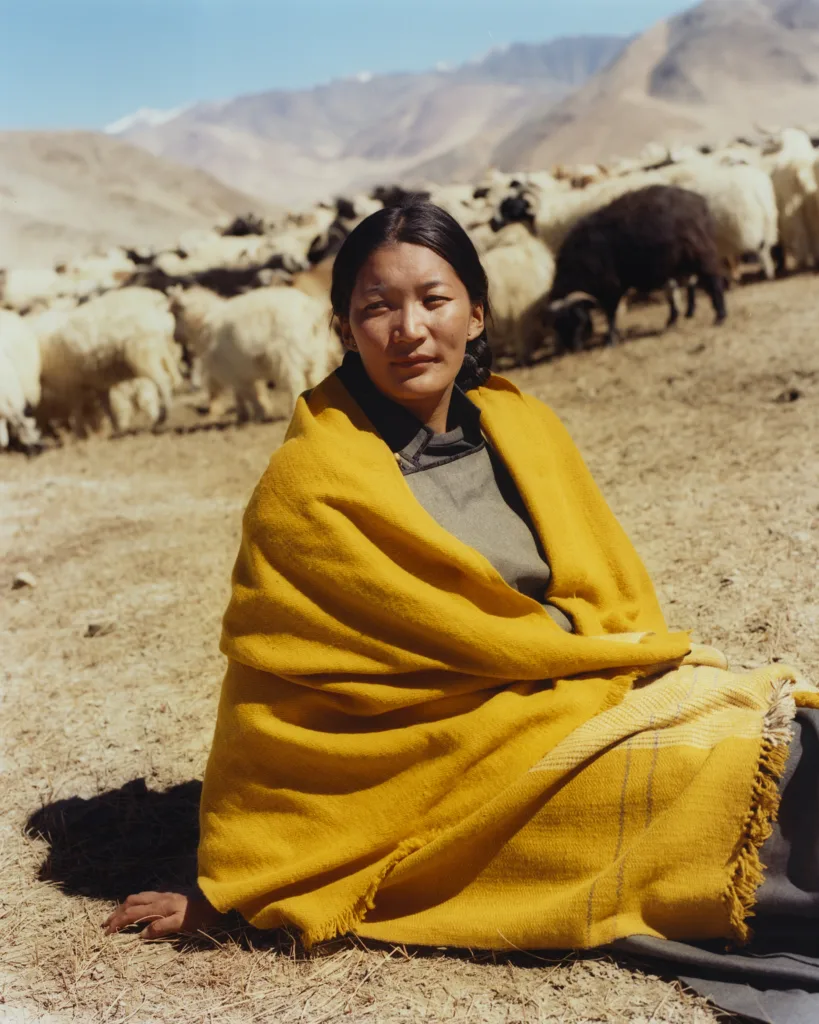


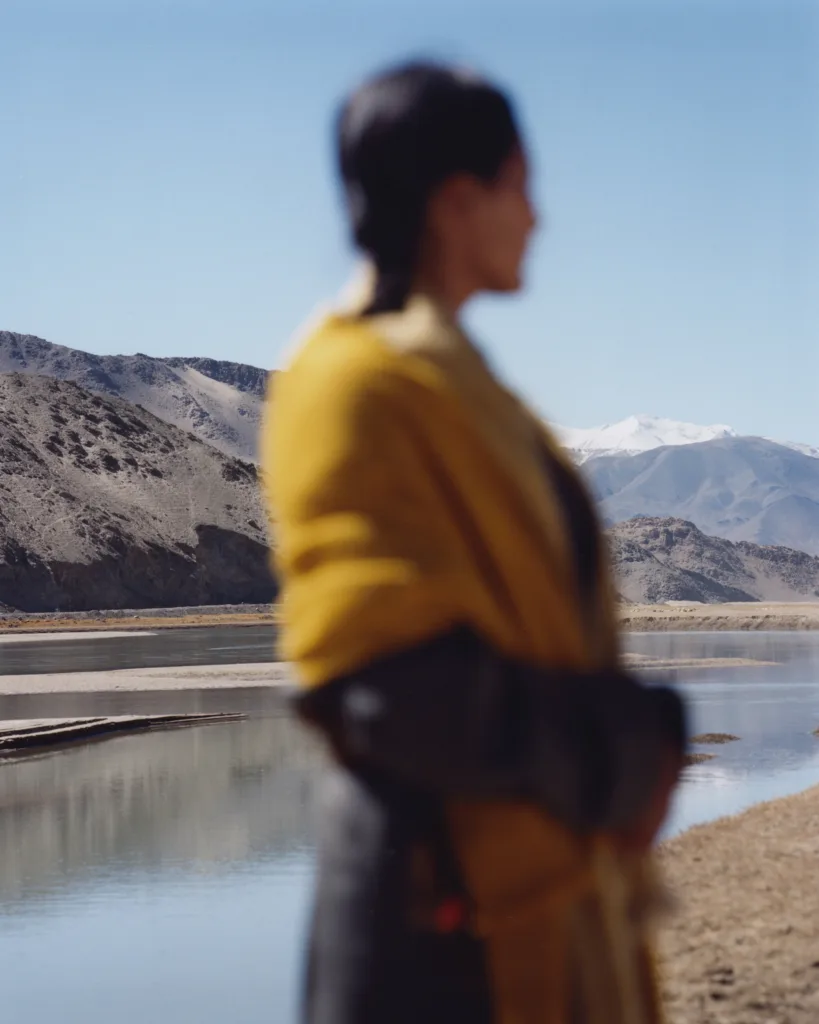
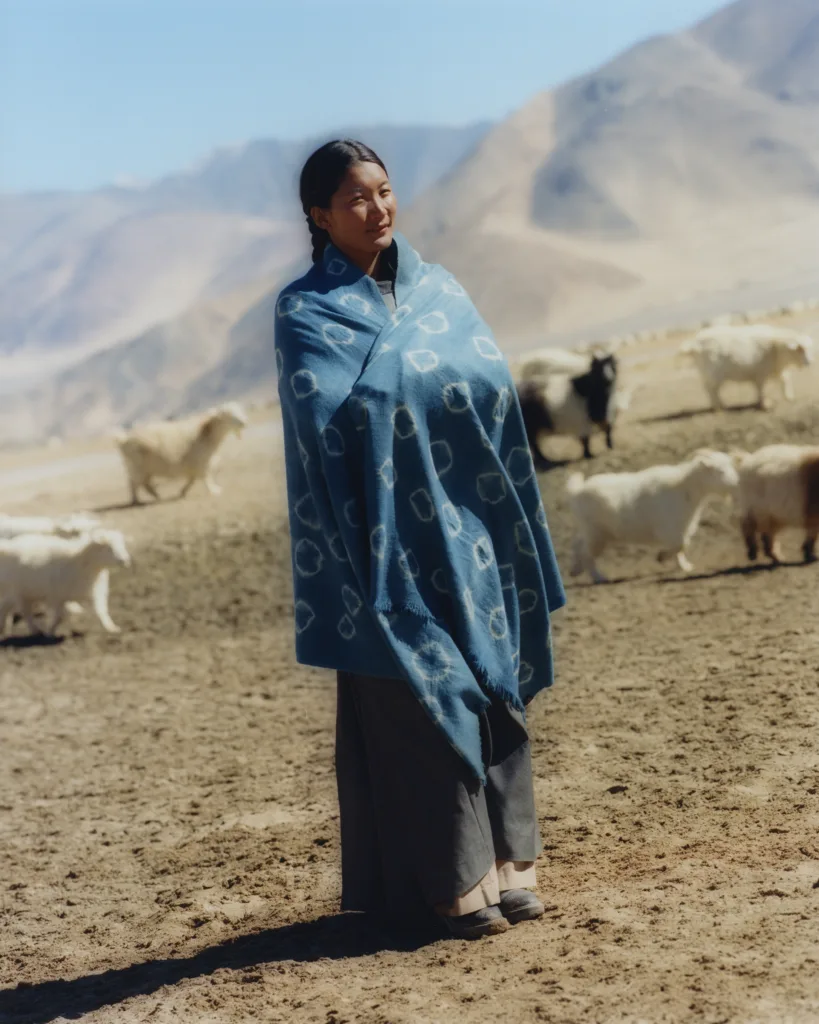



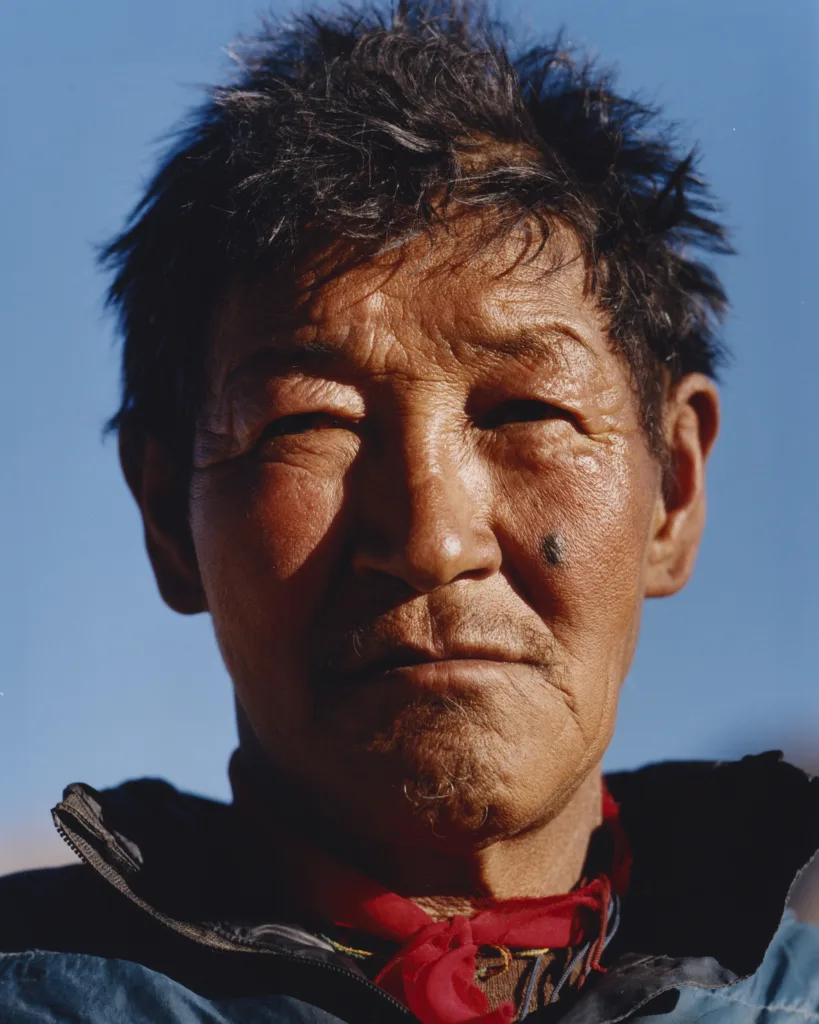
While Zara digs into its archive pile with John Galliano, the fashion industry continues to produce at a pace that far exceeds its own capacity. Europe alone has a 15.2-million-tonnes-textile-waste problem (annually). Supply chains across Bangladesh, India, and Pakistan stall as geopolitical tensions disrupt cargo routes through the Middle East. And more than a decade after the Rana Plaza disaster that killed 1,134 garment workers, the same questions around labour, environmental damage, and overproduction remain largely unsolved.
In the 21st century, fashion has a problem with speed, with scale, and with memory.
‘Sustainability,’ too, has become part of that problem. A word flattened into marketing language, applied to recycled blends, packaging solutions, and capsule drops, while the systems of overproduction remain intact.
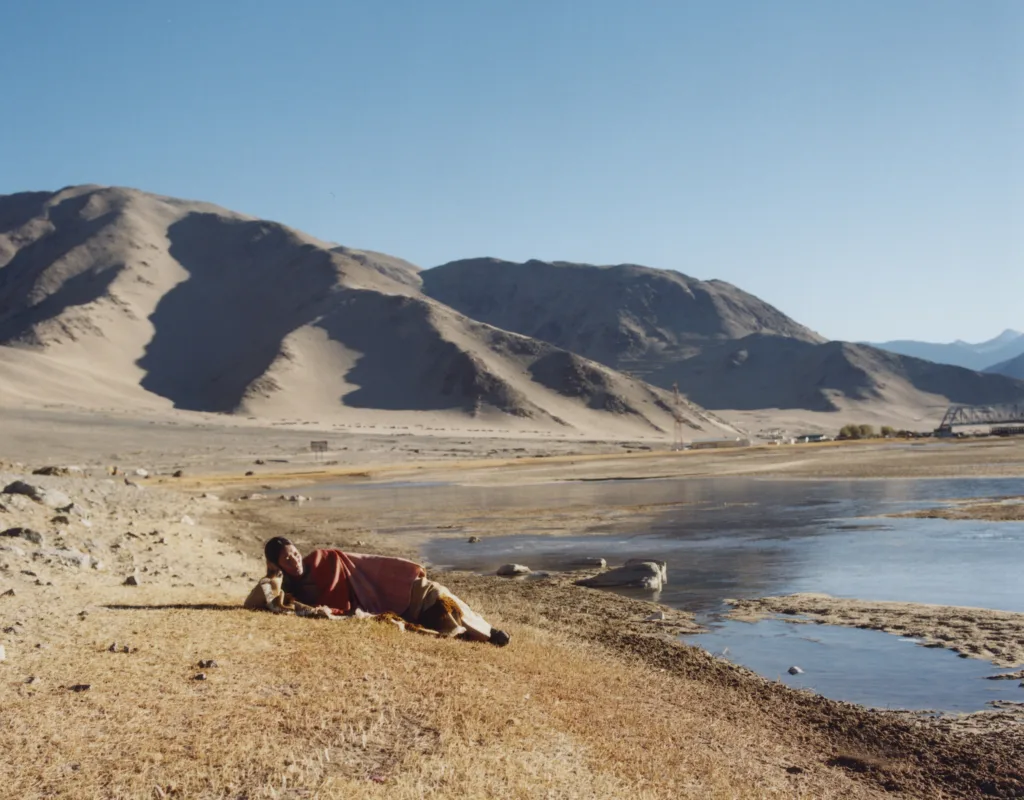
But far from Shein’s production lines and issues of excessive lead seeping into children’s clothing (see American Chemical Society report)—in the high-altitude of Ladakh, a different system exists altogether.
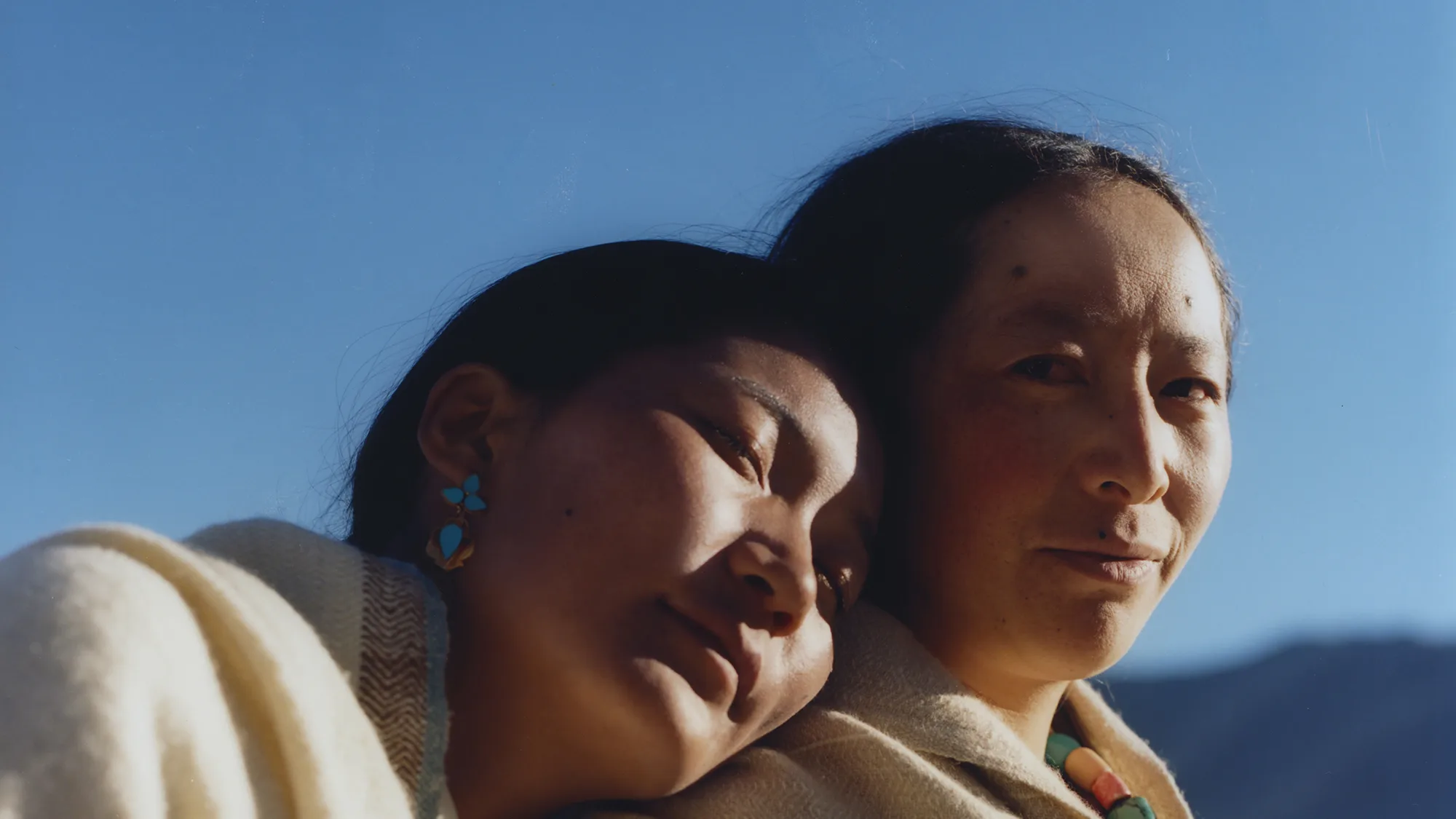
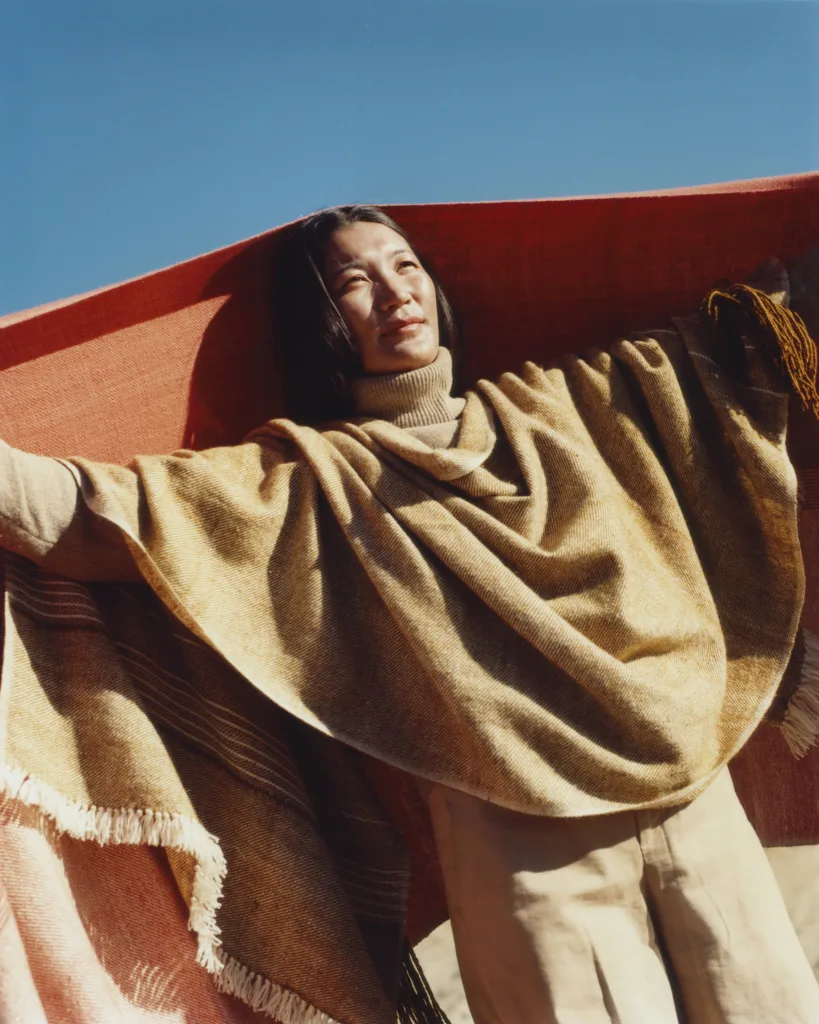
Following her acclaimed series ‘Not What You Saw,’ photographer Keerthana Kunnath finds herself in Ladakh, and the story of pashmina was an accident.
Like many, Kunnath assumed pashmina’s origins began in Kashmir. It wasn’t until she encountered Lena Ladakh Pashmina—a women-led collective founded by Sonam Angmo and Stanzin Minglak—that the geography, and the narrative around so-called “slow fashion,” started to change for her.
“Obviously, we all know the pashmina,” Kee says. “But I only understood then how a singular material gives life to nomadic communities. The identity it holds for the people who produce and use it.”
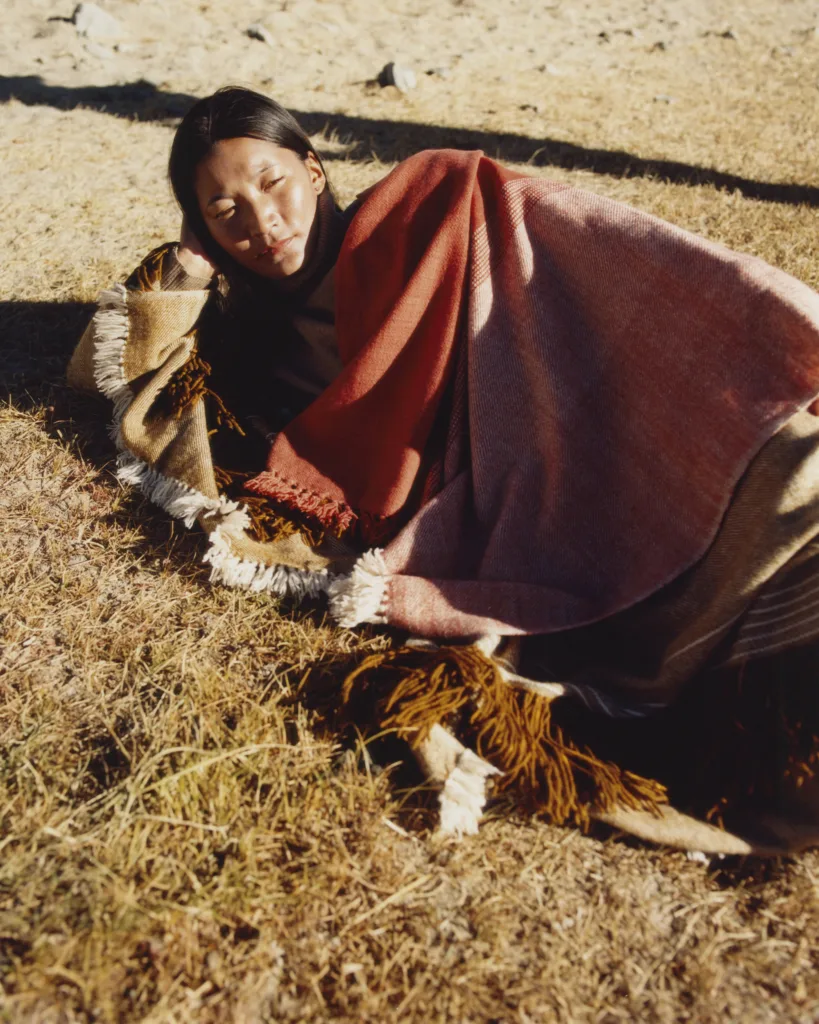
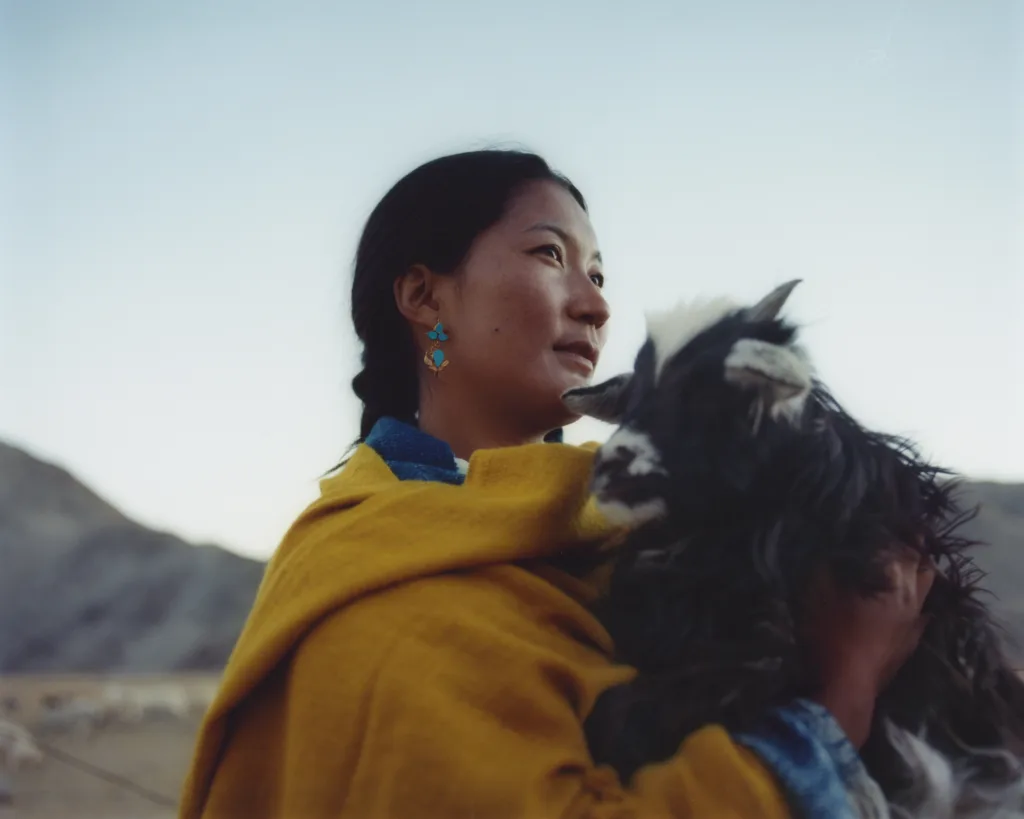
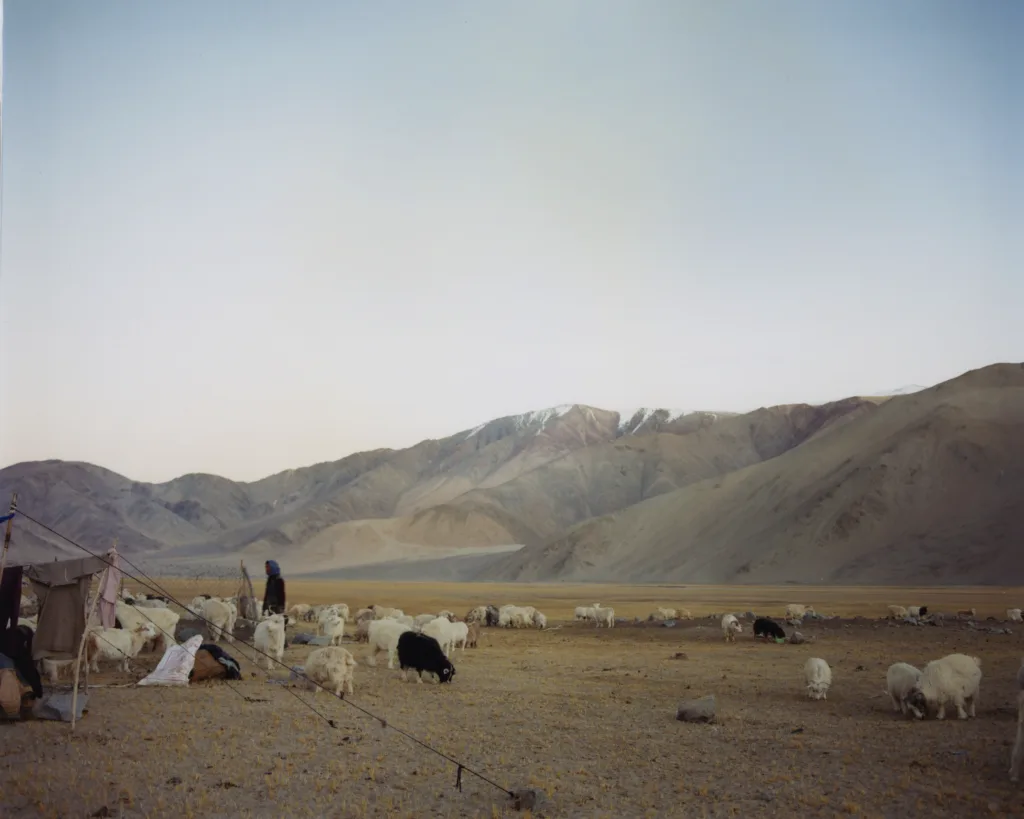
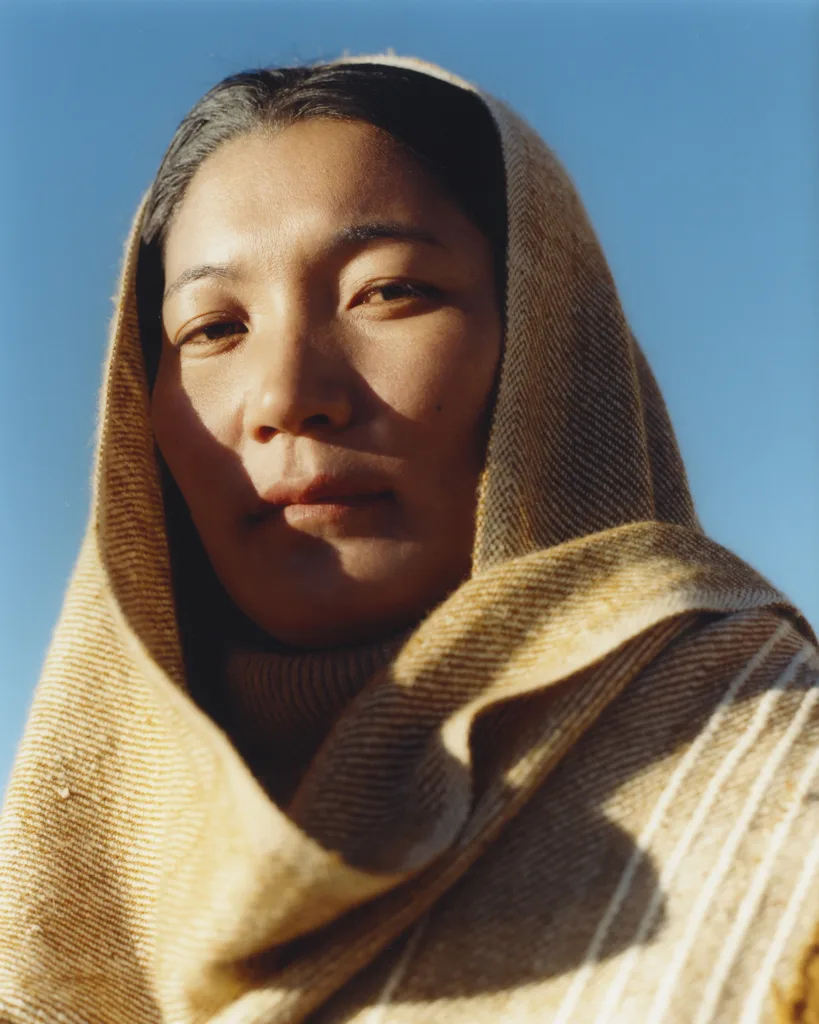
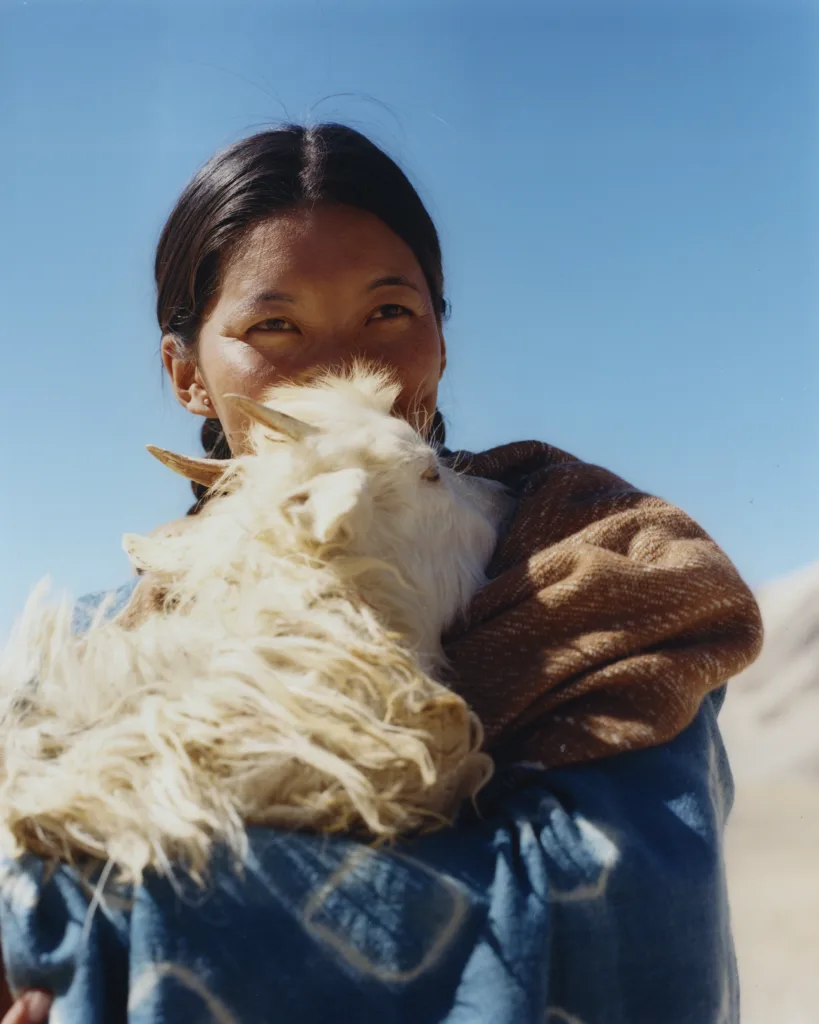
In Changthang, pashmina cannot be separated from the people or the land that sustains it. The fibre comes from Changra goats, whose fine undercoat develops only under extreme winter conditions. Come spring, it is hand-combed, then spun, dyed, and woven entirely by hand. A single shawl can take up to 25 days to complete. Annual production remains deliberately small – around 500 to 600 pieces.
There is no ‘faster’ way of producing it.
Women lead in every stage of the process. “The act of weaving itself is understood through feminine metaphors,” says Sonam Angmo. “Comparing weaving to a woman nurturing life in her womb, giving birth, and carrying forward the family lineage.” Lena now works with over 50 women.
But like many indigenous craft systems, it is under threat.
“The crafts haven’t evolved,” says Rahemur Rahman, British-Bengali Senior Fashion Lecturer and Film-Maker. “There is a lack of innovation in the crafts, and what needs to happen is for younger generations to engage and experiment with these traditional practices.”
Through his work with artisans in Bangladesh, Rahman has seen a clear shift. “Their biggest issue is that their sons don’t want to do this [craft] work,” he explains. “They’ve seen what it has done to their parents—their lives never improved. Why would they want to continue something that hasn’t sustained them?”
And it’s a tension that exists in almost every craft community.
In Changthang, pashmina remains the backbone of the local economy, enabling access to education and healthcare otherwise unavailable in remote regions. But climate instability, water scarcity, and migration towards urban centres are reshaping aspirations. Younger people, of course, are increasingly drawn towards more stable forms of income—leaving behind the very systems that sustain global luxury markets.
“It’s a double-edged sword,” Rahman adds. “Why should an artisan spend months creating something when modern technology can do it faster?”
At Lena, however, a younger generation is choosing to stay—not out of obligation, but with intention. Many are graduates who have actively chosen to work with pashmina. And this renewed engagement is not isolated.
Across South Asia, a growing number of independent brands are reworking craft systems on their own terms. In Tamil Nadu, OSHADI works from seed-to-garment, embedding fair terms (wage, land, material) at every stage of production. In New Delhi, rkivecity focuses on post-consumer textile revival. In Lahore, Rastah collaborates with local embroidery clusters, bringing forward traditional techniques to a contemporary audience.
There is no shortage of alternatives, but what remains lacking is access and education.
Today, most consumers understand that fast fashion is harmful. What they might not always see is where it ends up. In places like Accra, Ghana, discarded clothing forms literal mountains of waste; garments shipped under the guise of donation, only to be dumped when they cannot be resold or reused. And synthetic fibres like polyester cannot be properly recycled, leaving them in landfills for decades.
Fast fashion has conditioned consumers to expect more for less: more clothes, faster delivery, lower prices. A well-made piece like Lena’s pashmina, on the other hand, does not deteriorate; rather, it improves with time. And it can last for generations.
There is, of course, a class dimension to all this. Ethically made garments—those that ensure fair wages, time-intensive processes, and high-quality materials—come at a cost. But the alternative carries its own price.
According to Waste Recycling Middle East and Africa, the GCC alone generates up to 500,000 tonnes of textile waste annually. Initiatives such as The Giving Movement and Abadia are attempting to shift this through recycled materials and heritage-led production, while platforms like Bazaara and Reluxable promote resale and circularity.
These are important interventions. But they do not replace the need to fundamentally rethink how—and why—we buy.
“Nomads believe that the mountains, valleys, lakes, and pastures of Changthang are the abodes of local protector deities,” reveals Angmo. “These beliefs and practices have played a significant role in preserving the clean and largely untouched environment even today.”
For Sonam Angmo, pashmina is inseparable from this worldview.
“I’ve come to see it as another gift of Ladakh’s harsh winters,” she reflects.
And perhaps that is where the industry falls short—not in its inability to produce, but in its failure to remember.