
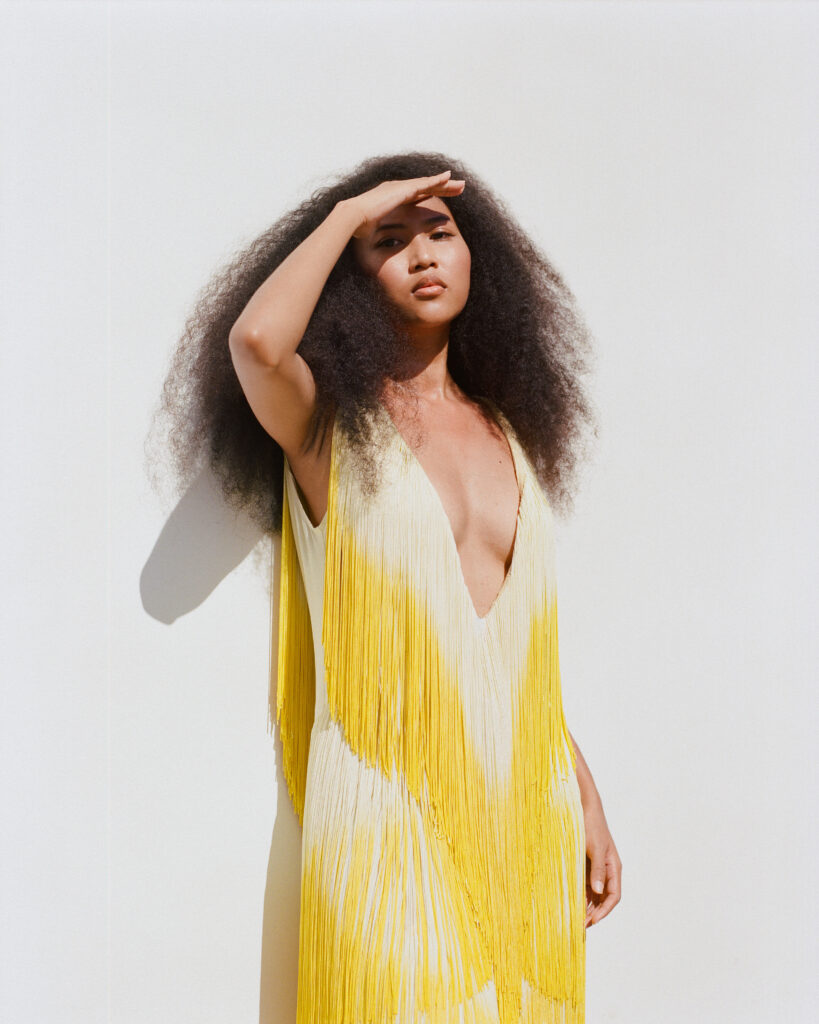
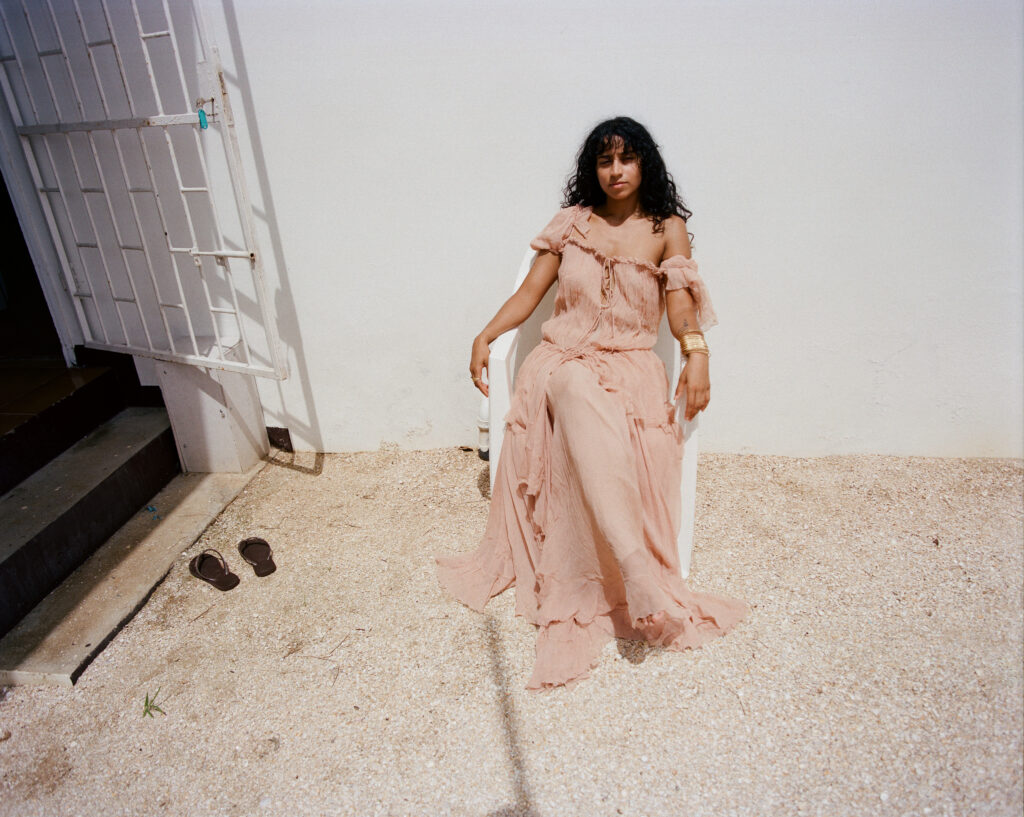
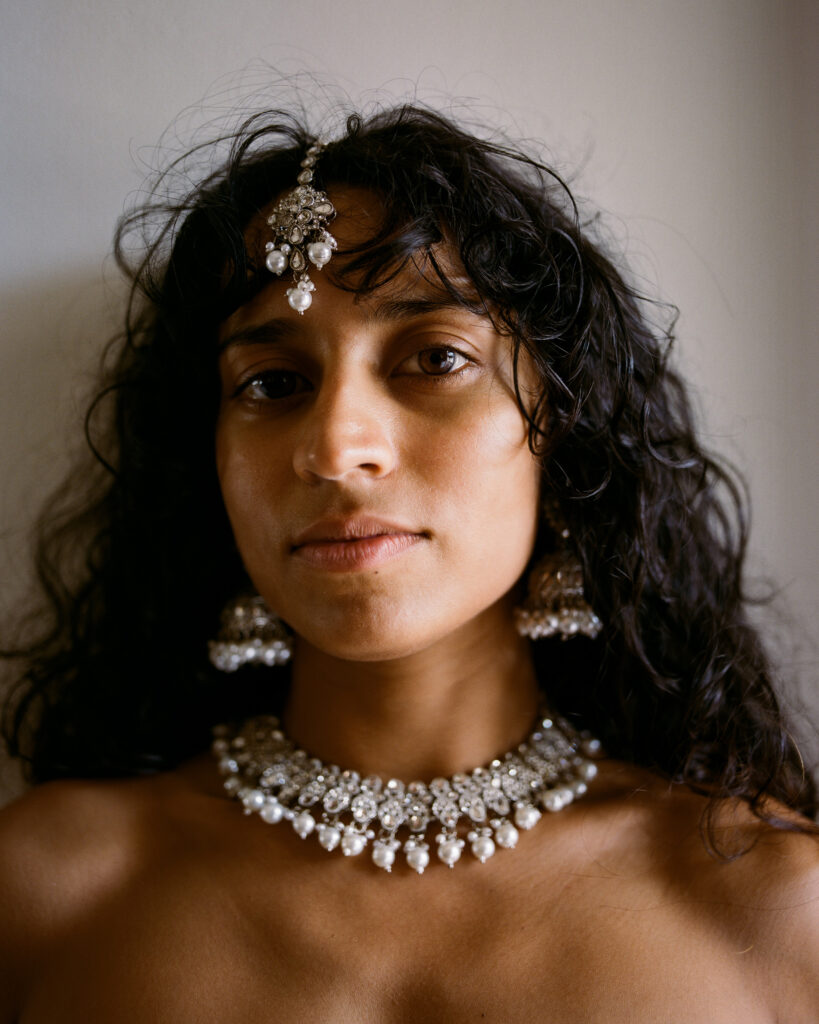
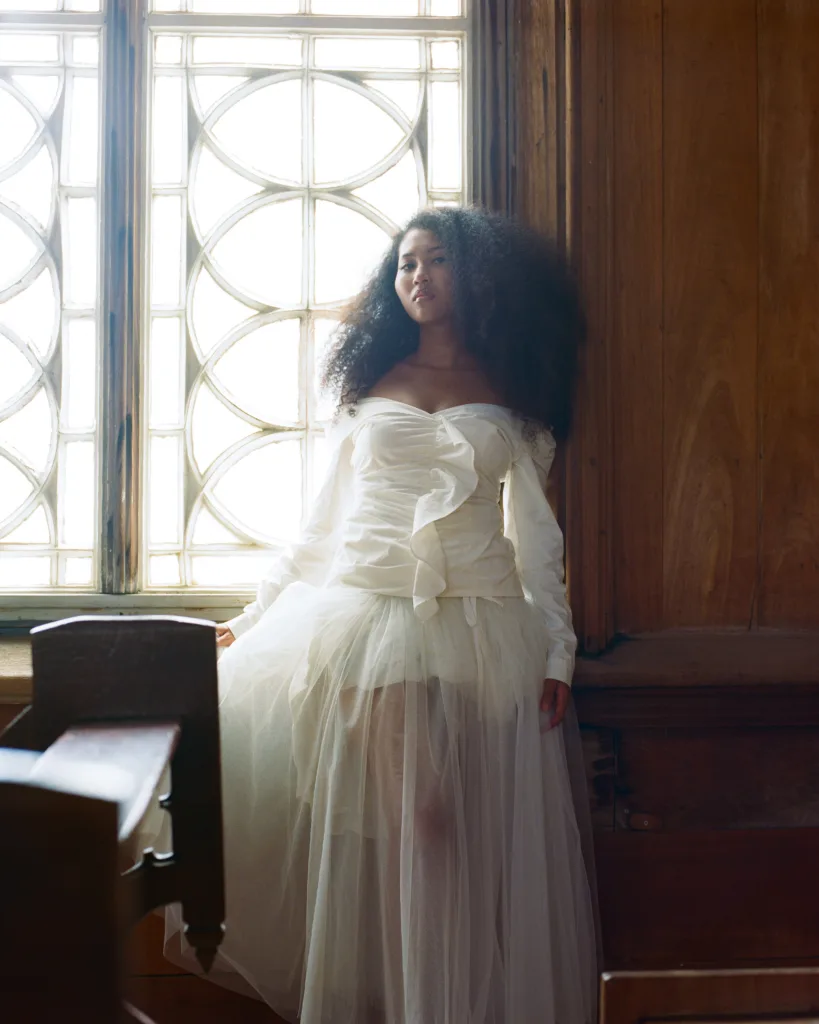
 Gauri wears dress CHLOÉ, bracelets STYLIST’S OWN, rings TALENT’S OWN
Posted in
Fashion, Dazed MENA Issue 05
Gauri wears dress CHLOÉ, bracelets STYLIST’S OWN, rings TALENT’S OWN
Posted in
Fashion, Dazed MENA Issue 05
Wan Pipel: A nation of many in Suriname
Text DAZED DIGITAL
PHOTOGRAPHY FIDELIO FAUSTINO | STYLING ESMERALDA TAN | TEXT MIKEL VAN DEN BOOGAARD
There are so many people for whom the word ‘home’ is as much a question as an answer. If not for true inherent nomadism, (colonial) capitalism has unrooted generations of refugees, enslaved people, and economic migrants desperately attempting to regrow roots in unfamiliar soil. As a child of such histories, the roots I’m connected to always felt dubious to claim. The multiple identities that were labelled onto me all defined me, but didn’t. When your roots are cut off, sometimes it’s less painful to pretend they never existed.
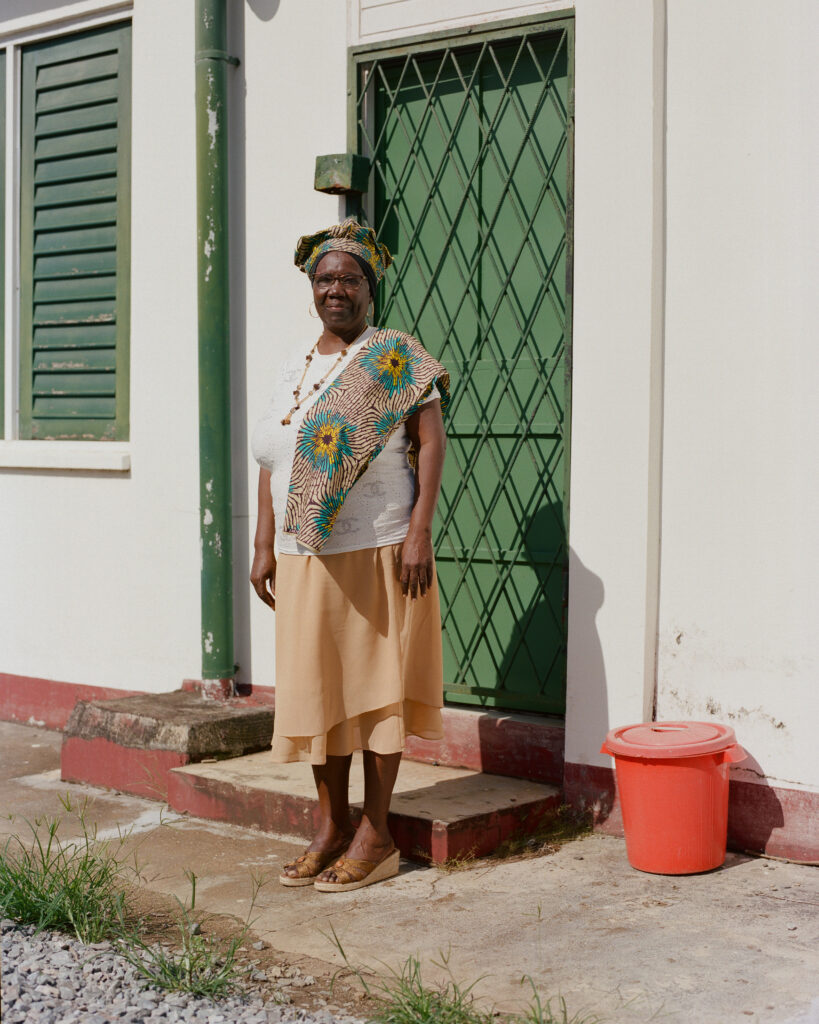
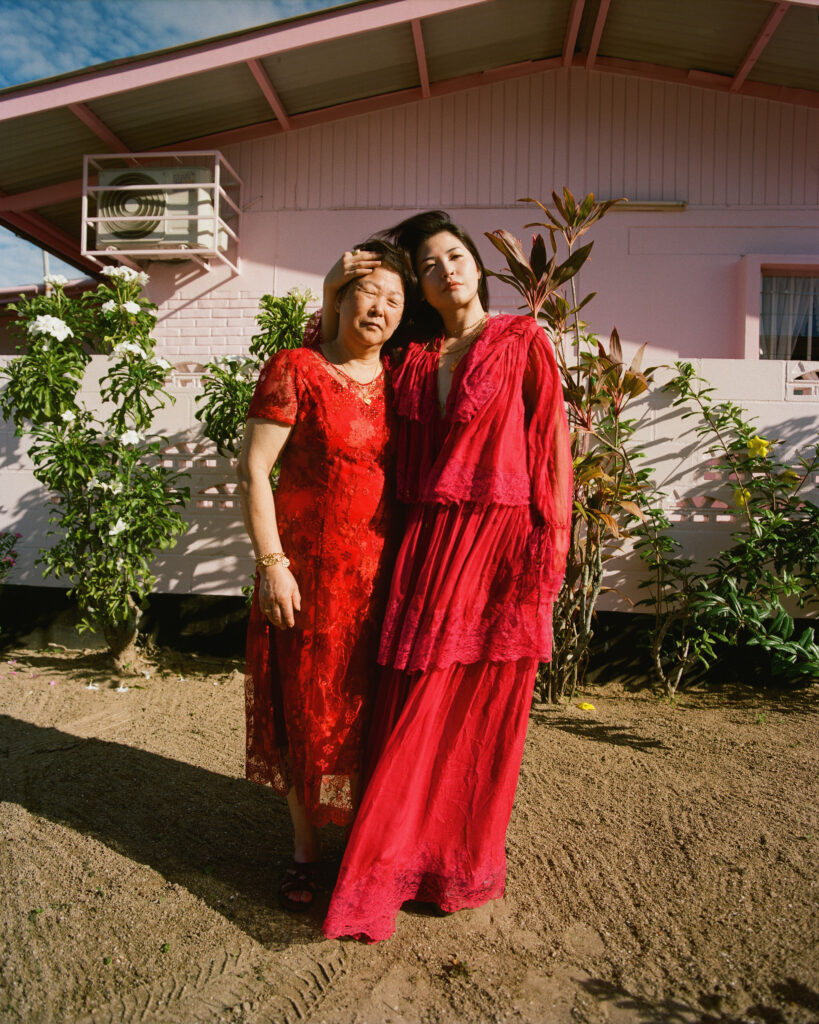
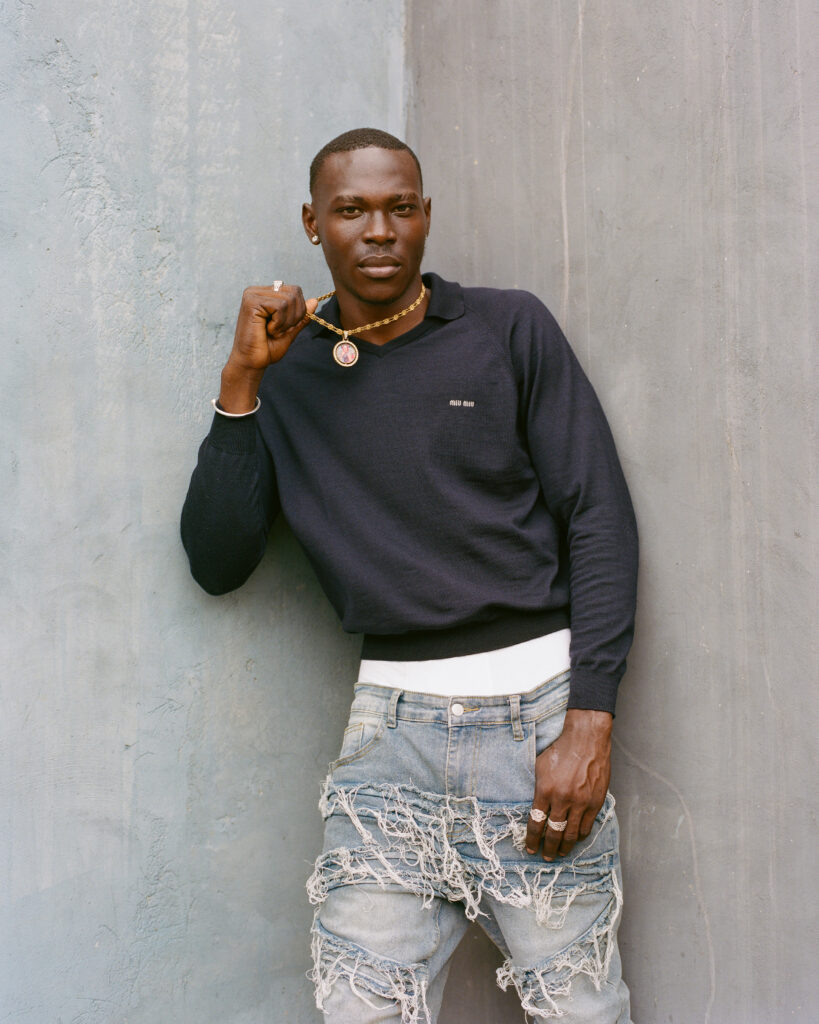
Right: Moony wears wears necklaces and dress CHLOÉ
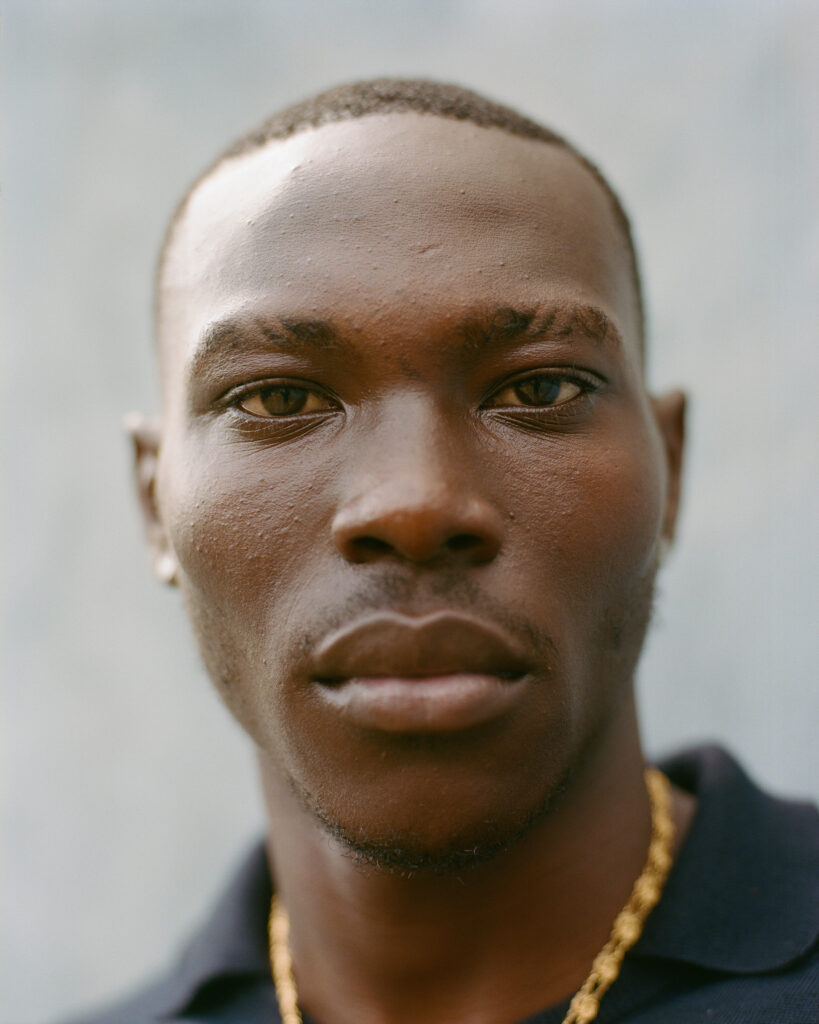
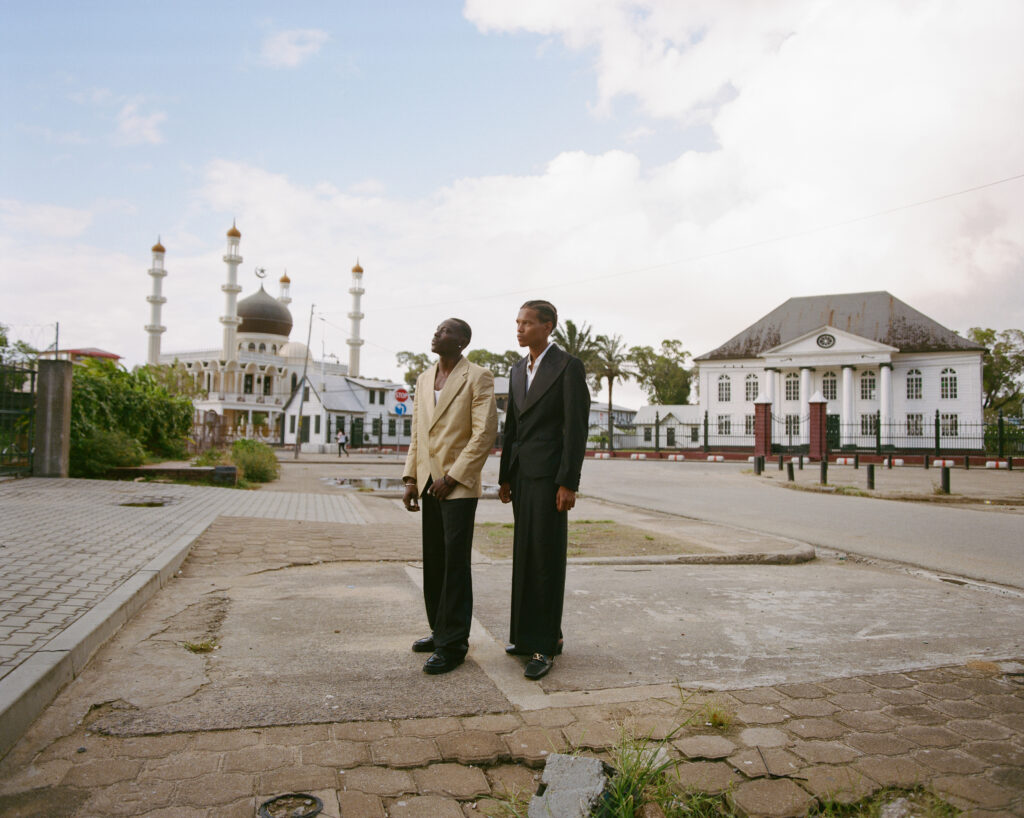
Right: Petje wears jacket, blouse, trousers CELINE, loafers VALENTINO
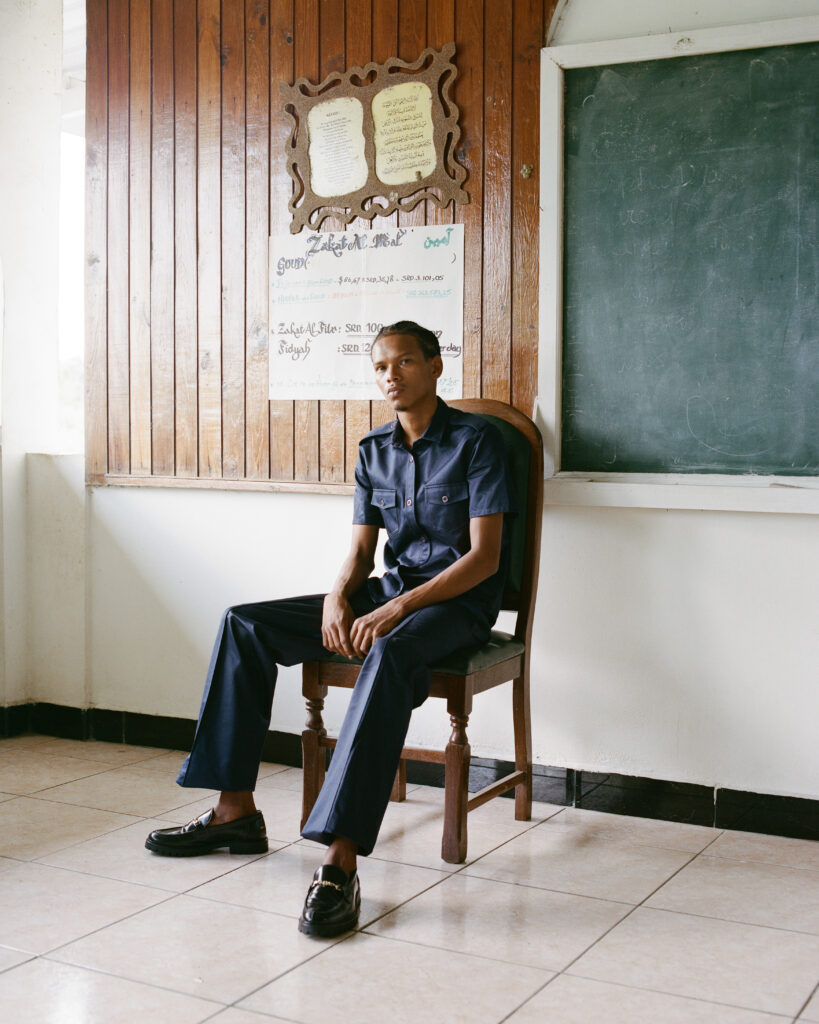
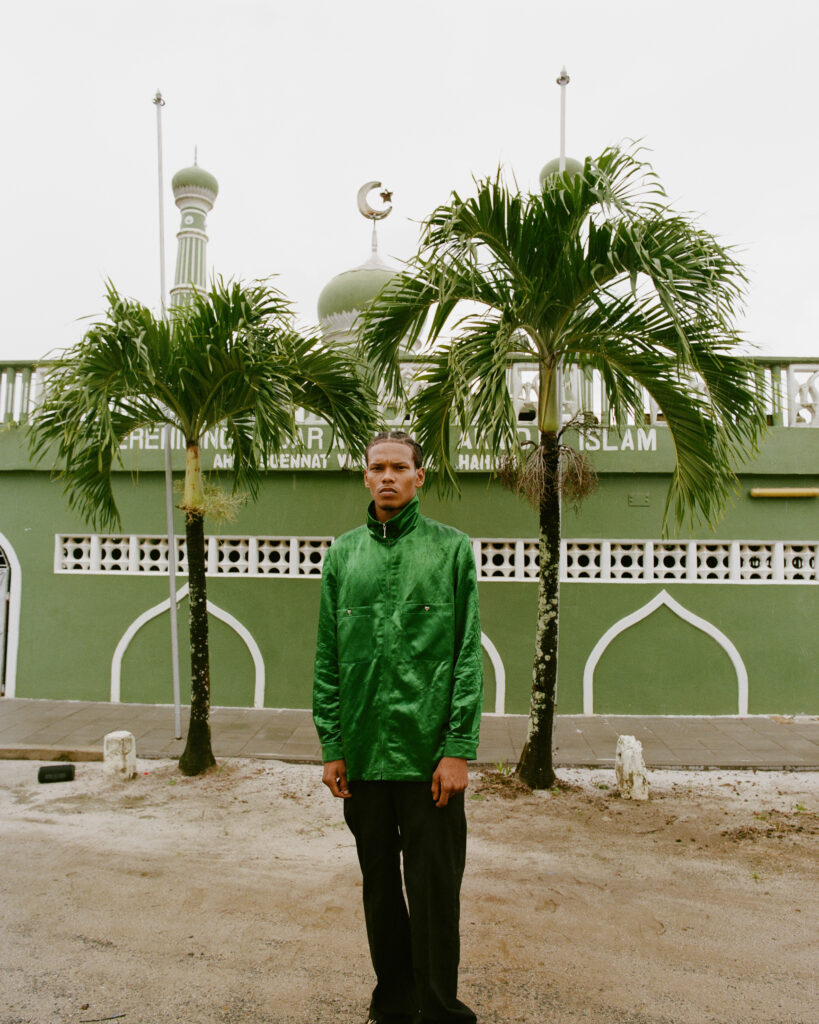
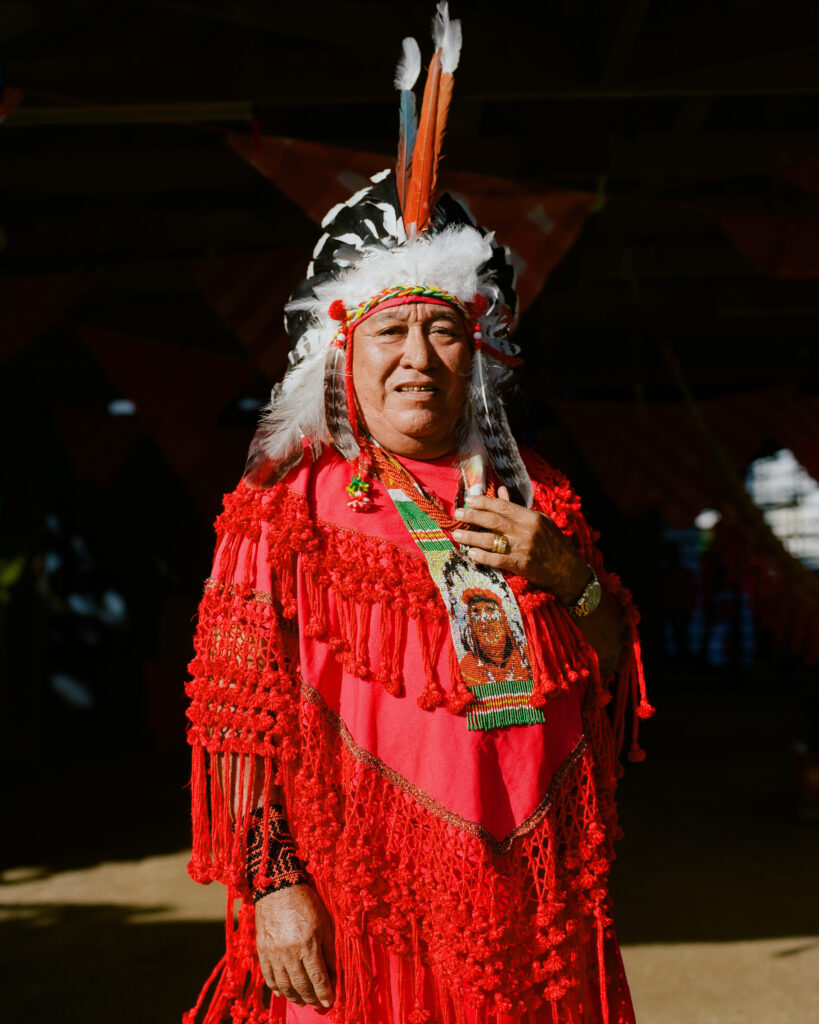
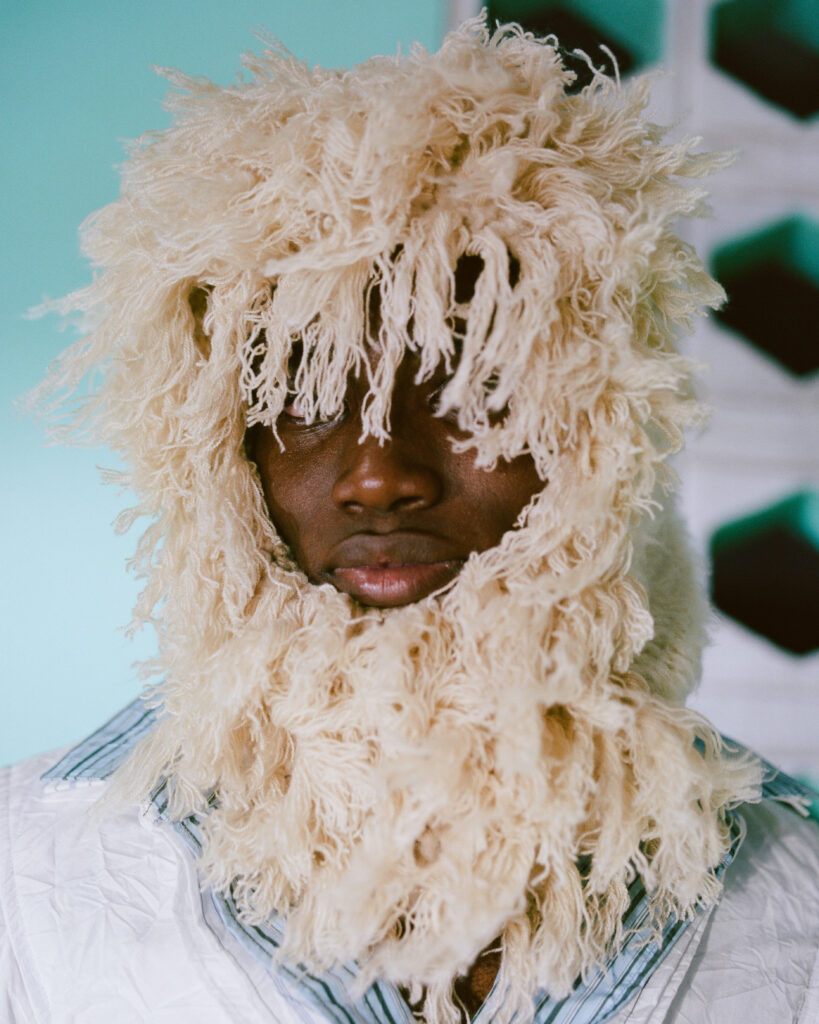
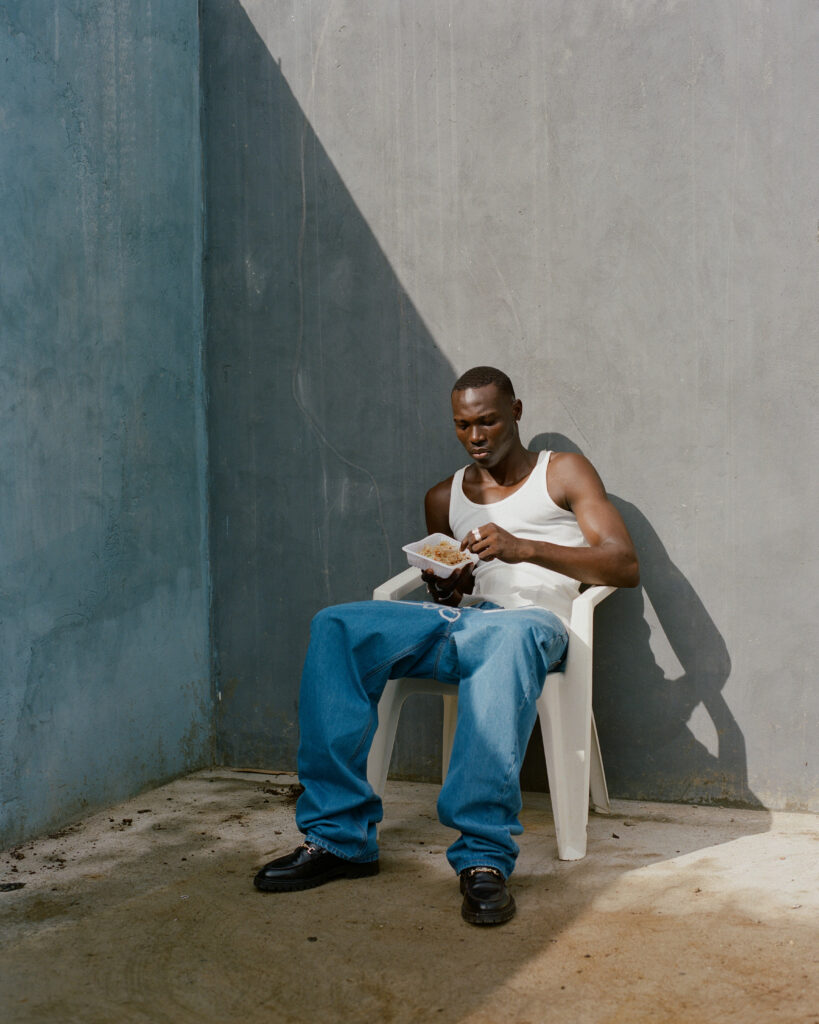
I was a small boy when I was first told about my father’s country. Much like the relationship I had with him, the origin story of my lineage is complicated; beginning somewhere in West Africa, it traversed the Caribbean and South America before ending in the Netherlands. There are many people like my father in the Netherlands and, simultaneously, many like me—the unclaimed, the undesignated, the in-betweeners. In food, music, and sports, Suriname was everywhere. And yet, the country itself remained something of a distant fantasy to me.
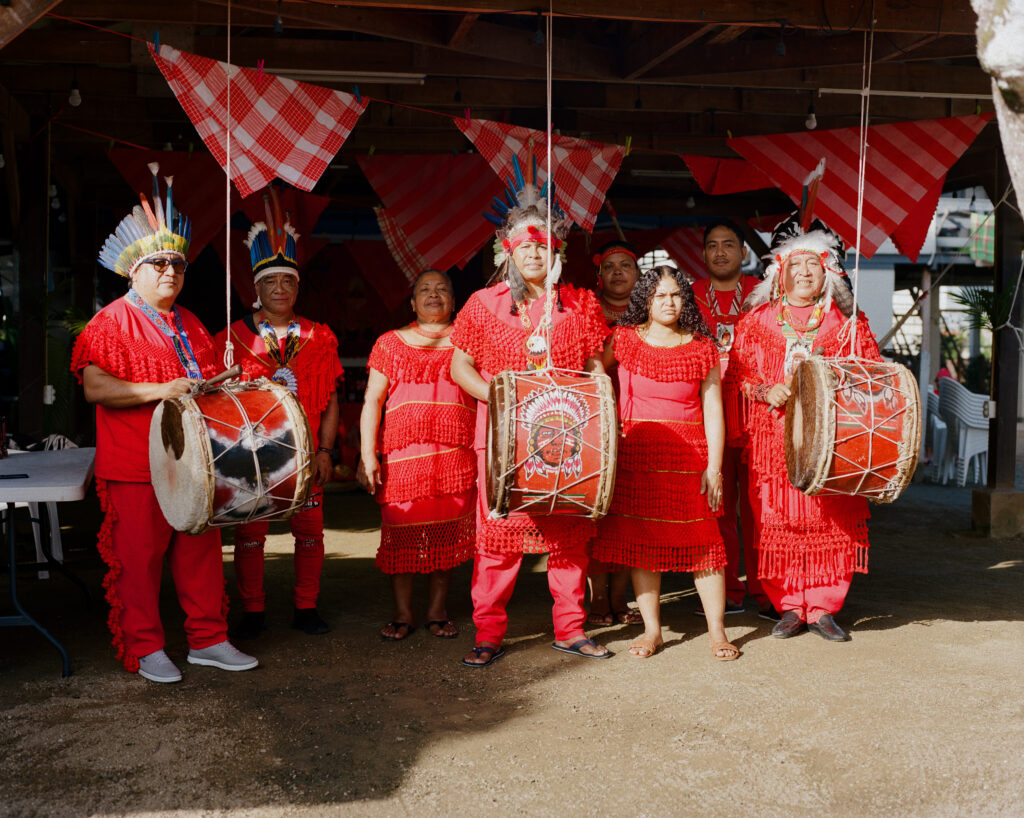
And how could it not be? In every way, describing Suriname feels like describing a fantasy. It’s blessed with a broad diversity of natural resources, fertile soil, gold, bauxite, oil and gas, copious amounts of space, and still roughly 37 million acres of tropical rainforest covering more than 90% of its land. One of the most ethnically and culturally diverse countries, its population consists of people of African descent (Creole and Maroon) with a strong Indigenous population and a white minority of European descent. Since the Dutch formally abolished slavery in 1863, plantations were manned by replacement labourers from India, China, and Java (Indonesia), culminating in a melting pot of ethnicities, origins, beliefs, and stories.
The historic centre of Paramaribo, the capital, is listed on UNESCO’s World Heritage List. Just outside of it, you’ll find a synagogue and mosque sharing a parking lot. On paper, Suriname is a utopia; a multicultural society living on a goldmine, surrounded by jungle. Biodiversity and cultural diversity, all in one place. All the potential to be a paradise on Earth—potential that’s still waiting to be fulfilled, curtailed by the woes left in the wake of colonialism felt throughout the Caribbean.
Suriname lived in my imagination more than in my memory: a distant image of who my ancestors might have been, a world my father seemed to open only reluctantly at times. His life was now in the Netherlands, and the Suriname he knew gradually became a dot in his rearview mirror. He was not alone in that sentiment, either. In 1975, after the Dutch deemed Suriname no longer profitable – or having colonies acceptable – the country was somewhat haphazardly left to the Surinamese.
In the five decades since, Suriname has endured significant turmoil: a military coup, economic crises, civil wars, racial tensions, and political corruption have rendered many of those years futile. The 1980s saw a violent political revolution led by military leader Desi Bouterse, a man who would be re-elected as president in 2010 despite being responsible (and convicted) for the horrifying “December murders” in 1982. The independence and subsequent Bouterse-led coup resulted in a mass exodus, especially among the cultural and intellectual elite. Many of these people – people like my father – imagined a future of returning once the dust would settle.
That dust, however, has never settled. For decades, a dream of success meant leaving, with some of Suriname’s brightest minds and most creative spirits building lives an ocean away. But while my father’s generation moved to the Netherlands to find economic and social stability, my generation is more conflicted. Any person of colour in Europe and beyond knows how, for every sense of comfort, there is a hostile counterpart. With the vast majority of the Surinamese diaspora living in the Netherlands (almost 40% of all Surinamese live there), many Surinamese people are confronted with the harsh reality of living in a white-dominated world, which rekindles a pull towards the homeland. “You’re never fully Dutch in the Netherlands,” says writer and art historian Gauri Malhoe, who moved to Suriname in 2025. “Growing up in a fully Surinamese household, I can feel a sense of belonging in Suriname that I don’t always feel in the Netherlands.”
With a heightened racial awareness, especially since 2020, more and more young people of diasporic descent are seeking a deeper connection to their ancestral homelands. In 2019, former president Nana Akufo-Addo of Ghana declared 2019 the “Year of Return”, inviting the global diaspora to visit, invest in, and potentially settle in Ghana (the initiative is still running under the name ‘Beyond the Return’). For the Surinamese diaspora, this sentiment has coincided with the emergence of Surinamese designers and artists, increased awareness of our shared histories through institutional projects, a newfound interest in Surinamese culture and art, and formal apologies from the Dutch government and royal family for their roles in slavery.
Caribbean perspectives are increasingly visible in public debates, museums, and education, with a new Black-Atlantic consciousness gaining traction worldwide. With the 50th anniversary of the nation’s independence, Suriname has become somewhat of a cultural hype. A place to associate with your brand. A pretty picture to broadcast to your audience. An exotic flavour that is still familiar enough to appeal to a broad audience. Malhoe, who has worked with several art institutions in the Netherlands, sees the heightened attention as a double-edged sword: “There is so much happening about Suriname in the Netherlands, but the people here have no idea about it. Then what value does this hype have for the actual people of Suriname today? The actual people who are in need of this support.”
As Malhoe describes, this heightened attention to cultures outside western hegemony raises questions of accountability and duty among diasporas. For people like me, there’s always a danger of flattening our ancestral homelands into romantic pastiches, fuelled by aesthetic exoticism and nostalgic Instagram accounts. Add to that the rigid Western systems, overpriced living, livestreamed genocides, and illegal police raids mixed with rampant racism and far-right governments, and a “slow-paced” lifestyle in sunny Suriname is suddenly as much a refuge as it is a return home. Yet, the rejections that diasporic people experience in the global north cannot fuel a misplaced sense of belonging elsewhere, however strongly we might feel that our history books or family trees give us a free pass to lay claim to those lands.
Dutch-Jamaican scholar Tamarah Kerr de Haan delves deeper into this ongoing push-and-pull between the site of descent and the site of dwelling—her research on cultural geography, decoloniality, and belonging highlights these tensions. “The dominance of the presence of diasporic culture either strengthens or weakens a sense of longing,” she says. “Within that lies a tension between diasporic imaginaries of return and the material, economic, and political realities of contemporary Caribbean societies. In some cases, second-generation (and beyond) Caribbean diasporic subjects may romanticise elements of ‘island’ or ‘tropical’ living and a communal or ‘slower’ life without fully engaging with the structural inequalities and everyday precarity that shape many local lives. In Suriname, this dynamic is also visible as narratives of return, be it temporary or permanent, are often mediated by class, mobility, and access to transnational resources.”
These abstract tensions take on a more personal form in the experience of photographer and filmmaker Fidelio Faustino Ferrier, who moved from Amsterdam to Paramaribo in 2020. Contrary to my experience, the Surinamese-born Ferrier grew up in a very Surinamese household, with two Surinamese-born parents who instilled in him a strong sense of identity, regardless of his white European surroundings. “Suriname is my home, period. It is where most of my family lives, where my roots are, and where I feel accepted the way I am,” he reflects. “I got tired of code-switching and adapting to the white capitalist system in Europe. I don’t feel that tension here. As a Creole-Indigenous Surinamese, this is where I belong.”
Both Malhoe and Ferrier touch on the shared message reverberating across global diasporas, in which being translatable to the Western gaze is no longer a priority. “The longer I’m here, the less I involve the West or Europe in my stories,” Ferrier explains. “I’m engaging more with the surroundings here. The common grounds we have with countries like Trinidad, the Guyanas, and Saint Vincent and the Grenadines. We’re all rejecting the European narratives that have ruined our cultures and landscapes for centuries.”
This rejection of Western narratives takes on deeper meaning when set against Suriname’s colonial history. Once established as a factory rather than a country, Suriname was given to the Dutch by the Brits in exchange for what would become New York City and a symbolic $1 in 1667. Since then, the land and people have been consistently exploited, continuing far beyond the abolition of slavery and independence and even today, with gold, bauxite, gas, oil and wildlife as some of its biggest industries. New oil reserves were found in 2019, promising an era of prosperity for the country and its people. Suddenly, this country with fewer than 700,000 inhabitants has global kerb appeal again. But much like the last time, the country has the world’s eyes on it, and these eyes are seeing Surinamese dollar signs.
A neocolonial exploitation, led by Chinese and American companies, looms darkly over the Surinamese Atlantic coast. Will the profits end up in the pockets of a few people, most of them not rooted in the country, or will they be divided among the people and invested in the nation’s future and preservation of nature? Will it become the paradise it always had the potential to become? Or will the Saramacca River become like the Niger Delta in Nigeria, where fish have to be imported because its rivers are too polluted?
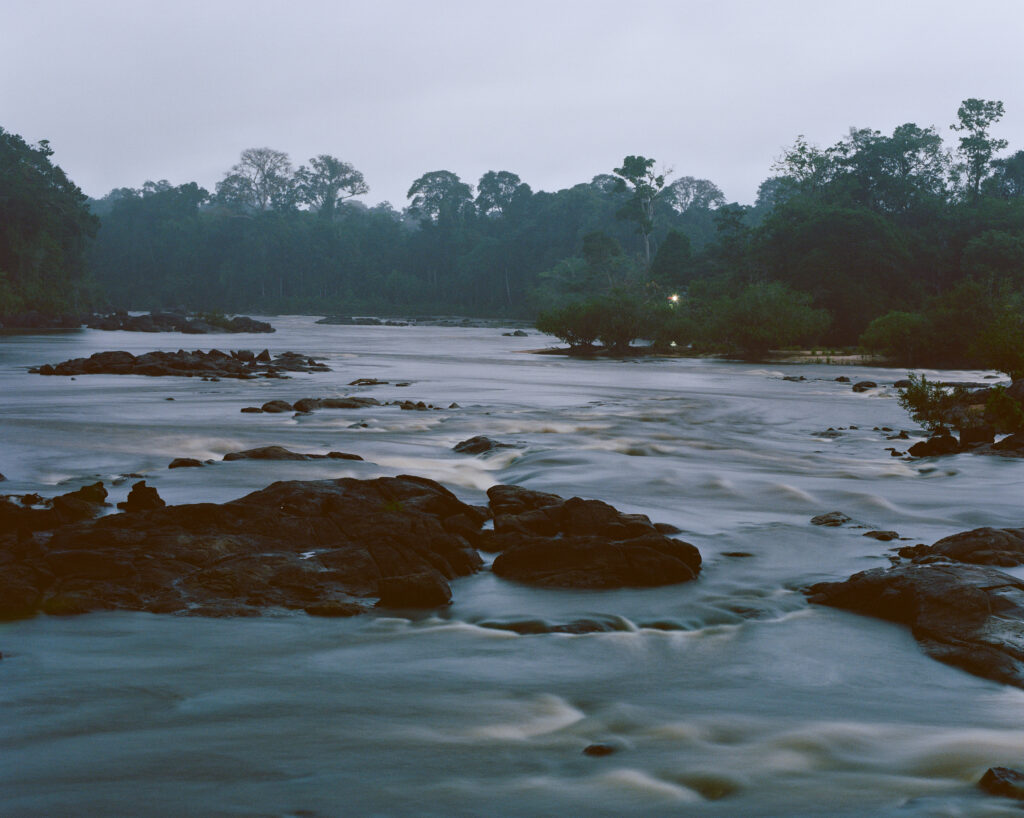
Suriname’s forests – home to jaguars, macaws, monkeys, anacondas, and anteaters – are vast but also vulnerable, as are its people.
As these pressures mount, the question of Suriname’s ownership of land, story, and destiny calls for collective organisation and renewed responsibility, both at home and across the diaspora. Questions of power, accountability, and self-determination keep resurfacing, with many fearing the dangers of being trapped by old hierarchies or outside influence (again). For those of us in the diaspora, this responsibility should not be diminished. If anything, it demands extra work to challenge the internalised, westernised ideas that we grew up with and find new ways to show up for a future we can all belong to. Often, for diasporic identities, the relationship with the ancestral homeland is one of representing and being represented. And while I don’t want to diminish anyone’s identity – nor my own for that matter – we should not forget that to the people for whom this is the current homeland, sans ancestral, there is hardly any representation at all.
“The fact that there is now a Suriname museum shows that people in the Netherlands are more attached to the idea of Suriname than to Suriname itself,” Malhoe adds. “The diaspora needs to do more than just raise awareness. Suriname is a country with its own unique dynamics, culture and economy. I believe that we, as the diaspora, should contribute much more actively to this, rather than simply talking from the Netherlands about what Suriname was or ought to be. It should not be our job to make people in that country aware of Suriname. There are people here and now who need us far more urgently.”
Racism, economic dependence, and cultural tokenism are continuations of colonialism, and they’re not exclusive to white people either. Connecting to your roots can be a romantic endeavour, but let us not forget that in our absence, those roots have grown in different directions. As it pertains to Suriname, the country itself has drifted further and further away from the Netherlands. “Suriname is incomparable to the Netherlands,” says Ferrier. “Whatever education or system you have learnt, you can unlearn it once you’re here. And that’s even true for the Surinamese people in the Netherlands. Suriname is more than just that place you visit in the winter.”
De Haan sees this, too, though with nuance: “Other than countries like Jamaica and Ghana, the diasporic reconnection with Suriname is more about going back and forth,” she explains. “The expat life is only available to a select few who can earn Euros while living in Suriname.” A complete return seems reliant on the development of a knowledge economy that mimics (or mirrors) the West in a similar vein to Ghana, Jamaica, and other countries with larger European diasporas. According to Ferrier, however, this Westernised model is exactly the opposite of what the Surinamese want.
“We are a proud country, but at the same time, we’re happy to be outside of the global spotlight,” he continues. “There are countries that have not taken ownership of their land and culture, resulting in
neocolonial occupations in the shape of resorts and ecological destruction. We don’t want that here. I have many friends across the Caribbean who are centring our region and our way of life. We’re no longer taking part in that rat race. Our wealth is much greater here.”
For decades, colonial rulers served as the proverbial ‘motherland’, a gateway to a better life. Today, that assumption no longer holds. The relationship between Suriname and the Netherlands, between Surinamese people in Suriname and Surinamese people in the Netherlands, needs to be redefined. As a diaspora, we cannot simply embrace Suriname as a marker of identity. It is not merely a country to which we feel we belong; in that case, it must also be a country to which we can contribute. Rediscovering and embracing our roots is a beautiful thing, and many of us have come a long way to take that step. But I believe that we, along with all Surinamese people and children of diasporas worldwide, bear the responsibility to ensure that the roots we unearth do not cause anyone else to fall.
Originally published in Dazed MENA Issue 05 | Order Here
Producer SOPHIE KEMPERMAN, production assistant SJOMAK ADENNI, styling assistants SHIRA SIBELO and LUCAS DIAZ, cast ANGELIQUE SACCO, CARMEN RIEDEWALD ADELY, JOËL WIELINGEN, MOONY YANG, ZHU XIAO YANG, GAURI MALHOE, PATRICK MOESAN, DIËLRIC MACNACK, ROBIN ANOEWARITJA