
 Posted in
Feature,
Posted in
Feature,
Meeting Points: The friendships and diasporic frequencies keeping Paris cool
Text Yasmin Alrabiei
A dome of heat settled over Paris for most of June, wrapping the city in a kind of collective delirium. An unprecedented heatwave meant days stretched way longer than they should have and nights never quite cooled enough to send anyone home. The routes our Dazed MENA x Nike Meeting Point ambassadors traced across the city didn’t exactly follow official itineraries either. The opening of this series suggested that friendship might be one of culture’s most overlooked infrastructures. A week spent following these reunions confirmed it, and then some.
The cigarettes-don’t-count-here maxim (my voice paid the price, realising only on my Eurostar home) is a small symptom of something larger owing to the spontaneity and serendipity of a city that operates on a tacit suspension of the usual accounting. Rules, hierarchies, and professional distances loosen–Fashion Week event became late dinner (because the food wasn’t great at the event) became football at an overcrowded bar became a rooftop became somebody’s kitchen floor at two in the morning because it was the coolest room in the flat.
The cosmopolitan density of the 18th, the creative networks seeded across the banlieues, the peer-to-peer diasporic venue infrastructures like that of Union de la jeunesse internationale doing incredible work- I witnessed all of these produce a social fluidity rarely matched elsewhere. People’s ambitions here tend to be collaborative rather than competitive. The conversations are less about success or how to chase it; rather, they are about each other. For the friendship duos whose worlds we spent the day inside, that distinction had long since ceased to exist anyway. To talk about each other was to talk about their dreams.
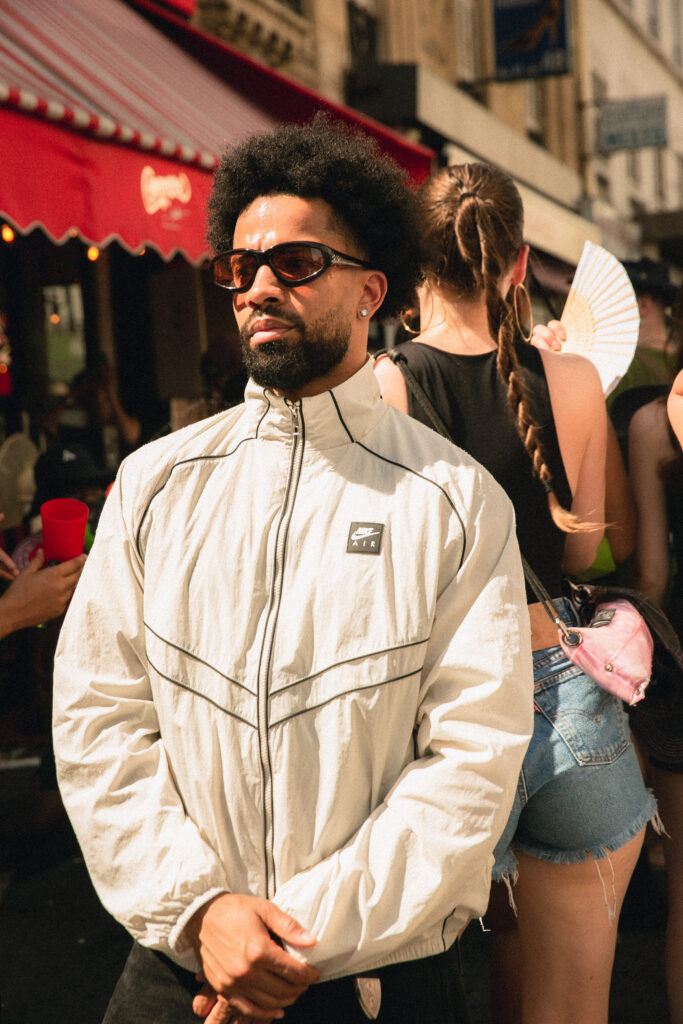
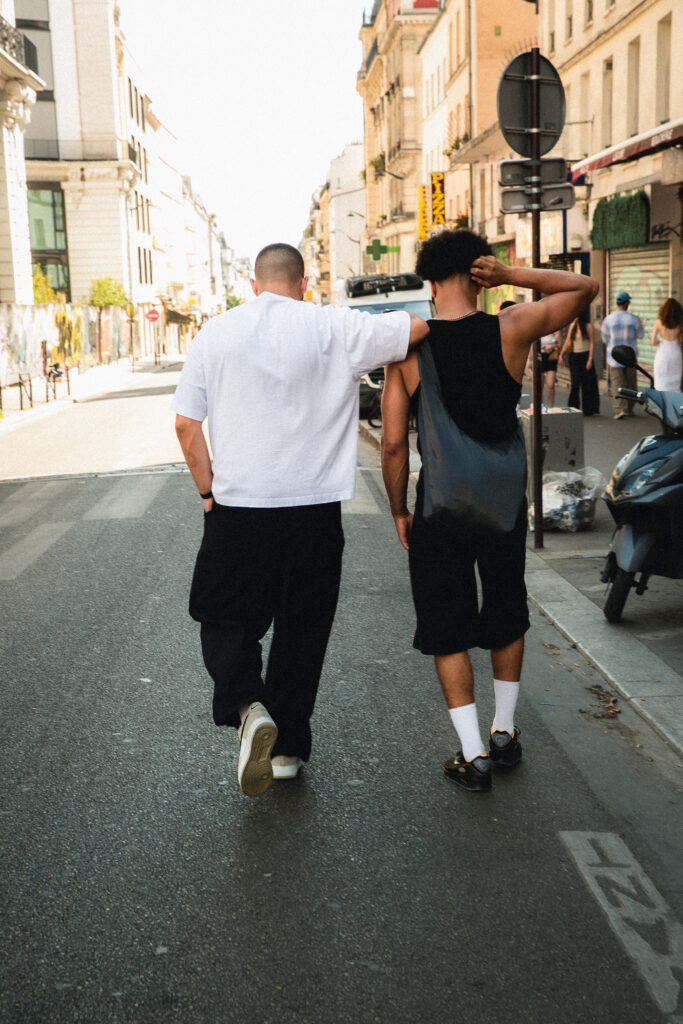
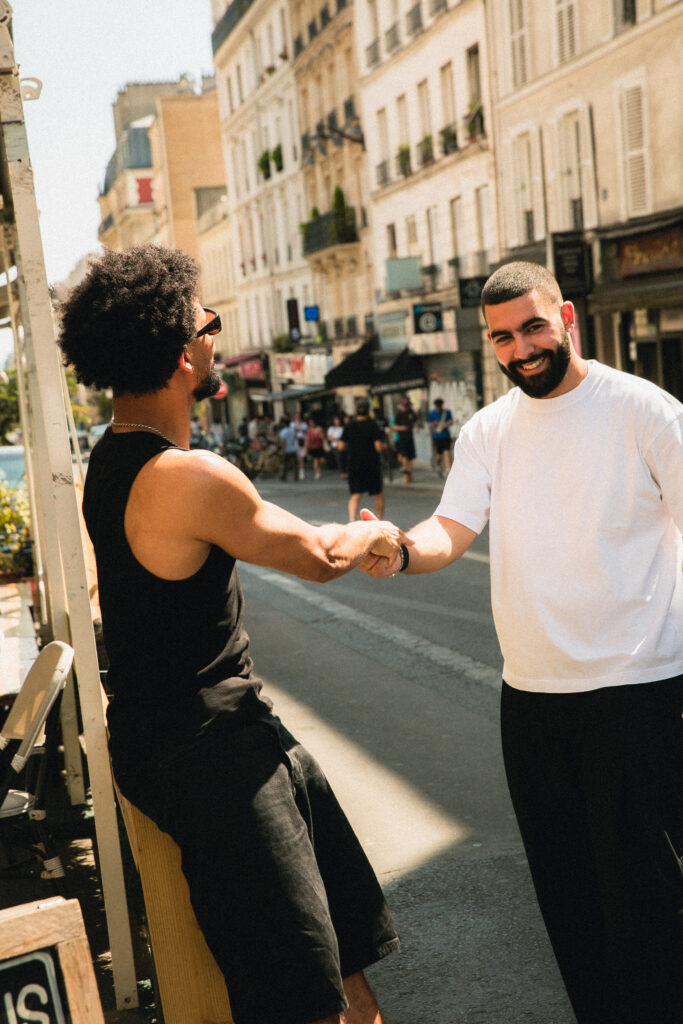
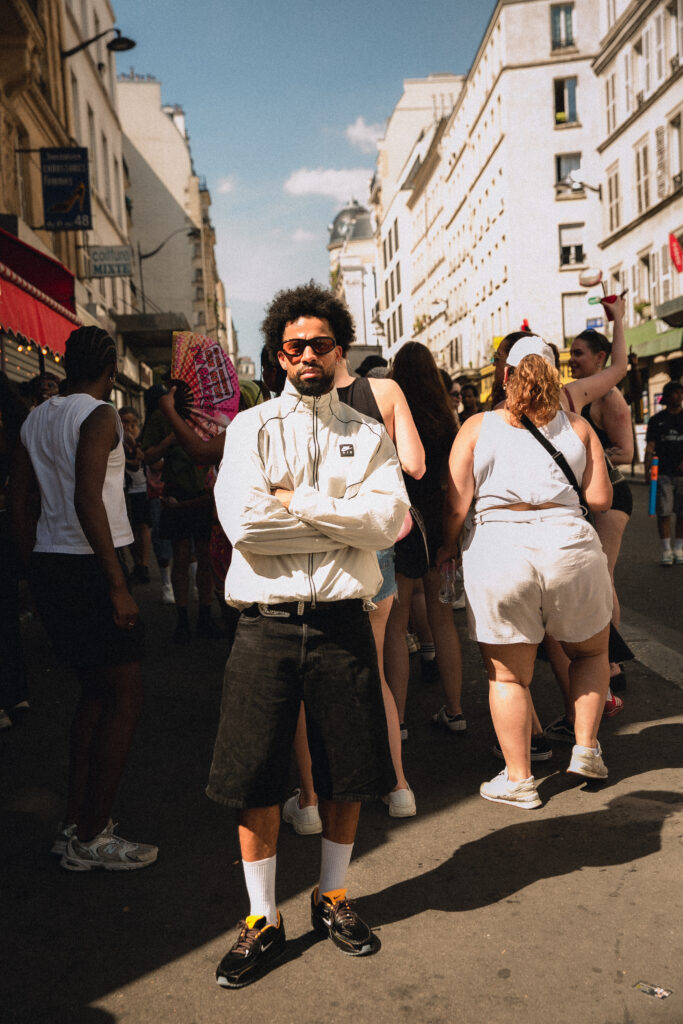
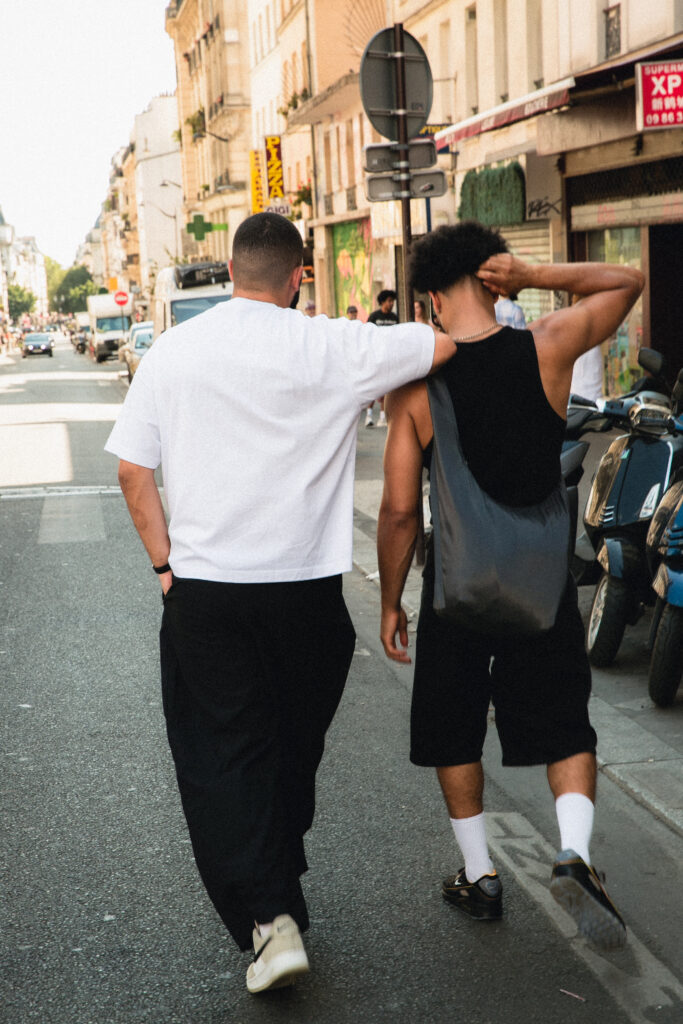

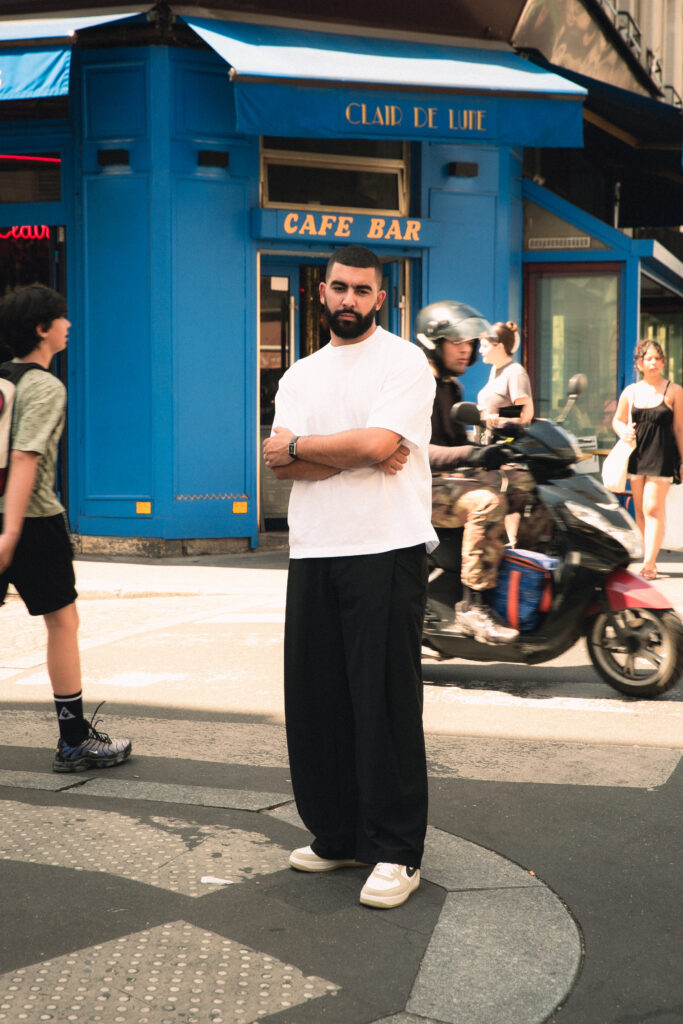
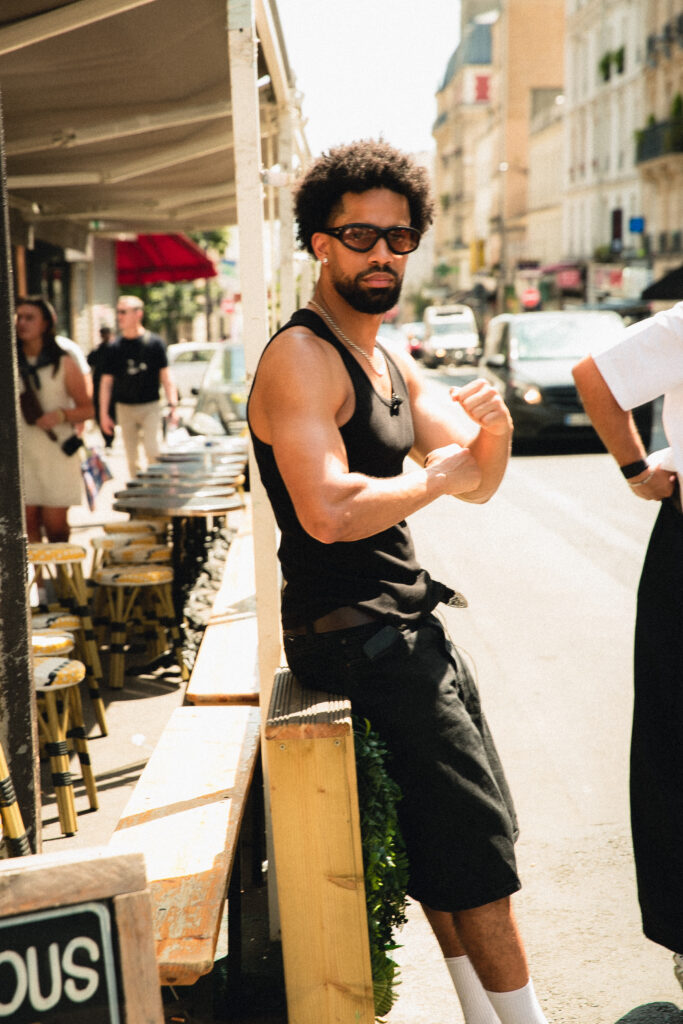
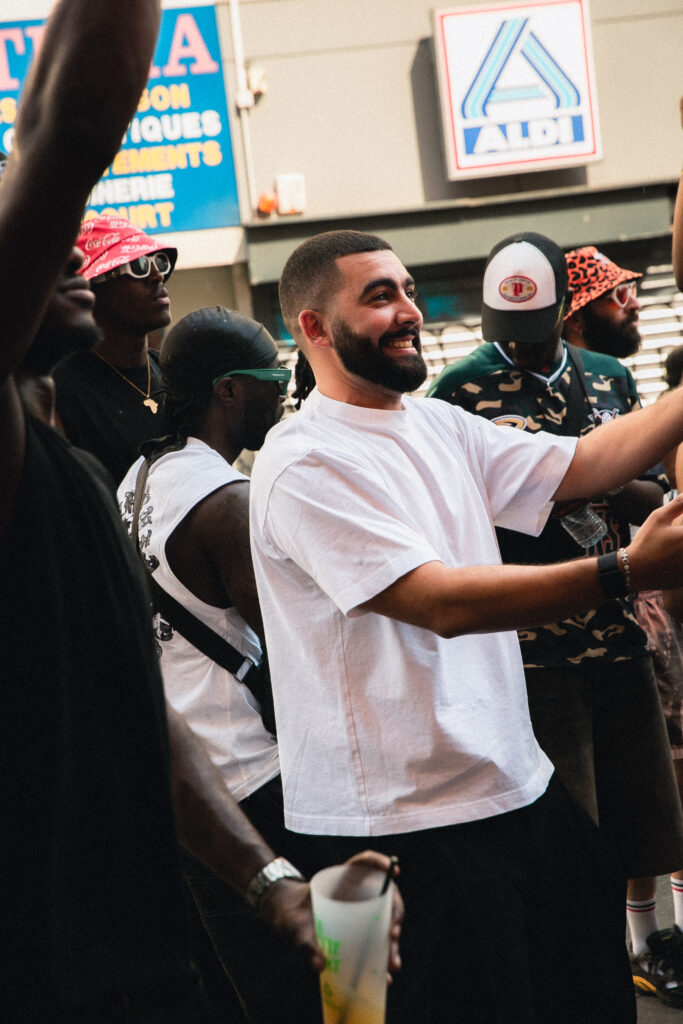
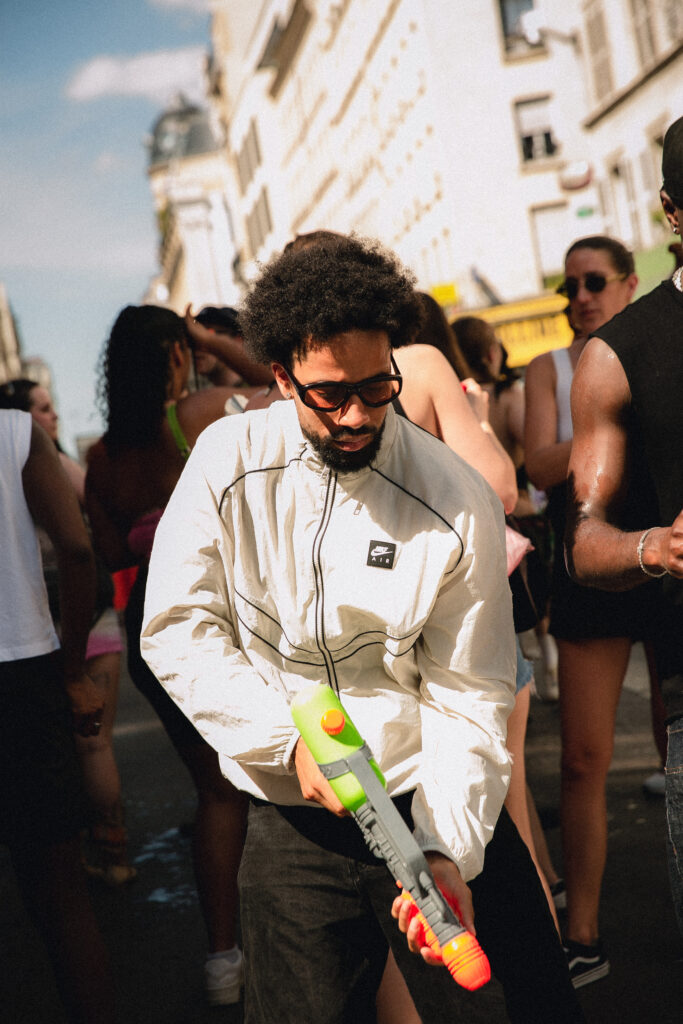
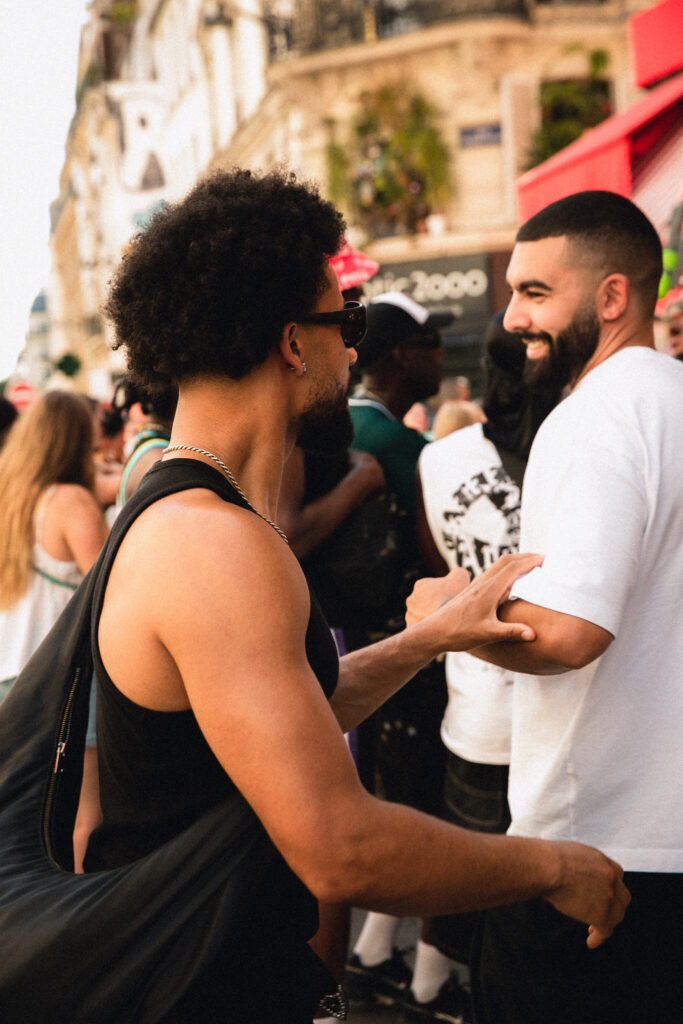
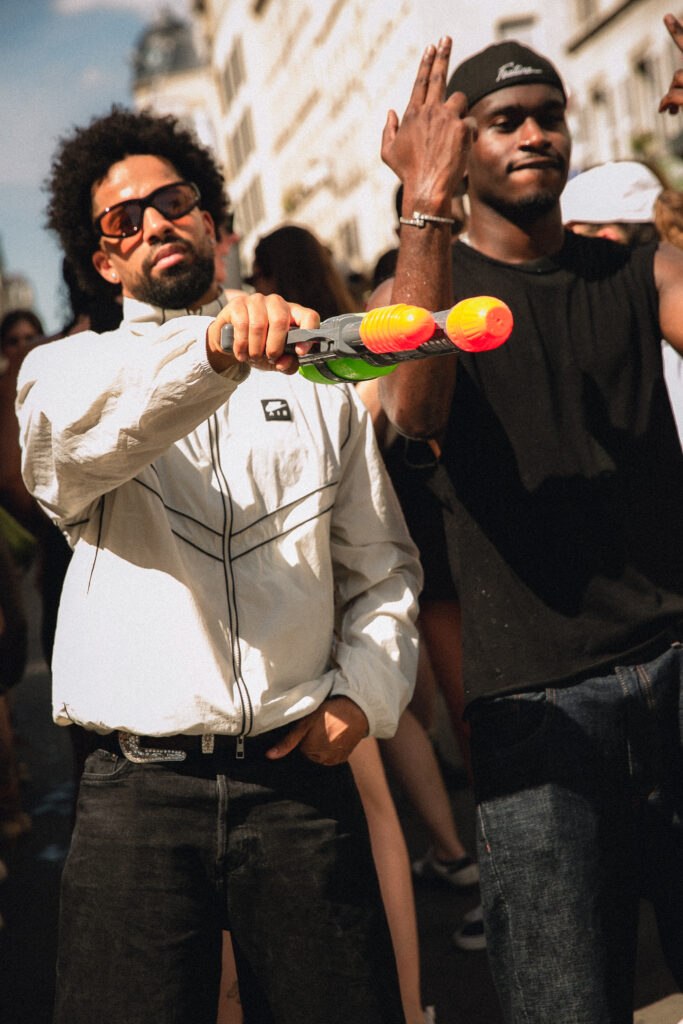
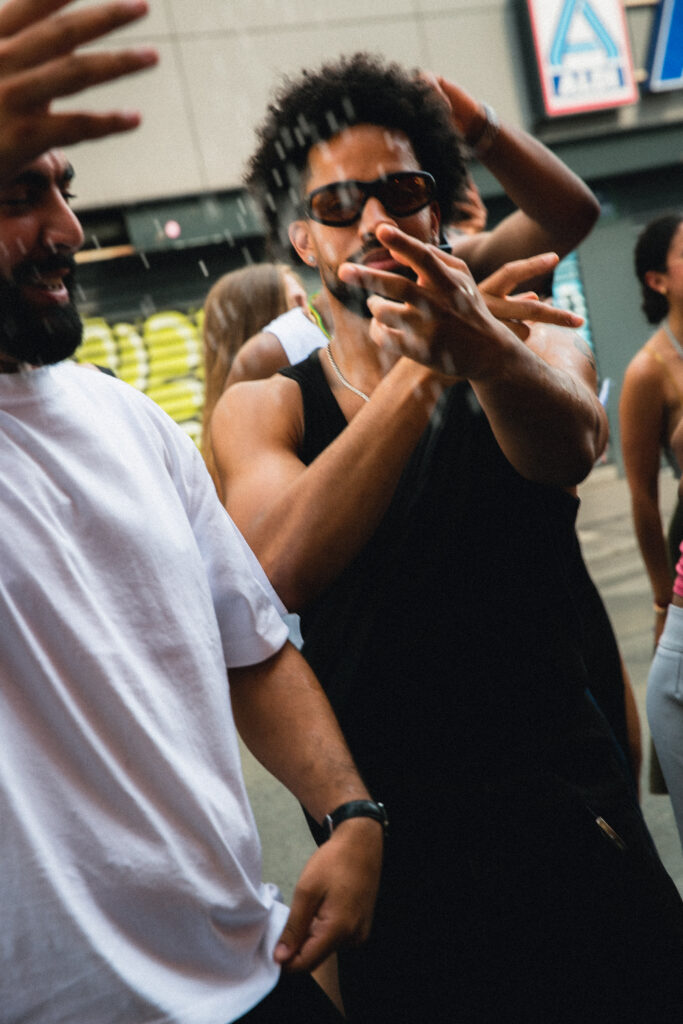
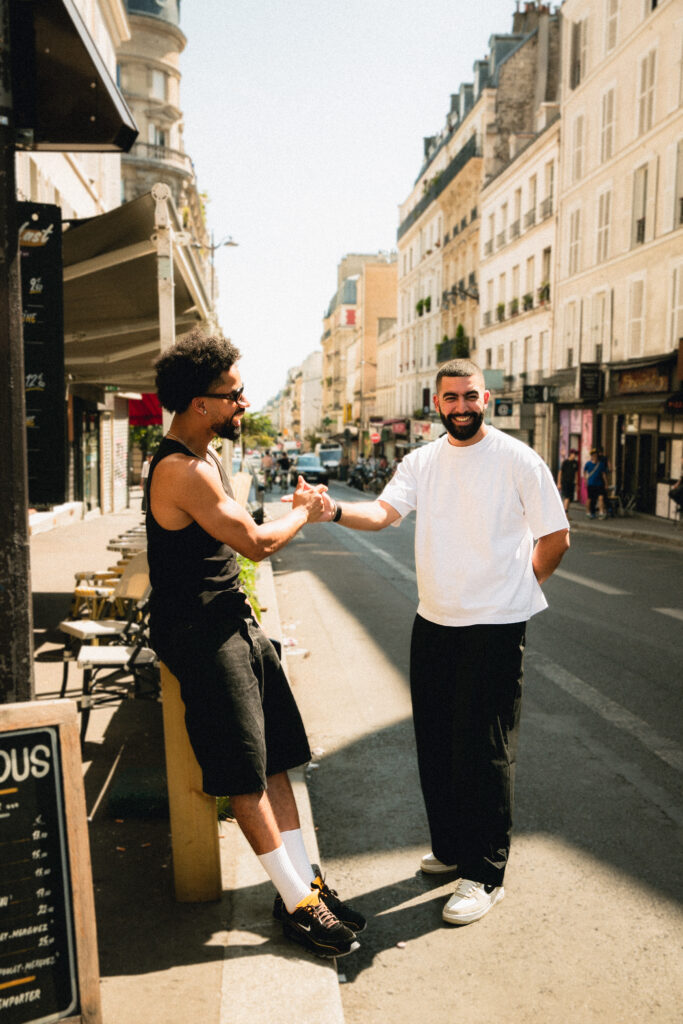
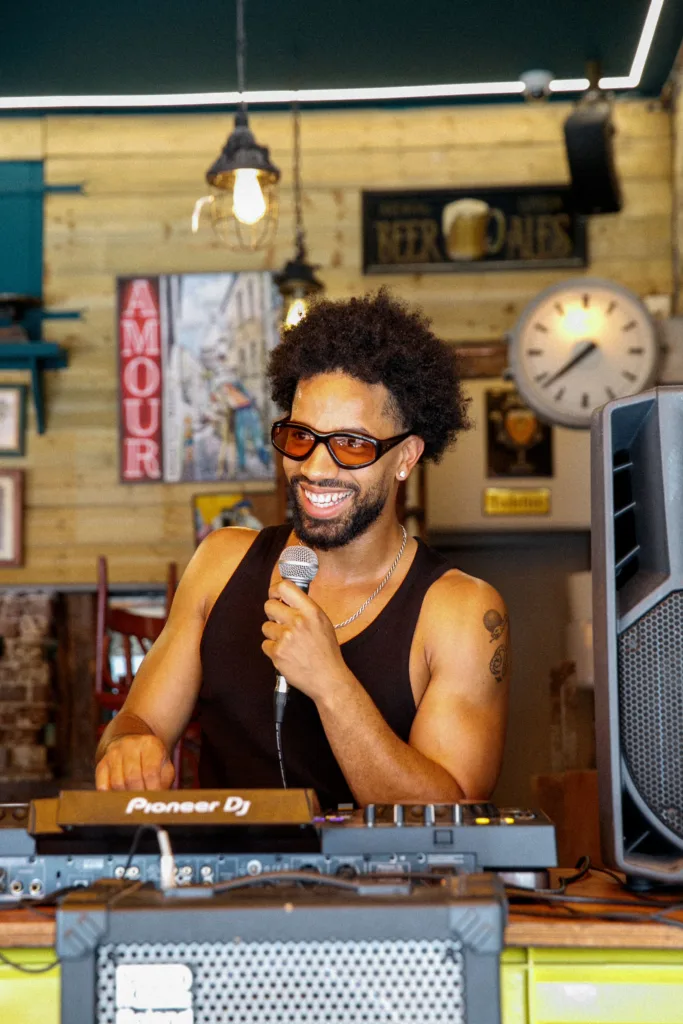
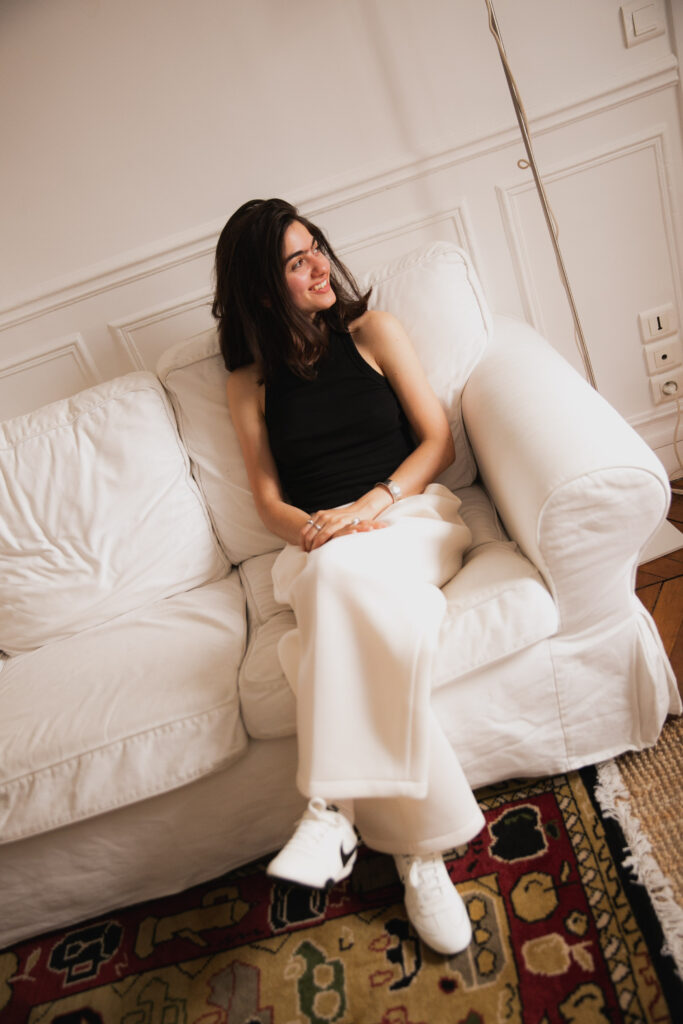
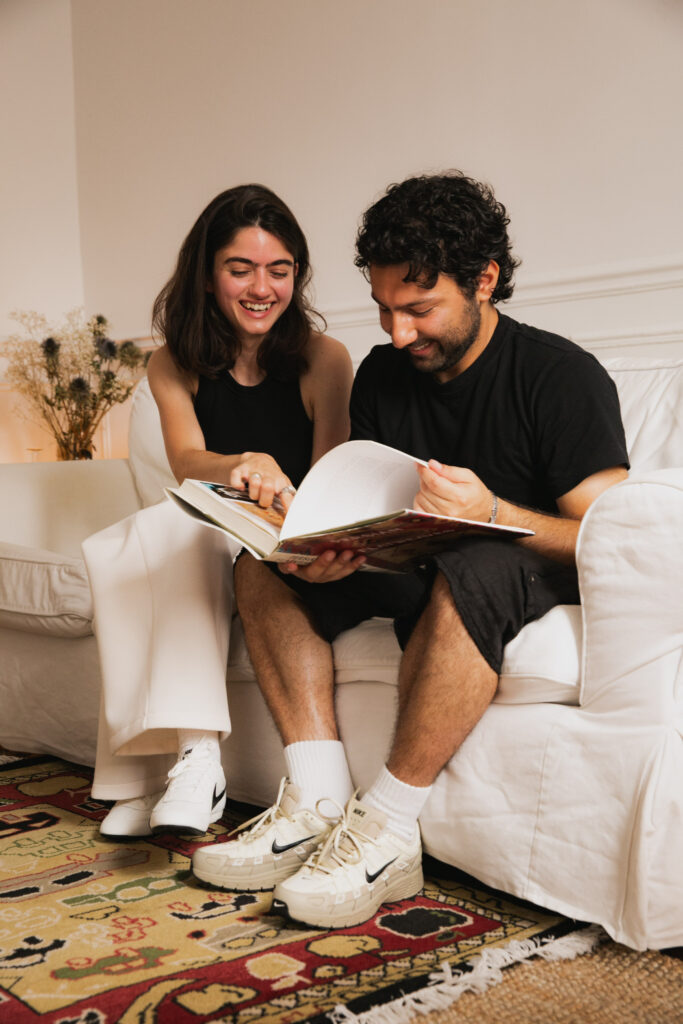
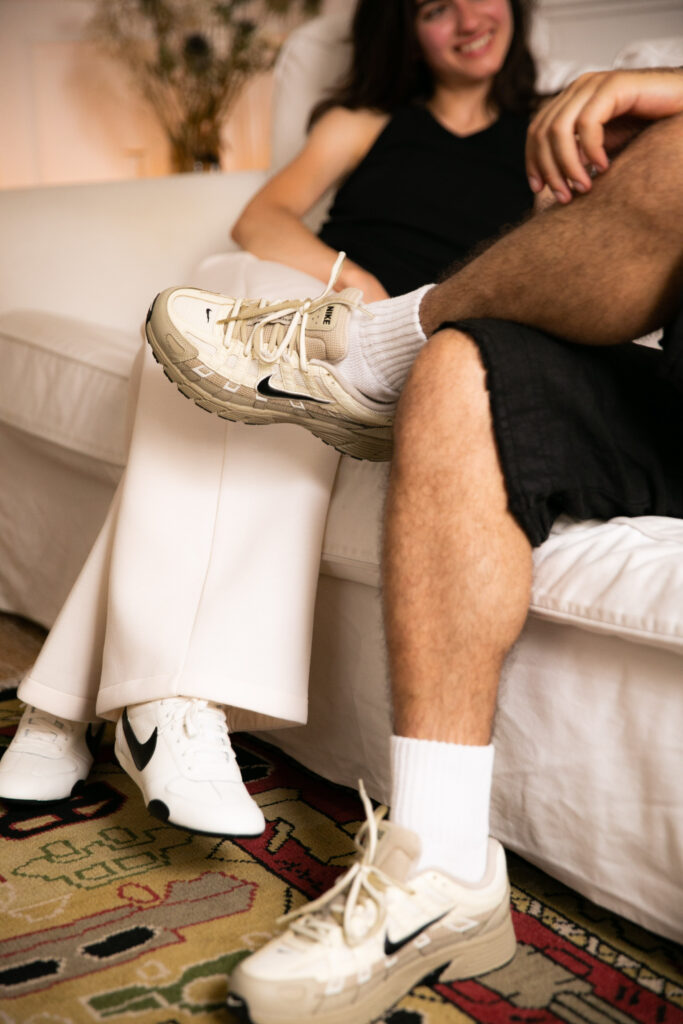
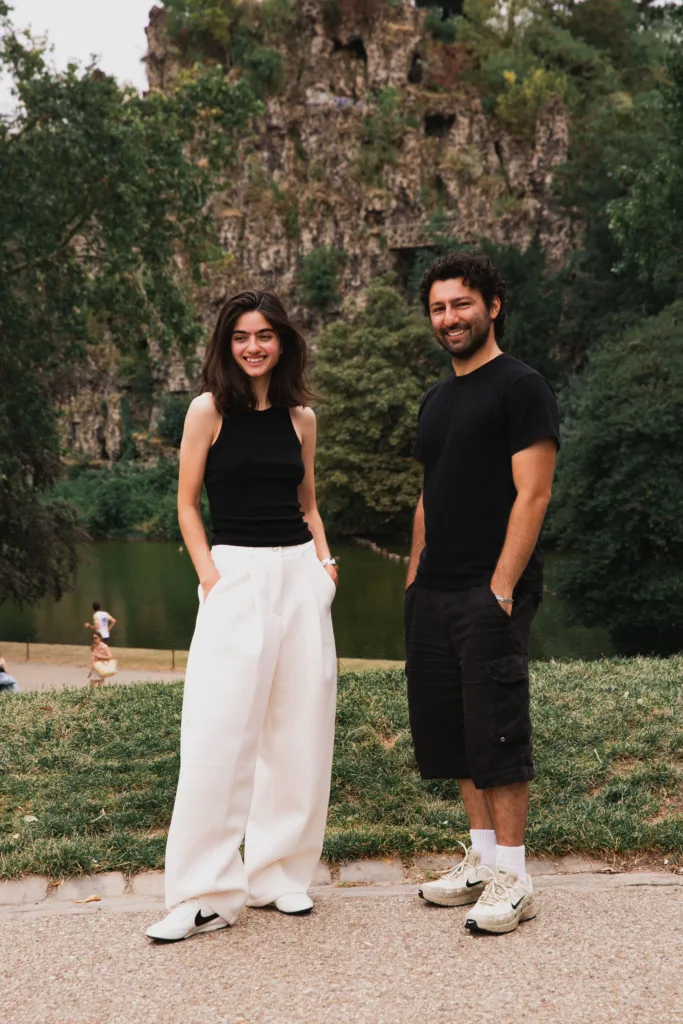
Killason and Moz have been building it since they met. “If I’m where I am today, it’s because of our meeting,” Moz says to his friend. “Being able to count on someone who goes through the same thing as you, this is so important… Thank you for being a shining light in my life bro. And that’s not going to change. We’re family, you’re my brother” They describe themselves as chameleons, suburbanites who came to Paris and learned to move inside it, adapting and experimenting. “As a child of the diaspora, you find yourself thinking: I don’t fit into that mould. But then in the end, you realise you have more strengths than that.” He laughs when he says the last part. “It’s their problem if others don’t understand because we’re not going anywhere. We’re not leaving France, bro.”
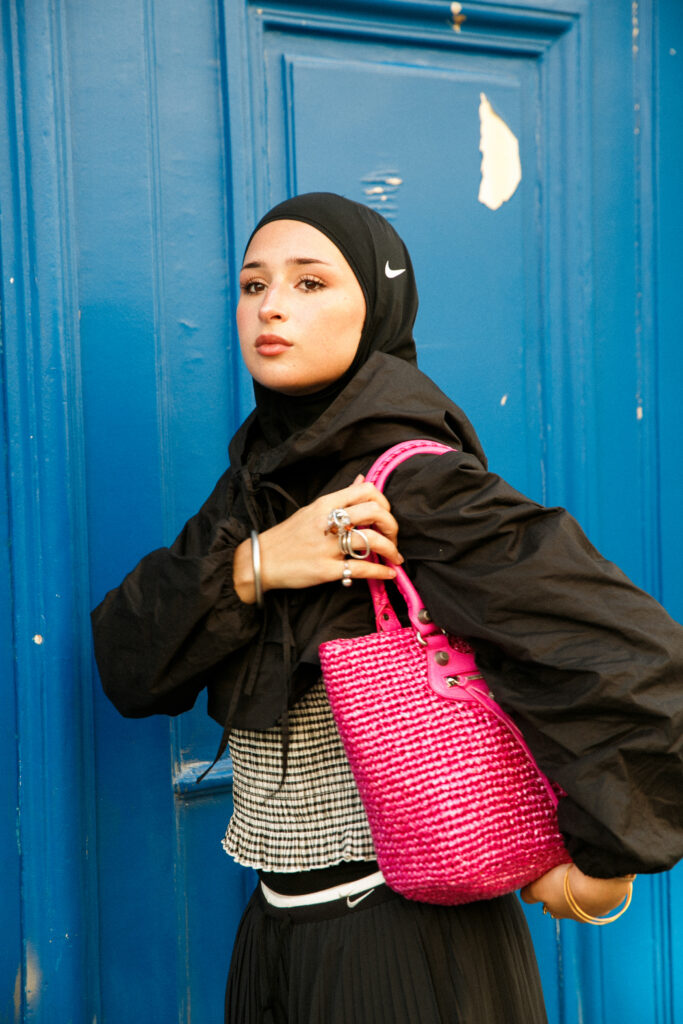
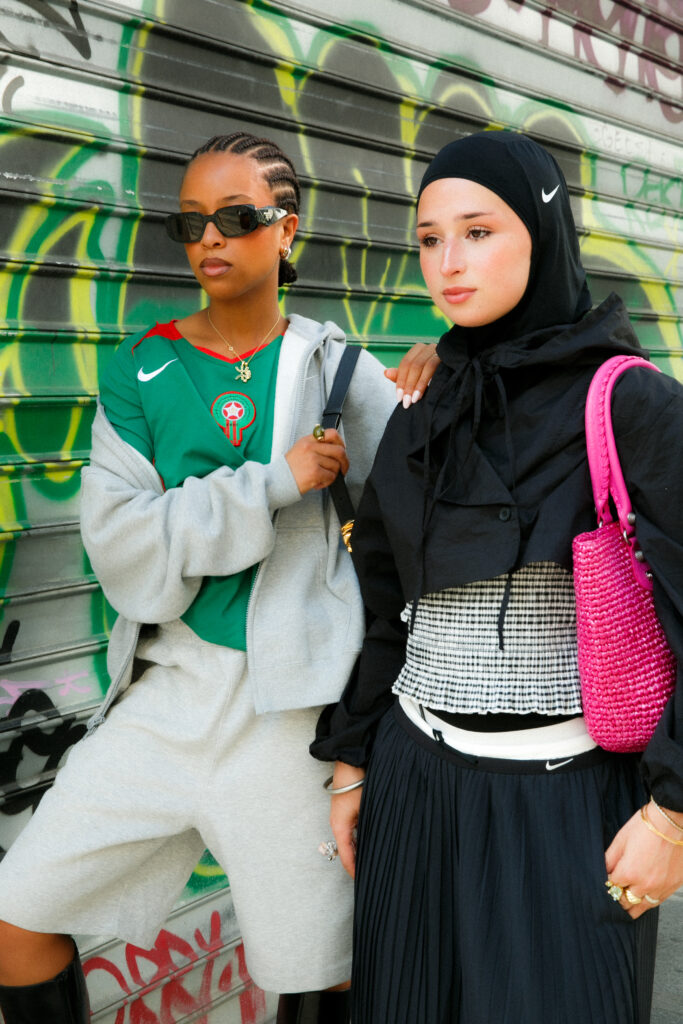
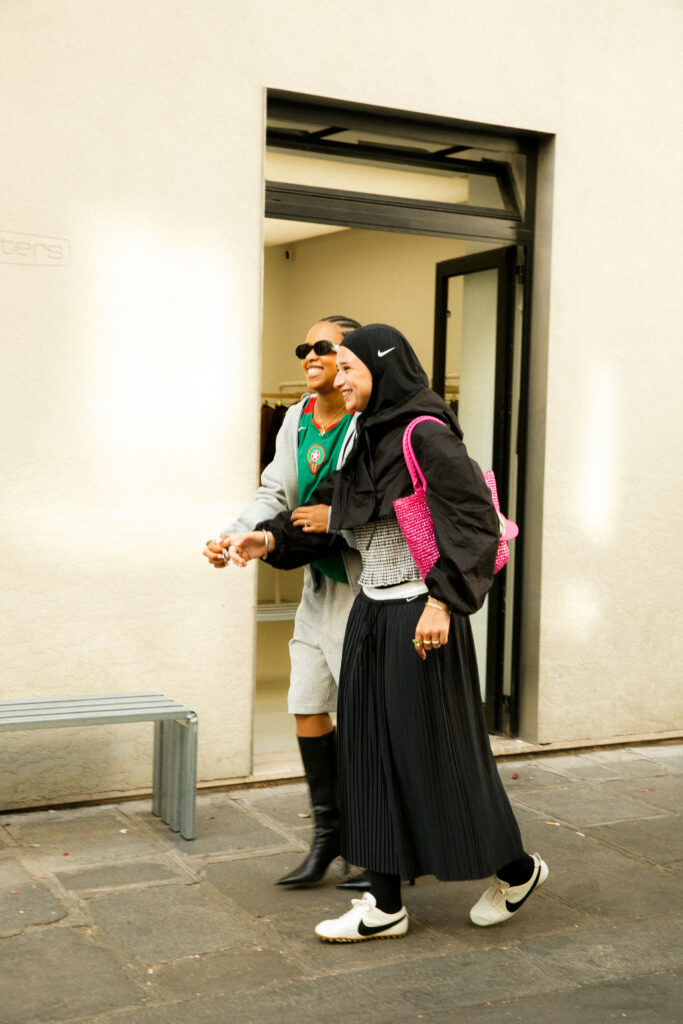
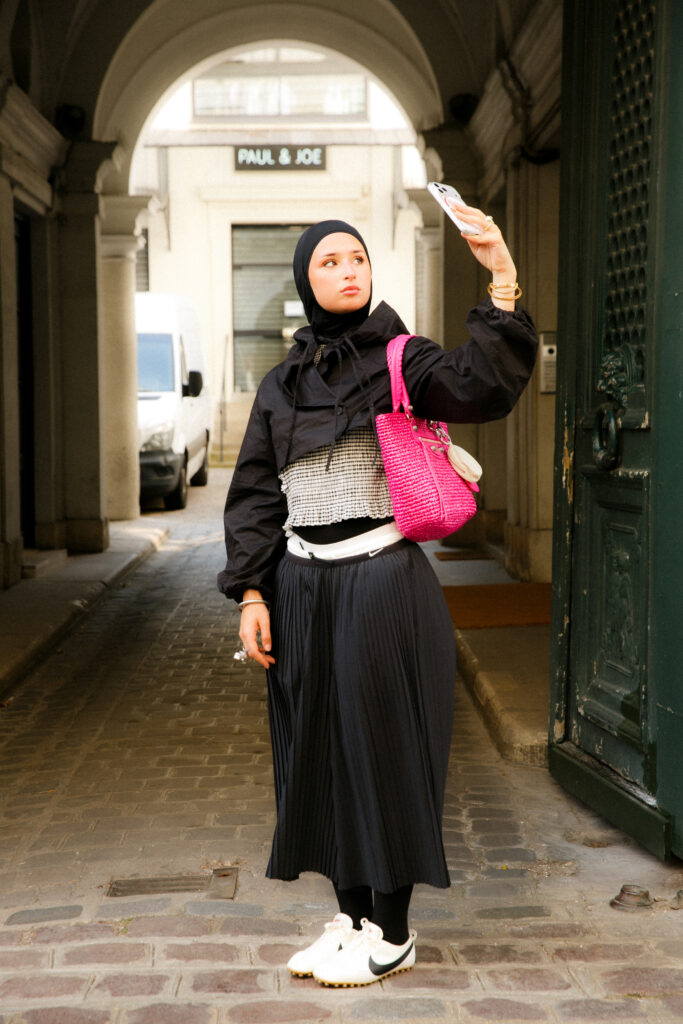
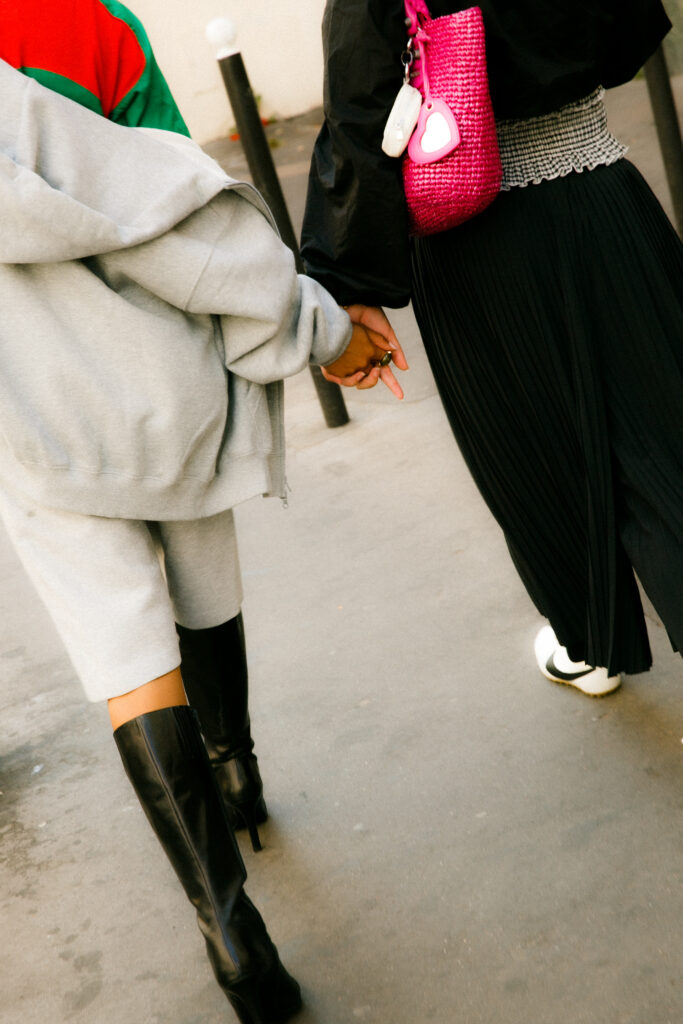
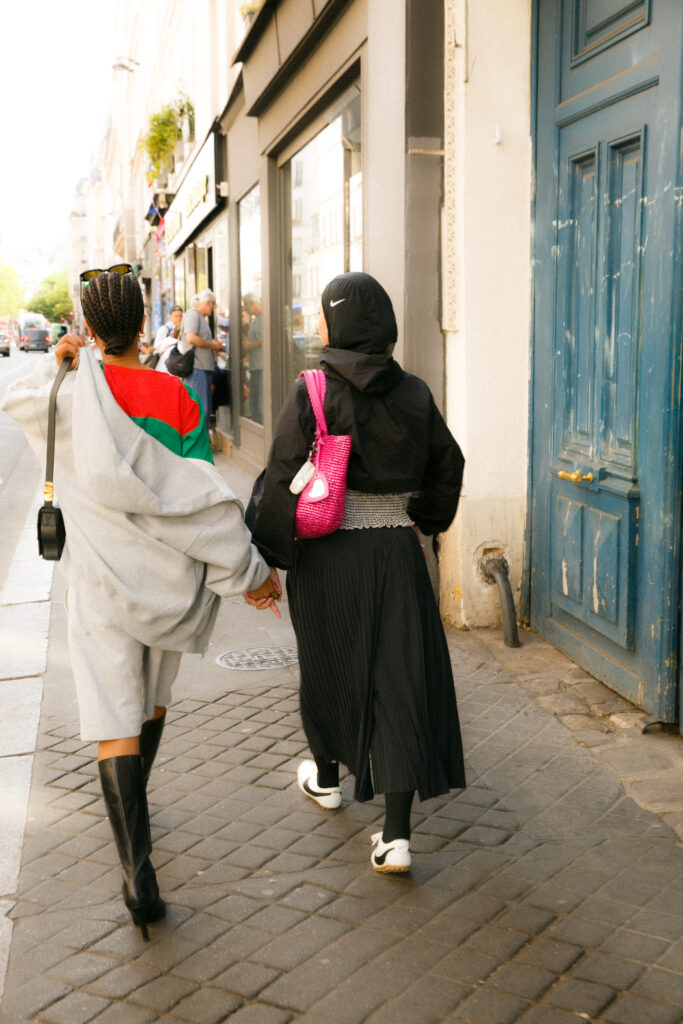
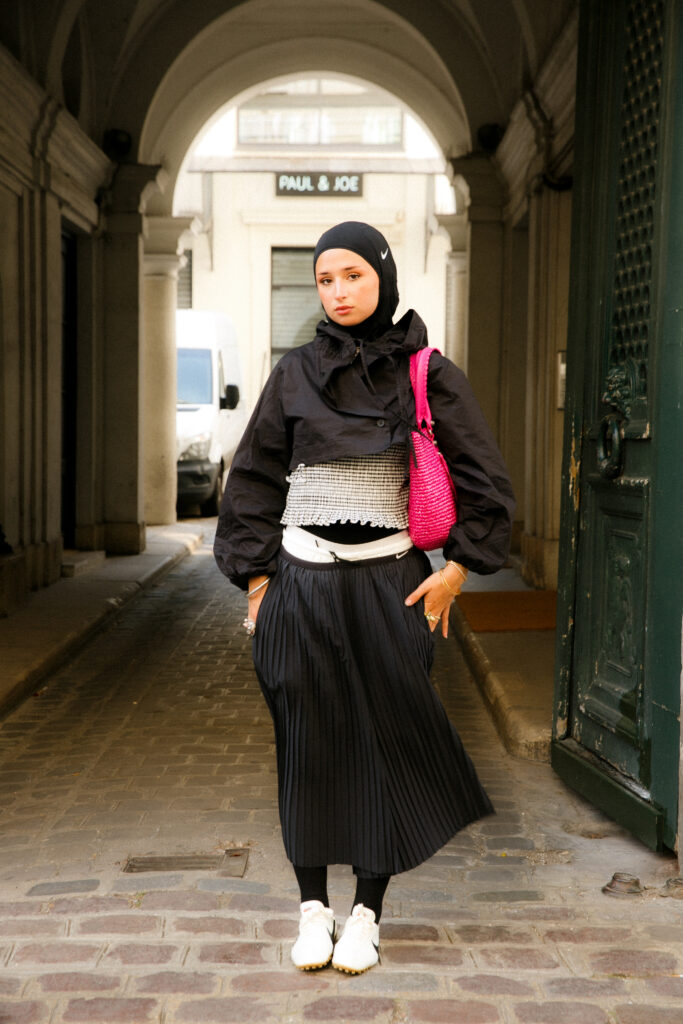
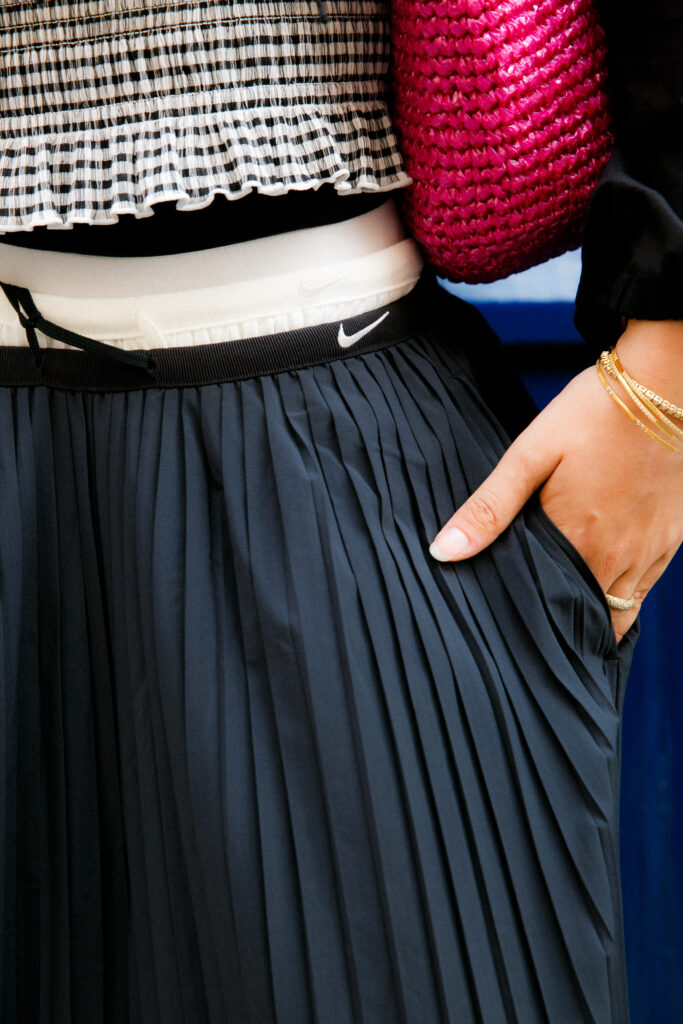
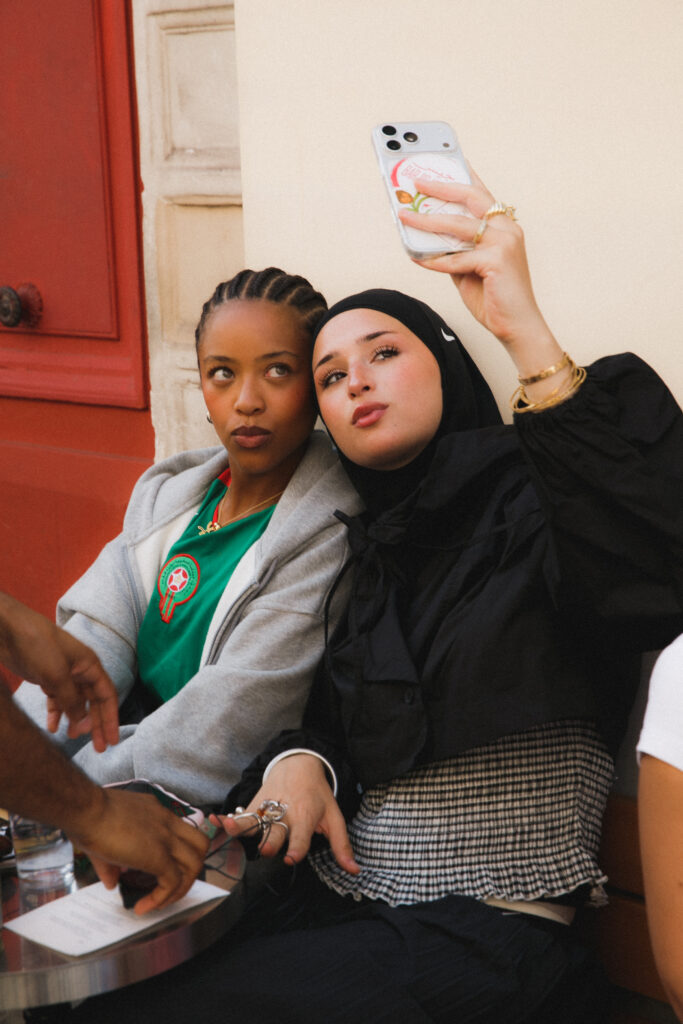
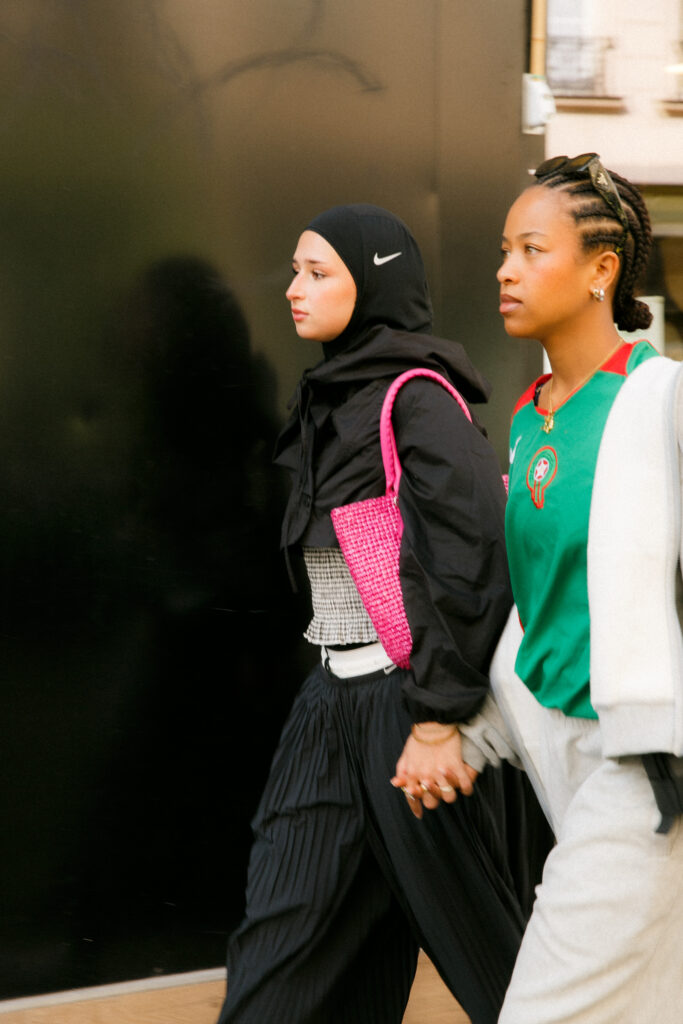
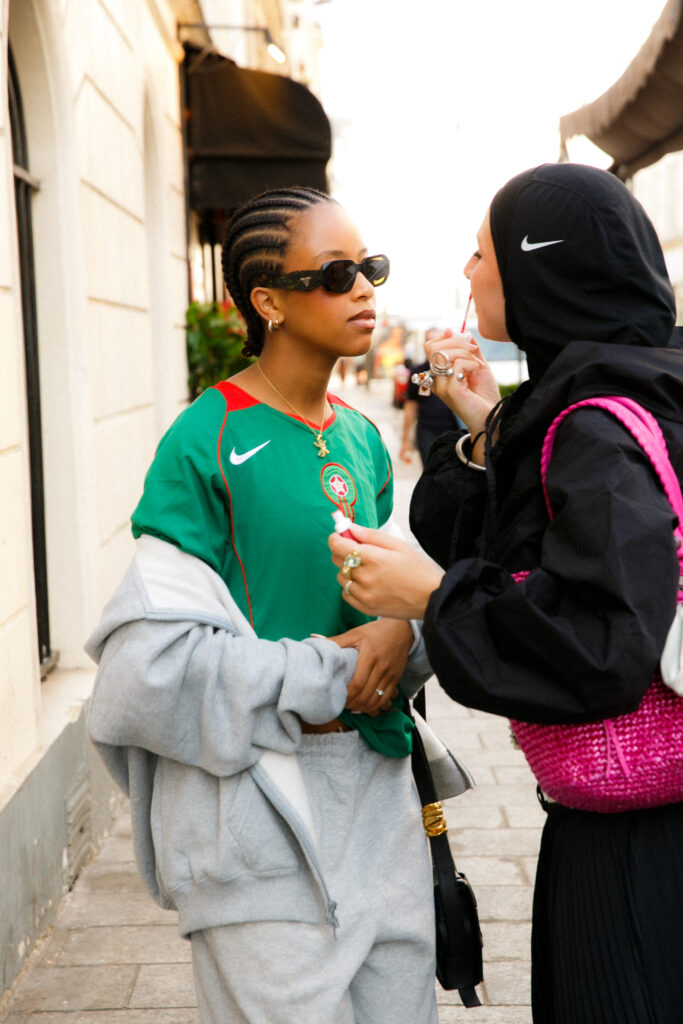
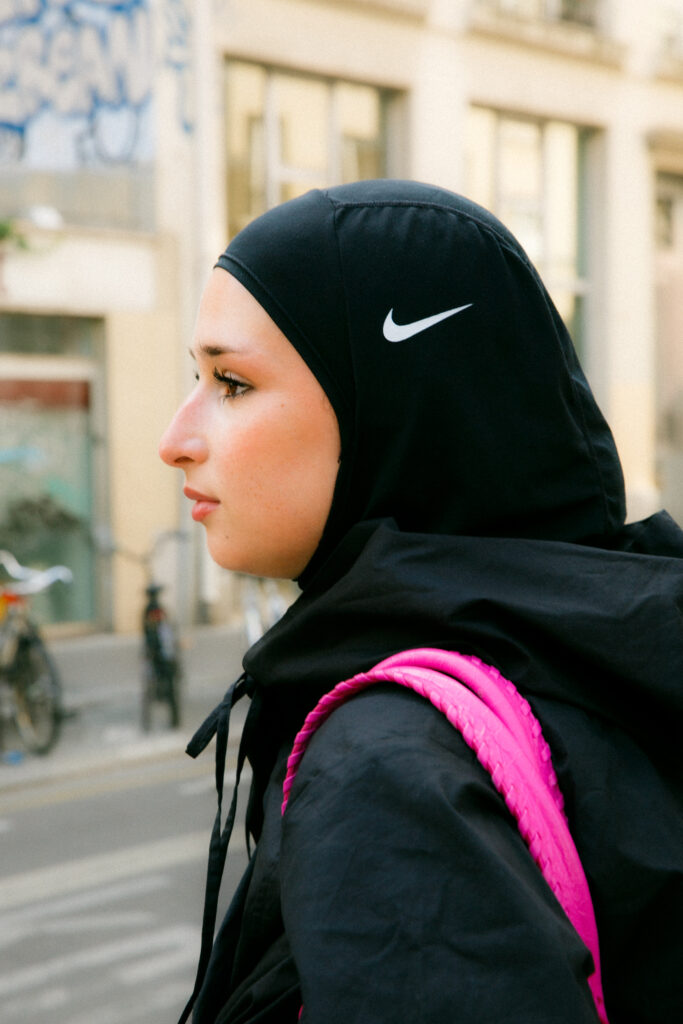
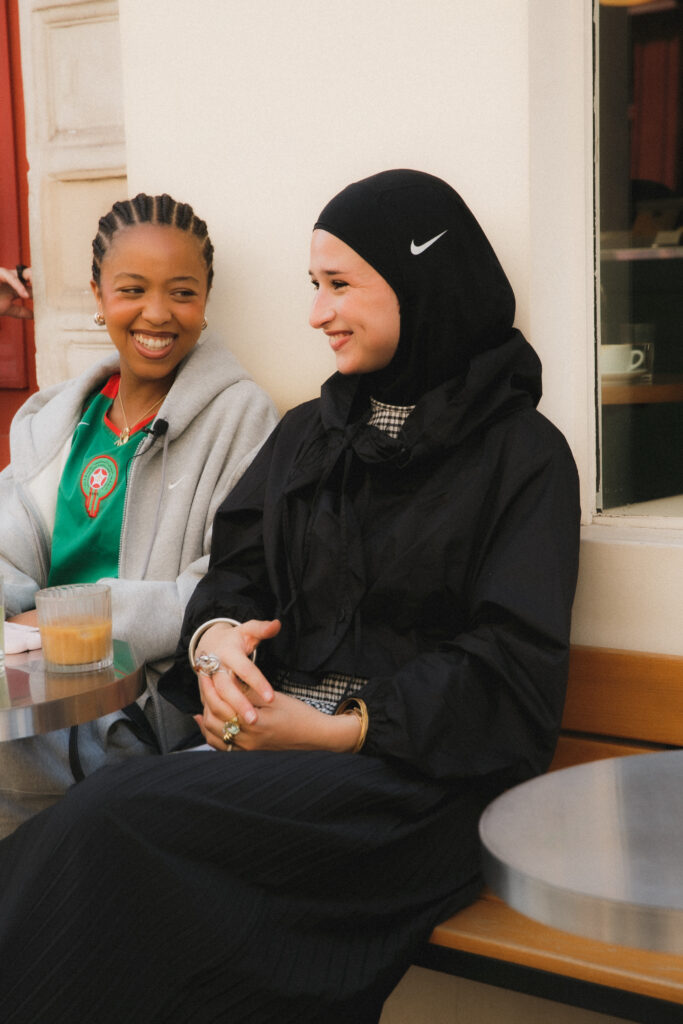
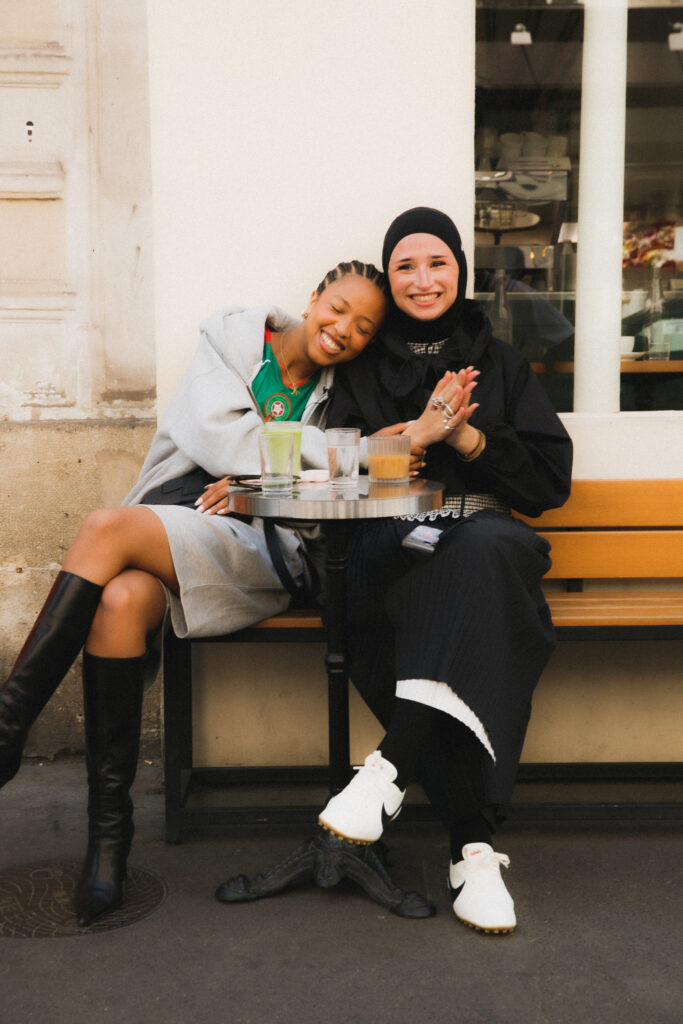
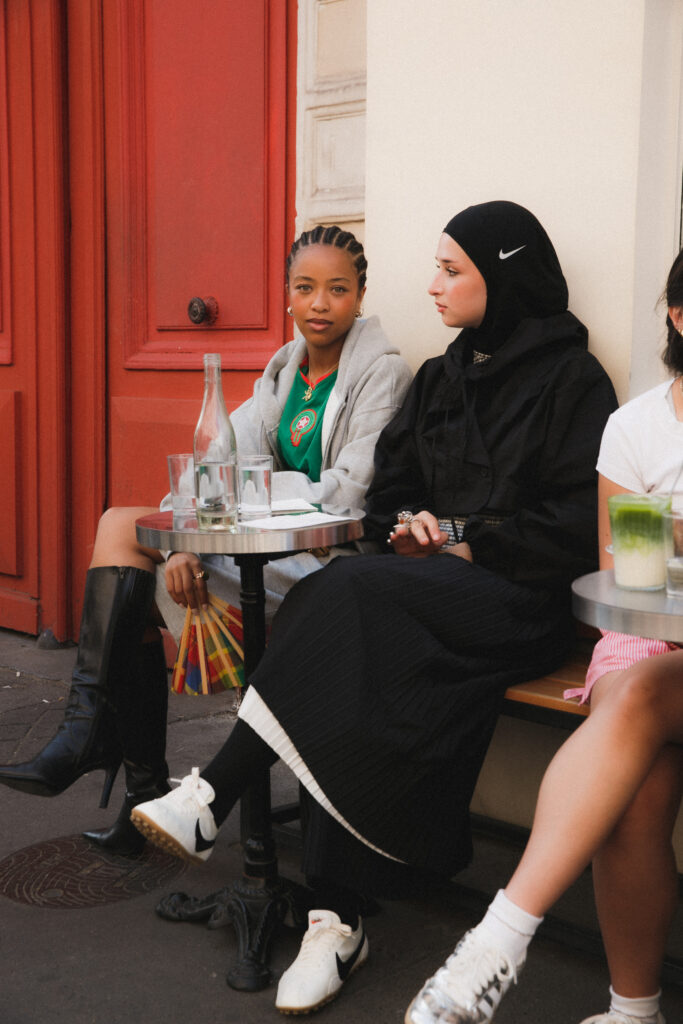
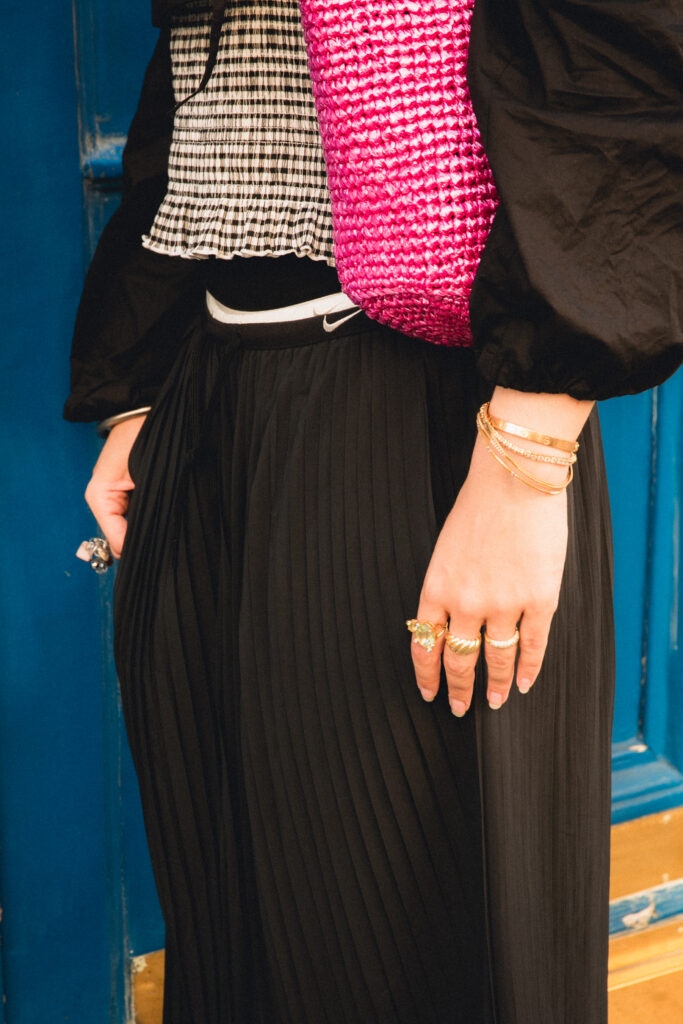
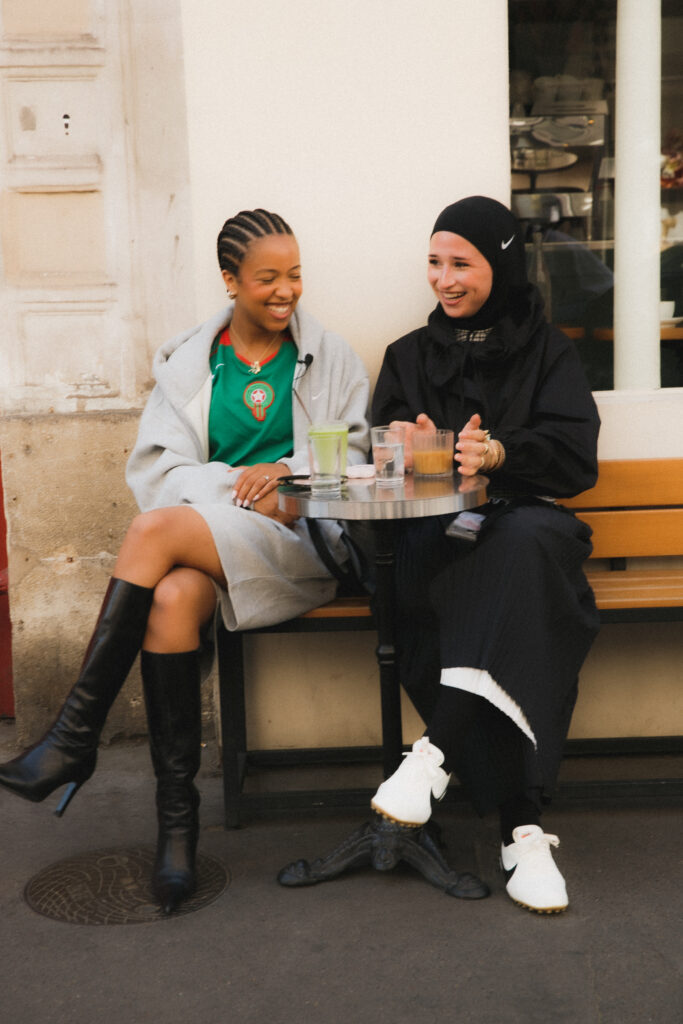
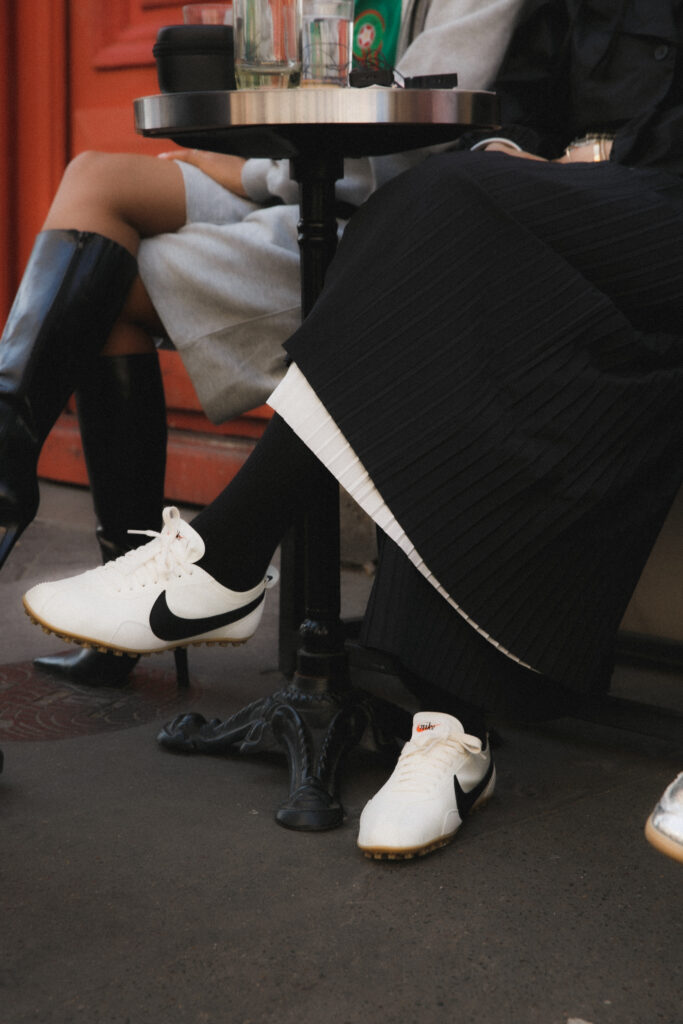
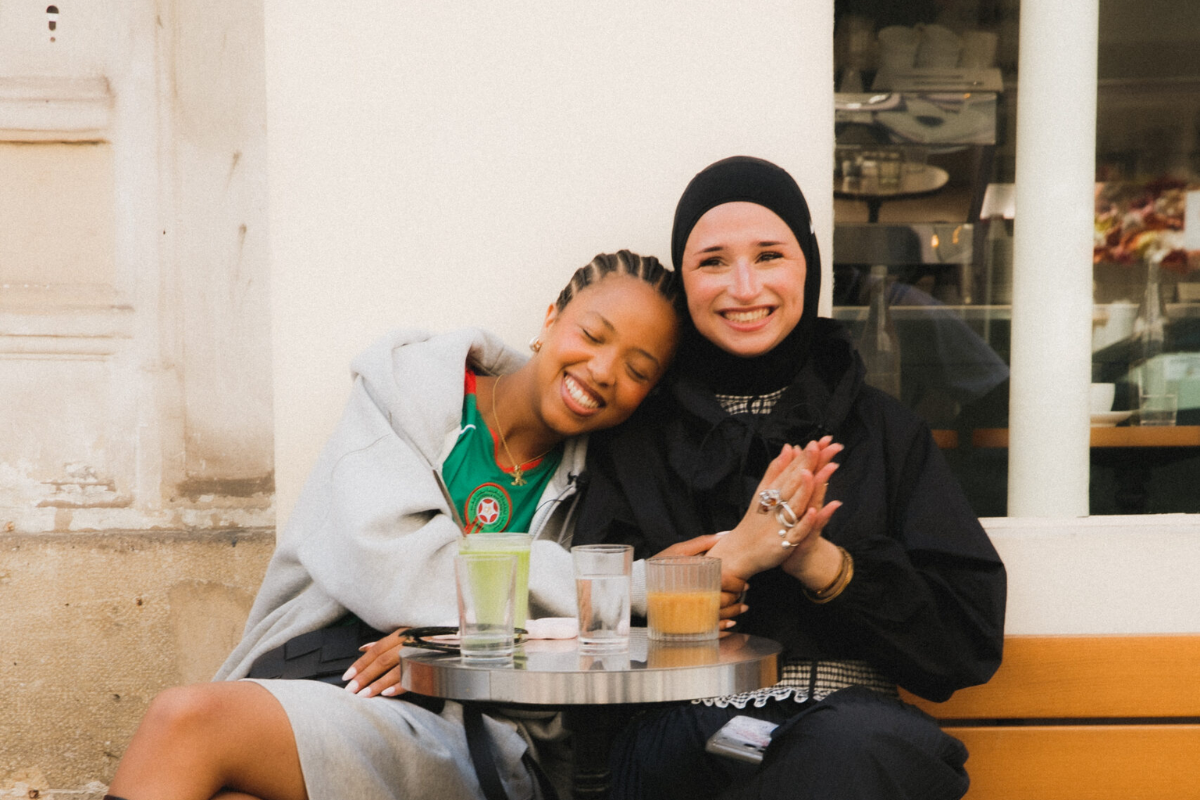
Meanwhile, Nassima Sarhane describes her friend, Hanan, as someone who “finds joy where there isn’t necessarily any,” someone who can “bring light to places that are sometimes a little dark.” And it’s true: Hanan’s instinct to notice possibilities others might overlook is palpable.
For Hanan, that ability comes from the richness of everything she has inherited and encountered; “How we live within our home in addition to those we meet outside, there is such an immense richness,” she says. “All this richness means we truly bring something unique to the table.”
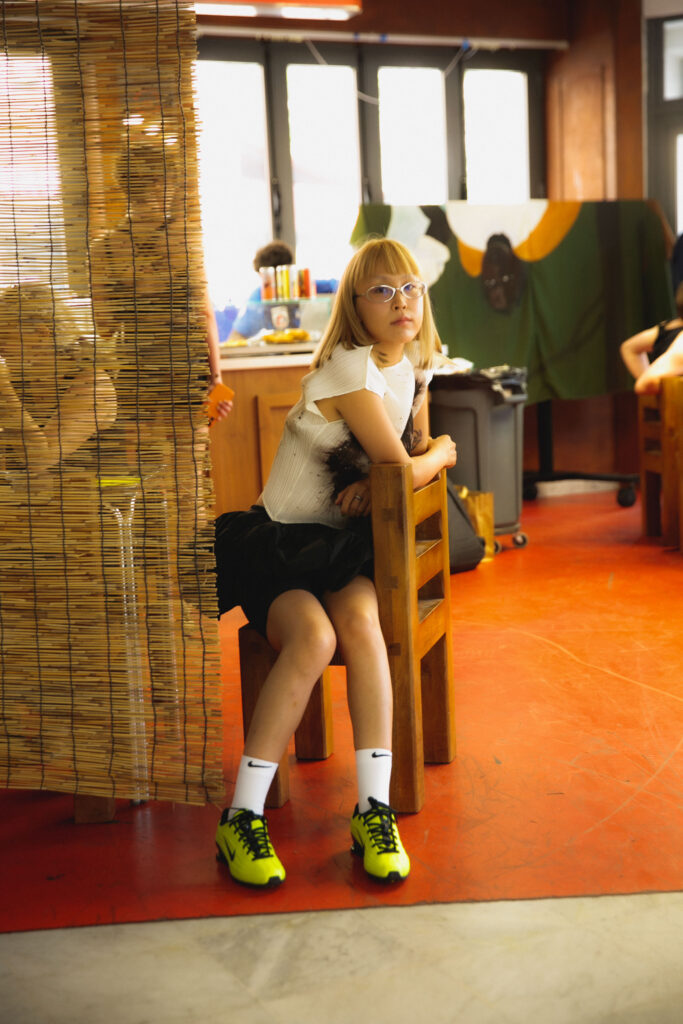

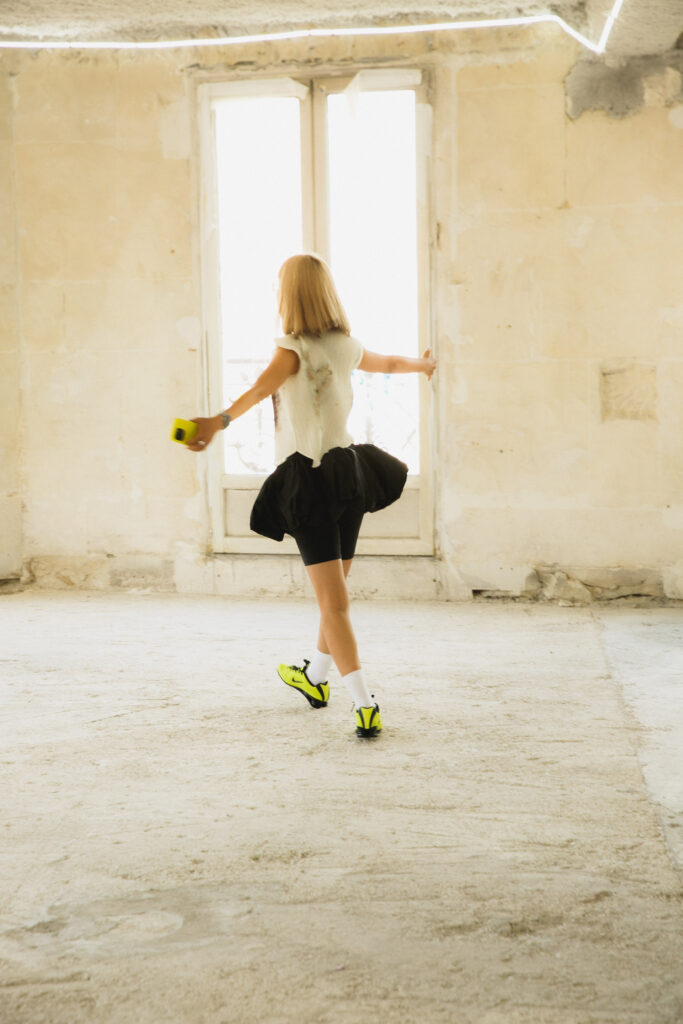
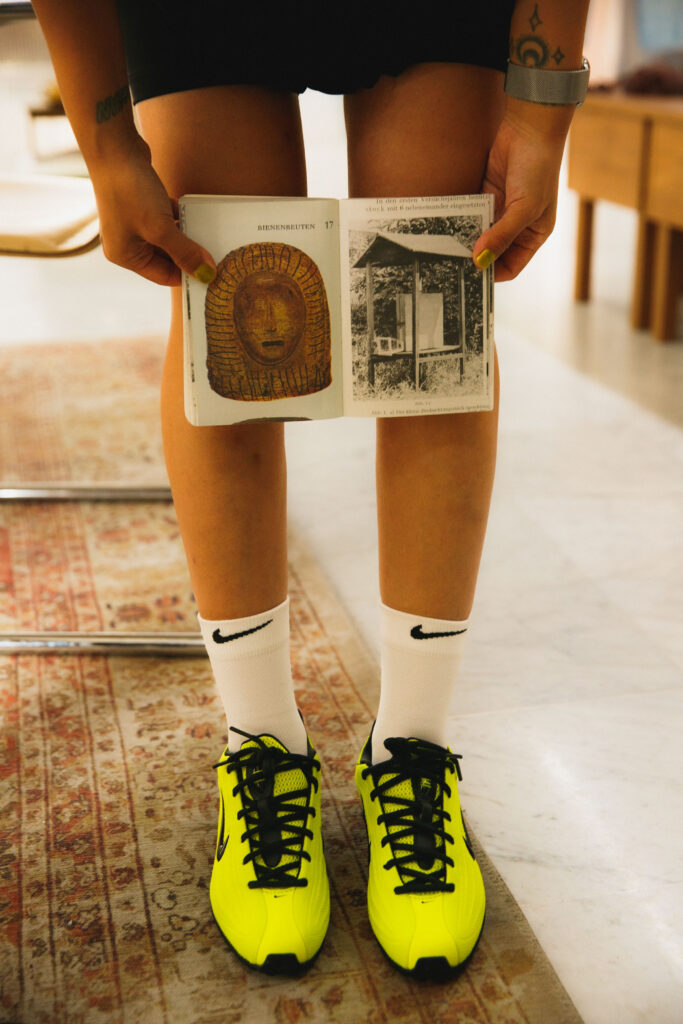
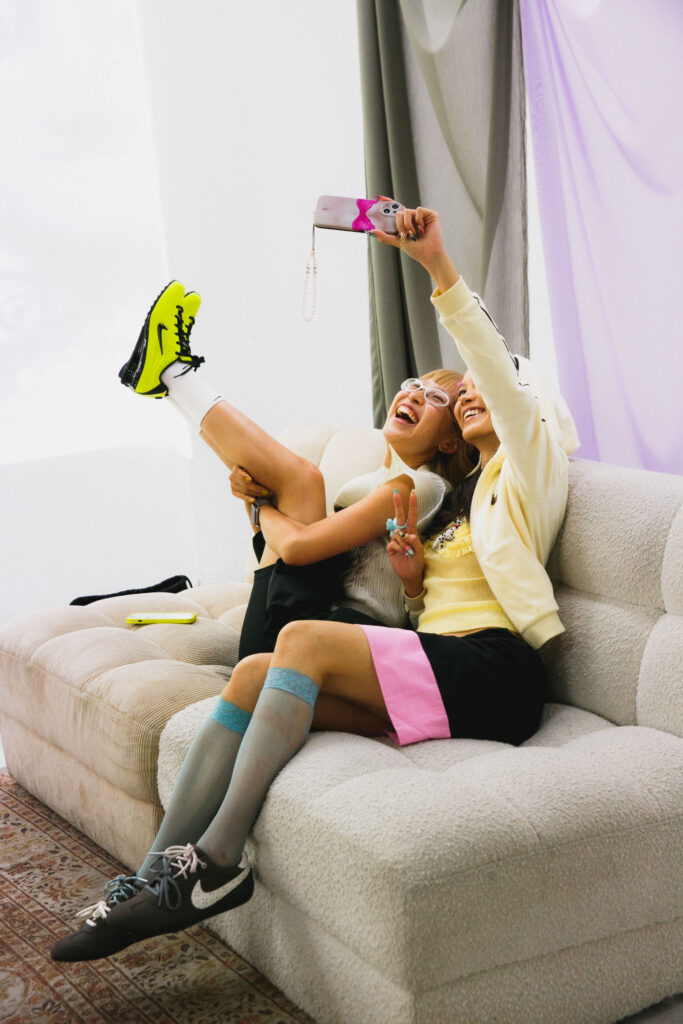
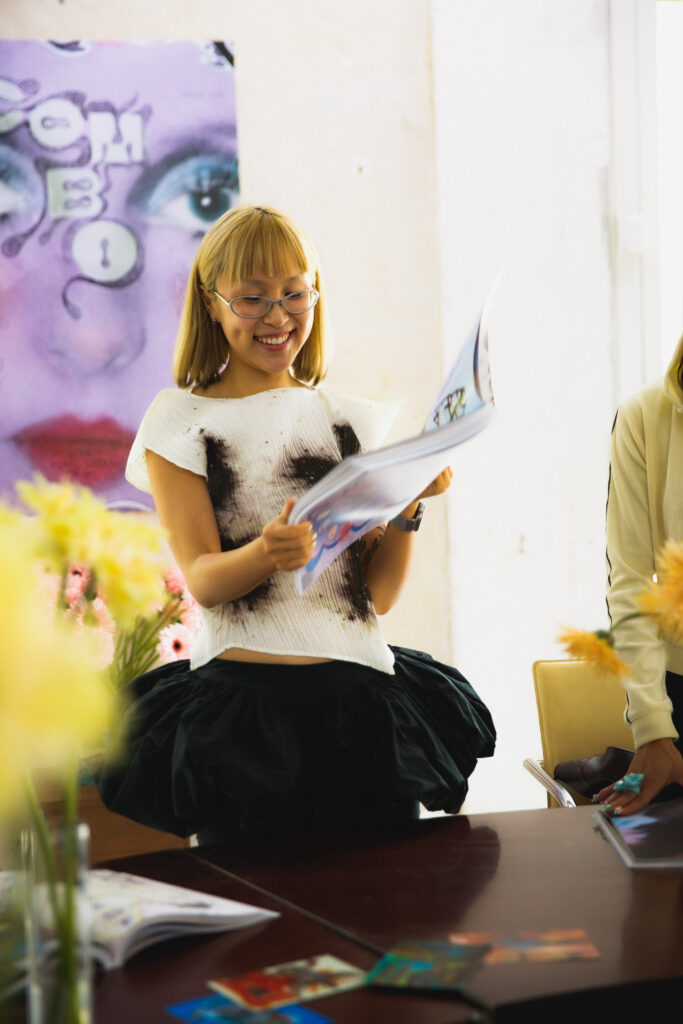
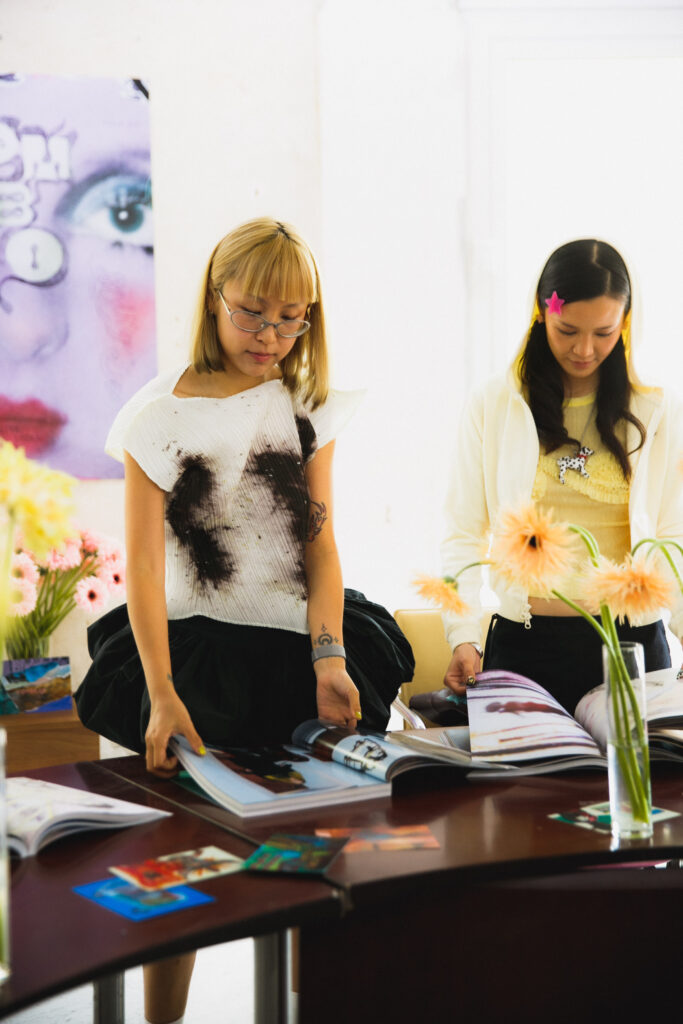
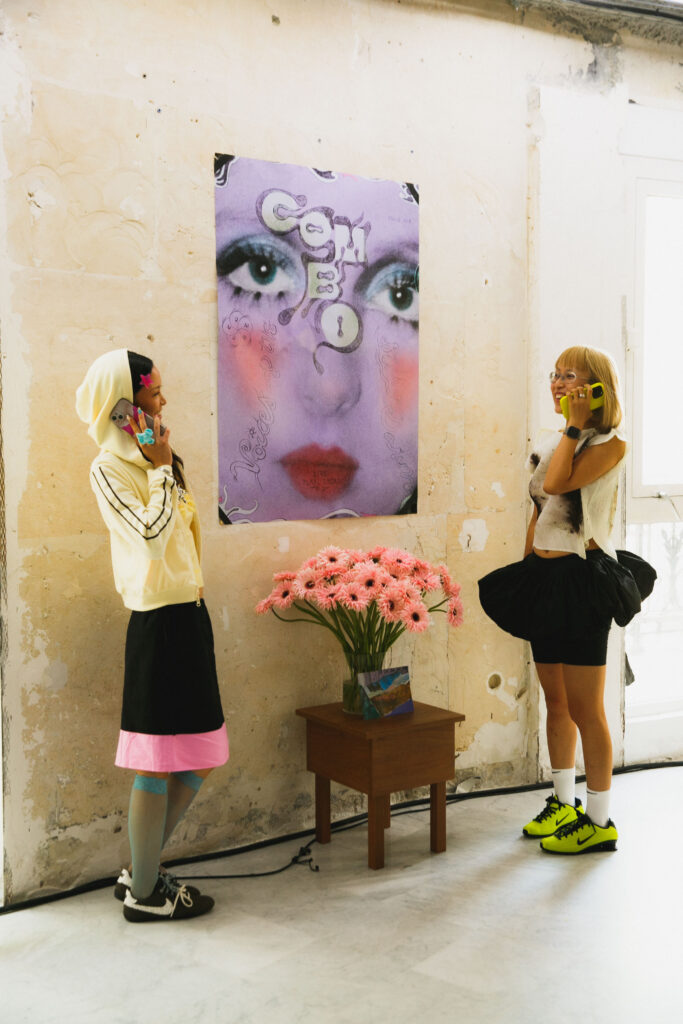
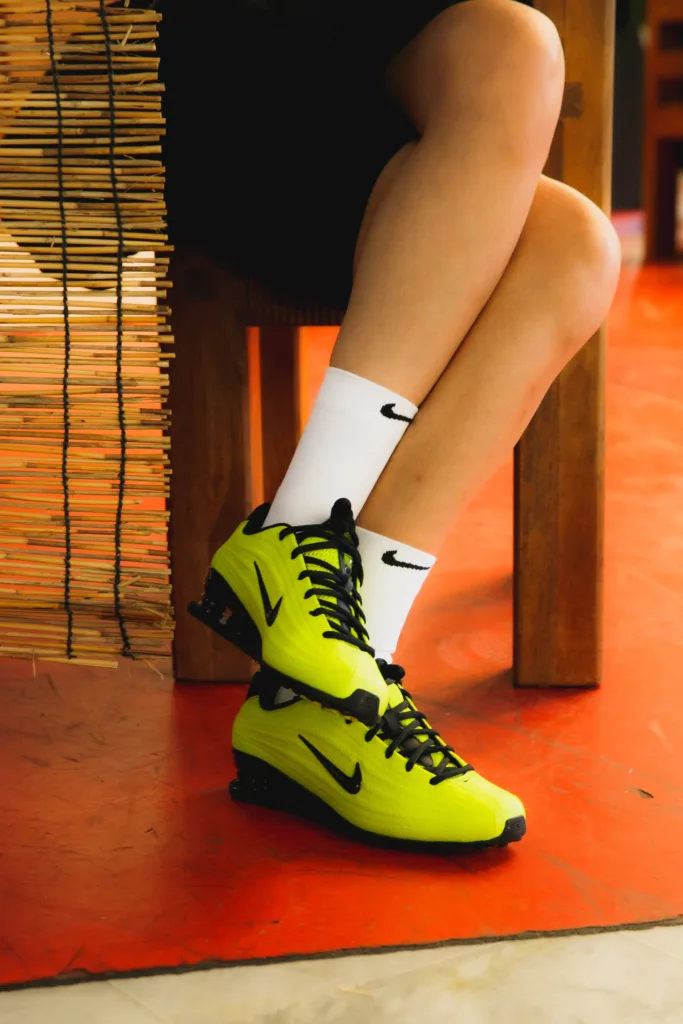
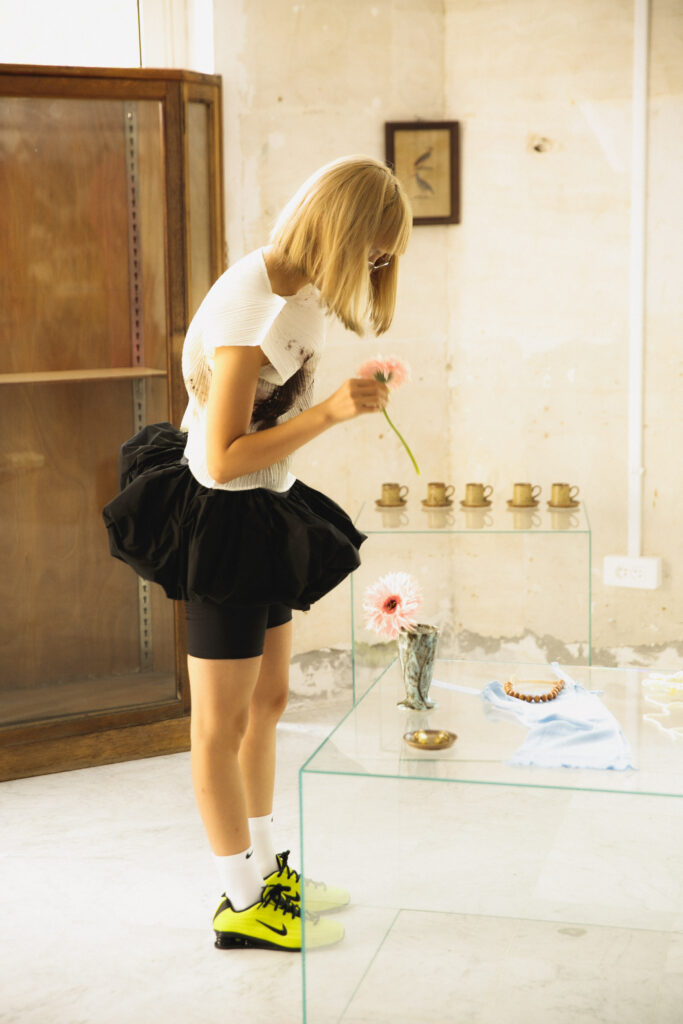
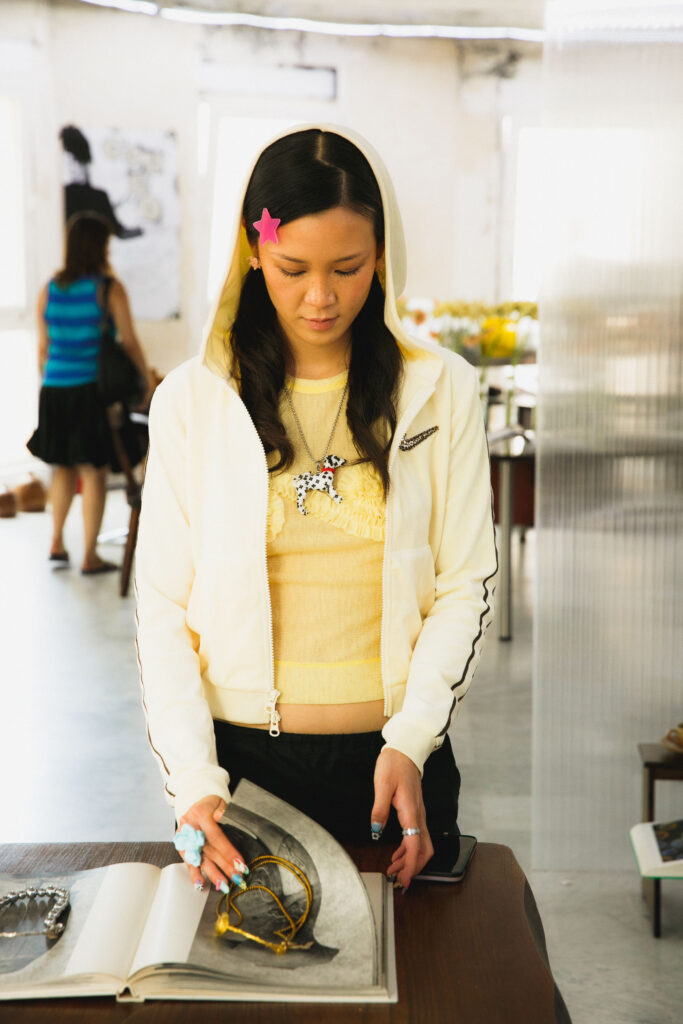
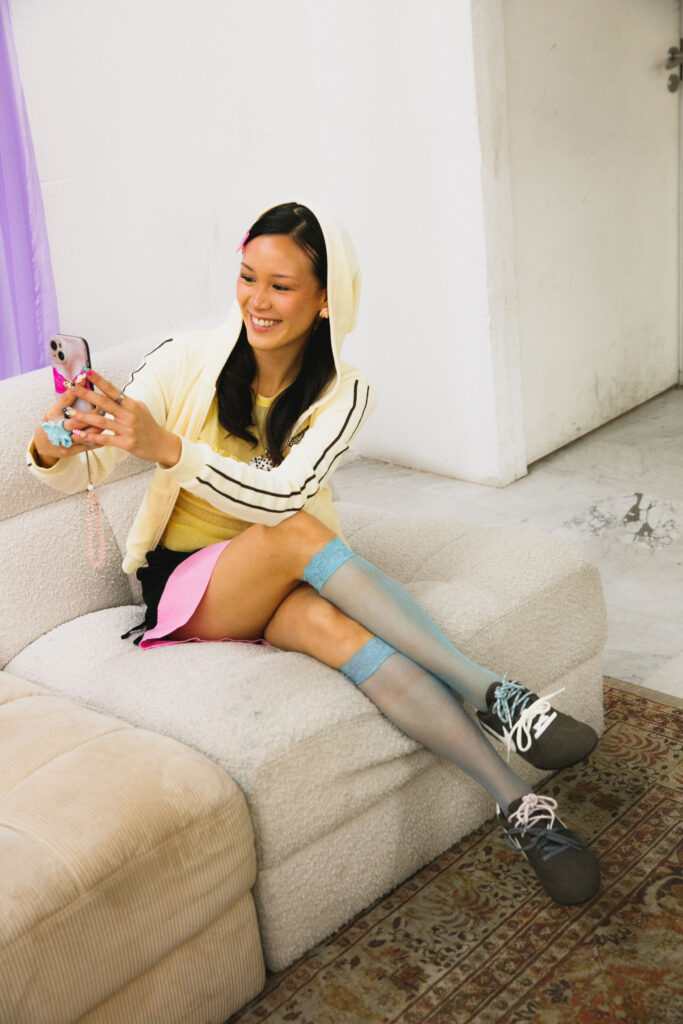
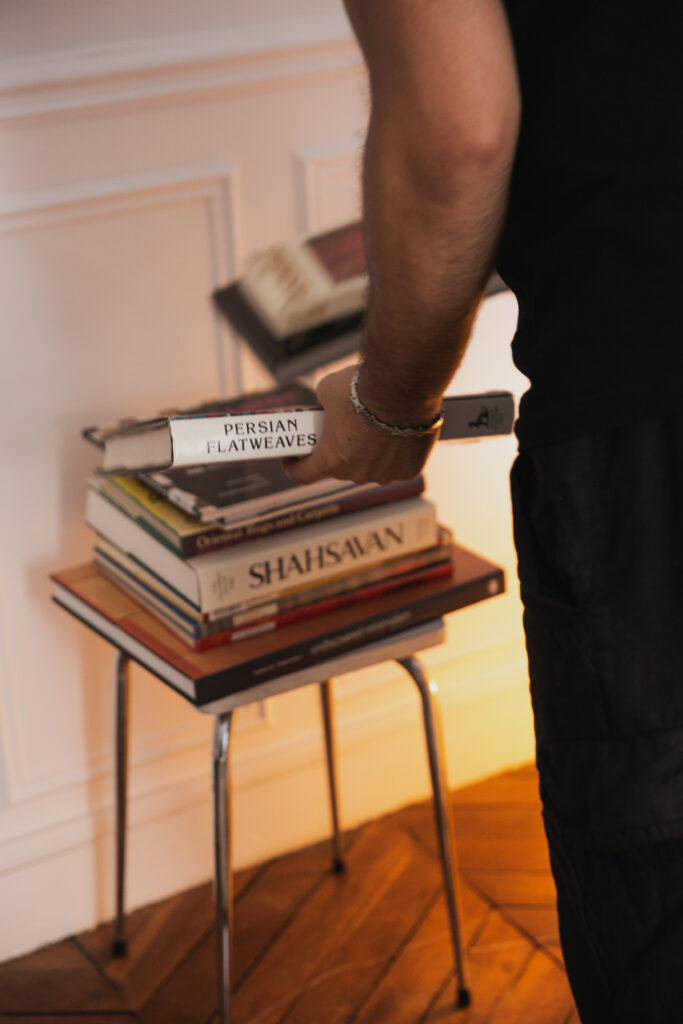
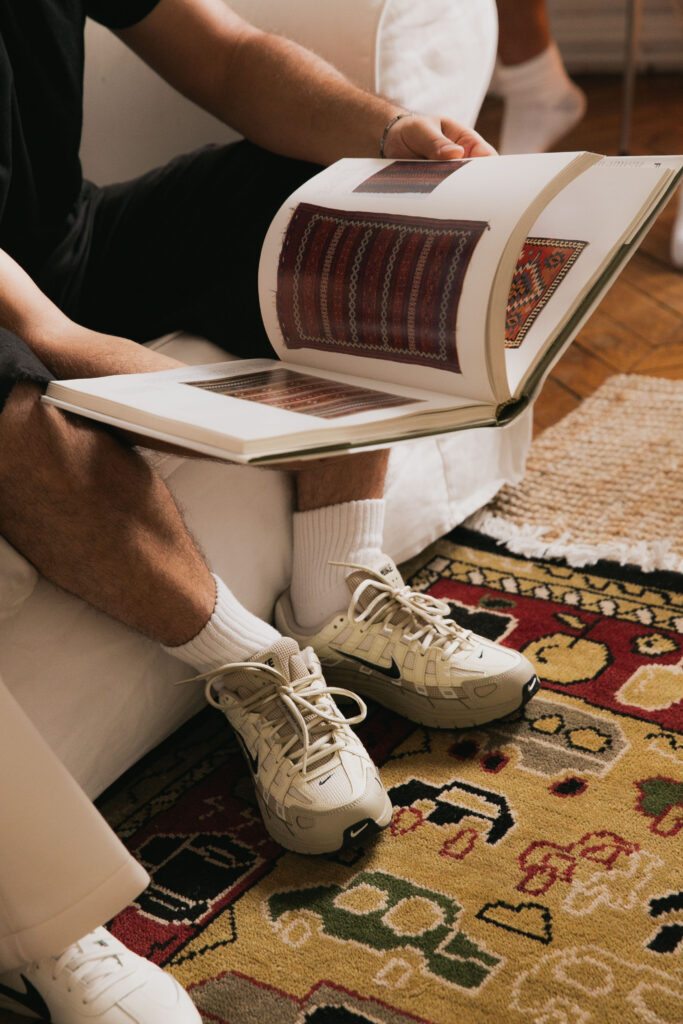
Athena carries her homeland in her books, “the smallest portable unit” of familiarity she’s found. Owing to the reality of living distances from our lineage that are hard to close, her solace is the home she constructed out of a material safer than bricks: the accumulated knowledge, words and wisdom on the pages of writers who convey a sense of comfort for her. And for her friend in the city, Jaszmine, what keeps her compass in fashion, a world built on the image of success, is the discipline her parents installed early, the Chinese work ethic she once found harsh and now finds clarifying. “When I was young I thought it was very intense or harsh. ‘Study, study, study, keep your head down and work.’ But now I appreciate it a bit more. Because in fashion, you can be so distracted by ego… but your work is more important than how successful you look or appear to be.”
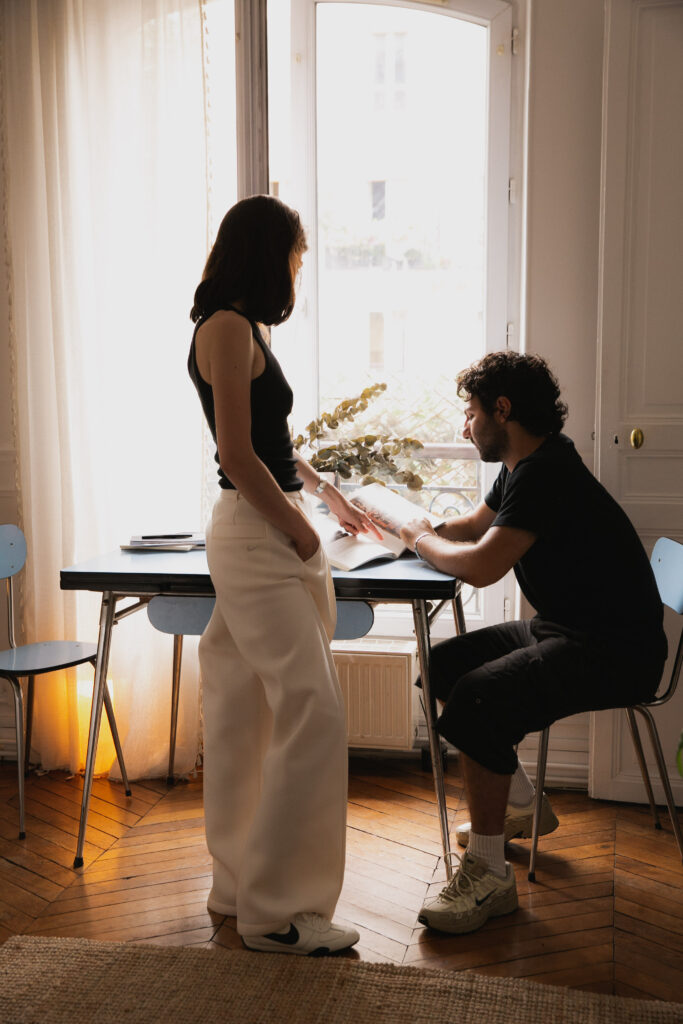
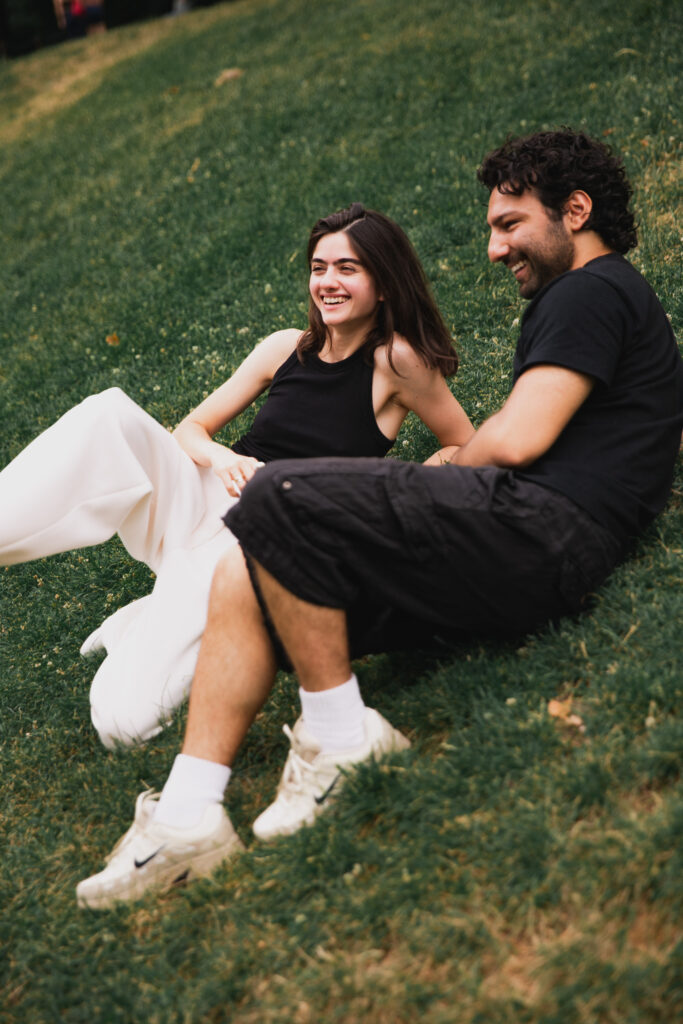
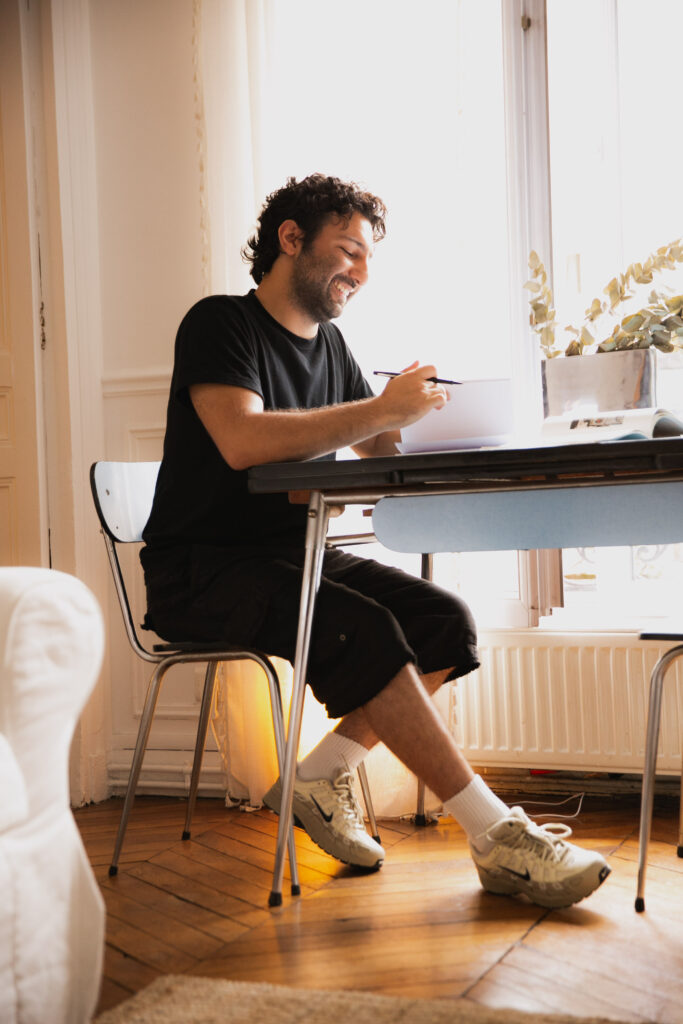
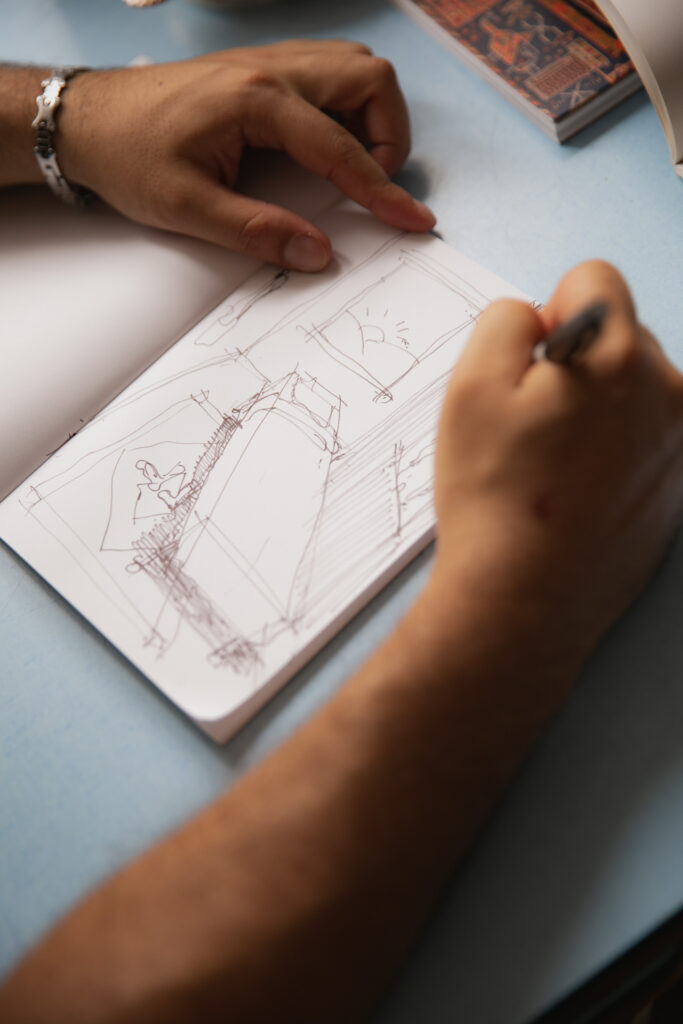

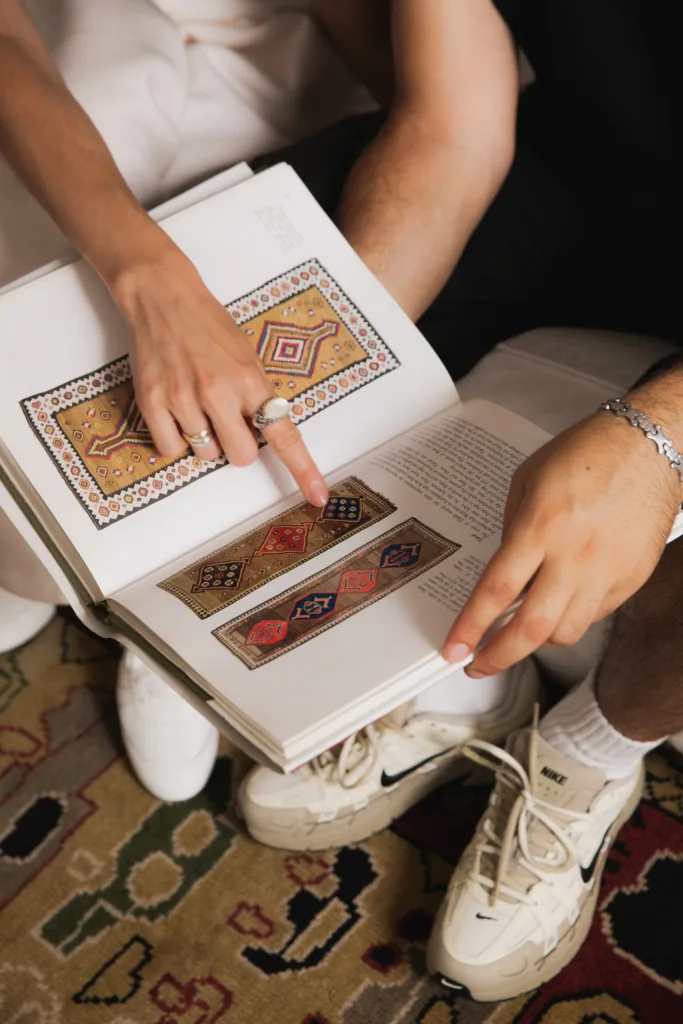
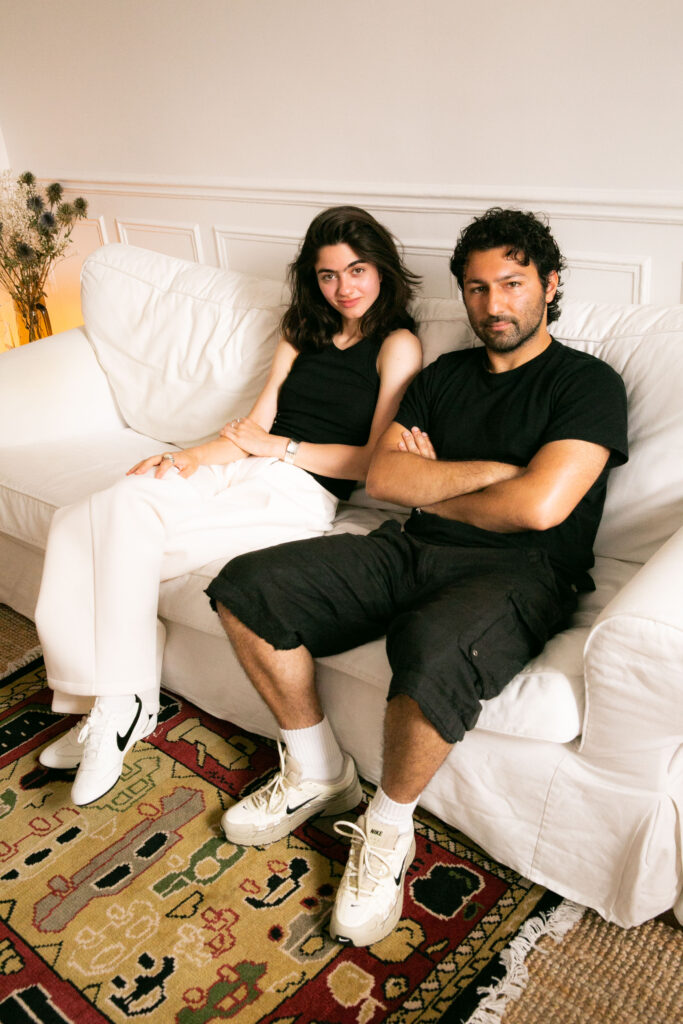
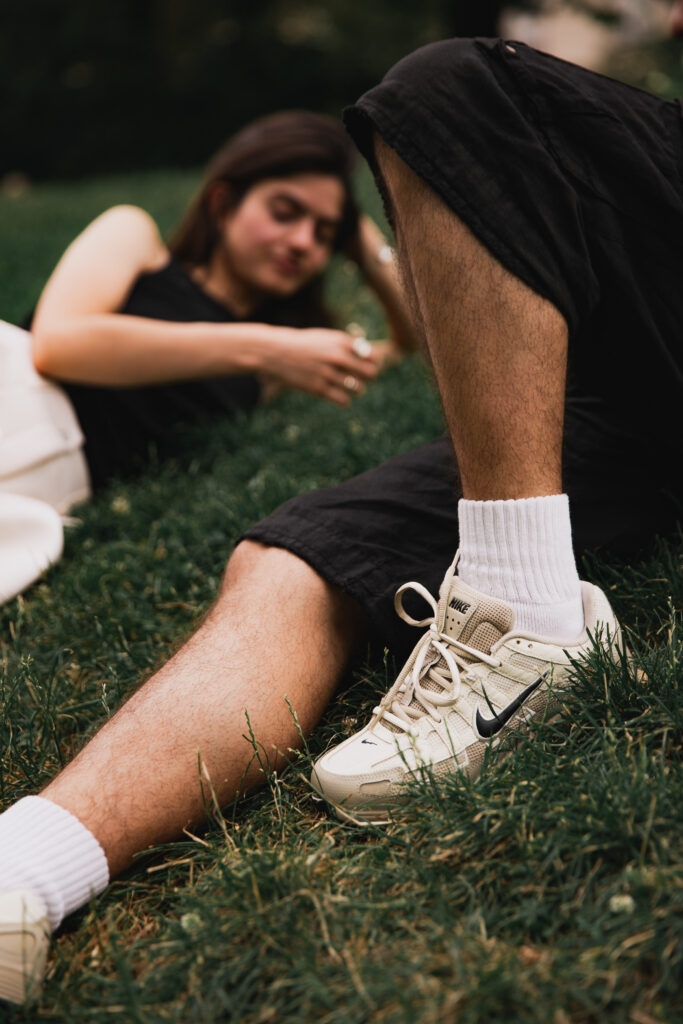
Rohan said something adjacent: that in a city this far from family, the chosen community is not a supplement to home. It is home. “Im so blessed that I’ve met the most phenomenal brothers and sisters in this city, they keep me going, they keep me feeling inspired.”
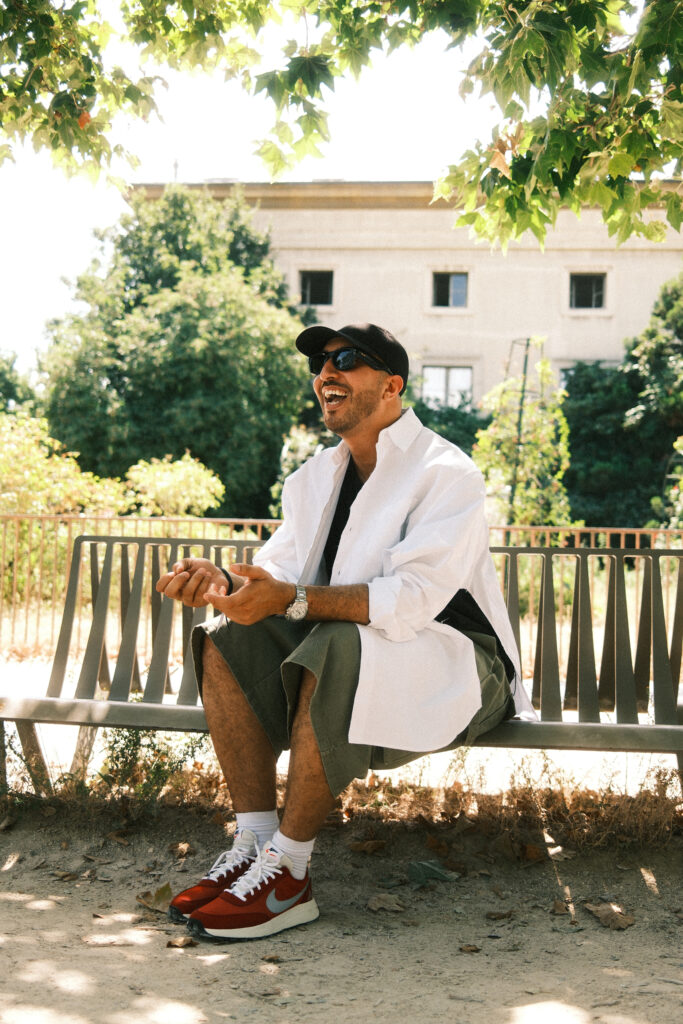
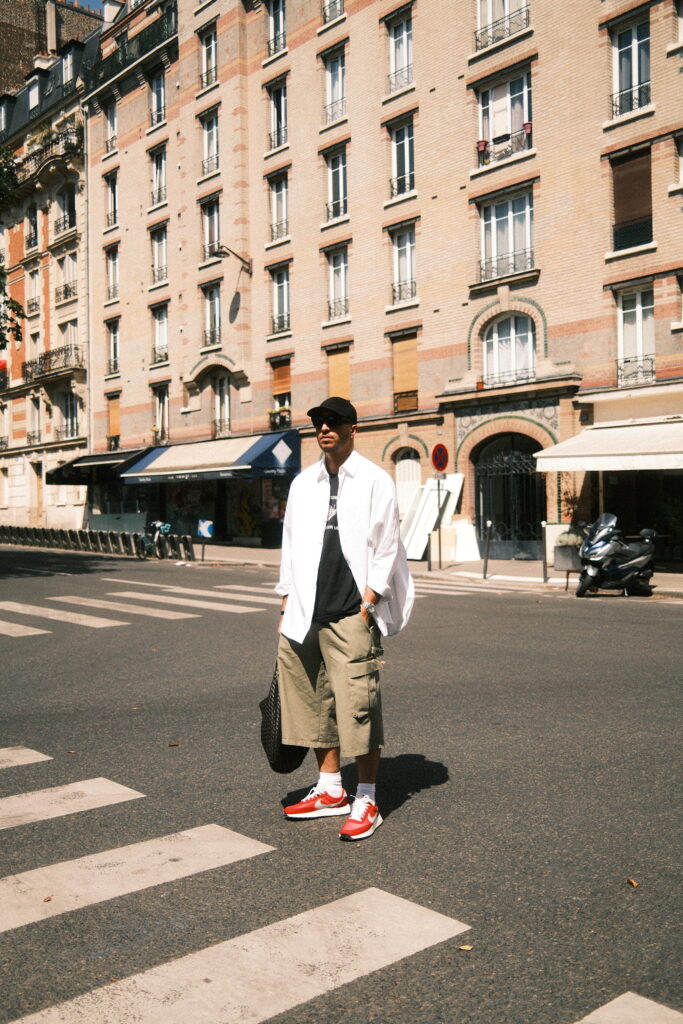
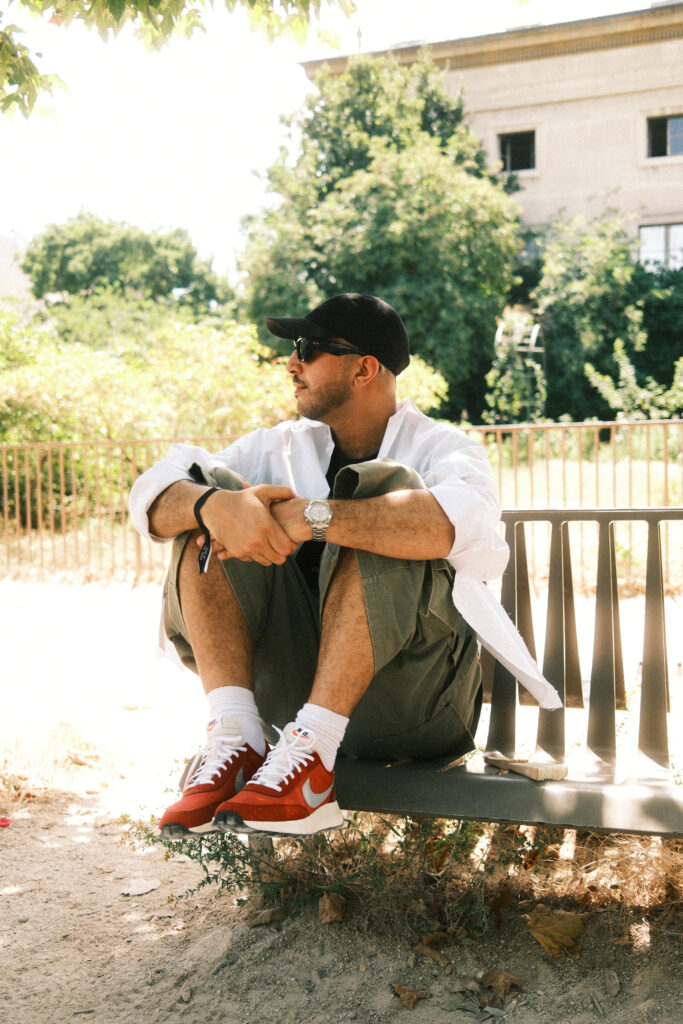
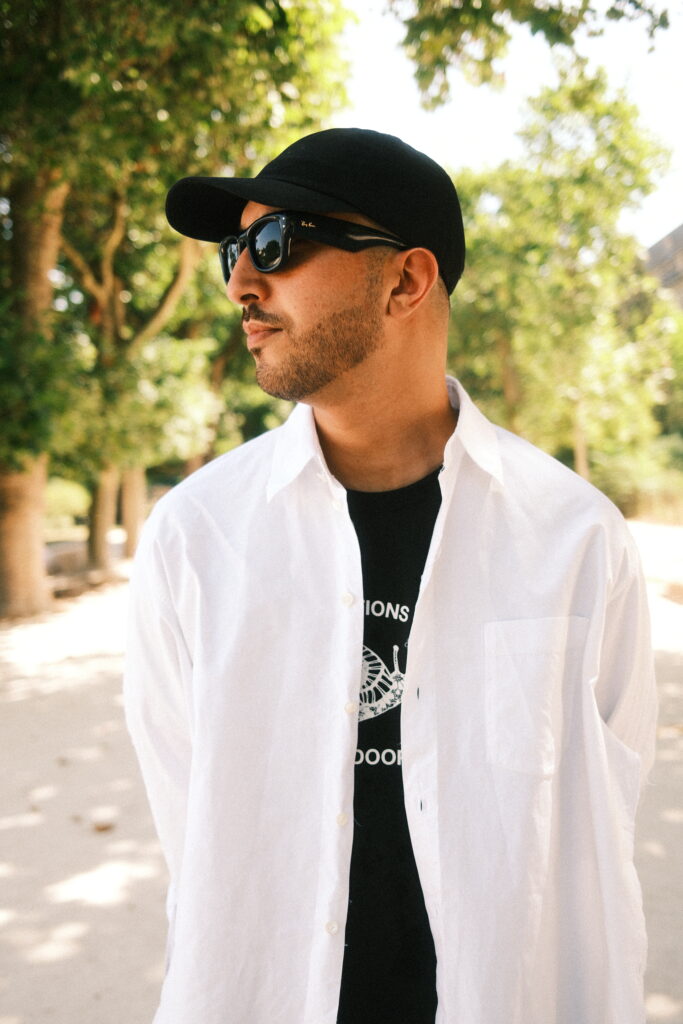
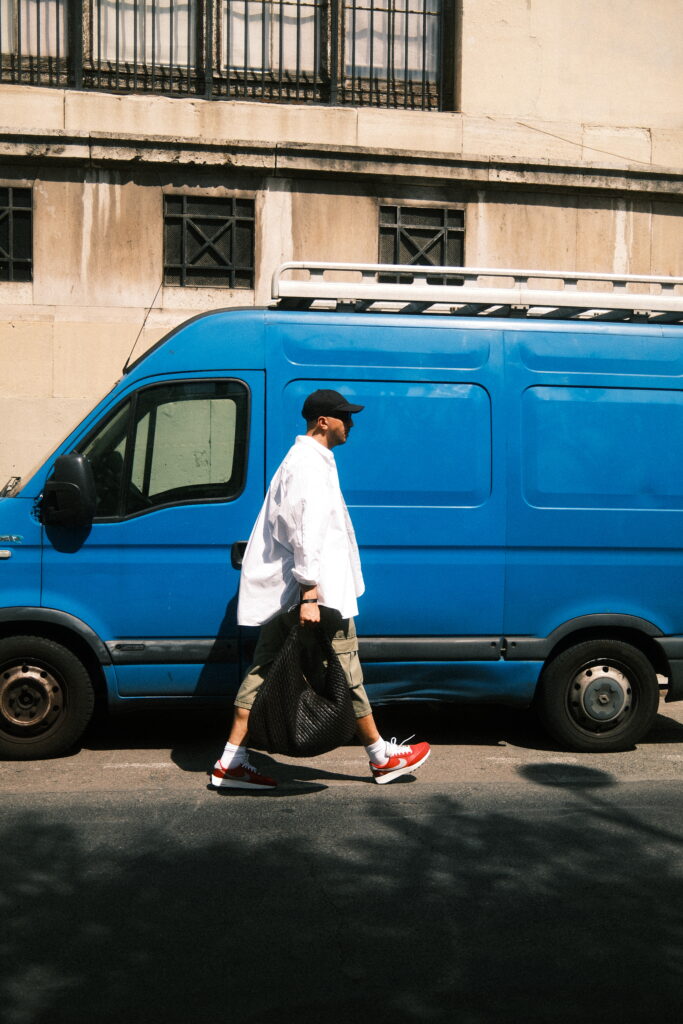
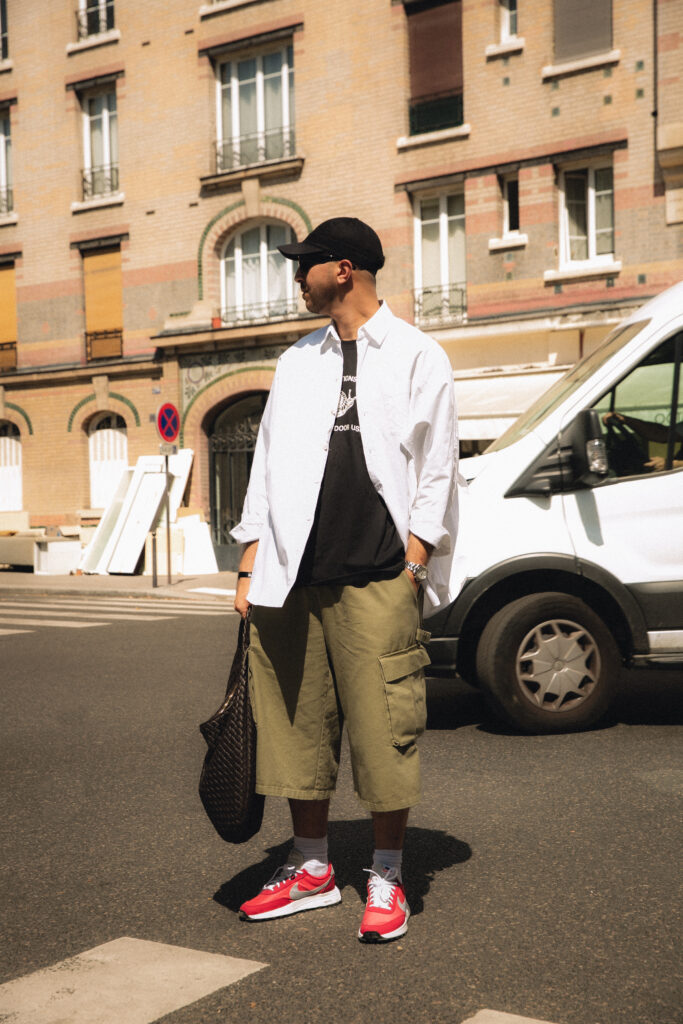
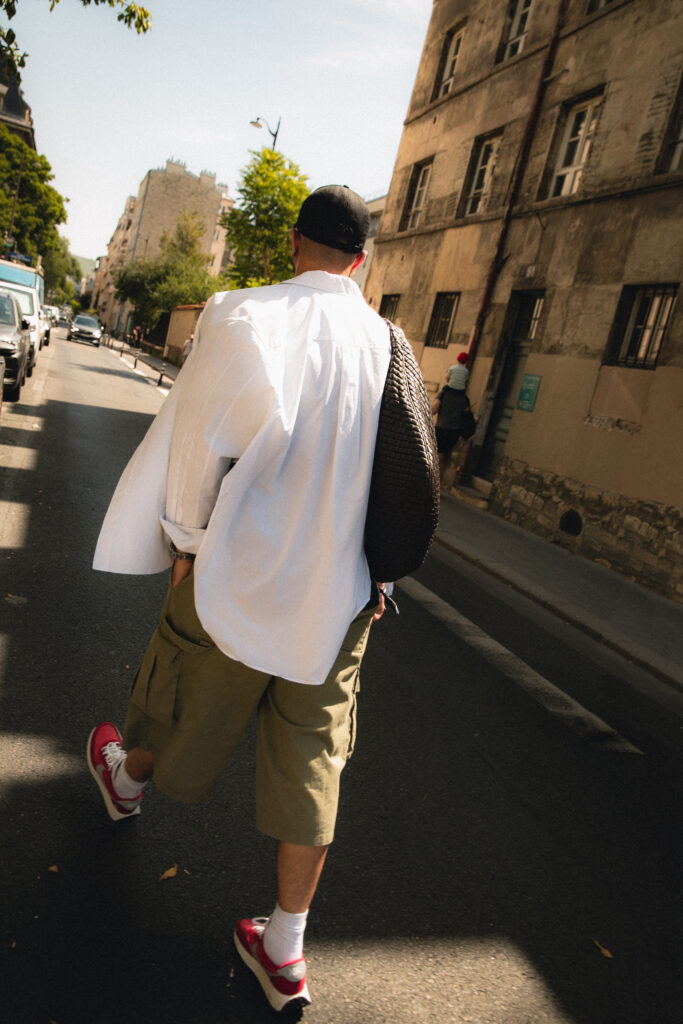
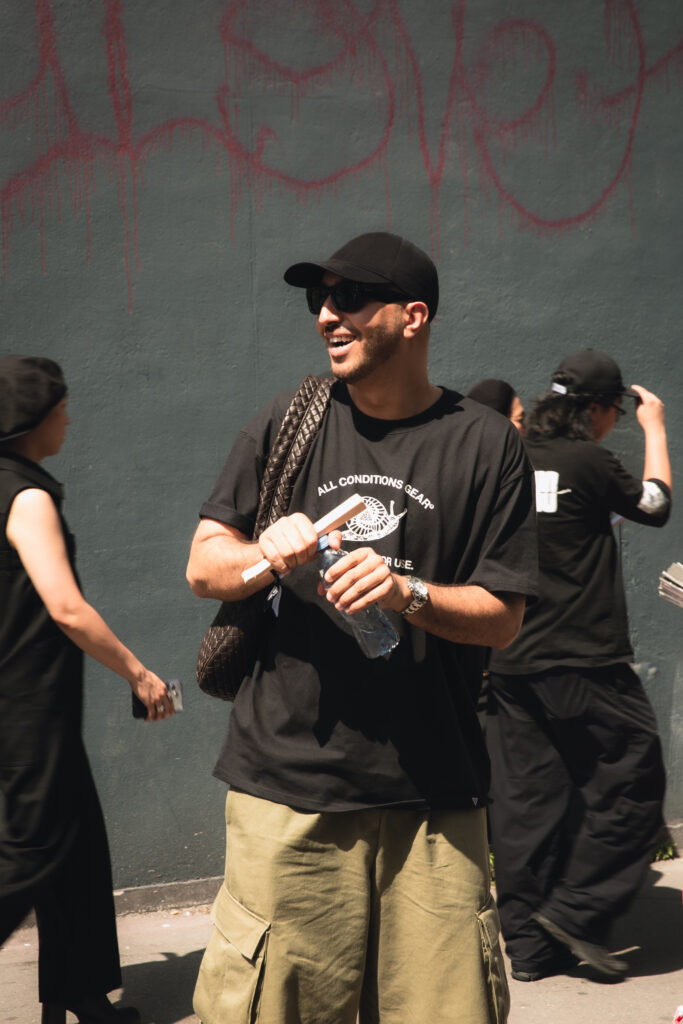
Osama described an epiphany, being at the Louis Vuitton SS27 rehearsals, watching Pharrell’s final show come together, music filling the room. “The kid I was would have dreamt of being in the room.” He talked about seeing his people in spaces where they’re not usually present, or not present enough. “It’s like this energy field where we see each other, and it’s something so graceful, that we have each other’s back no matter what. Like if I see another Arab in the room, I know a familiar face goes a long way to making certain places feel like home.” He pressed both hands to his chest where his heart is. “It’s like I see you. I got you, no matter what. I think it’s called reciprocal care, do you say that? Does it make sense? In English?” he laughs. Surely all pursuit of life’s delight and fulfilment traces back to that feeling; so hard to describe in any language. Any iota of imposter syndrome or intimidation melting away, when we are seen by someone like us, in that room.
That might be Paris’s least mythologised quality: generativity. The city keeps producing the conditions under which we recognise each other across rooms we earned our right to be in.
–––––––
Videographer OSAIN VICHI Photographer MAURINE PRET Production ANTHRA CITY PRODUCTION