
 Posted in
Dazed MENA 100 2025, Dazed 100 2025
Posted in
Dazed MENA 100 2025, Dazed 100 2025
Syrian Cassette Archives: Immortalising the Sounds of a Forgotten Time
Text Amun Chaudhary
Syrian Cassette Archives is, at its core, dedicated to sonic preservation. Founded by Iraqi-American artist and producer Mark Gergis, the digital platform contributes to a broader network of archiving, one that’s rooted in documenting culture among those who built, live, and breathe it.
What inspired you to start doing what you do?
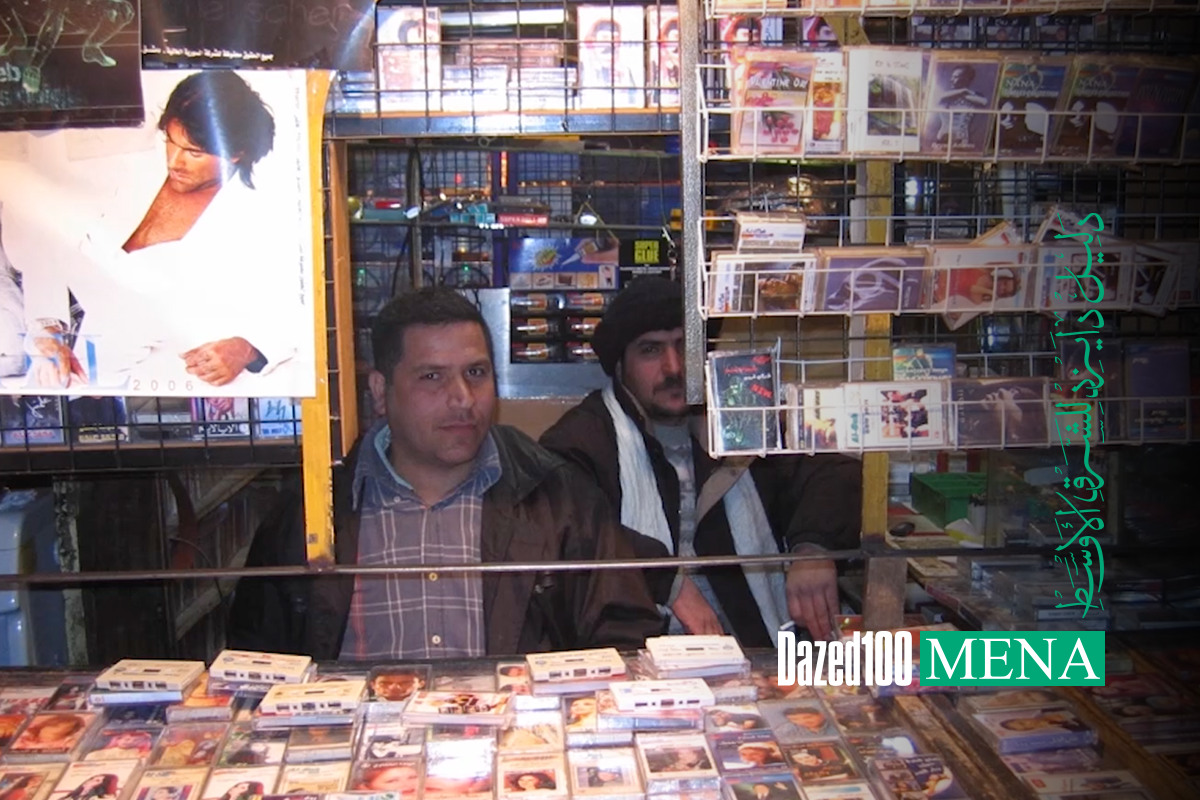
These tapes carried the voices of everyday life in Syria during the cassette era (1970s-2010), especially music scenes and genres that were discarded or censored by the state. The project grew from the urgency to preserve them, as well as a deep curiosity and love for the culture and the stories they hold. For Syrians, we hope it stands as a public space for dialogue and rediscovery. And on the western end, we hope it helps counter years of invisibility and distortion in how the region has been represented.
Who are your influences and inspirations?
The working musicians, producers, and shopkeepers who built and maintained cassette culture in Syria, creating resilient networks of distribution. We’re also inspired by grassroots archives across the Global South, projects that reclaim memory without waiting for permission or approval.
What has been a defining moment in your journey so far?
There are many, but the turning point was realising the archive could speak back to its own community. Once the website went live, the feedback from listeners globally made it clear that the project isn’t only about preservation and cataloguing, but being a living network of memory, a public space where people recognise themselves and add to the story. It proved that independent, community-driven projects like this can stand alongside larger cultural institutions and still speak authentically.
What change are you hoping to drive with your work?
We want to be part of shaping how Syrian music is remembered, moving beyond nostalgia or tragedy to something active and ongoing. By highlighting everyday sounds and stories, we show that cultural heritage isn’t something distant or frozen.
How does your work engage with the local community or culture in the SWANA region?
Many recordings came from families, shopkeepers, and artists who safeguarded tapes for decades. We work with researchers and musicians across Syria and the diaspora, share materials back, and credit sources. Interviews with artists, producers, and distributors map how the cassette ecosystem actually worked, and how sounds and livelihoods changed after 2011 and, again, after the fall of the regime in 2024.
How do you hope to see the region’s creative scene evolve in the coming years?
There is already an incredible amount of independent work happening as artists, researchers, and archivists create from their own lived realities. We would like to see that energy supported on its own terms through stronger regional connections and less need for validation from outside frameworks. Some of the genres represented in the archive also offer alternative models for creativity, ownership, and labour. In Syrian shaabi, for example, music is closely tied to work—fame means more opportunities to perform. When one artist sings another’s song, it is seen as recognition, not theft.
What would you like to see yourself ultimately achieving or reshaping with your practice?
A sustainable, Syrian-led model for music preservation that connects documentation, education, and access—not a vault, but an evolving shared space that continues to grow through new voices and collaborations. If the archive helps Syrians recognise their own sonic histories and invites others to listen with respect, then it’s working.