
 Posted in
Art & Photography,
Posted in
Art & Photography,
Ithra’s latest exhibition turns Saudi domestic life into contemporary storytelling

Text Gayathri Pullare
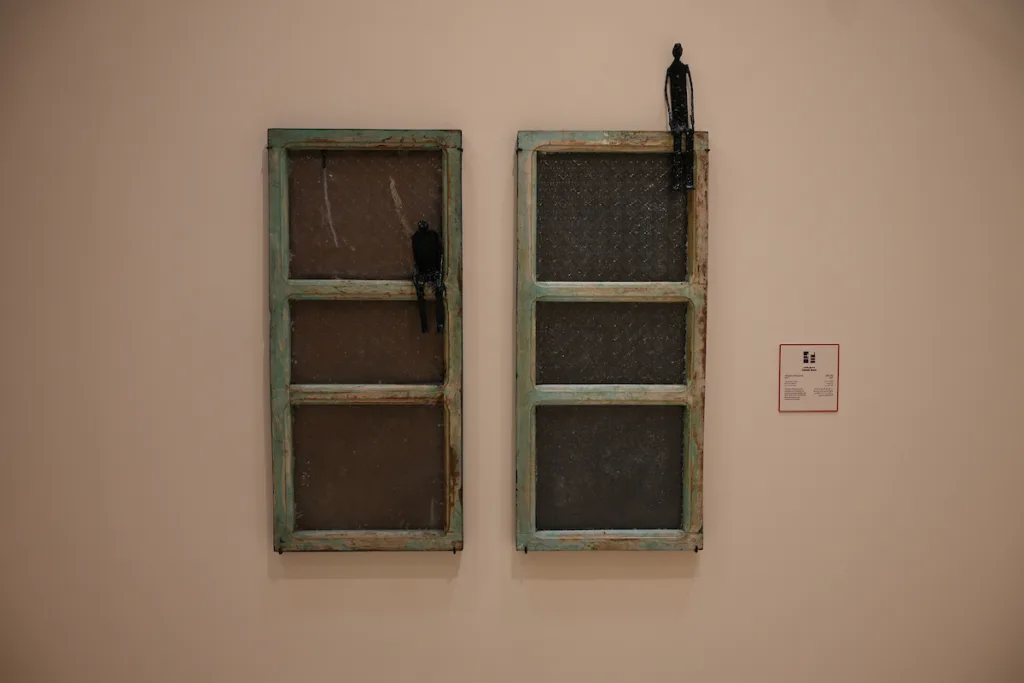
If you think of your childhood home in the Gulf, and the first thing that comes to mind is the familiar metal gate with geometric patterns or the traditional red carpet that your mom once guarded like a priceless artefact, then you already understand the emotional logic behind Echoes of the Familiar. The King Abdulaziz Center for World Culture (Ithra) takes that fleeting sensation of nostalgia that’s part warmth and part time warp, and expands it into a house-sized journey through Saudi memory.
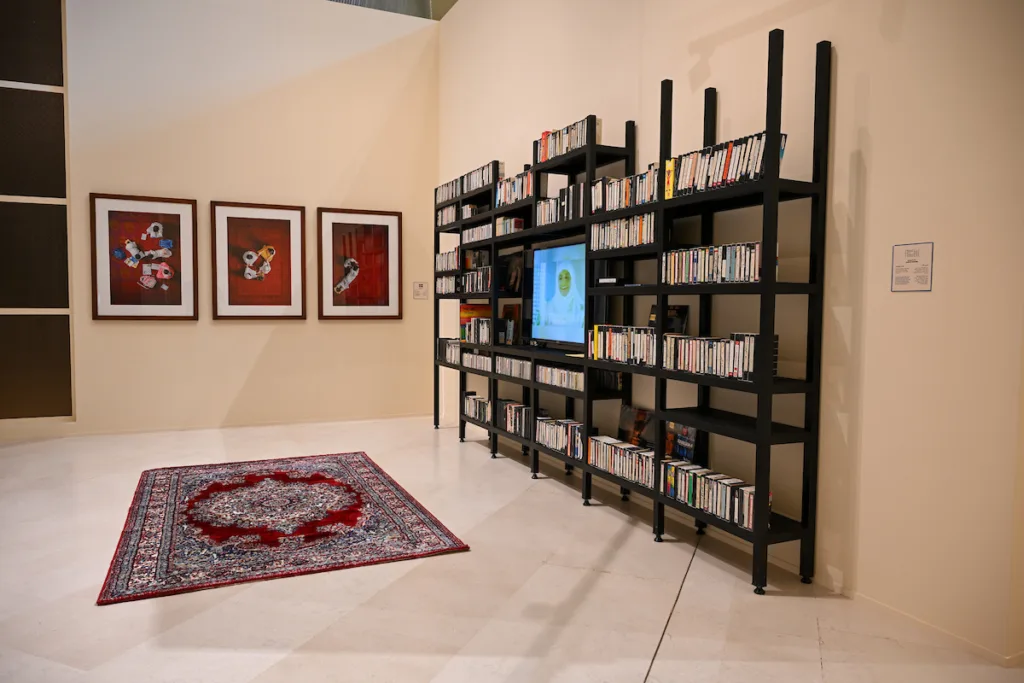
Curated by Gaida AlMogren, who also serves as Artistic Director and Co-curator of the Noor Riyadh Festival, the show brings together 28 artists whose works orbit the idea of home. Not the Pinterest-influenced version, but the real one: the lived-in, slightly chaotic source of early rituals and half-forgotten habits that shape who we become. Seventeen of the artworks were commissioned specifically for the exhibition.
Rather than simply a gallery, the exhibition is designed to feel like you’re a visitor walking through a traditional Saudi home. Each space — The Building, The Living Room, The Kitchen, The Hallway of Memories, The Bedroom, and The People of the Home — is meant to serve as a kind of emotional waypoint.
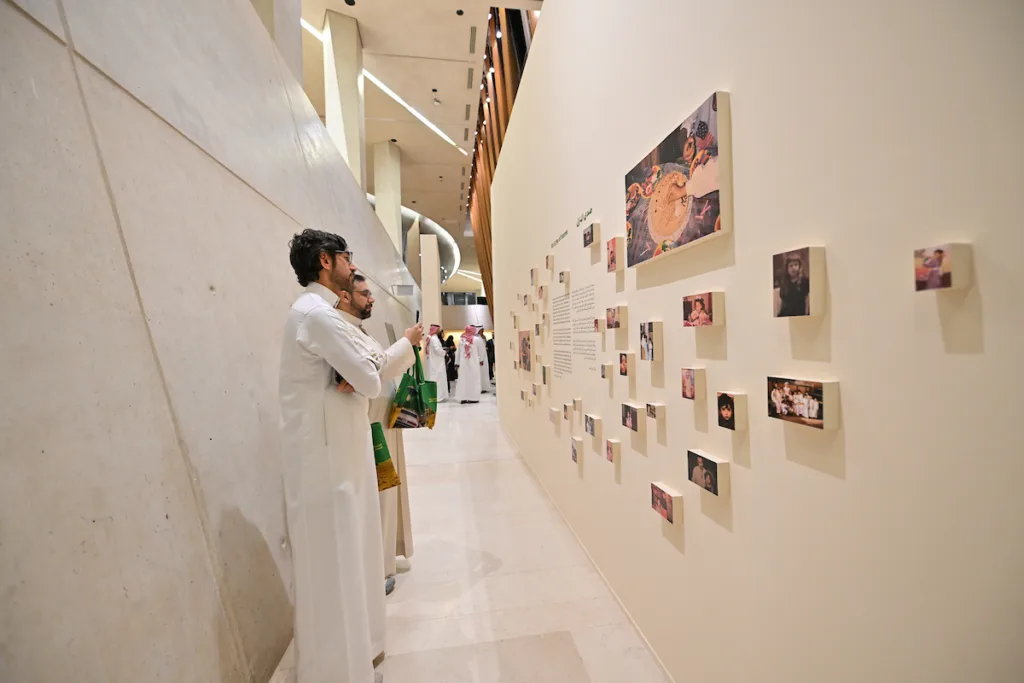
The artworks stitch together moments that defined Saudi domestic life throughout the 20th century: family meals, late-evening routines, the unmistakable hum of relatives speaking over one another. Through multimedia installations, digital elements, and sensory immersions, artists reinterpret these details in contemporary forms. The artworks draw from Saudi pop culture, exploring the small rituals that once shaped everyday life.
Farah Abushullaih, Head of the Ithra Museum, describes the exhibition as a testament to Ithra’s ongoing efforts to support Saudi artists and document the cultural transformations shaping the Kingdom today. She emphasises how the show uses home as a symbolic space where memory meets identity, revealing the domestic sphere as a foundation of shared human experience, and driving home that what feels personal often turns out to be collective.
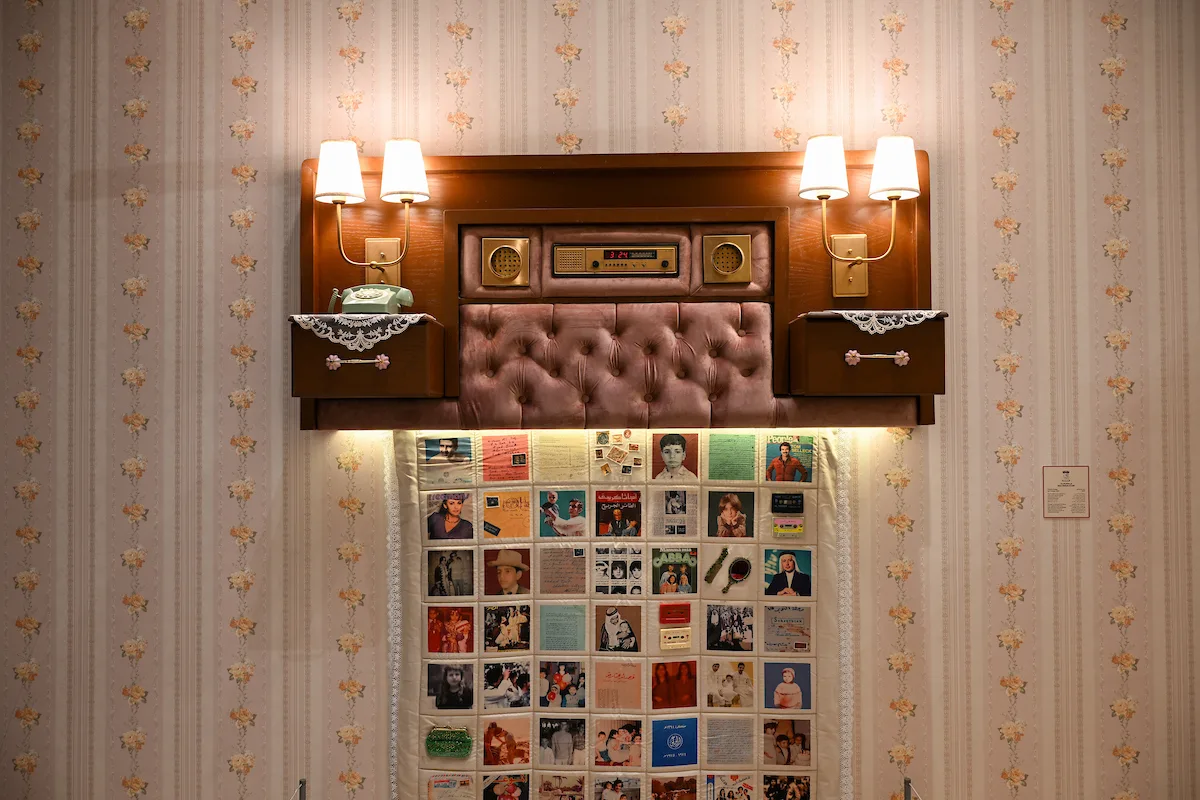
The bedroom might be the most revealing part of the journey. AlMogren sees it as the space where dreams first “learned to walk” — a neat way of describing that awkward transition from childhood to young adulthood. She speaks of how childhood toys and bits of pop culture memorabilia, ordinary as they seem, end up storing whole worlds. Several artists pick up that thread, exploring how identity forms within the walls of a nation that has evolved dramatically in only a few generations. With soft light and layered textures, these works treat memory less as a record and more as a feeling, in a nod to philosopher Maurice Merleau-Ponty’s idea that the spaces we inhabit shape how we understand ourselves.
What you’re left with, by the time you exit The People of the Home, is a feeling that domestic life is less a backdrop and more an inheritance. The exhibition blends heritage with contemporary language to show how past experiences continue to mould cultural identity, even in a fast-changing landscape.
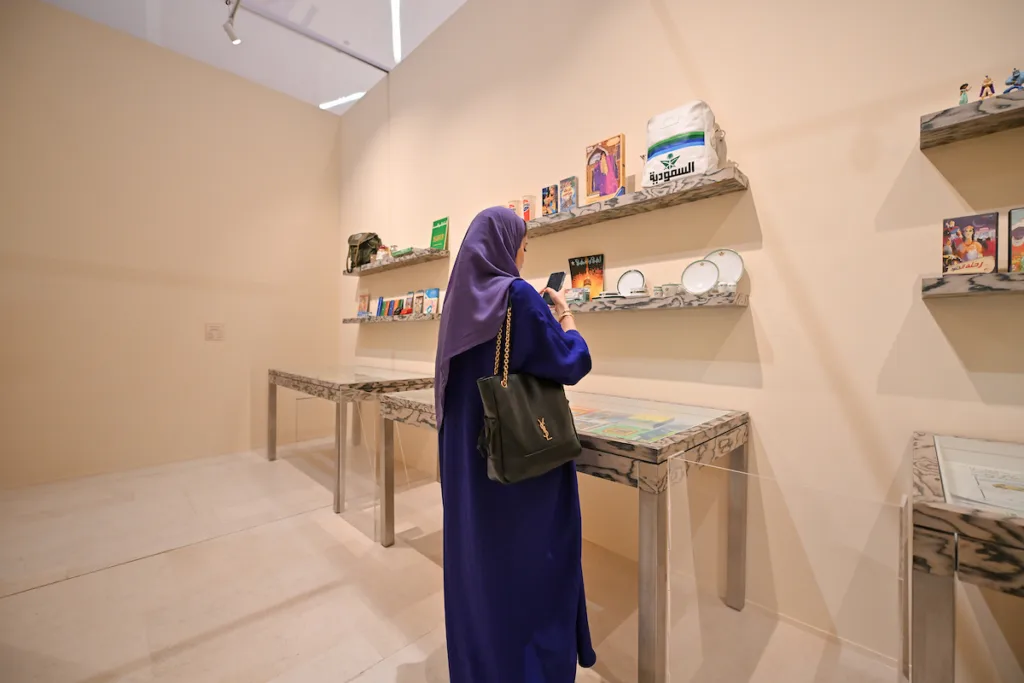
Ithra positions Echoes of the Familiar as part of its ongoing support for the Saudi creative ecosystem, fostering dialogue between artists, visitors, and institutions. The show encourages audiences to rethink home not as a fixed point of origin, but as a living, evolving concept. Because what is ‘home’ if not a culmination of memories and lived experiences?