
 Posted in
Art & Photography, Algeria
Posted in
Art & Photography, Algeria
Rahim Rabia’s visual journey from Tumblr scrolls to Algerian film noir
Text Zein Karam
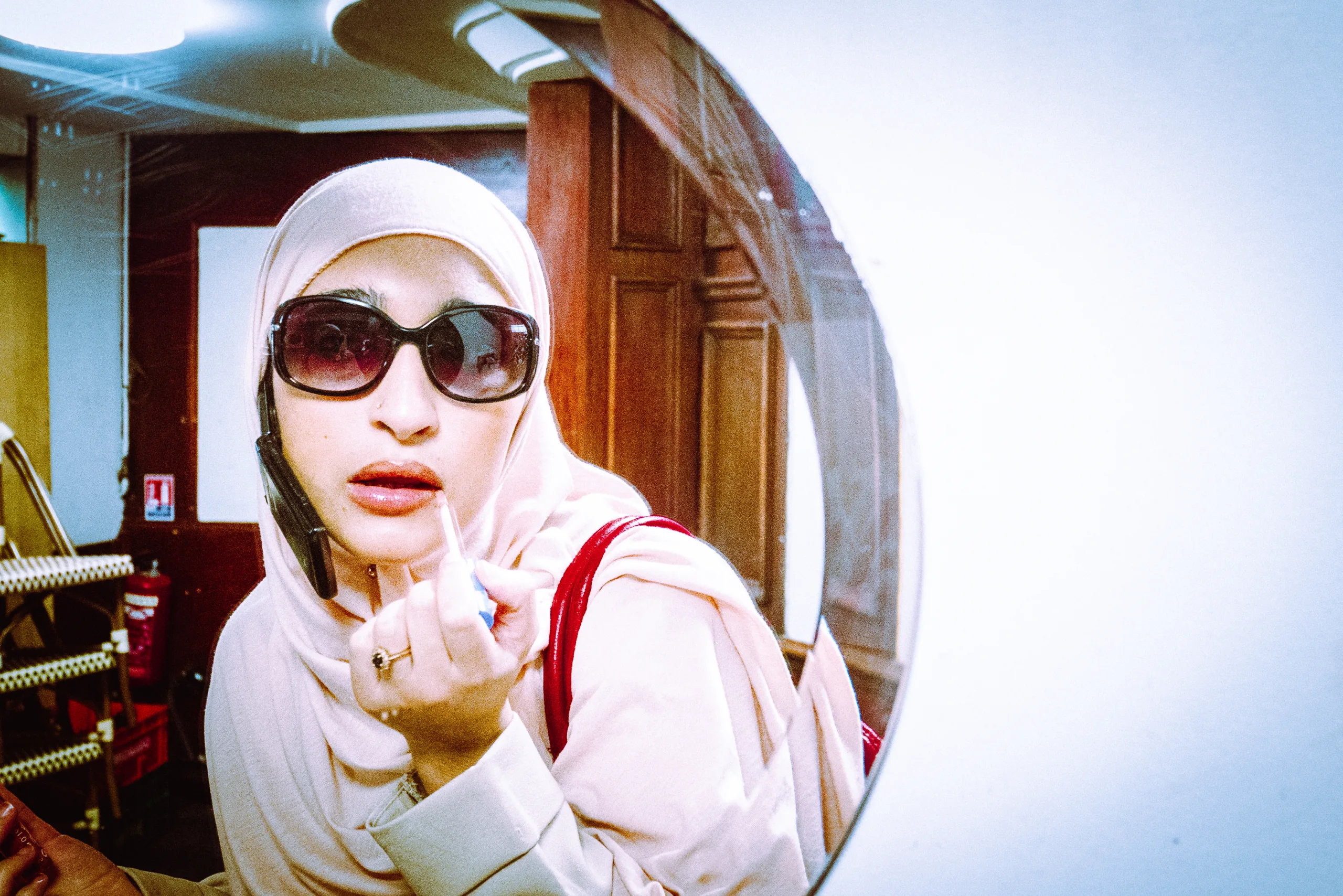
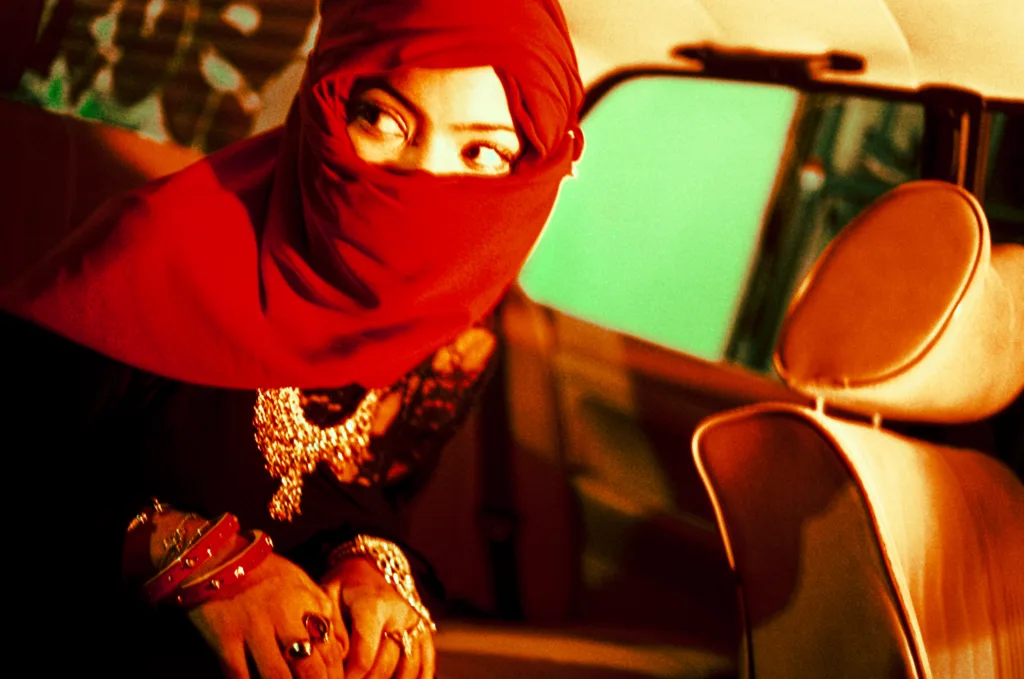
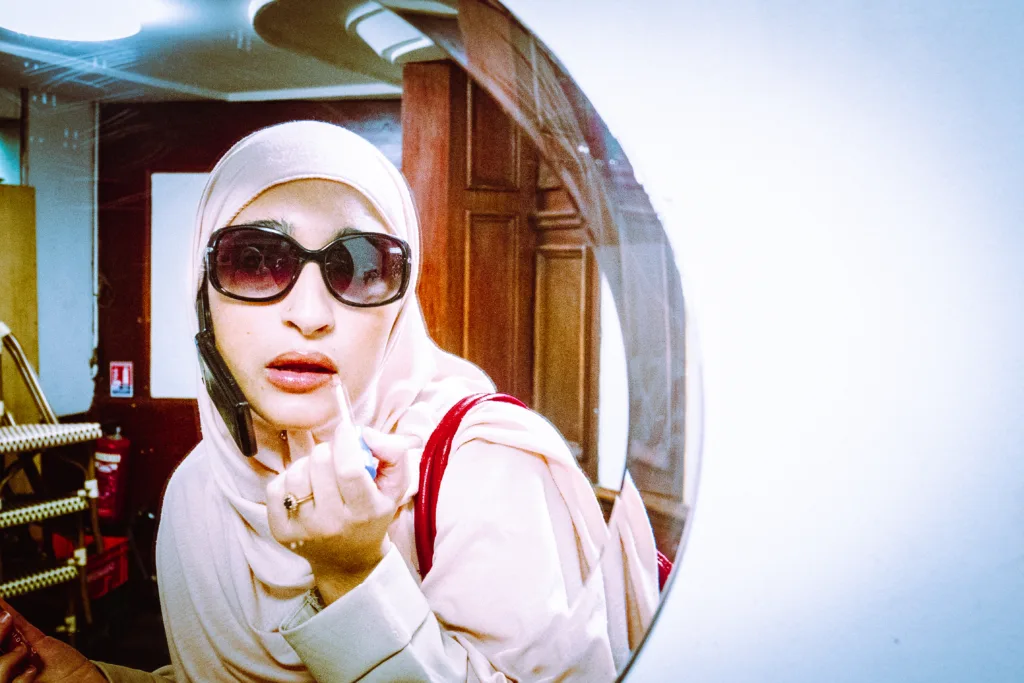
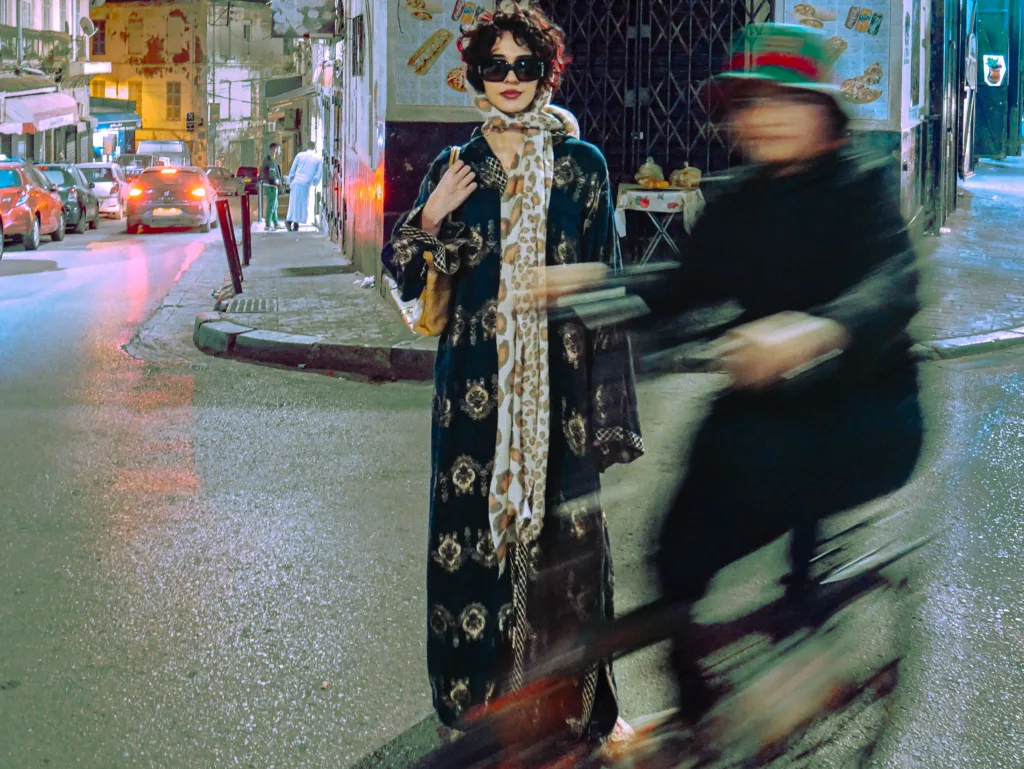
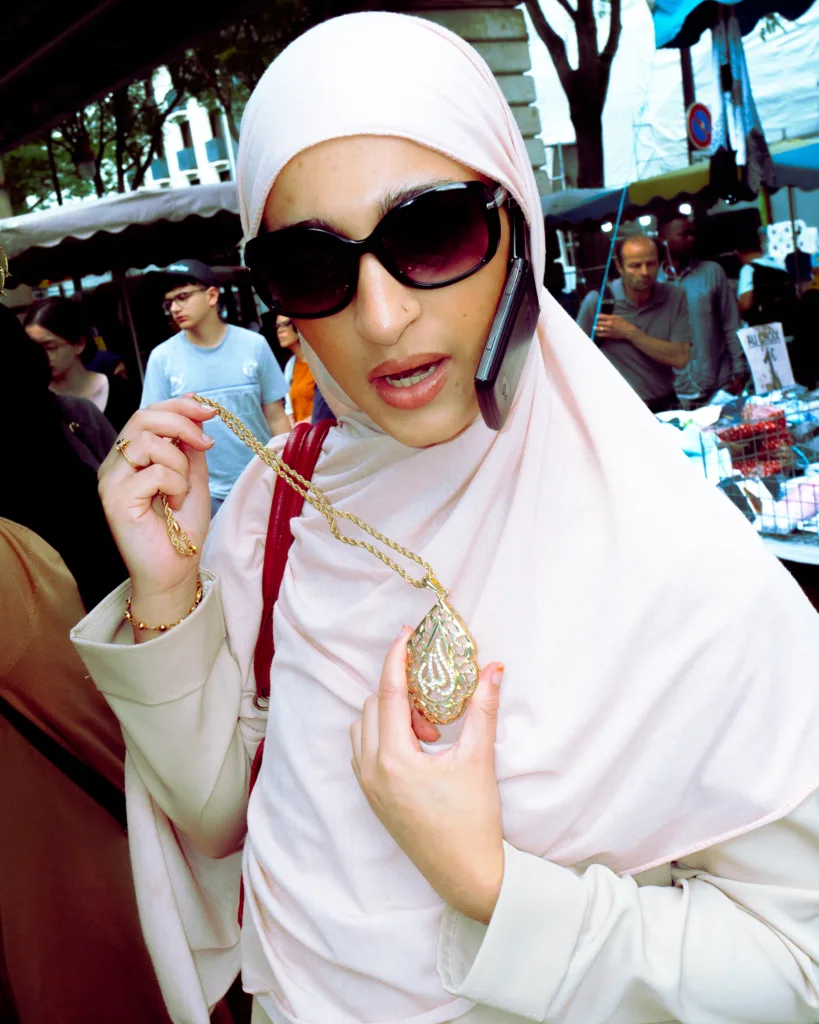
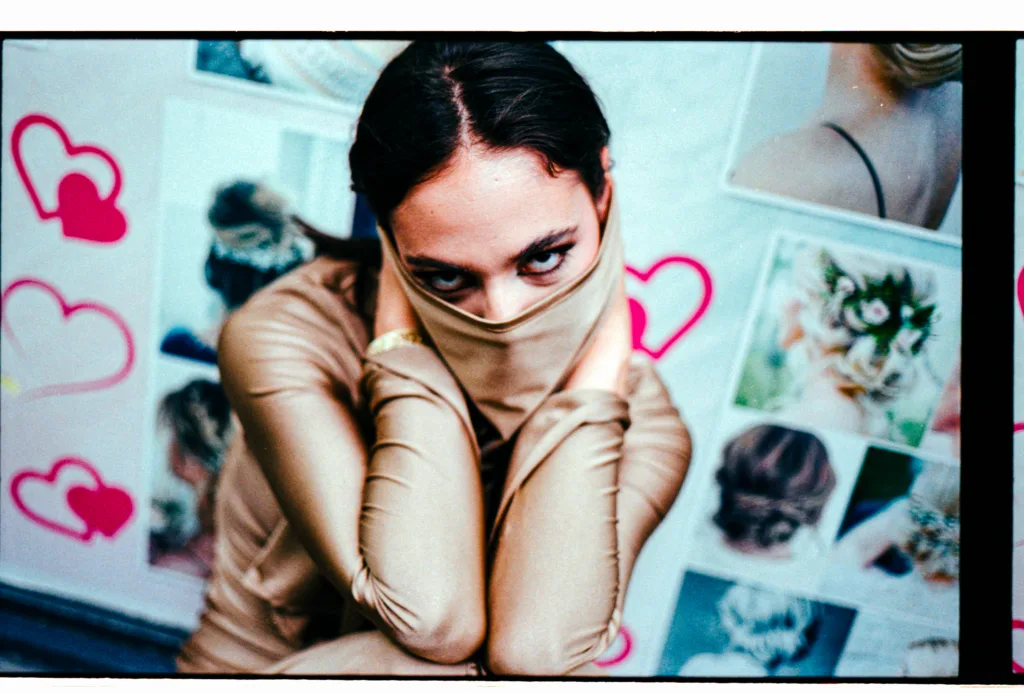
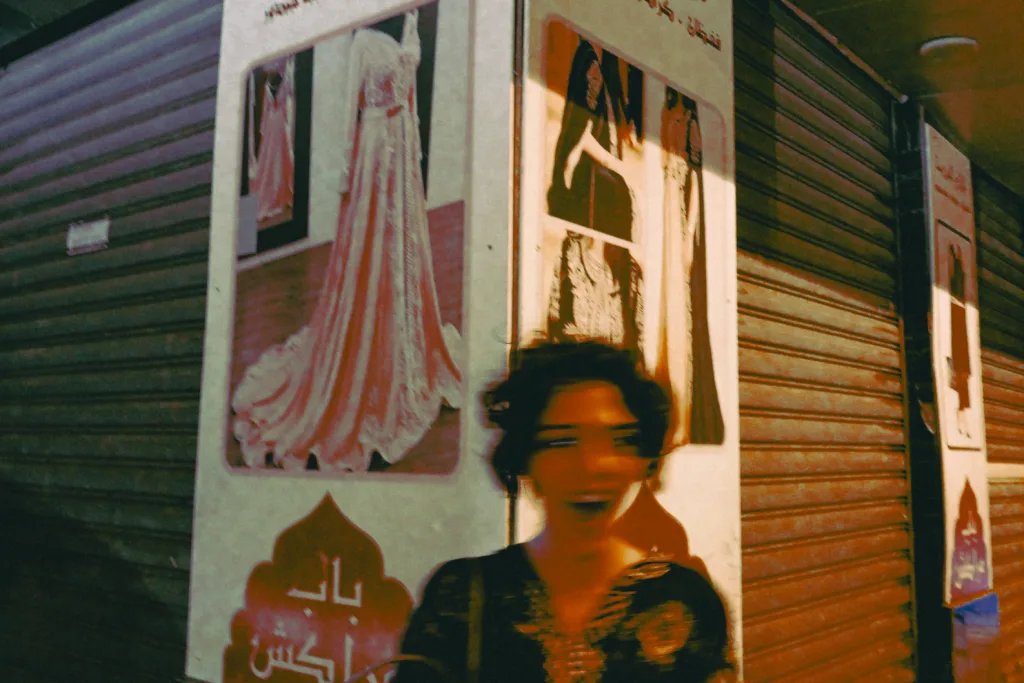
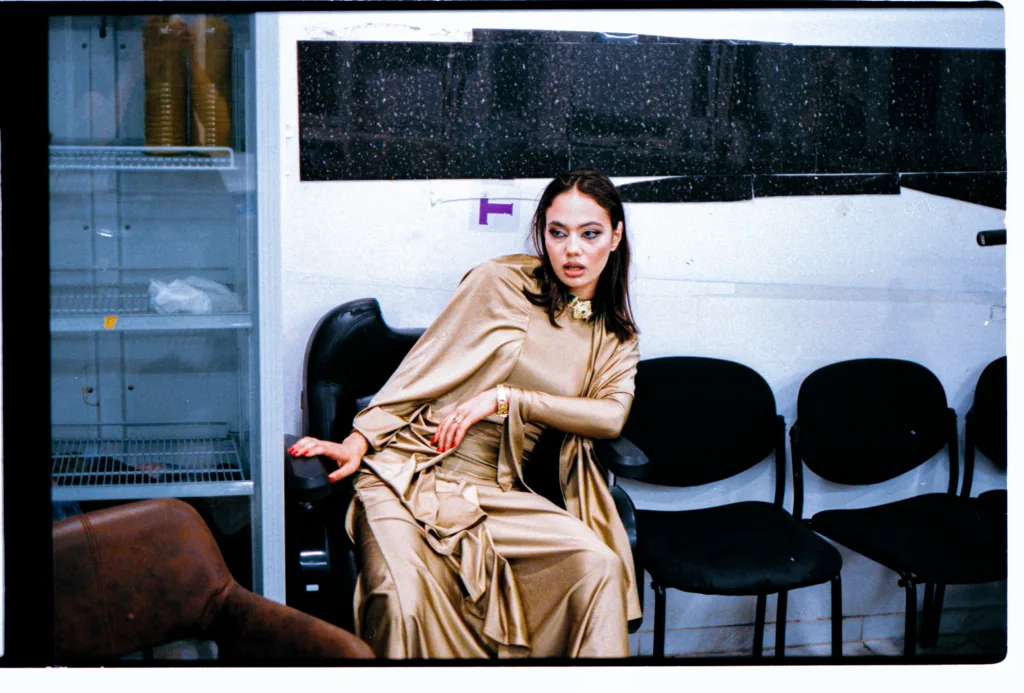
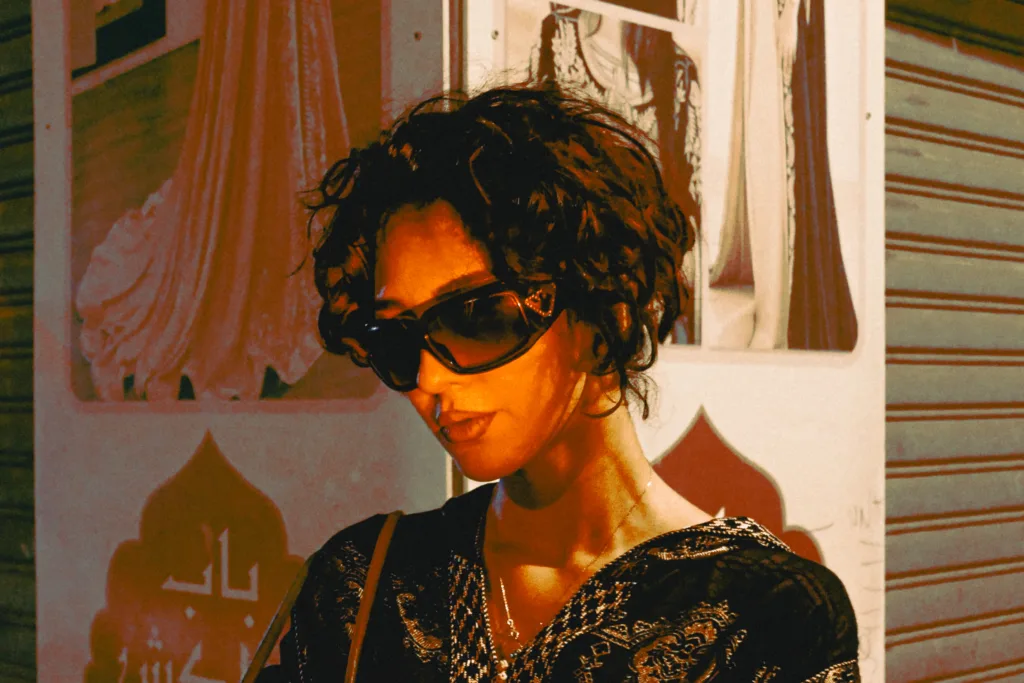
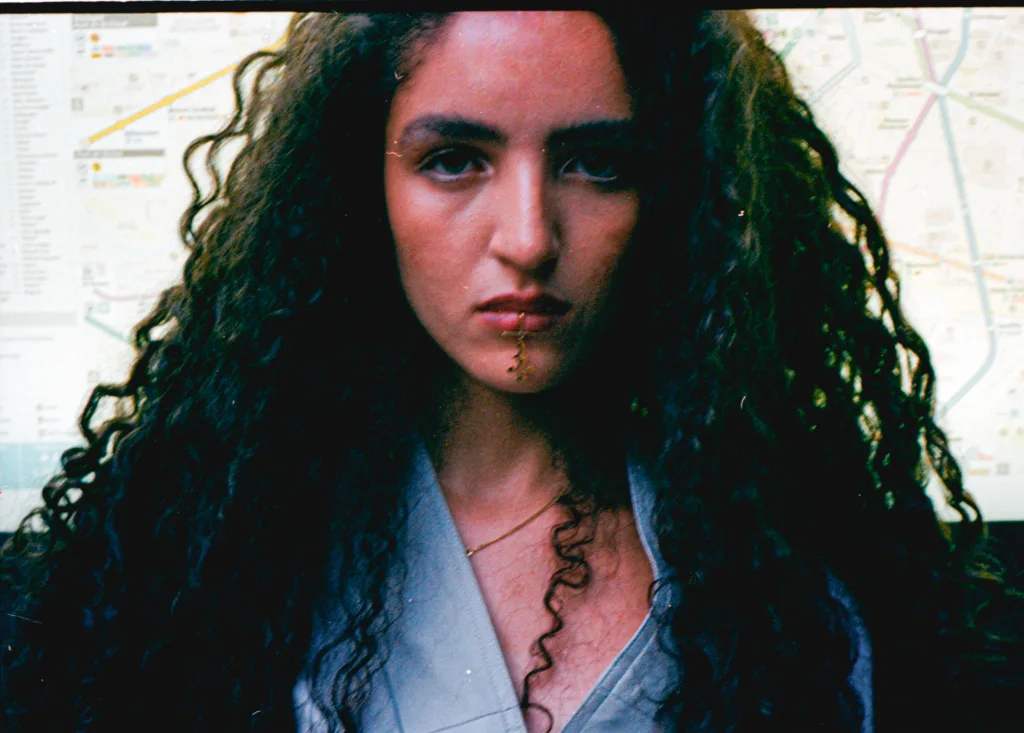
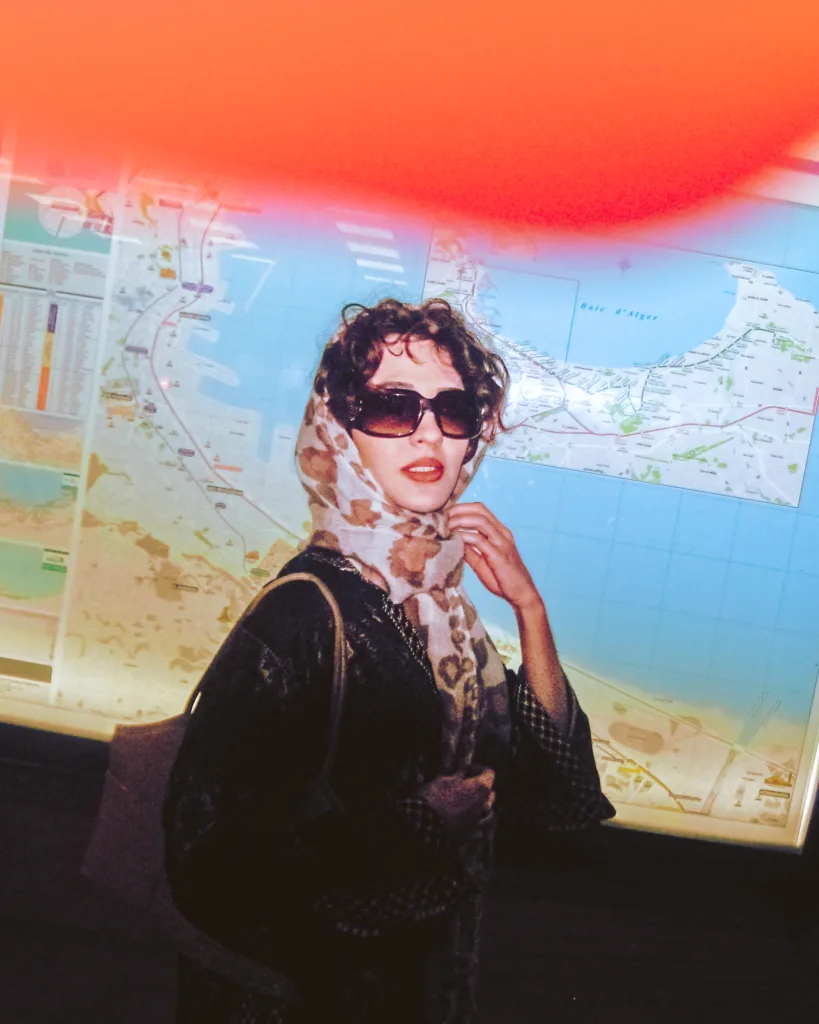
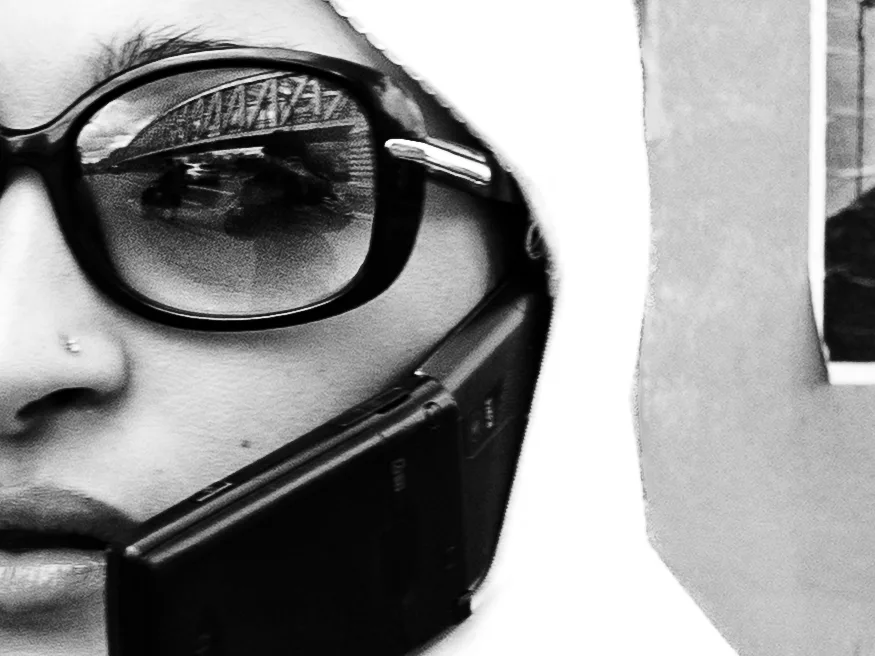
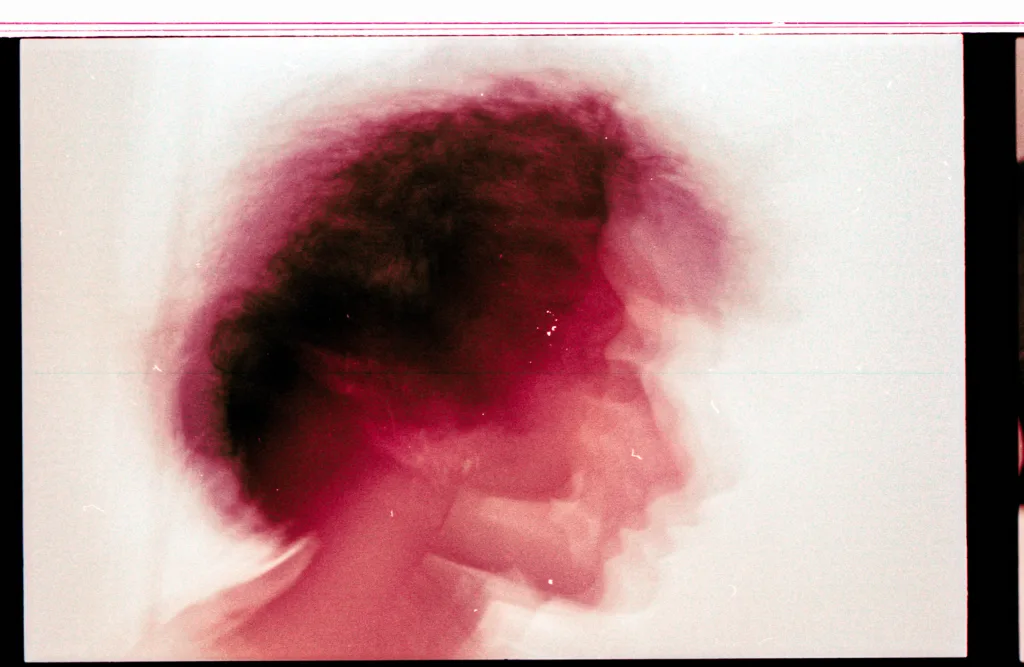
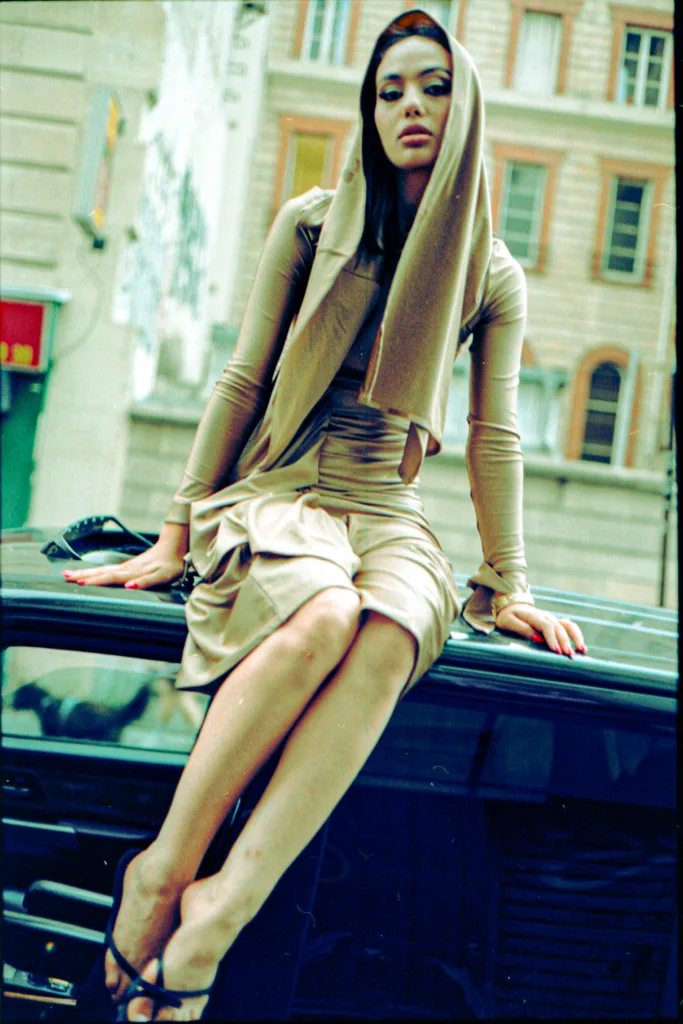
Rahim Rabia’s journey began where many of our own did: Tumblr. As you scroll through his body of work, each image evokes a striking language reminiscent of a film still. They prompt the viewer to ask, Who is this character, and what is their story? The self-taught Algerian photographer, now based in Paris, has crafted a body of work that combines emotional intimacy with a cinematic sensibility, often capturing spontaneous and authentic moments from everyday life.
Focusing on what he describes as familiar faces, predominantly from the Middle East and North Africa, Rahim explores themes of identity, presence, and the spaces in between. His photographs have a remarkable emotional depth and a resonance that feels both powerful and intimate. We spoke with Rahim to delve into his creative process, his photographic journey, and to hear about his favourite shoot to date.






What are you trying to convey with your work?
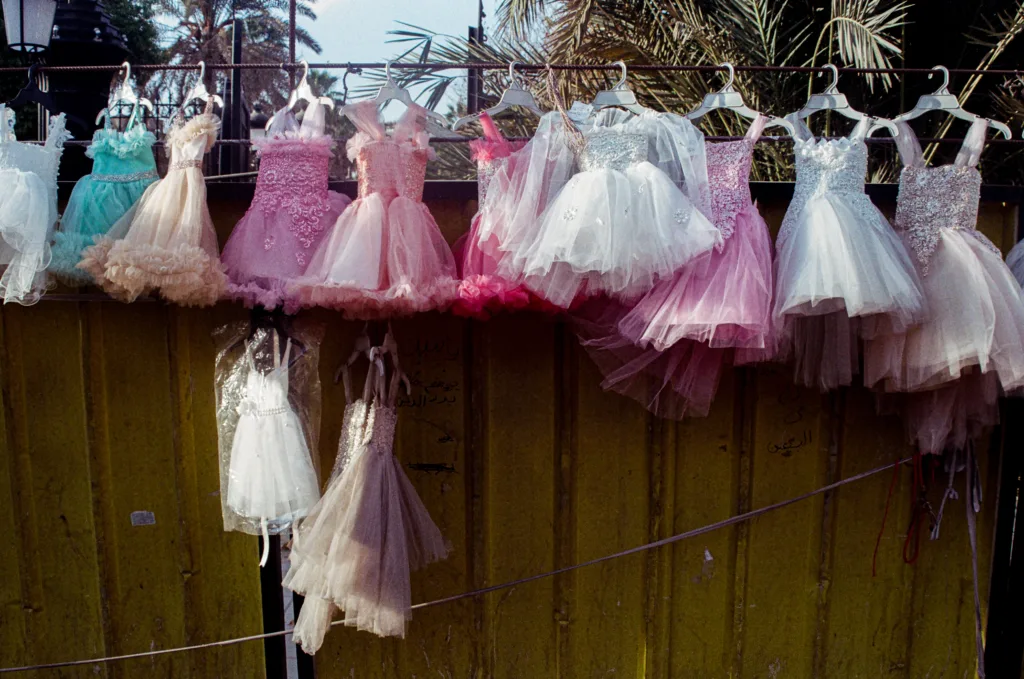
I try to convey a sense of familiarity and emotional closeness in my work, something intimate without being overly styled or fashion-driven. I take my photos instinctively; spontaneity is something I actively seek, both in the way I compose the image and in how I connect with the subject. For me, it’s really about capturing something honest, something seemingly ordinary.
When you look at my work as a whole, there’s often a nostalgic layer, a kind of emotional residue tied to the past, but I try not to let that nostalgia take over or define my artistic intention. I care more about capturing presence than dwelling on memory.
I want people to understand the individuals I photograph on their own terms, and this is the reason why I rarely share the context behind an image, because I believe in letting viewers interpret freely, to project their own emotions, to start their own dialogue. I see each image as an invitation rather than a statement. I’m not trying to explain and don’t want to, I’m trying to connect. The conversation is theirs to start.
Who or what is a source of inspiration?
When I was a teenager, I used to spend hours online, mostly on Tumblr. I’d fall into these endless scrolls of film stills, mostly noir stuff, New Wave, thrillers… lots of images with subtitles and these nostalgic bits of dialogue. I think that really shaped the way I see images now. I try to bring that same cinematic feel into my photos, like little fragments from a film you’ve never seen the beginning or the end of.
But in all those stills, the people were mostly Western. Over time, I started bringing that kind of visual language into my own world — using faces that feel familiar to me, mostly people from the Middle East and North Africa. It’s a way of making that aesthetic speak in a different voice, one that feels closer to mine.
There are also photographers who made me want to work with images, people like Nan Goldin, Davide Sorrenti, and Alex Webb.
With Sorrenti in particular, it wasn’t about technical perfection; it was about how close and raw everything felt. He photographed his world without trying to beautify it, and that honesty really stuck with me.
When did you start your photography journey?
I’ve always been drawn to photography. I was that friend who was always taking pictures during outings, everyday moments, even the most mundane things. At first, it was more about archiving, just keeping traces of things.
But when I moved to France, that practice started to shift. Photography became a way to reassert myself as an individual in a new society. I was facing the unfamiliar, and in a way, putting a camera between me and the world helped soften that confrontation. It created a kind of distance, a buffer, it allowed me to engage with the change without being overwhelmed by it.
What’s your favourite shoot so far? And why?
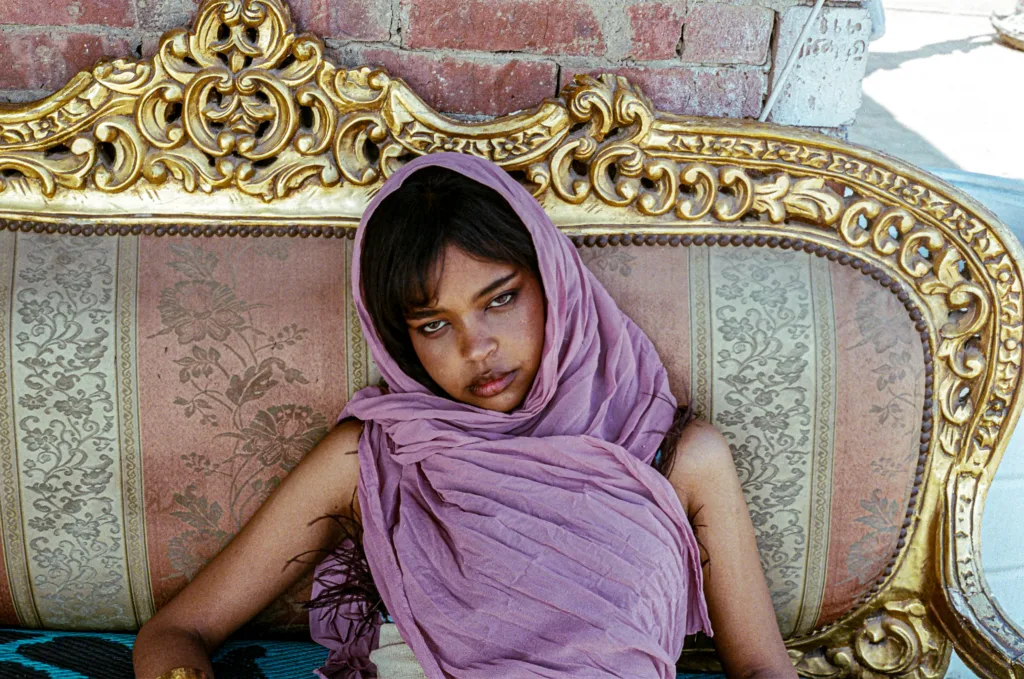
My favorite shoot took place in Cairo. I wanted to do portraits of my friend Haze, but I didn’t have a specific theme; I just wanted to suggest that we were in Cairo without having a big close-up of a pyramid. When I arrived to meet her, one of her friends told me he had exactly what I needed: a stylist and a location with a discreet view of the pyramids.
To catch the best light, we decided to shoot very early in the morning. We were all tired and running on autopilot, which made the photos more instinctive and natural. Everything came together spontaneously, and when I saw the results, one of the photos reminded me of a shot from one of my favorite films, La Collectionneuse by Éric Rohmer.