
 Posted in
Art & Photography,
Posted in
Art & Photography,
The Iraqi Print Archive preserves the nation’s printed memory
Text Omar Ghonem
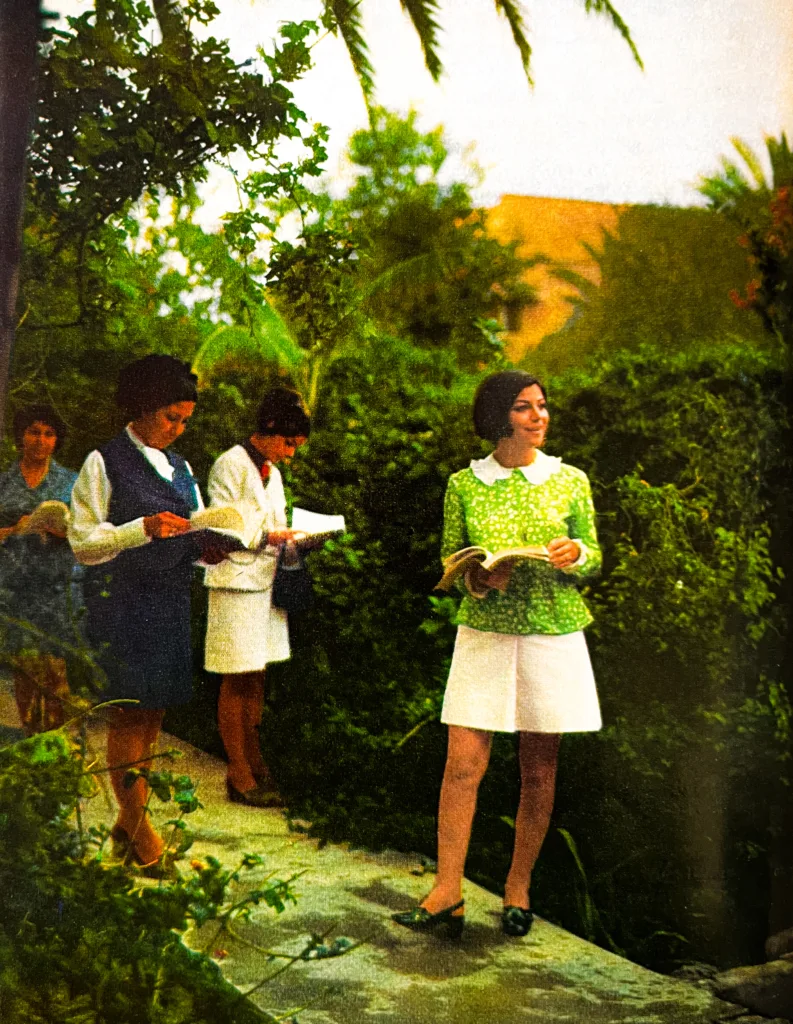

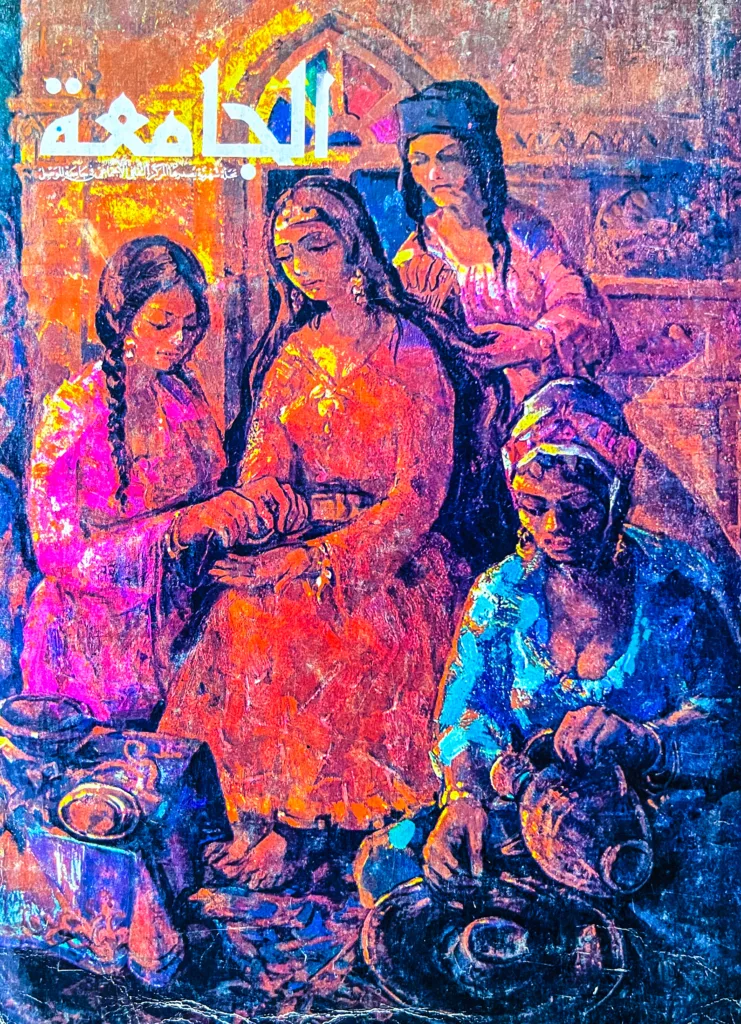
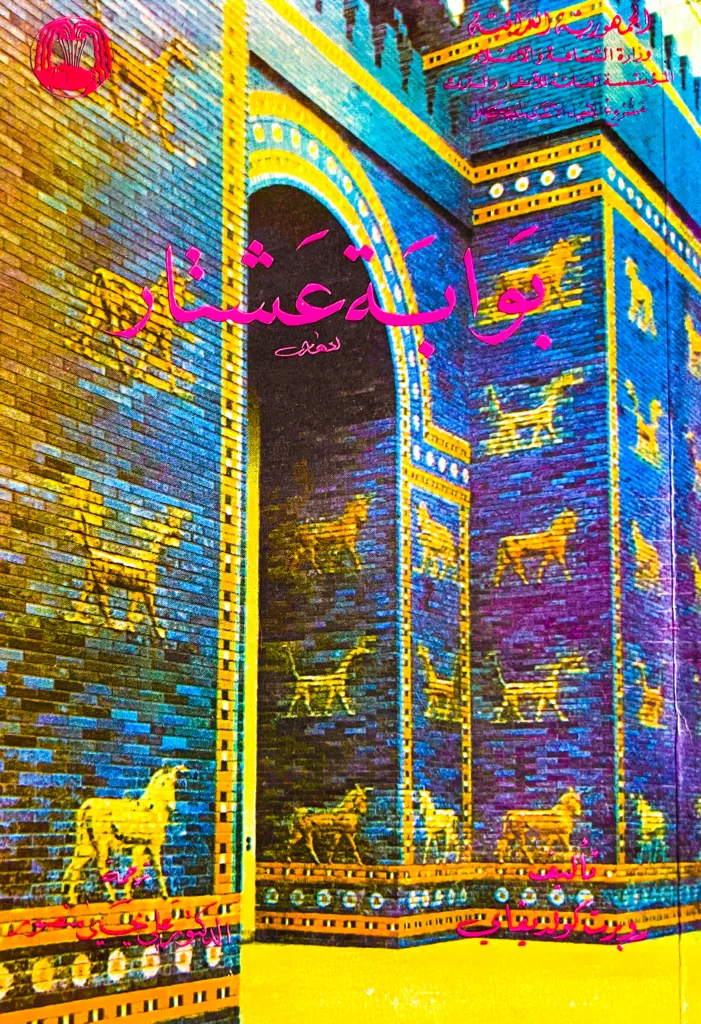


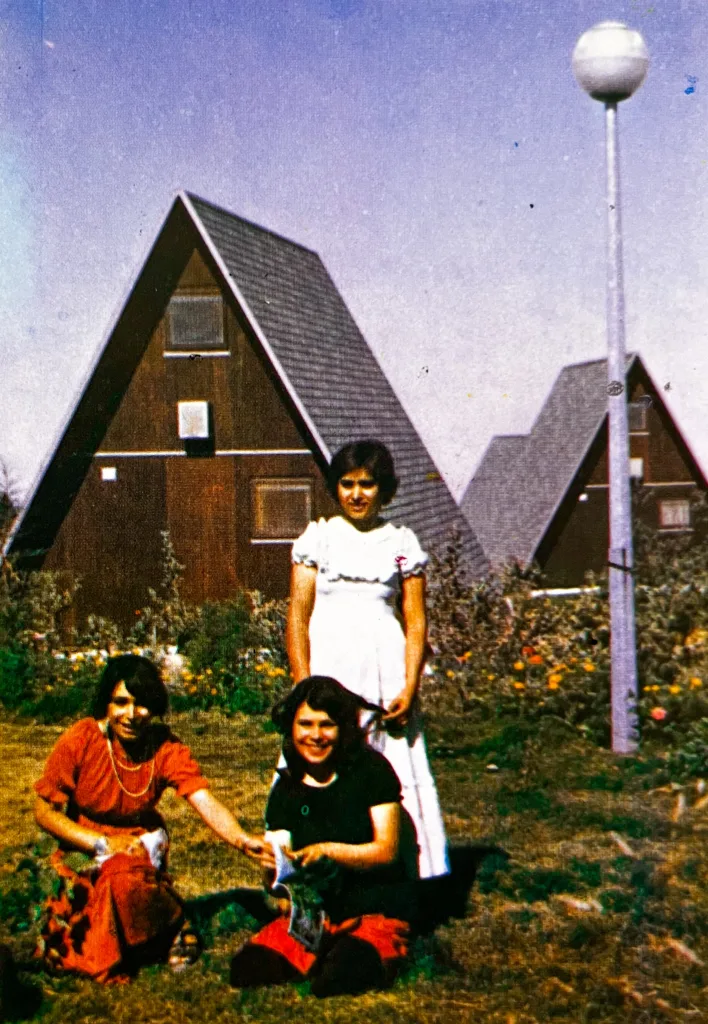

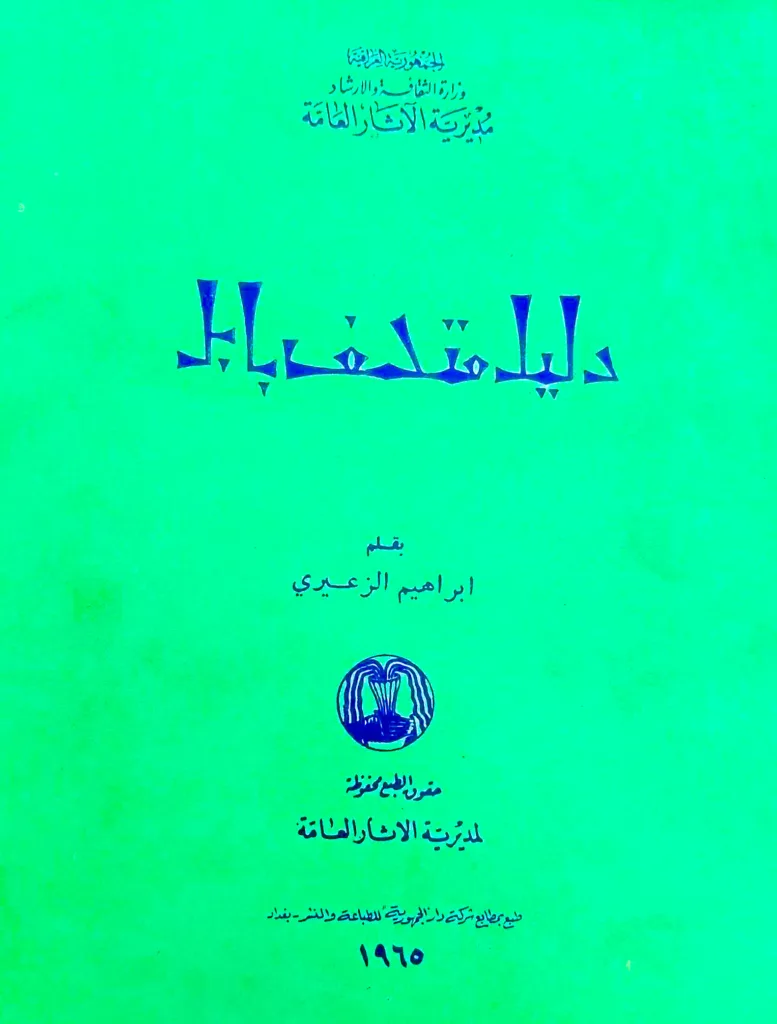

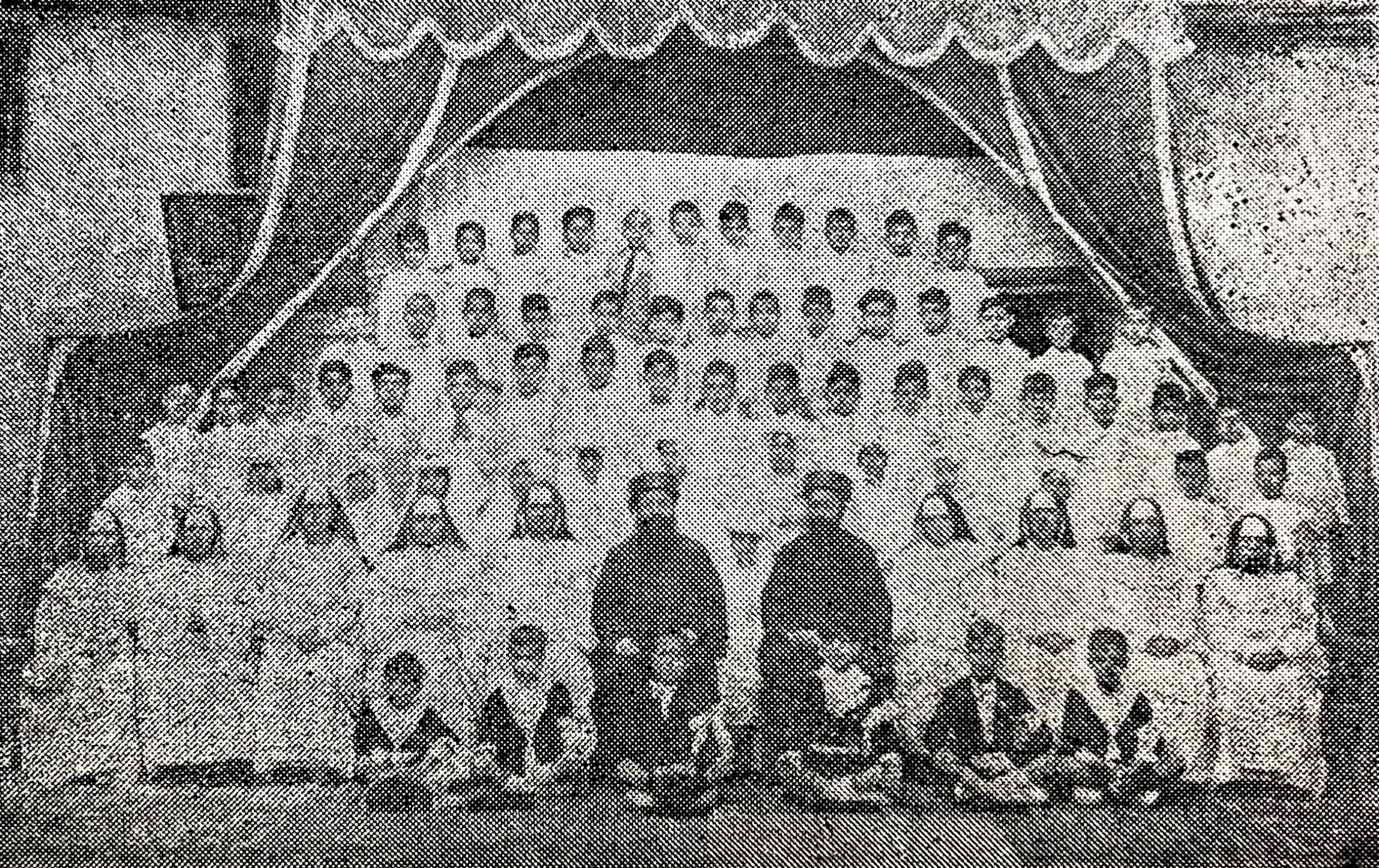
In modern Iraq, a country with one of the oldest continuous civilizations in the world, archiving is an act of survival. Decades of conflict, sanctions, invasions, censorship and successive periods of political instability have disrupted the institutional continuity and left large gaps in several areas in the country’s cultural memory. In this context, archiving becomes both a protective and reconstructive effort, documenting a historical record of Iraq’s social, political and cultural life that might disappear from the nation’s memory.
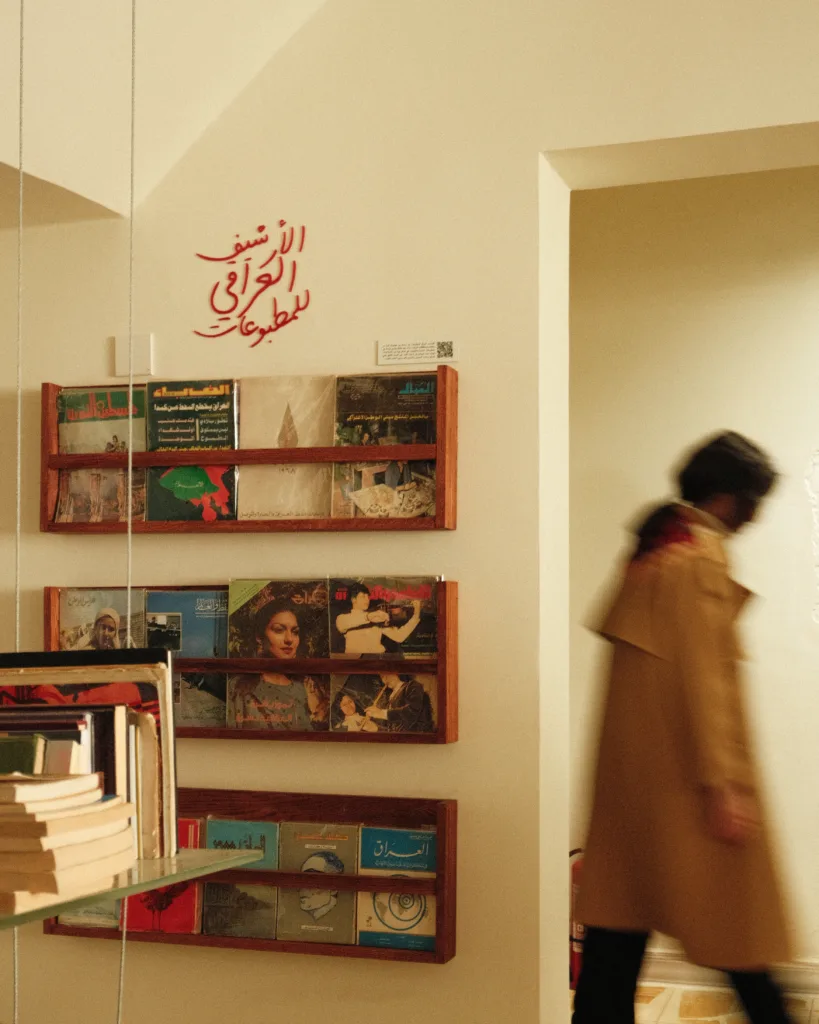
The Iraqi Print Archive emerged as a response to this potential loss, functioning as a grassroots initiative to collect, restore and digitize Iraq’s printed heritage. The archive encompasses newspapers, magazines, books, posters, pamphlets and visual ephemera that survived periods of neglect and destruction. The project emphasizes as a collective resource rather than as commercial objects, enabling researchers, students and the wider public to study Iraq’s history directly from primary sources.
Founded by Iraqi writer and researcher Mohamed Yaroub, the archive grew from a personal understanding of the vulnerabilities of Iraq’s printed history. “I was aware that printed materials had suffered over the past decades – theft, burning and deterioration caused by wars and political upheavals that struck the country, leading to the loss of a large part of its cultural memory.” Yaroub explains. Yaroub comes from a family of print collectors and enthusiasts, and what began as a generational, personal interest soon expanded into a larger cultural project aiming to preserve a broader record of Iraq’s cultural past.
The archive was launched as a collective initiative in 2021, led by Iraqi researchers, writers, artists and experts that are unified by one common goal: protecting Iraq’s heritage from further loss. The project now contains more than eight thousand items, which are cataloged, restored and digitized to ensure both preservation and accessibility.
Yaroub frames the archive in terms of collective memory and societal continuity. “I always repeat the word ‘memory’ because the archive, at its core, is the memory of past generations. But I don’t view it through the narrow lens that limits it to political or administrative aspects, I see it as a witness to people’s lives. Their transformations, memories, moments and places. I speak of ‘memory’ because Iraq, unfortunately, no longer has an intact political, social or cultural memory.” The project therefore documents more than historical events, it also provides insight into the daily lives and social changes that have shaped Iraq over the past decades.
The archive faces significant operational challenges. Specialized restoration skills are limited, and handling fragile materials require care to prevent further damage. Digitization is another challenge, the process is technically complex and costly, requiring high-quality scanning equipment, controlled storage and expertise to catalog and manage digital assets. Many important and rare items are difficult to access due to their locations within private collections or in closed organizations and institutions. Additionally, public understanding of the value of printed history remains very limited and Iraq lacks a legal framework to protect such materials.
Digitization is especially central to the archive’s approach. “Due to the harsh conditions the project faces, the process grows increasingly complex, starting with surveying thousands of prints and categorizing them, then sorting them by type and period, restoring them, and preserving them in an appropriate environment. Each stage requires time and effort and specialized skills.” Yaroub notes. Digital copies safeguard the originals while creating a resource that can be accessed remotely, supporting researchers and academics without further deterioration of physical prints.
Beyond the multi-phased process of archiving these materials, the archive also focuses on field participation and community outreach. On-the-ground events and initiatives across different governorates aim to revive Iraq’s visual and printed memory by making it more visible and relevant to the local communities. These activities include exhibitions, workshops and partnerships with cultural institutions and organizations fostering sustainable collaboration and awareness of the nation’s printed heritage. This approach extends the archive’s work beyond collection into a broader cultural project that actively involves Itaqi communities in engaging with their past.
The archive documents societal transformations over time. “These documents reveal Iraqi society through its daily life, habits, cultural identity, and collective affiliations. They also show how society responded to intellectual, technological, and social transformations, reflecting the ongoing interaction between tradition and modernity over time,” Yaroub observes. By capturing these dynamics, the archive preserves material evidence of changes in everyday life, cultural practices, and collective attitudes.
The Iraqi Print Archive positions itself as a shared resource. “The archive identifies itself as a shared human heritage, available to everyone without distinction. The materials published call for a broader project to digitize printed works and facilitate access for all interested individuals, ensuring the preservation and widespread, systematic, and objective dissemination of this heritage,” Yaroub says. Open access allows the archive to function as both a research tool and a public resource, extending its impact beyond specialized audiences.
The archive relies largely on voluntary efforts. “The cultural sphere in Iraq suffers from noticeable neglect, especially regarding documentation. Efforts so far remain largely individual and rely heavily on voluntary work by a small group of people who appreciate the importance and value of such projects in anchoring knowledge and preserving heritage,” Yaroub notes. In the absence of extensive institutional support, the archive continues to rely on committed individuals to maintain, expand, and promote Iraq’s printed record.
Through careful restoration, digitization, and community engagement, the Iraqi Print Archive provides an organized and accessible record of Iraq’s printed heritage. It offers a practical response to the country’s disrupted institutional memory while providing resources for research, documentation, and cultural participation. By combining preservation with active field engagement and partnerships, the archive contributes to sustaining Iraq’s cultural and historical knowledge in a context where both have been repeatedly challenged.