
 Posted in
Art & Photography, Lebanon
Posted in
Art & Photography, Lebanon
Unfinished fantasies: Myriam Boulos
Text Ahmad Swaid
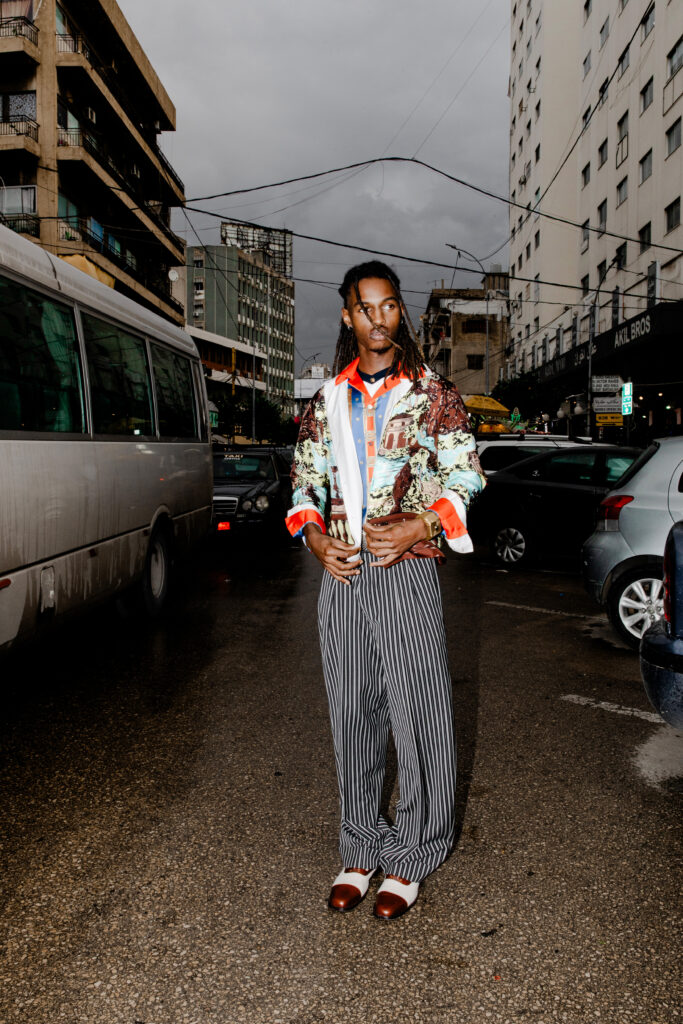
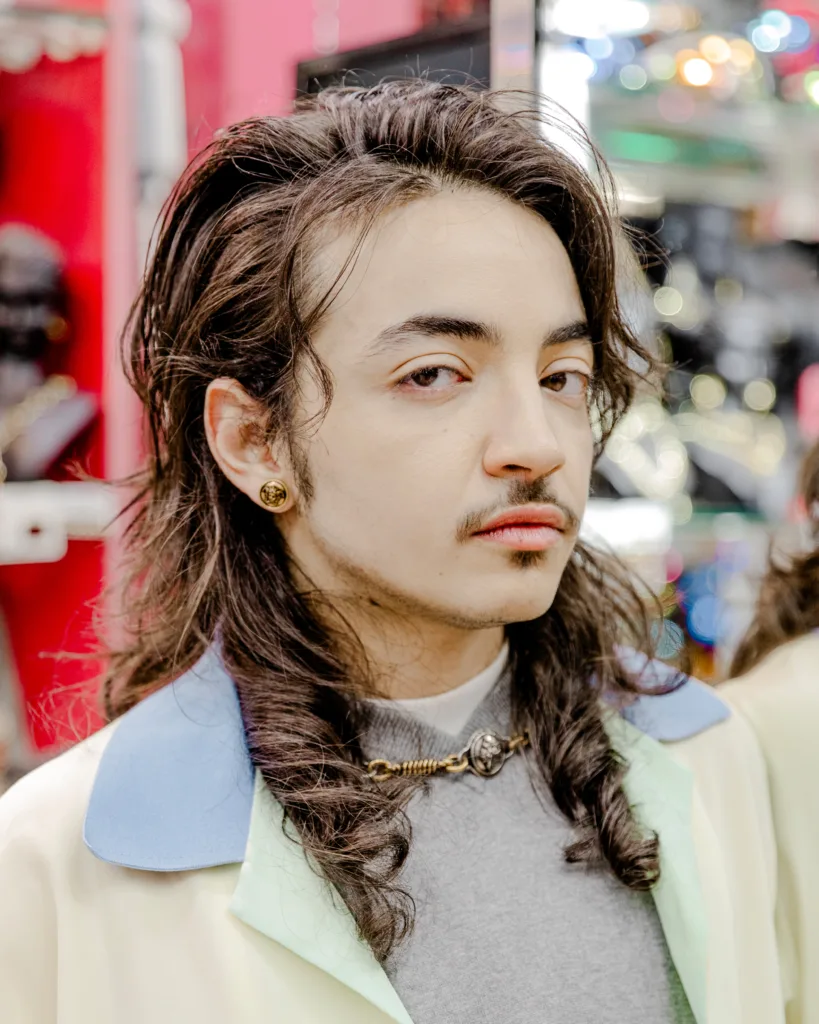
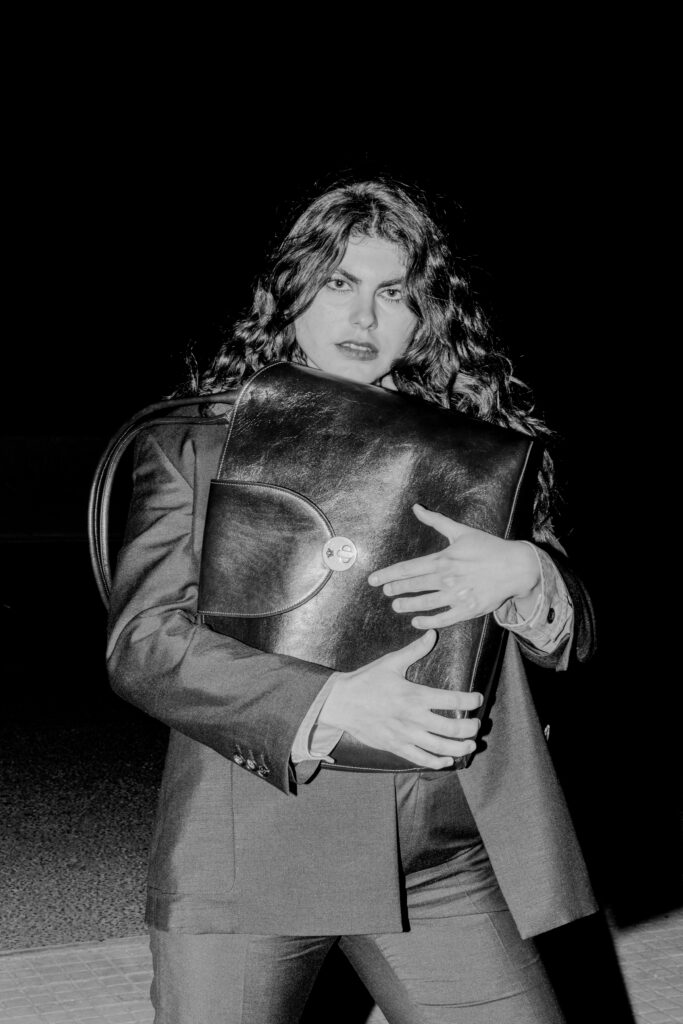
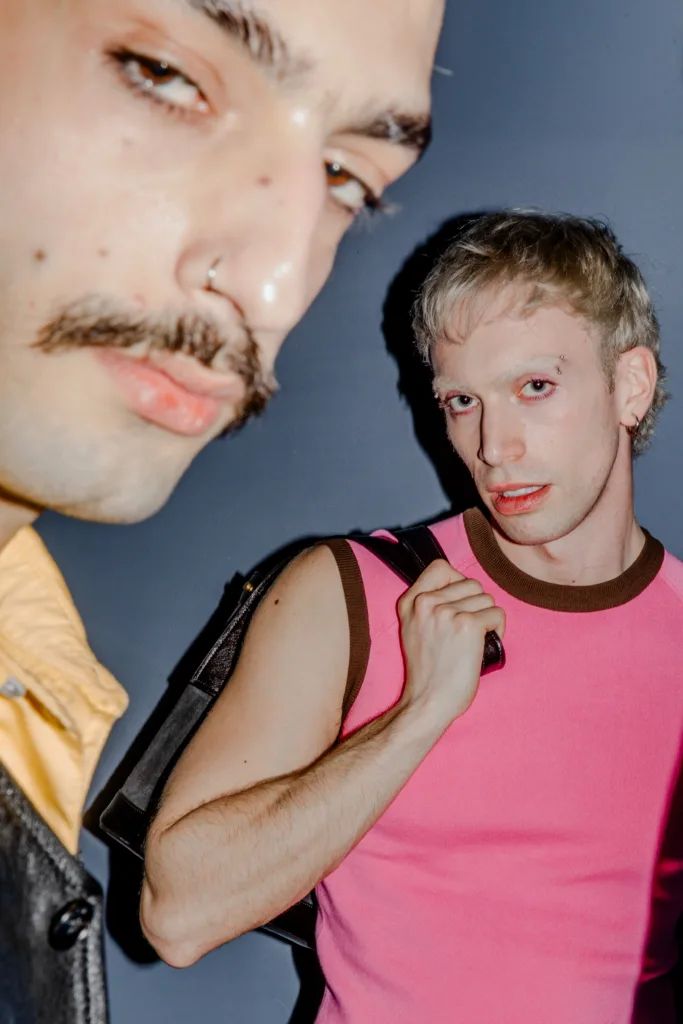
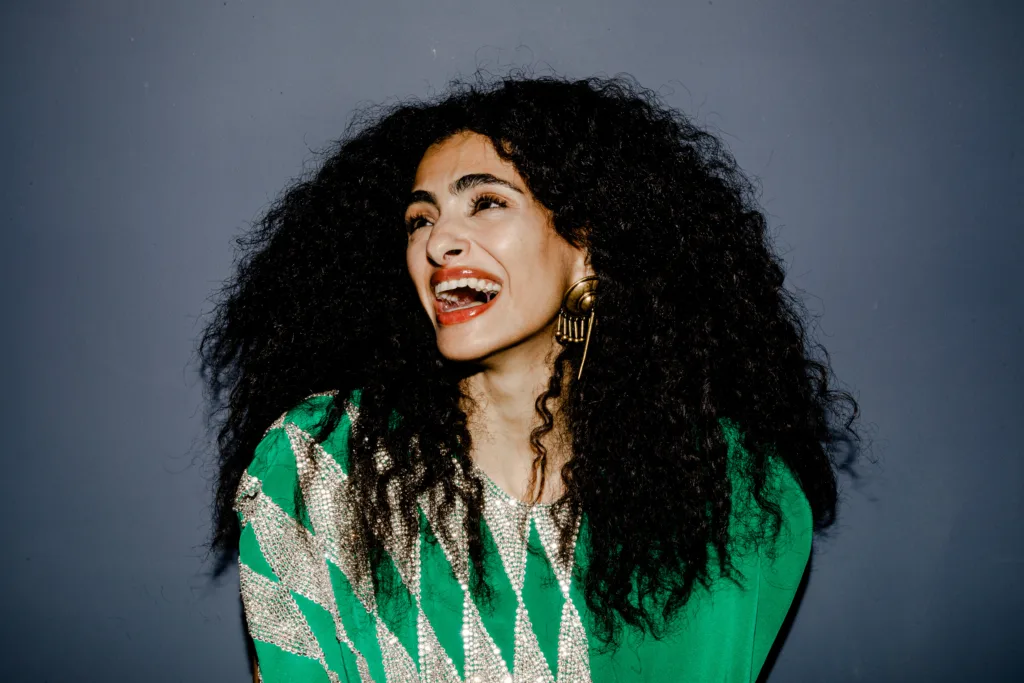
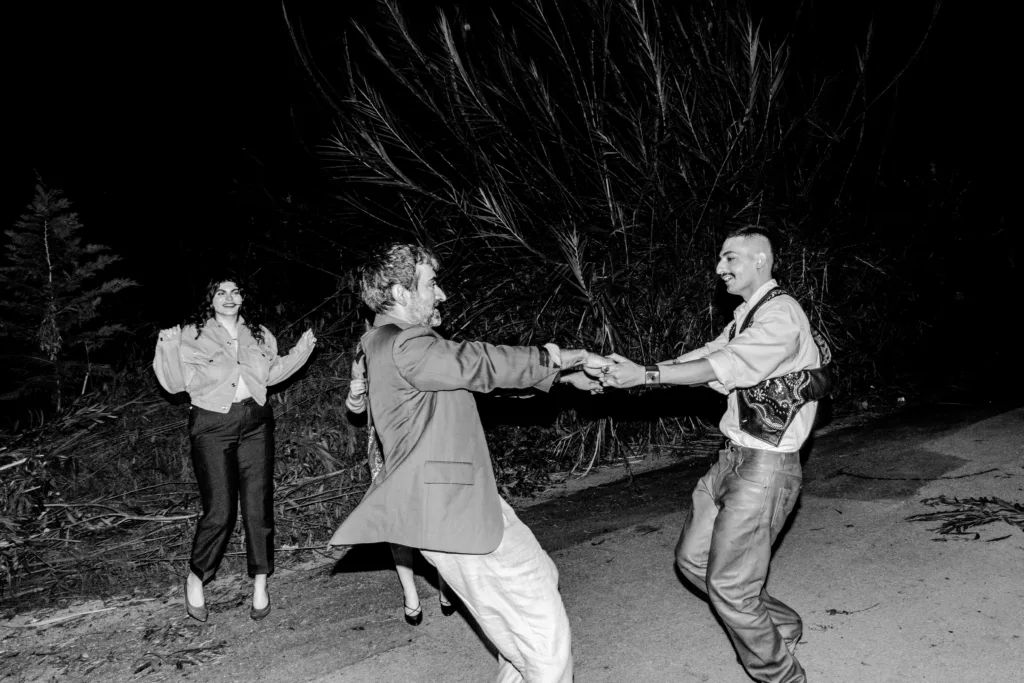
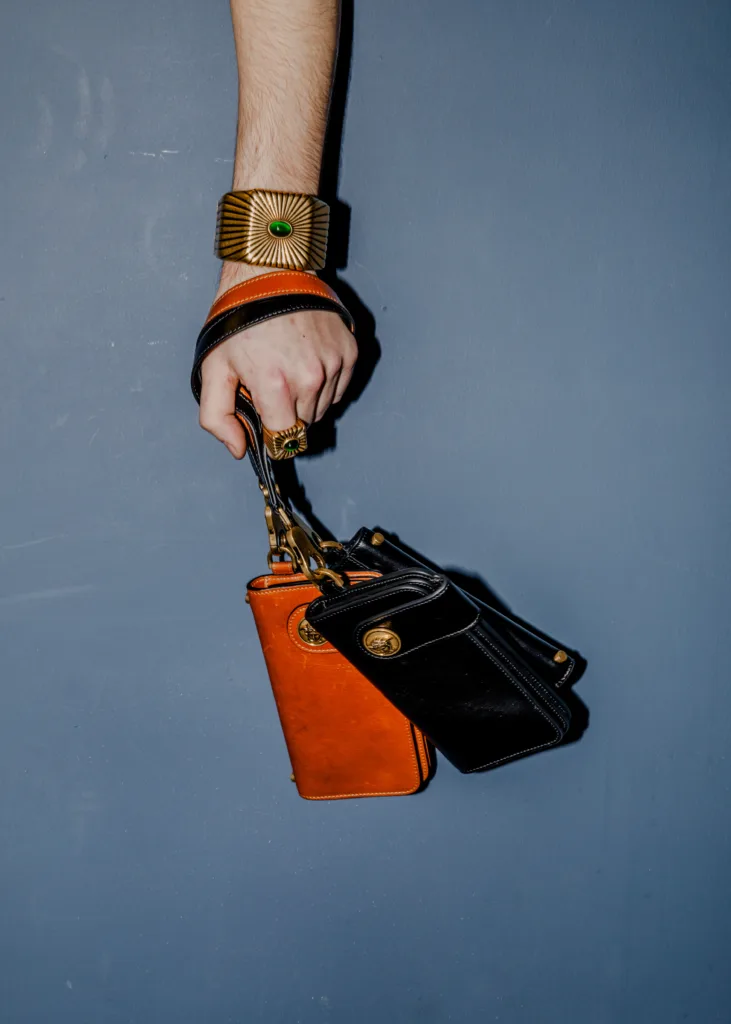
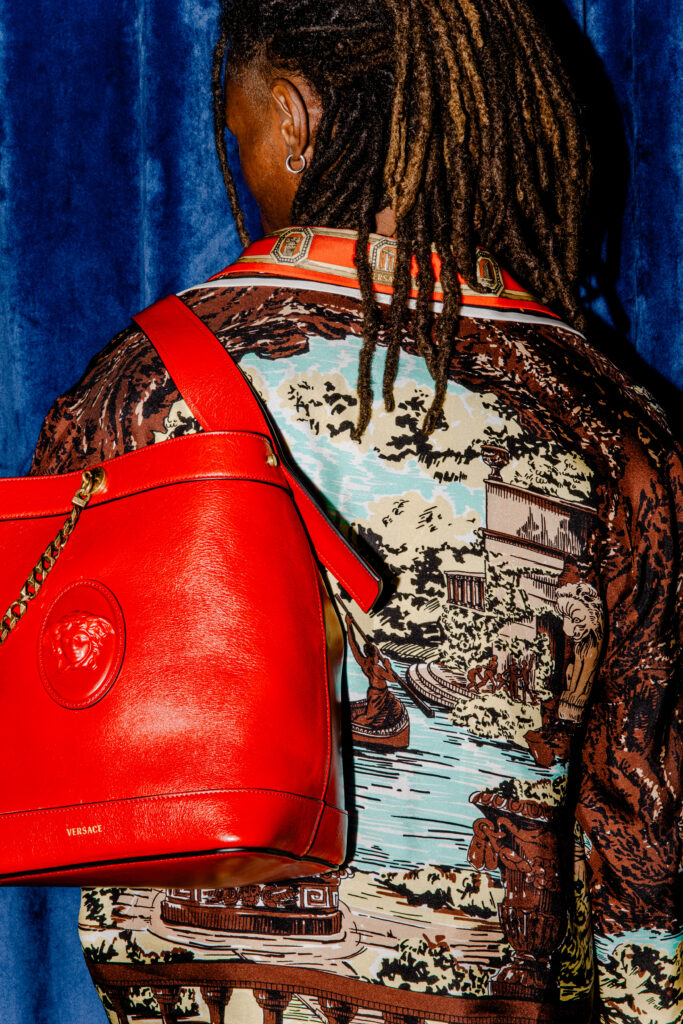
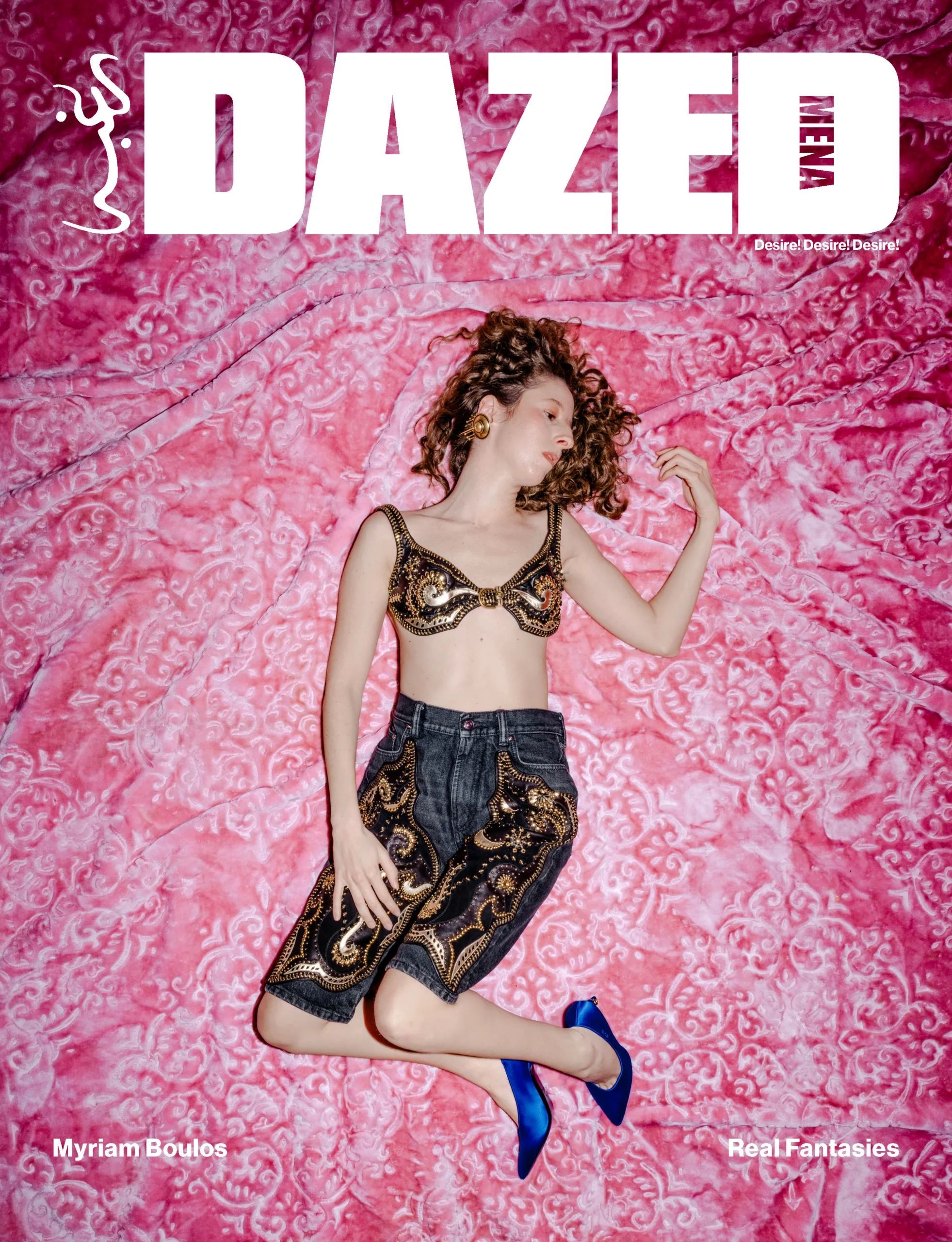
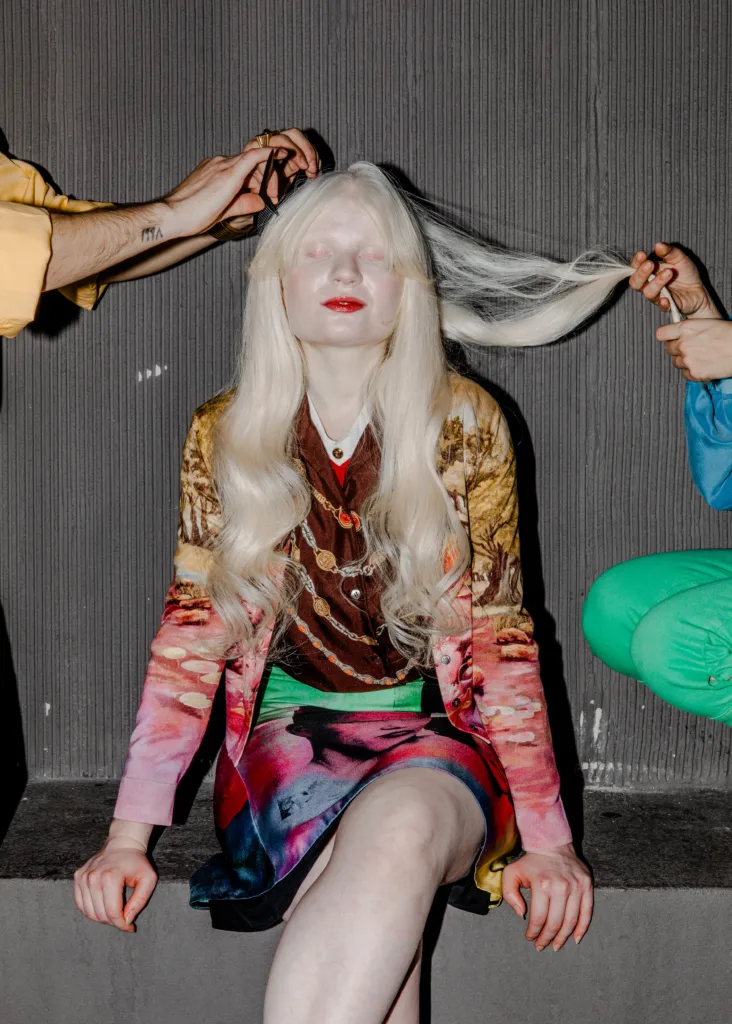
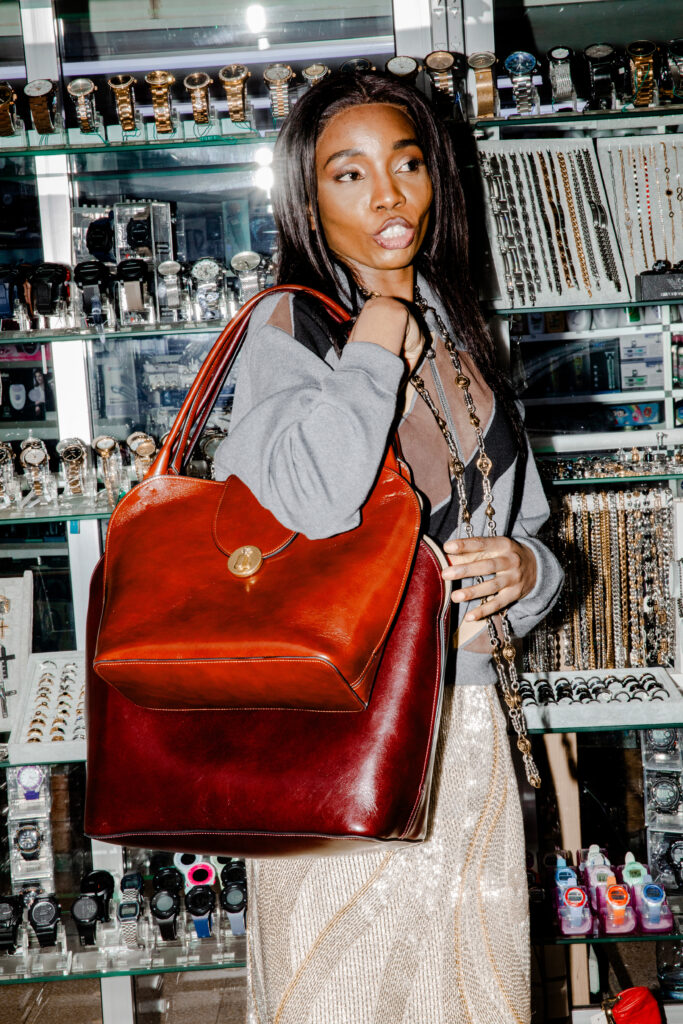
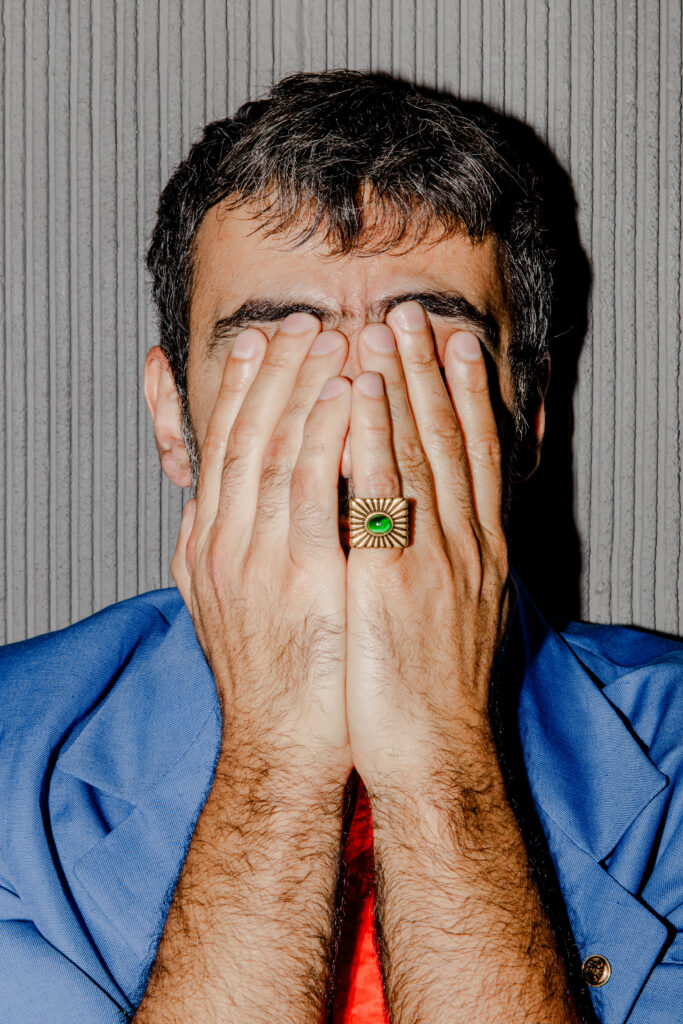
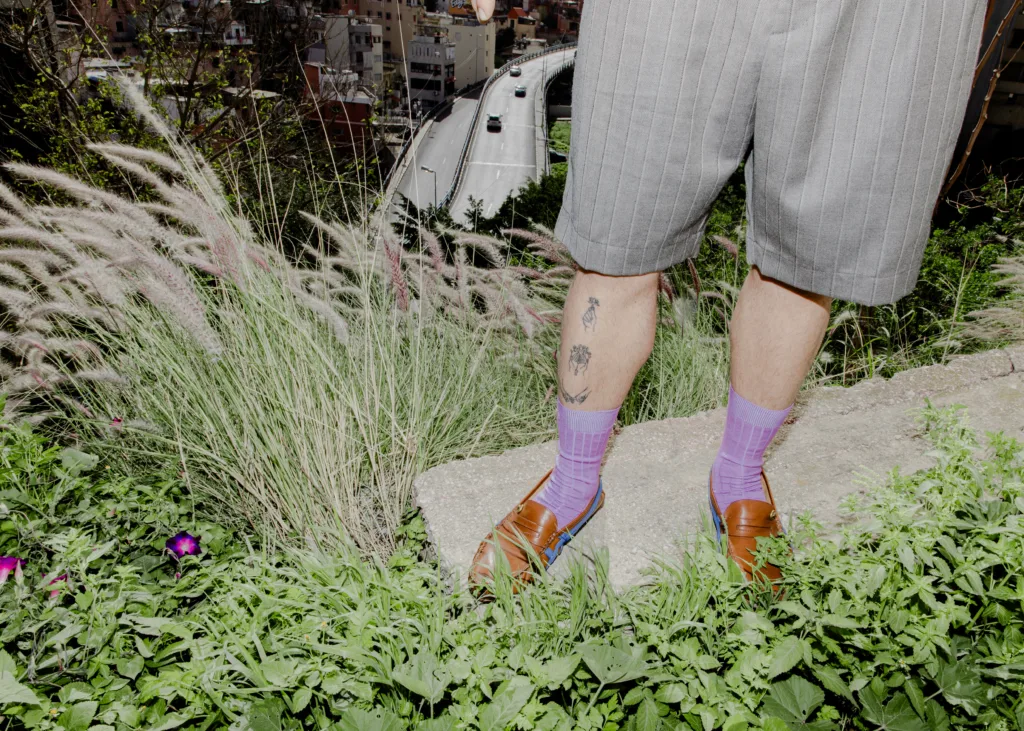
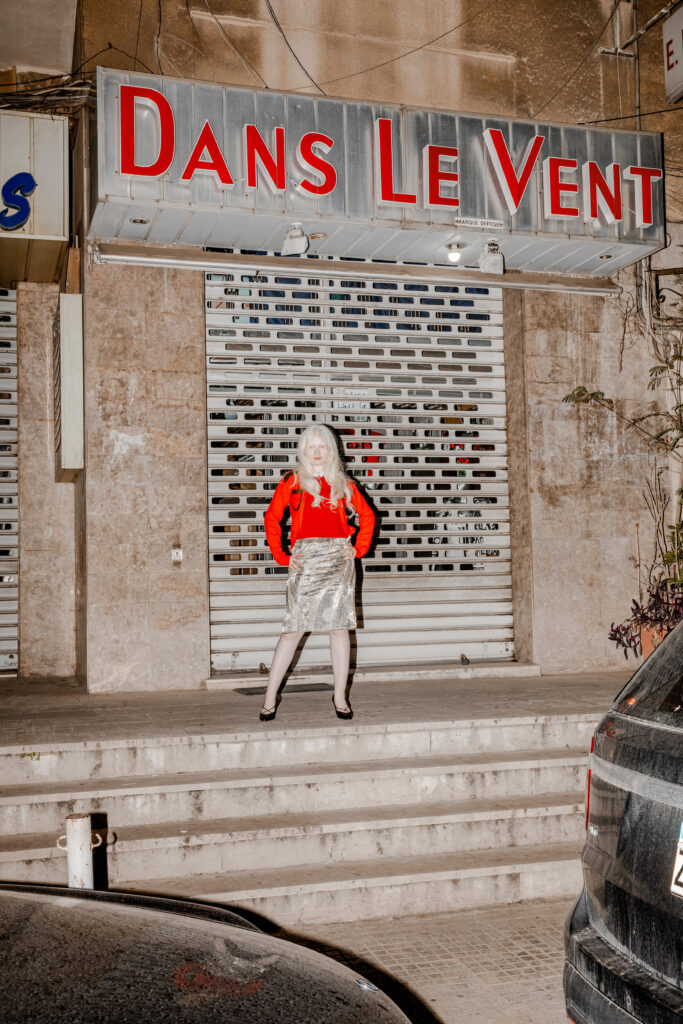
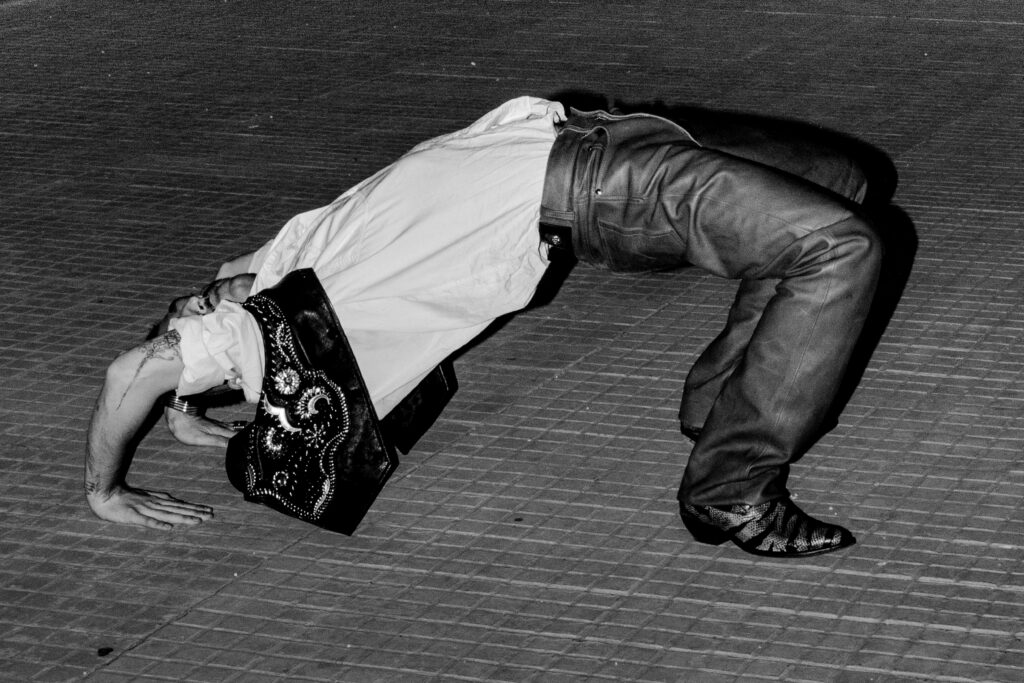
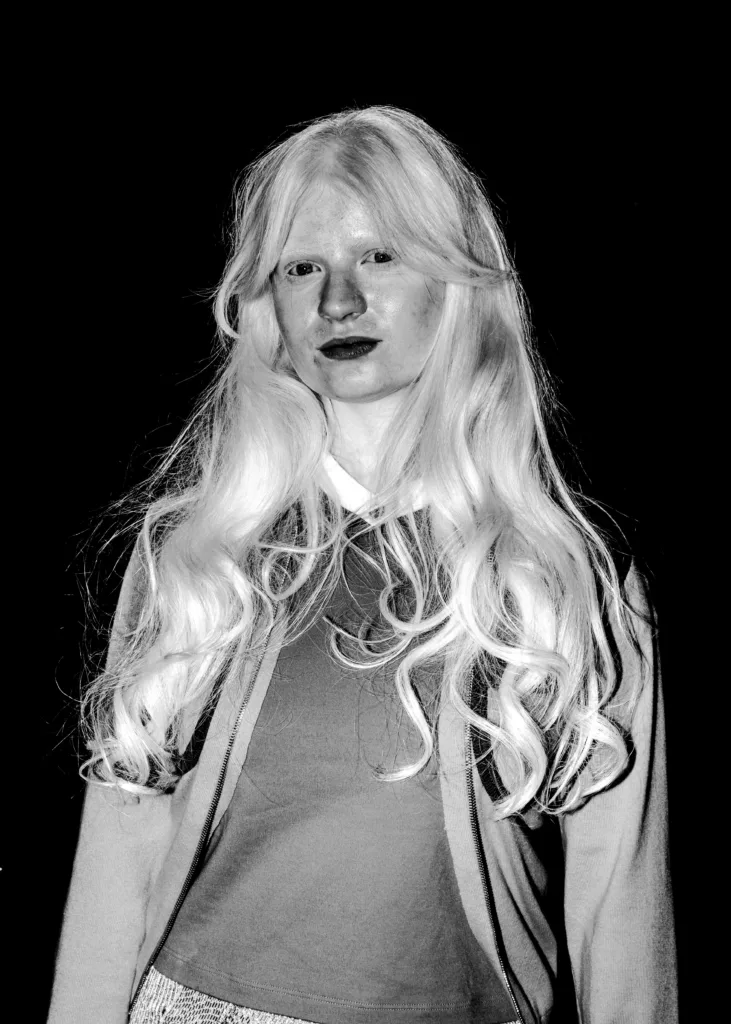
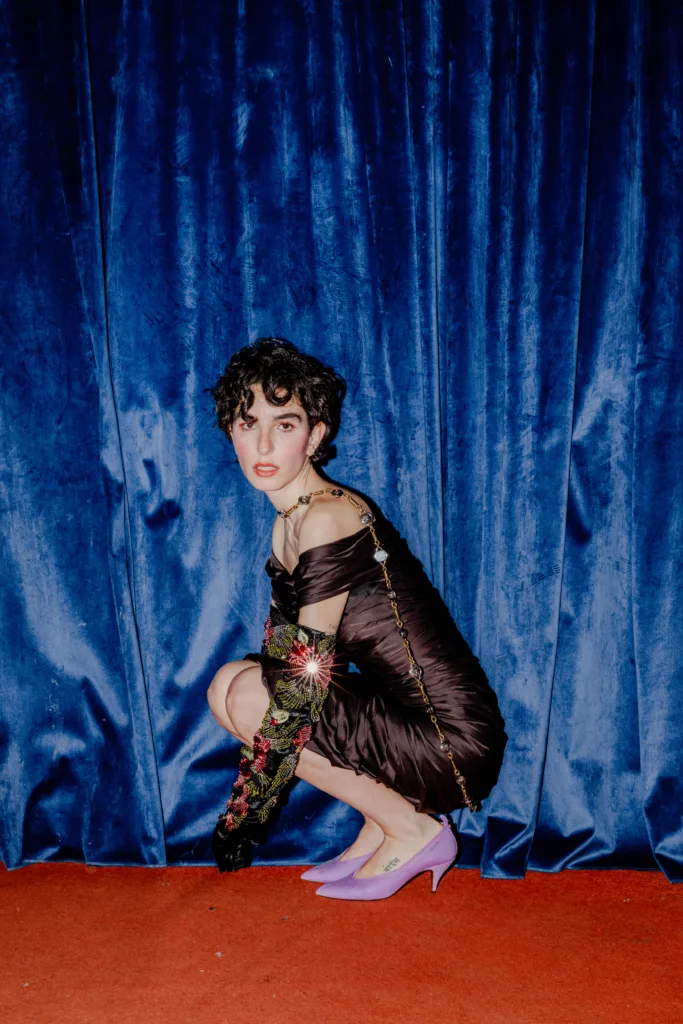
I was meant to meet with photographer Myriam Boulos at Fizz in Mar Mikhael, Beirut, on 26 February to go through the interview accompanying this collaboration: the visual artist’s first self-shot cover and a tableau of her canvas featuring the broader local community, a story we had spent the week shooting. Having to leave Beirut that morning quite suddenly for a meeting, we arranged instead to speak the following week, on the off chance that I would return.
Two days later, the United States and Israel launched an attack on Iran, which led to a counter-response that struck the entire GCC. Israel then accelerated its ongoing campaign in Lebanon, plunging the country into a period of displacement and instability once again. Much of Myriam’s oeuvre works within this aviary, contending with the colonial interruptions and fractures that affect Lebanese society, encroaching upon a trackable sense of the present. In this instance, those same ruptures intervened directly in the process of this project itself. What was meant to be a story in celebration of Myriam’s work in all its layers remains so. However, it is haunted by the conspicuous presence of violence.
Through documentary photography, she explores the political and personal layers of modern life – from youth culture and subcultures to spaces of resistance – wherever she finds herself. Her latest work brought her to Harry Styles’ most recent tour, where she produced a series of closely cropped images of kisses between people in Beirut. Fervent and breathless in their sensuality (a hallmark of her practice), the images captured widespread attention, serenading public spaces across every city on the tour.
For the Magnum Photos associate photographer, each image reads like a rare signature. Once familiar with her work, her authorship becomes inescapable, evoking predecessors such as Daido Moriyama and Diane Arbus or, closer to home, Hachem Madani. Delving into her inner world, our conversation traversed as much of it as she would allow. Admittedly, I suspect we’ll only ever access a fraction of her; endearingly shy and reticent by nature, Myriam is someone for whom images fill the threshold between interiority and the world.
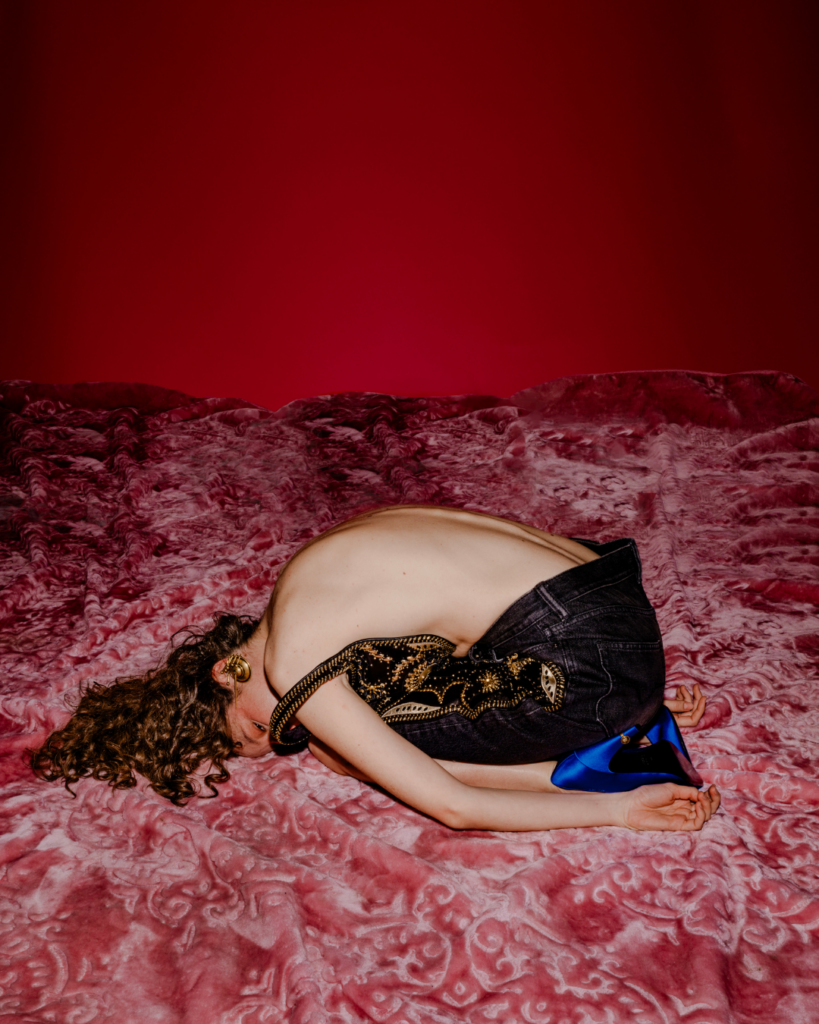
You make images that are confronting, yet you are quite reserved. What’s the relationship between who you are and what you photograph?
I look calm on the outside, but there’s a whole world happening inside! My inner world has always been very present. I remember, as a teenager, asking in my diary why it was so important to live in the ‘real’ world if I already had everything in my head. Although the exterior world is overwhelming with social anxiety, sensory overload, change, and uncertainty, it can be magical as well. Photography is my way of encountering it and getting closer to reality; my images are the meeting point between my interior universe and the ‘real’ world.
Who was Myriam Boulos as a child? Where did you grow up, and what were your fantasies back then? What were your fears?
I grew up in Lebanon, and I have always lived here. I was a shy kid. At school in the first trimester, the teachers would tell my parents that I was a good student because I seemed calm. In the second trimester, they would tell my parents that I was actually daydreaming and not paying attention. And in the third trimester, they would say there’s a problem and my parents had to look for ways to make me pass my classes. My mother always answered that there was no problem, insisting that my head was in the clouds because I am an artist.
I never describe myself as an artist, but I love how my mother used this label to protect me. I thought that I would become an illustrator like her, or a flautist because I attended a conservatory for 13 years. At 16, however, I met a girl at school who became one of my best friends. She had this sophisticated camera, and I fell in love with the medium. Photography became the most fluid and obvious thing to me. At 18, I began my studies at the Lebanese Academy of Fine Arts while completing assignments and focusing on my personal projects as well.
Honestly, I’ve been thinking a lot about my childhood lately. I think the love, attention, and life my parents provided to us is my biggest privilege. They made sure I had friends, encouraged me to spend time with myself and build my own bubble—I would spend two hours alone in my room every day, singing and playing the flute. They also organised road trips to different parts of Lebanon every weekend and, once a year, we would take a road trip within the region, exploring Syria, Jordan, Tunisia, and Turkey. I am increasingly realising that this lifestyle is what I want to get closer to as an adult: be with the people I love, have beautiful new encounters, move across the country and region, connect with nature, and continue to nourish my little bubble.
Your saturation and visual language are unmistakable. How did that aesthetic develop?
I like this question! My sensory seeking needs apply to visuals, too. Visuals can be extremely stimulating for me.Bi feshouleh khel2eh. In 2013, I started using the direct flash technique. For me, it is a way to feel textures and get closer to reality. The direct flash is also a way of showing things we cannot see with the naked eye. It is a way of literally putting a light on things that are oppressed and normalised when they shouldn’t be.
Another thing I do is include many clear elements in the image. As Wolfgang Tillman said, “If one thing matters, everything matters.” My visual language comes from both need and desire, and it only functions as long as it does not become a recipe to fit in anything that does not come from my gut.
What do you fear today?
I think I’m afraid of the way we live, of not being grounded and present. We are so addicted and lost in the digital world. That said, it has saved me in many ways. It is, in itself, a way of existing and being. A very big part of this is because the language of images is actually used in the virtual world, while it is mainly the language of spoken words that is used ‘in real life’—a language that is not the easiest for me.
During a few years in my twenties, photography and making love were my way of being present in the real world and connecting with other people. At some point, I made the conscious decision to try to live in this world like ‘normal’ people, and I don’t recommend it [laughs]. Ultimately, I want to be able to live in my own space and time in the real world, too, not just in the virtual one.
I think that, somehow, my first fear and the next one are connected: I am also afraid of all normalised oppression, like the international silence that comes with ‘Israel’ trying to occupy Lebanese territories, pillaging its ecosystem and killing so many people along the way. Since 2 March, mere days into the war, at least 759,300 people have been forcibly displaced. I am not saying this to reduce Lebanese people to numbers, but to take a moment to realise how crazy and inconceivable this is.
I never realised I was afraid of this violence because I always fought and resisted it through images. But those moments when I am too tired to resist through images, I honestly get scared of the psychopathic monsters and systems that control this planet. It might sound defeatist to say they scare me, but I’d like to think it is a way of realising the extent of the work we have to do against these machines—be it through images, care, tenderness, and many other ways.
There’s a certain romanticisation of being a photographer in Beirut. Can we talk about the economics of that: the pressures, the limits, the compromises?
As Beirut and photography are both my reality, I can’t really romanticise it. The pressure I put on myself comes from ethical responsibilities that should be normalised in photography in general: to question and deconstruct the way we tell stories, to listen to the people we photograph, to share agency.
Documenting is a huge responsibility that requires a lot of emotional space. I am learning to take a step back and be useful in other ways when I don’t have this kind of energy. Meanwhile, I constantly ask myself how I can resist through images, and how documentary photography can support the most vulnerable people in this war.
Maybe the answer is in the pace, in doing things slowly for the people, taking the time to receive the stories properly and ensuring they are communicated in a way that will serve the individuals and communities in the images on the right platforms. As photographers in the region, we document tirelessly and end up with our images used against our own people and us, often through a caption or title chosen by western media to fit their narrative and agenda. It’s important for me that my images don’t end up feeding the war machine.
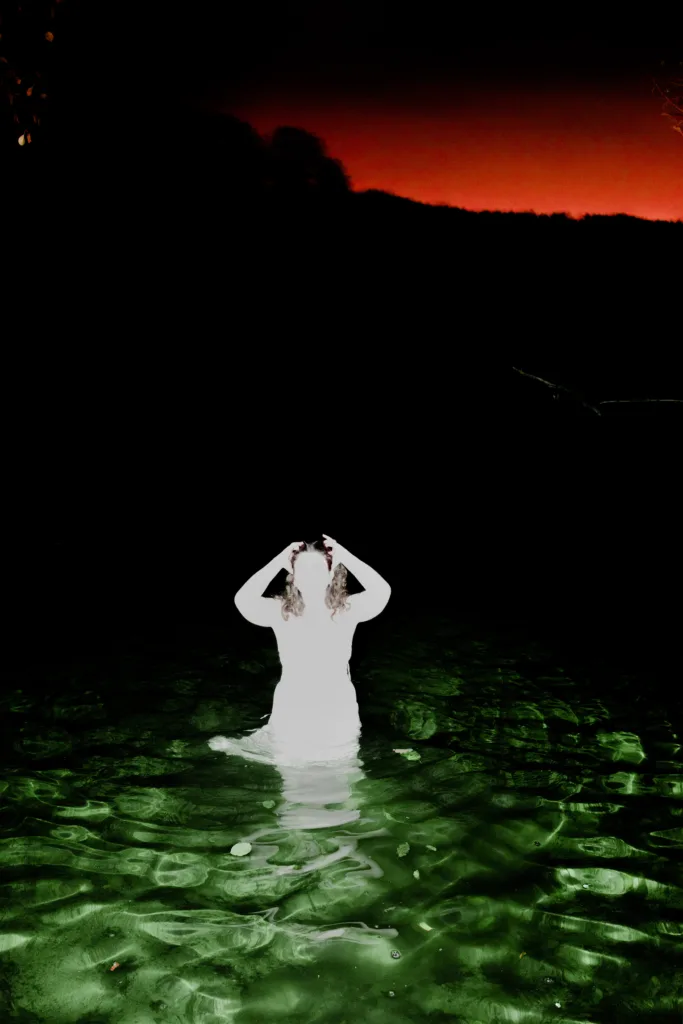
What would you say defines Myriam Boulos’ universe, and what are its boundaries?
I see myself as a fragile, vulnerable, emotional being. My universe is made up of the people I love most, of special encounters, and of total strangers I sometimes feel most comfortable with. And of course, Petit Chat, she’s turning five this year. Images, a lot of them, always in abundance. Music, any song I’m crushing on that I’ll listen to daily on repeat for a few months or years. Lying on the ground and looking at clouds pass by. My boundaries are with people who are notbienveillants [kind and well intentioned].
I’ve heard you refer to yourself before with an alter ego, the ‘unmasking fairy’. I’m curious, who is ‘unmasking fairy’ and how would you describe her?
‘Unmasking’ is in reference to masking in neurodivergence: to wear a mask to fit in, try to keep everything in and oppressed within us. And ‘fairy’ is just what I am, honestly, a mix of angel, witch, and fairy: fragile in the best ways, filled with magic to feel and share.
Talk to me about the Harry Styles moment. How did that come about?
It all started with an email sent by Harry Styles’ creative director, Molly Hawkins, in which she told me that she works for “a major popstar who has fallen very in love” with my work. The team consisted only of me and Gabriel Ferneini, a documentary photographer who supported me throughout the whole campaign, including production and more. We took all the images in his apartment, which we transformed into a studio for ten days.
I recall our conversation on the day of your cover shoot, you in the Versace look. What does fashion do to self-image, and what is your relationship with fashion?
Most of the time, I am dressed in a black top and simple jeans or a skirt. It is a way of not having too many options to get lost with, avoiding sensory overload, and not drawing attention to myself, so it felt good to have Ali tell me what to wear. It felt like playing dress up, especially with the oversized shoes. When I was a kid, I used to wear my mom’s high heels, and I have always wanted to take a picture of my feet in bigger shoes. I’ve always had a weird relationship with my body and space, as if I don’t understand where I can locate it.
That’s one of the reasons I love taking mirror selfies: it’s a way of organising reality and myself in it. It is a way of saying: “You are here. You are real.” I particularly loved the fitting day because there was a mirror, which really grounded me as I looked at myself while trying on the clothes. I also like the act of using fashion to choose how we want to be represented, what we want to show or hide, and take our bodies from objectification to expression. I think there can be a lot of self-actualisation in fashion.
The day we took the pictures was more complicated for me because it was mind f*cking to be in front of the camera, to actually be the image and, simultaneously, create it without seeing anything. The shutter remote control gave me a sense of agency, as did having Gabriel – a gaze that knows me, sees me, and carries love for me – take the images while I was lying down on the pink cover.
What do you want people to feel with this project we’ve just worked on? What do you hope people take away with you being on the cover of Dazed MENA?
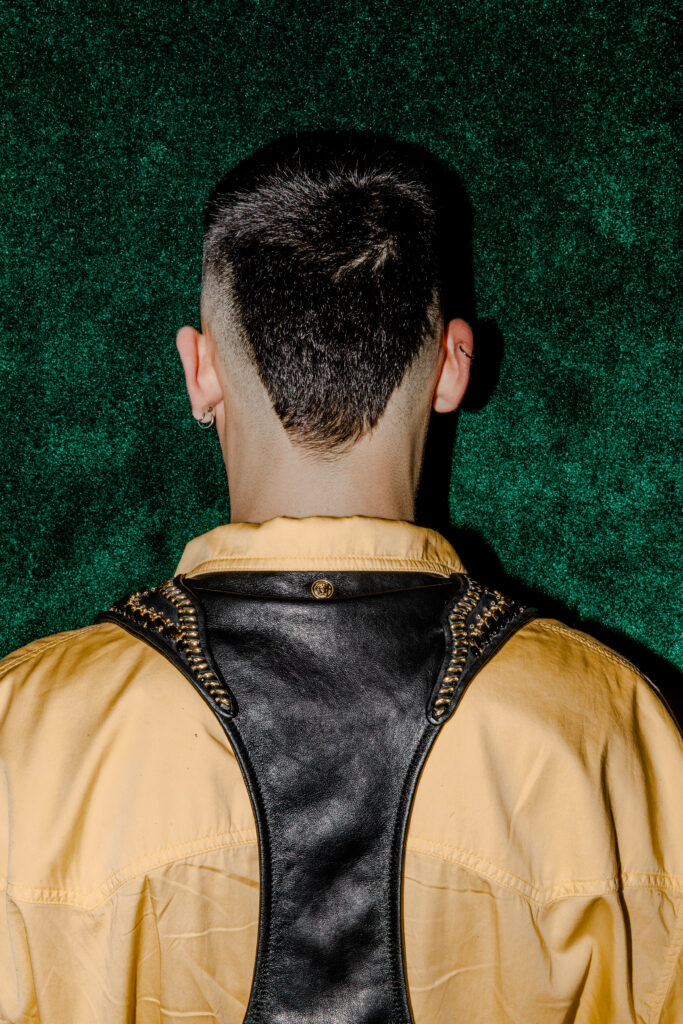
Being a shy person who exists more through images than my physical presence, I am fascinated by fashion and style as forms of expression, creation, communication, and liberation, especially as a reaction to passive fashion photography that often uses bodies as hangers or billboards. While taking the pictures, I had in mind this visceral feeling between the body and the city, the streets as an extension of home, and the body.
I’ve always admired older people who walk in their neighbourhood in their dressing gown as if Beirut were their living room. In my book, What’s Ours [published by Aperture in 2023], there is a fragment of a diary that says: “My friends and I used to take pictures naked in the streets of Beirut. It was our own way of reclaiming our streets and our bodies—everything that is supposed to be ours.” I am looking for this fluidity between the body and the street, perhaps as a representation of what I try to achieve between my interior and exterior worlds.
Originally published in Dazed MENA Issue 05 | Order Here
Make-up MOE RIDA, cover make-up KEVORK TAVITIAN, hair REMAH JAMMOUL, creative producer FATIMA MOURAD, executive producer SAMER FLEIHAN, production house FIFTEEN O FIVE, project lead JOE DEEBA, production manager JEANNE KARAM, stylist assistants JOE DACCACHE and SIRINE KOBEISSI, location manager JAD NEHME, cast NOUR SALIBA, JAD JABER, CALINE ASMA, NASRI SAYEGH, RAMI SEBAALY, RIANNA TASSABEHJI, REMAH JAMMOUL, ABED KHALIFAH, LOUAY KRAYDEIH, RUWAN TEODROS, MAZEN ATTIEH, SHARON AMBANI, special thanks CLUB SODA, MOTHER, BALLROOM BLITZ, LEBANONBYDAN