
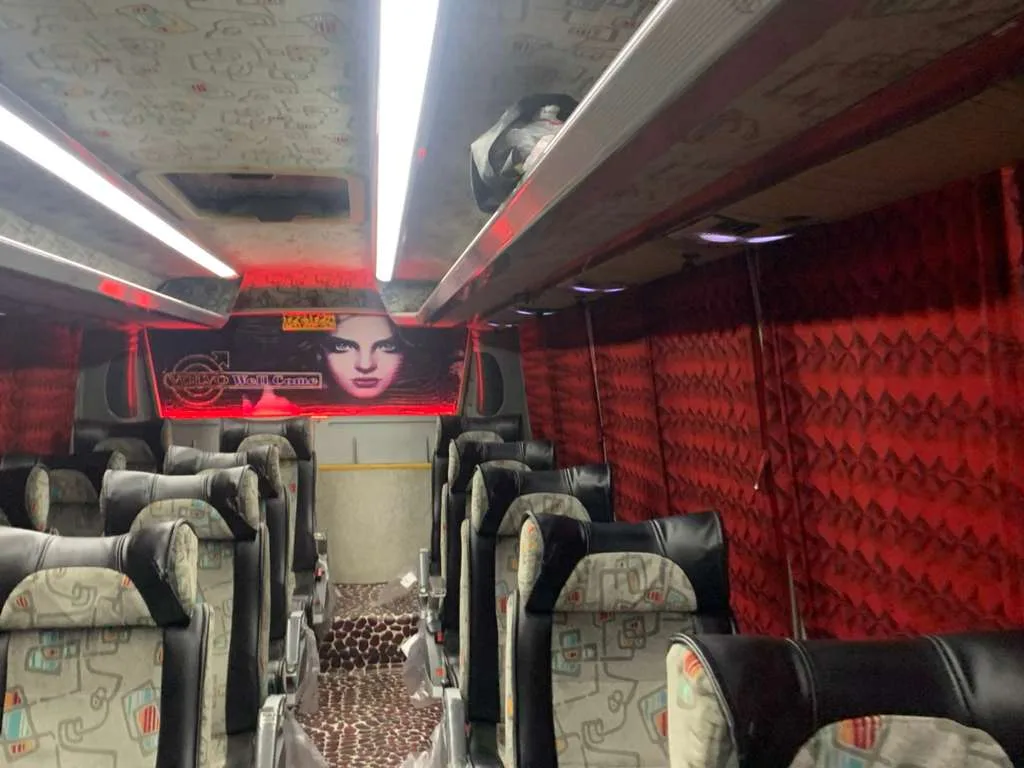
 Posted in
Life & Culture,
Posted in
Life & Culture,
Rosvâ breaks through: On foraging for love in war and terror
Text Yasmina Hashemi in correspondence with Fatemeh Kazemi
This text exists as a correspondence between two voices meditating on the present moment, between what can be said outwardly and what remains internal, written through interruptions, across days without internet, despite the difficulty of reaching beyond immediate conditions, made possible through ROSVÂ. There is an intimacy in this limitation, even as there is frustration.
Not everything can be made visible and not everything should be.
***
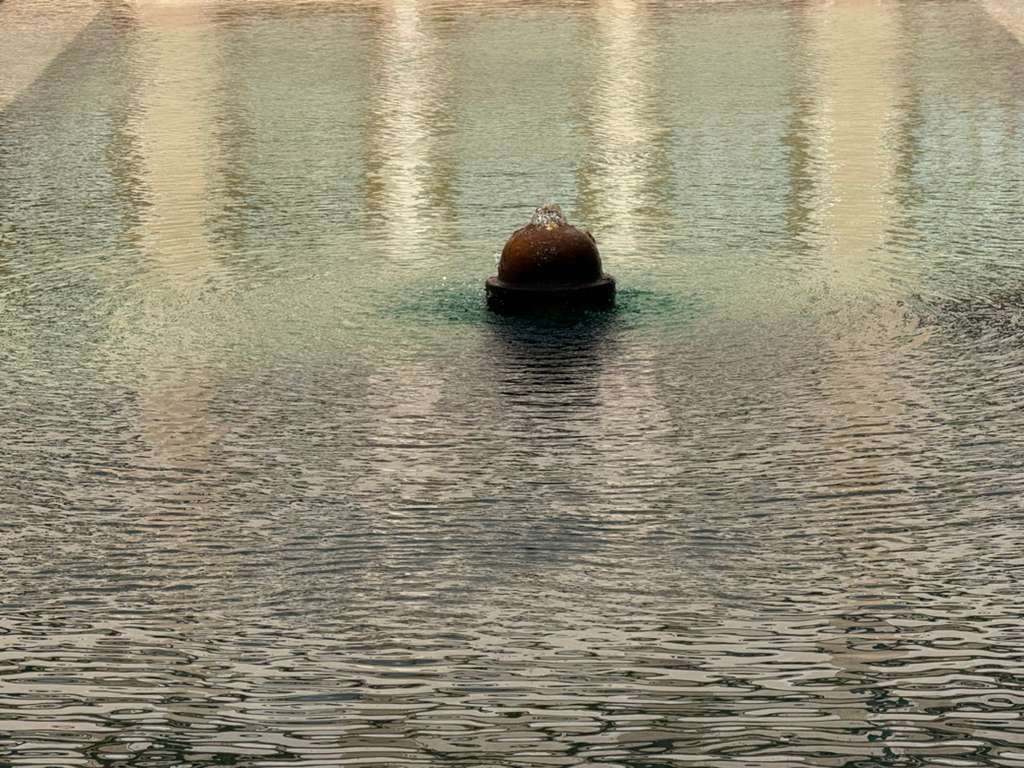
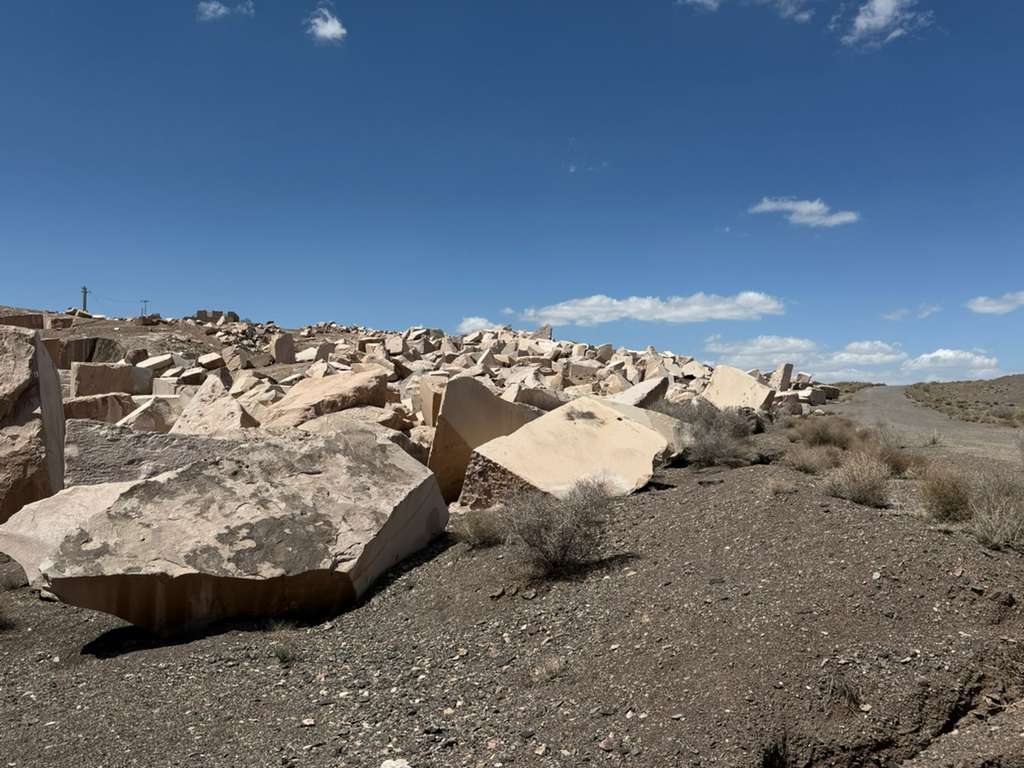
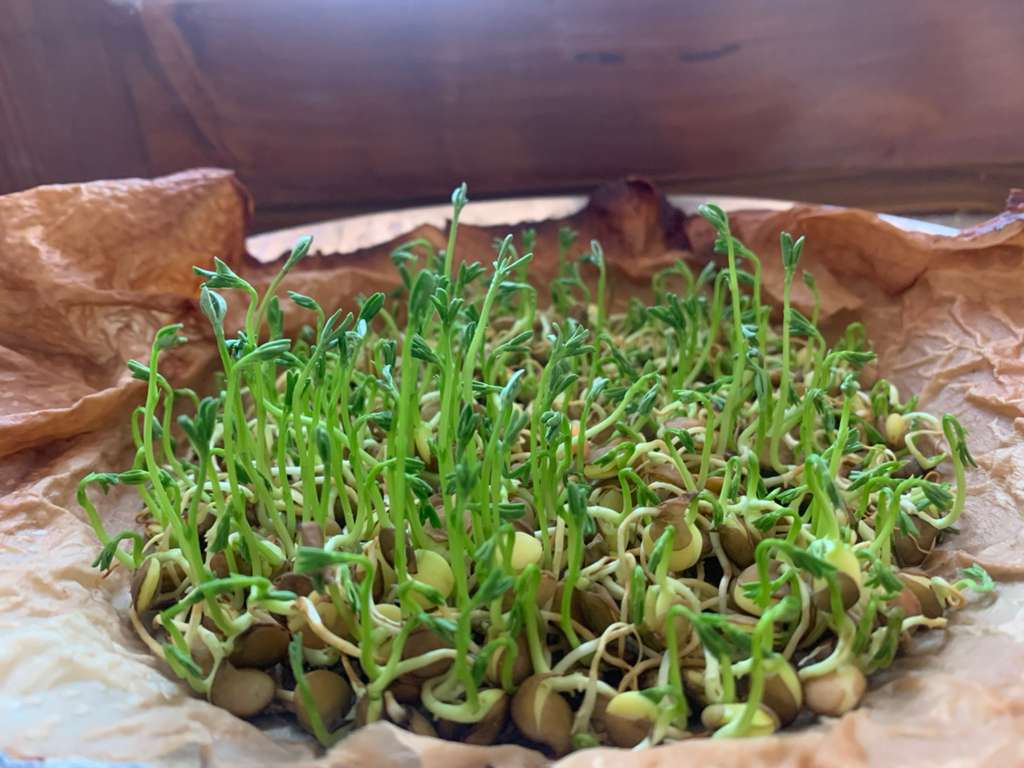
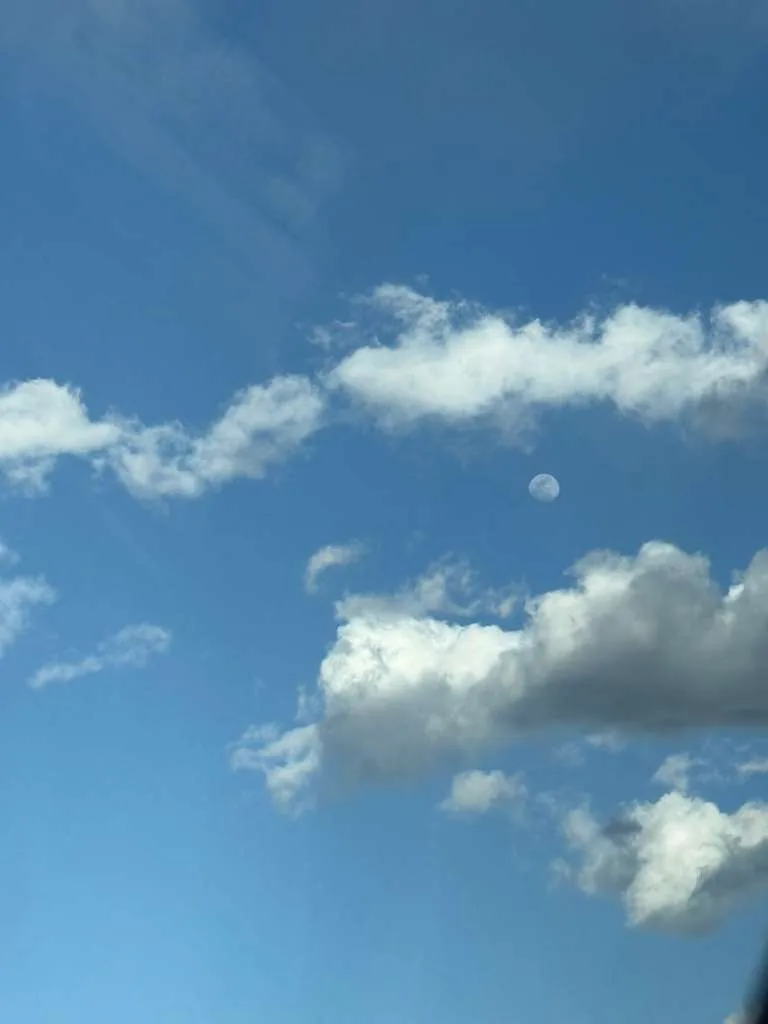
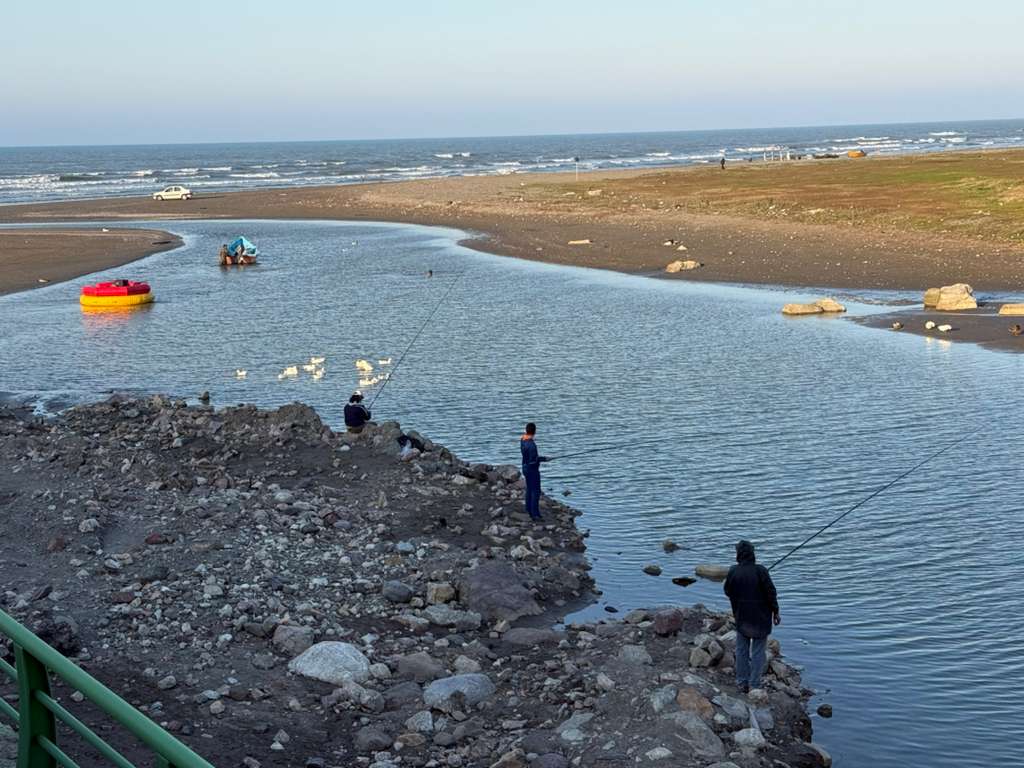
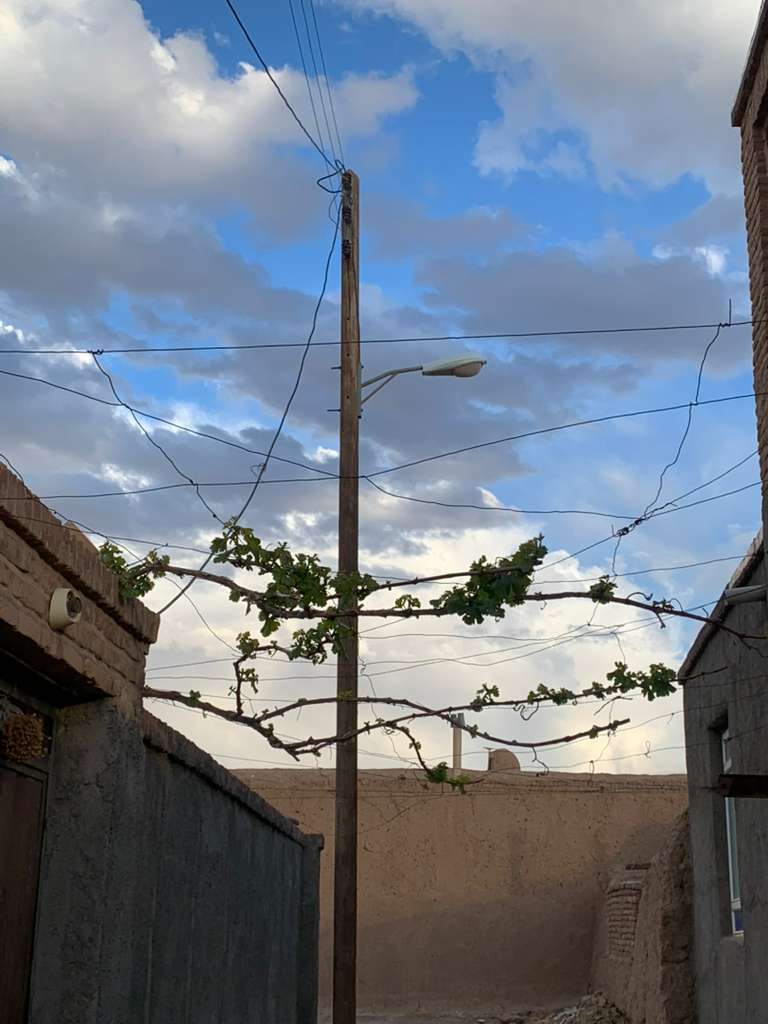
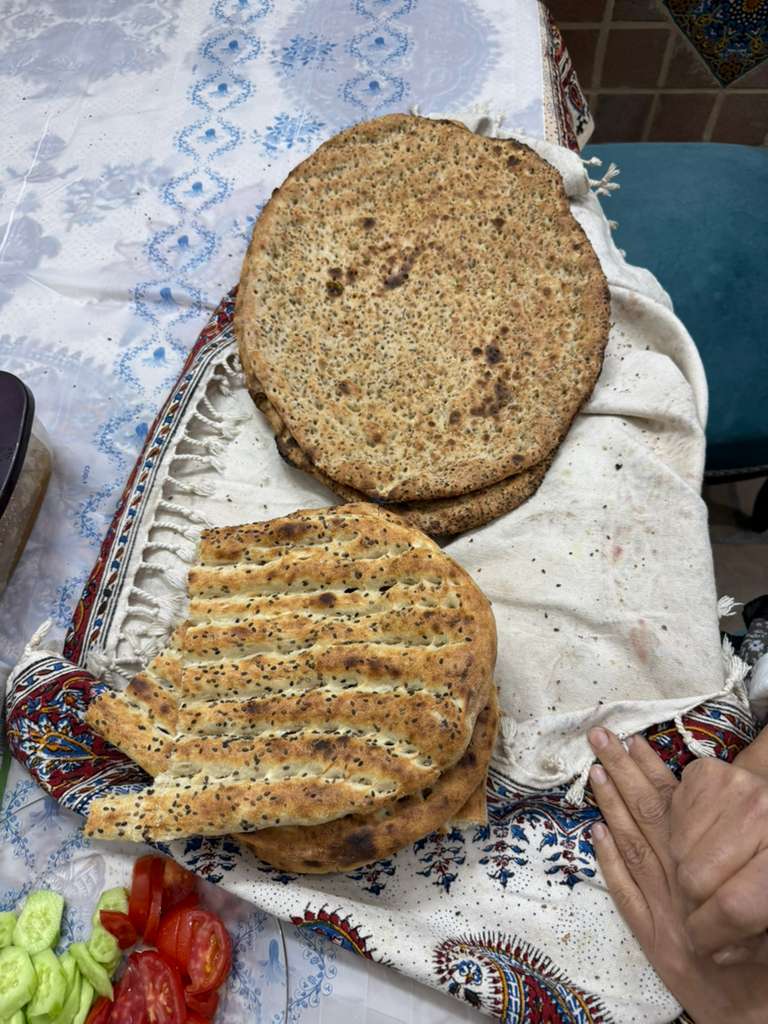
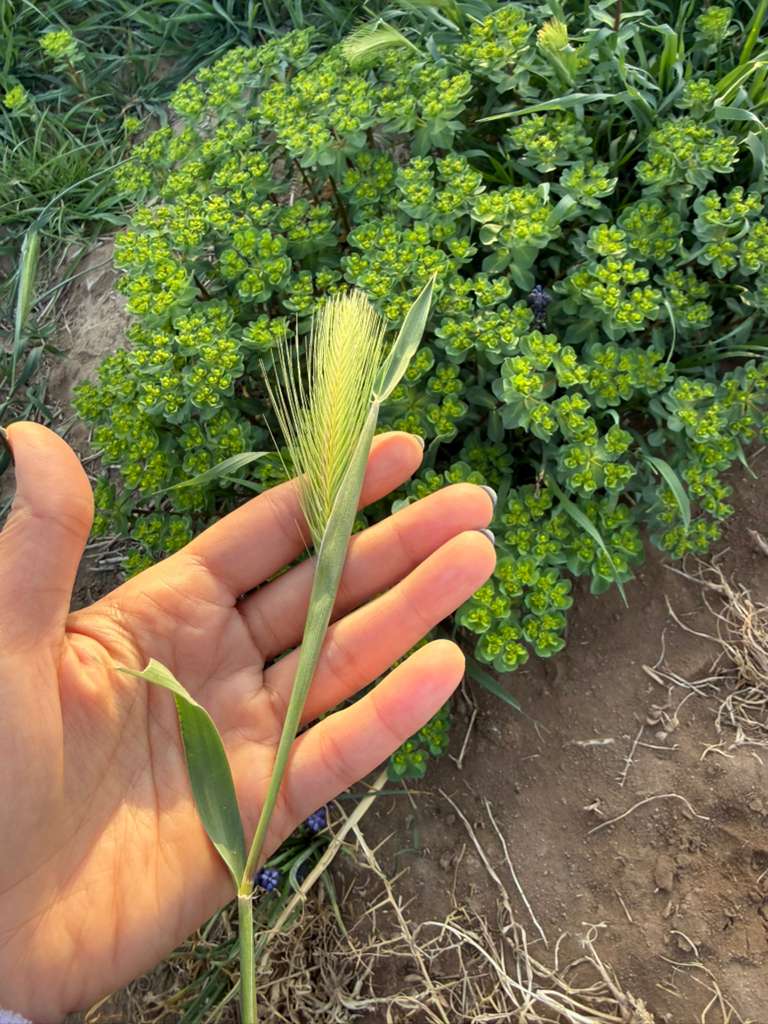
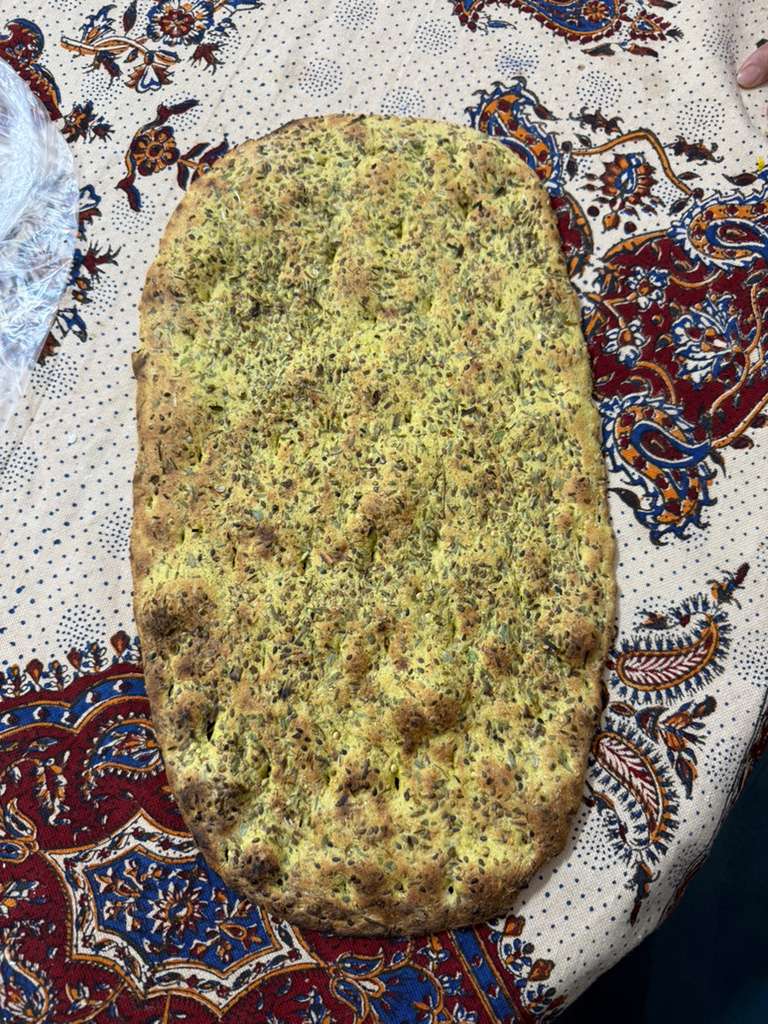
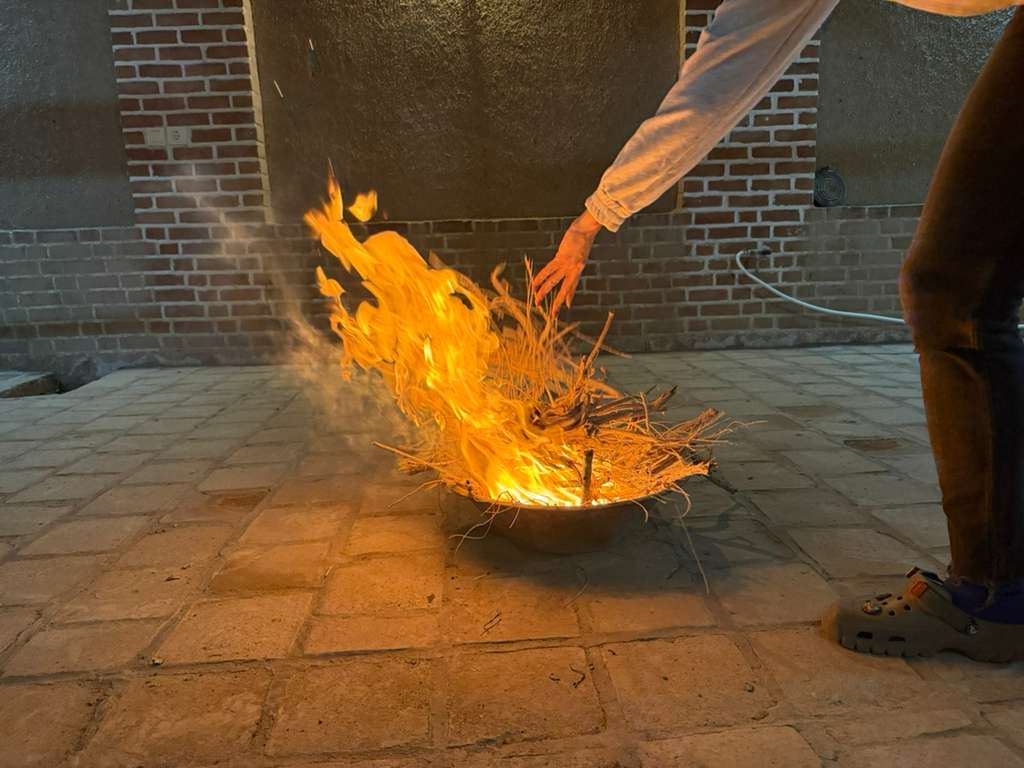
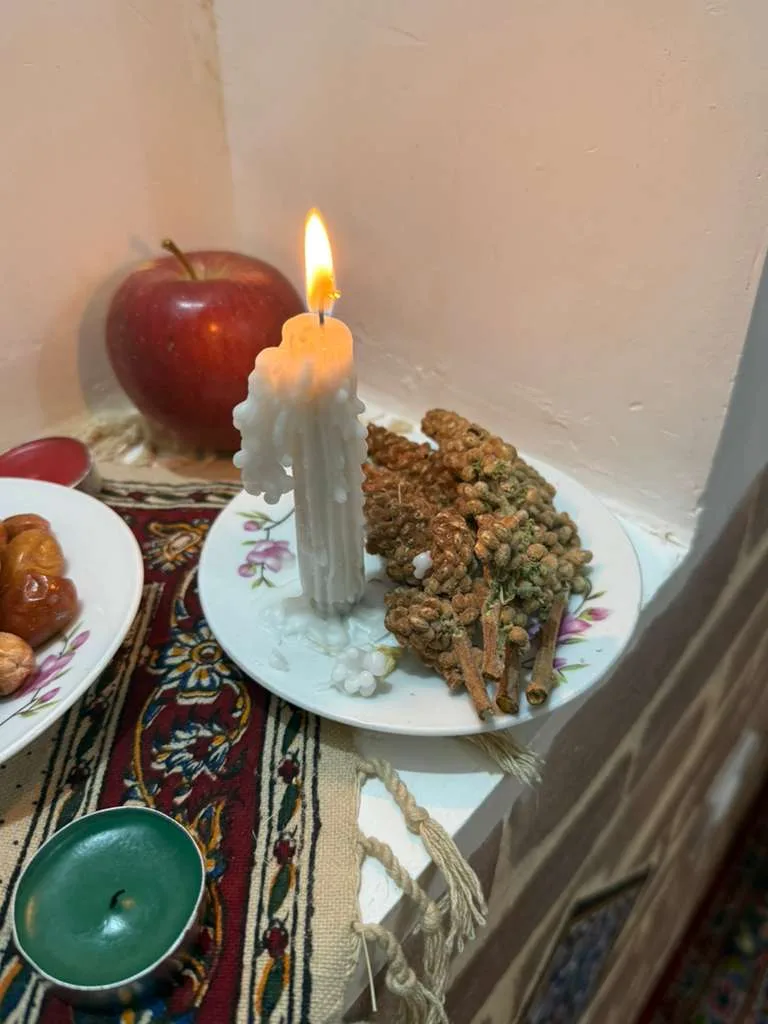
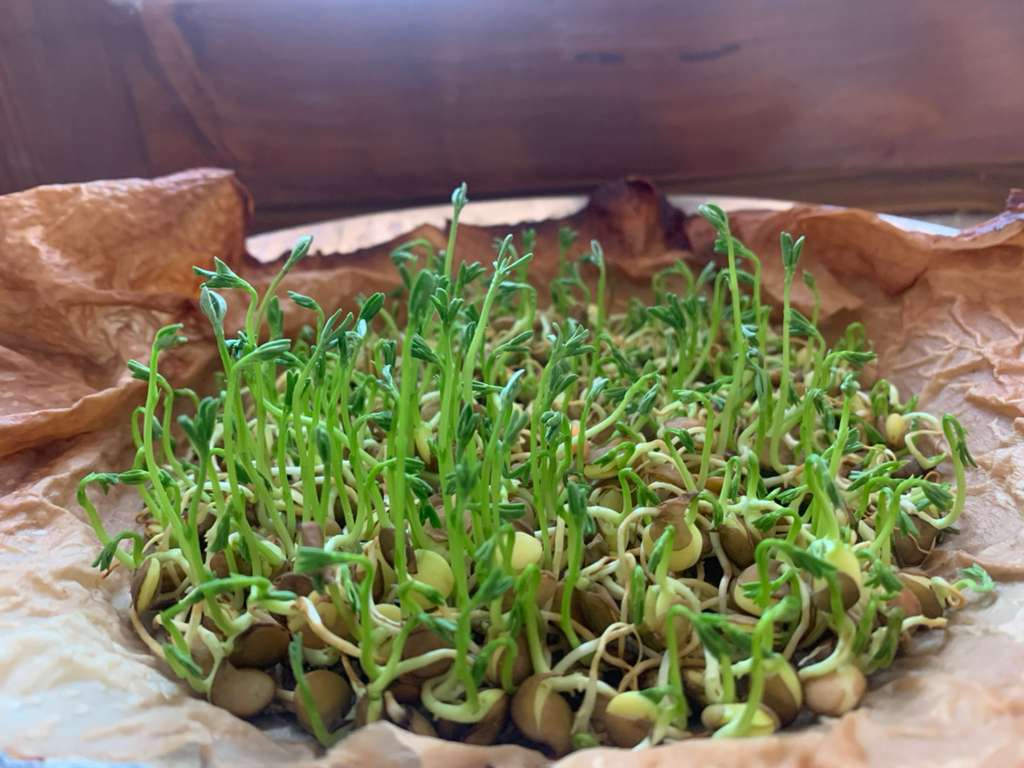
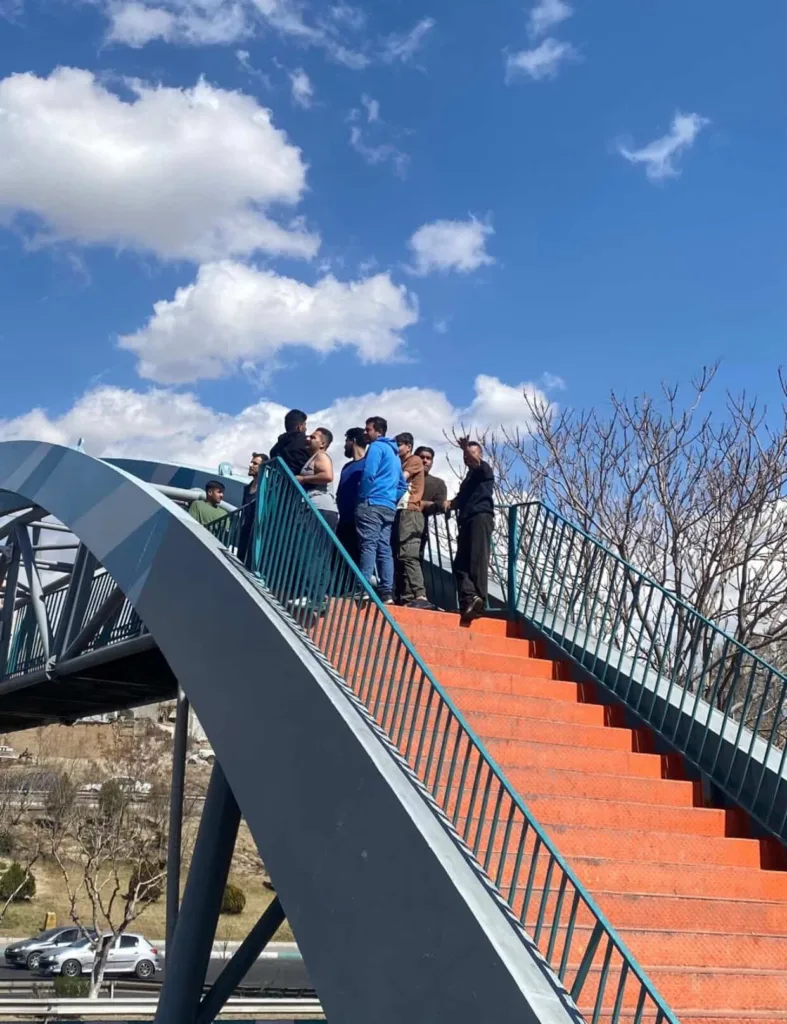
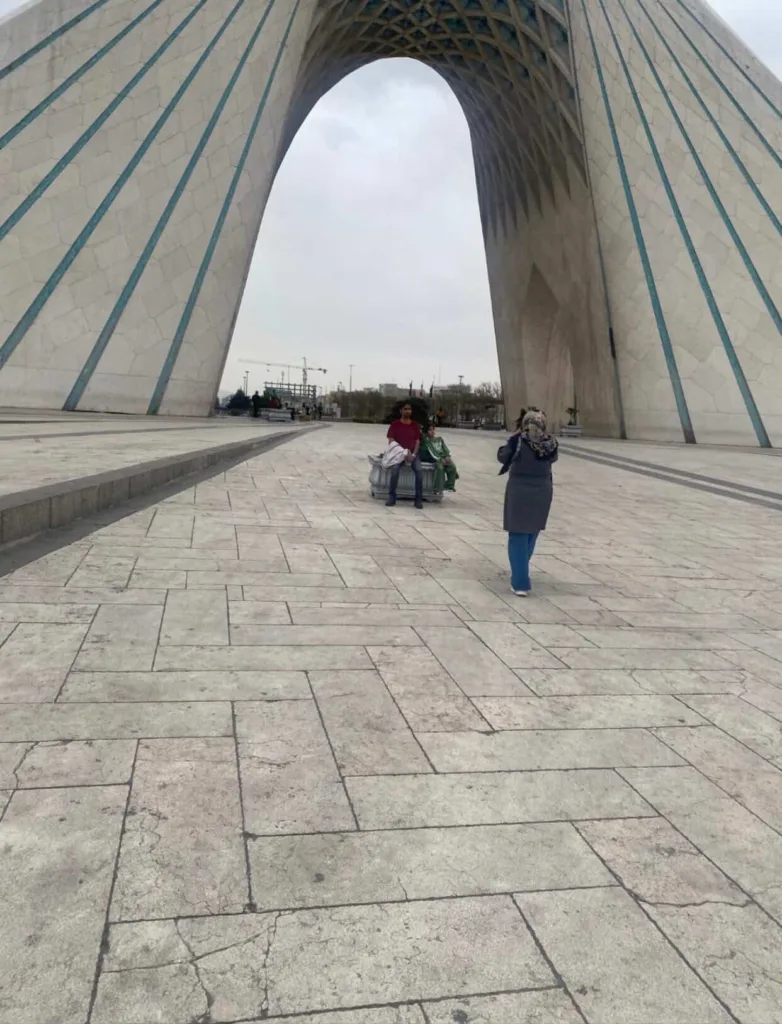
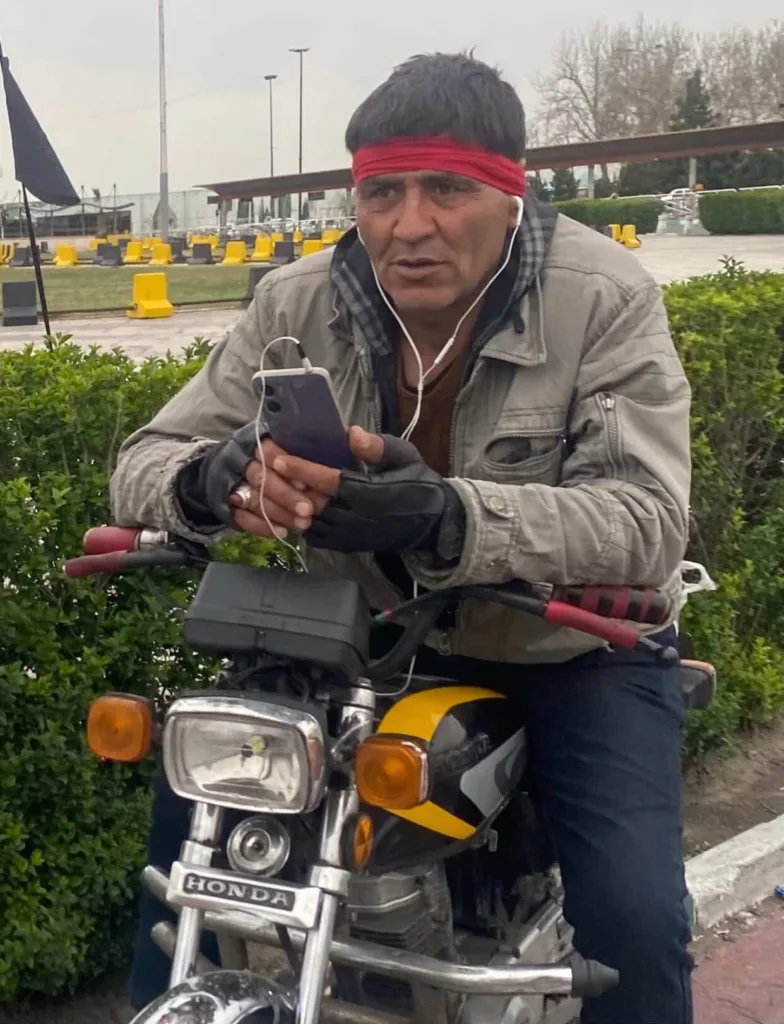
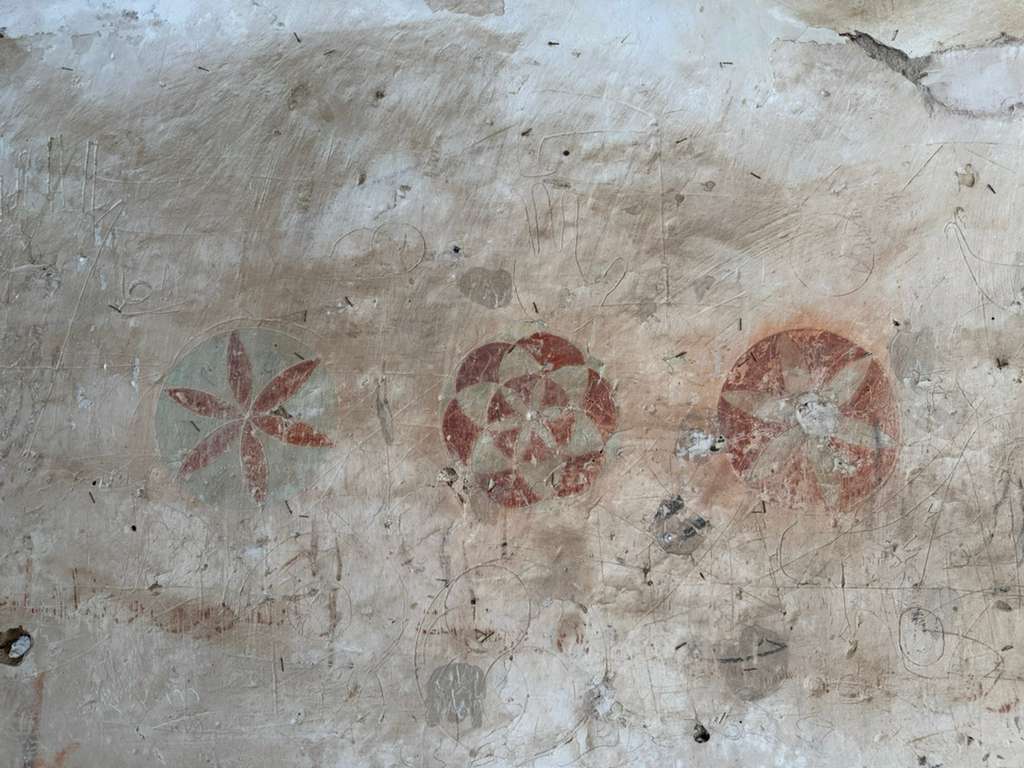
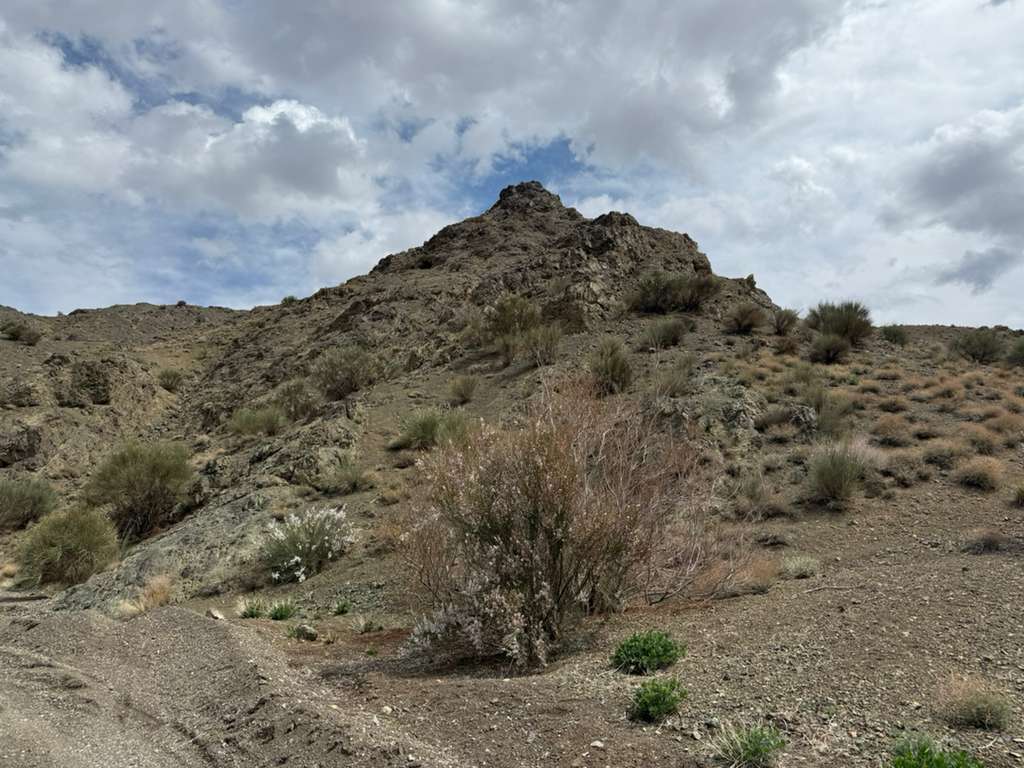
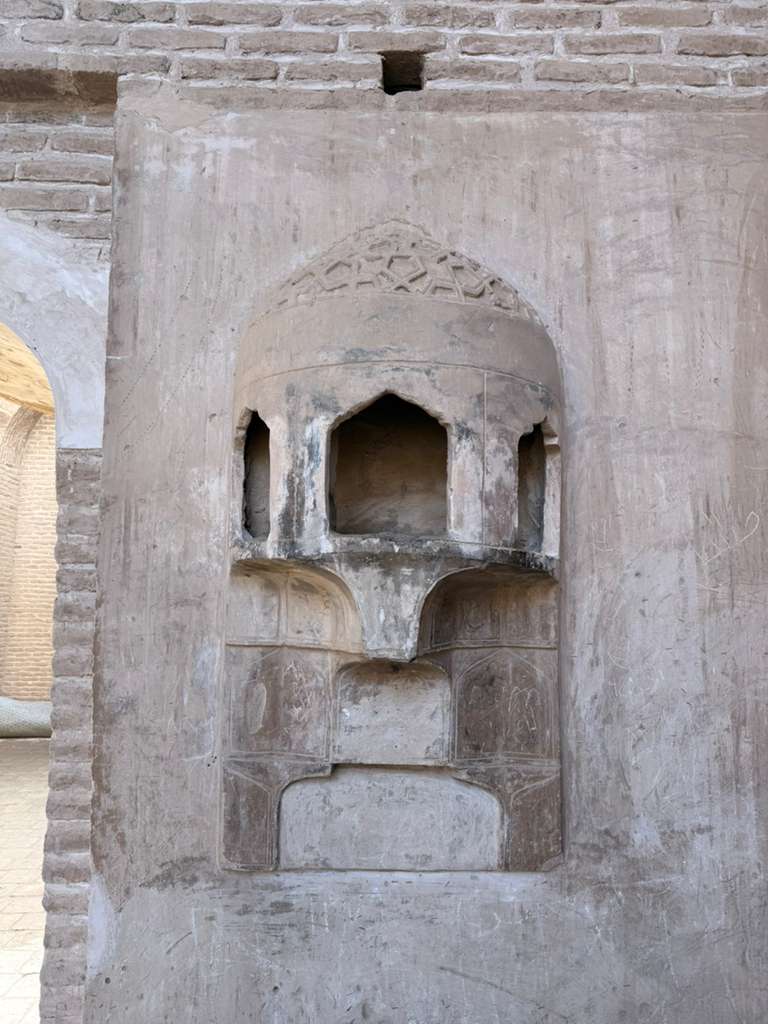
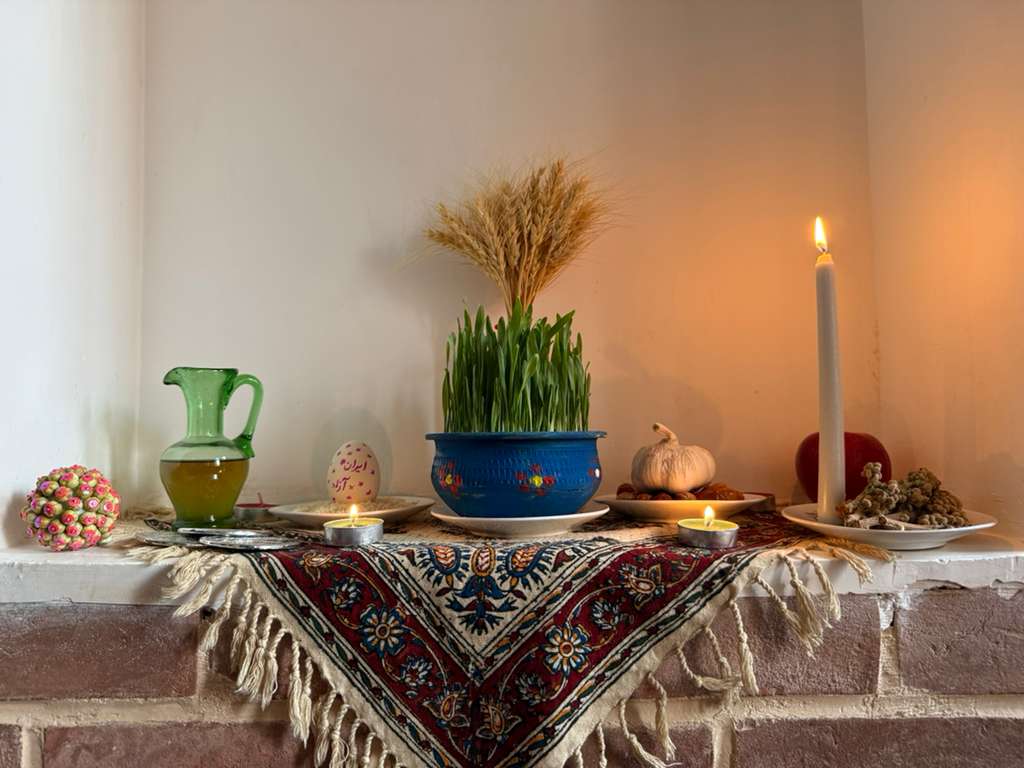
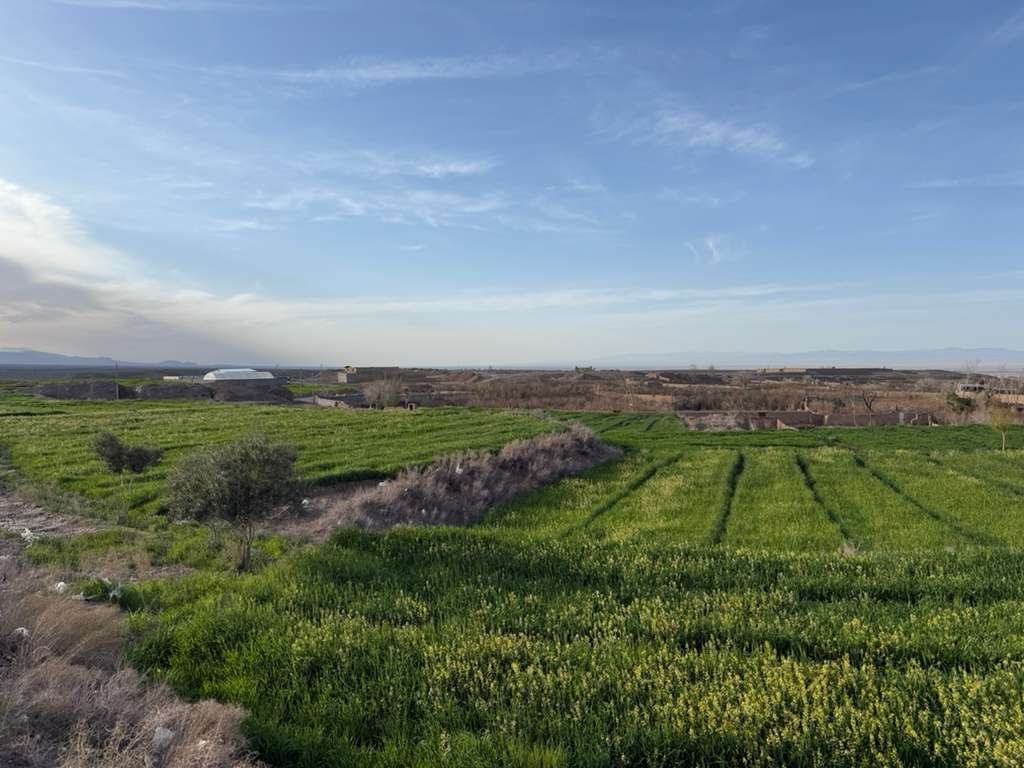
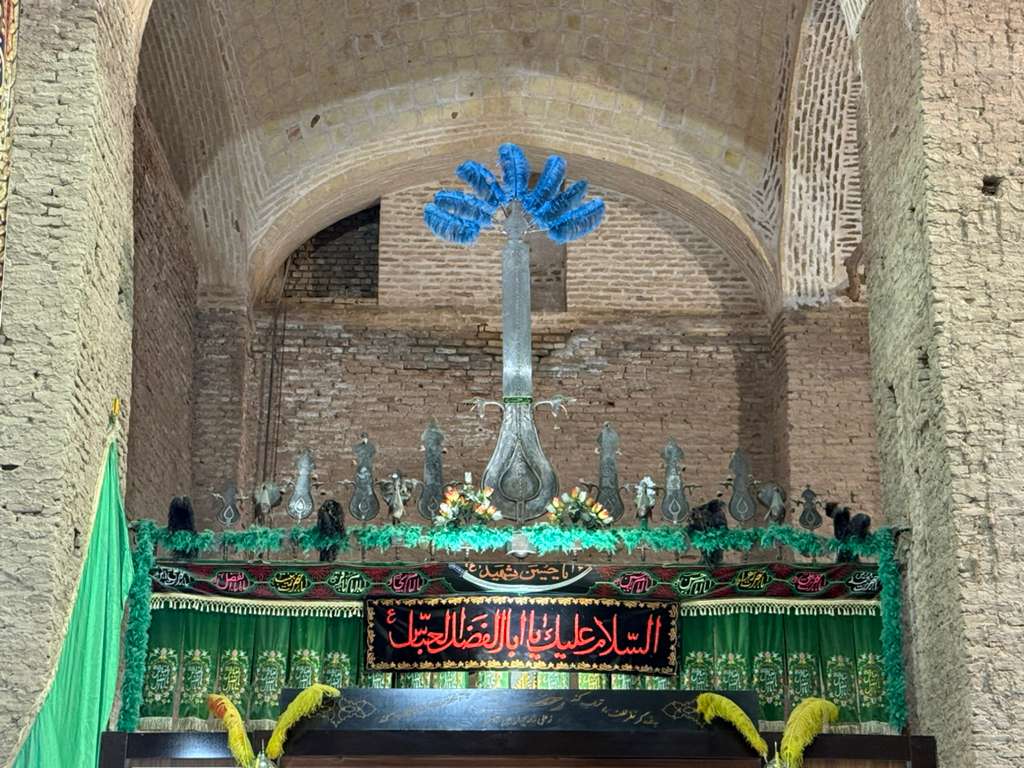
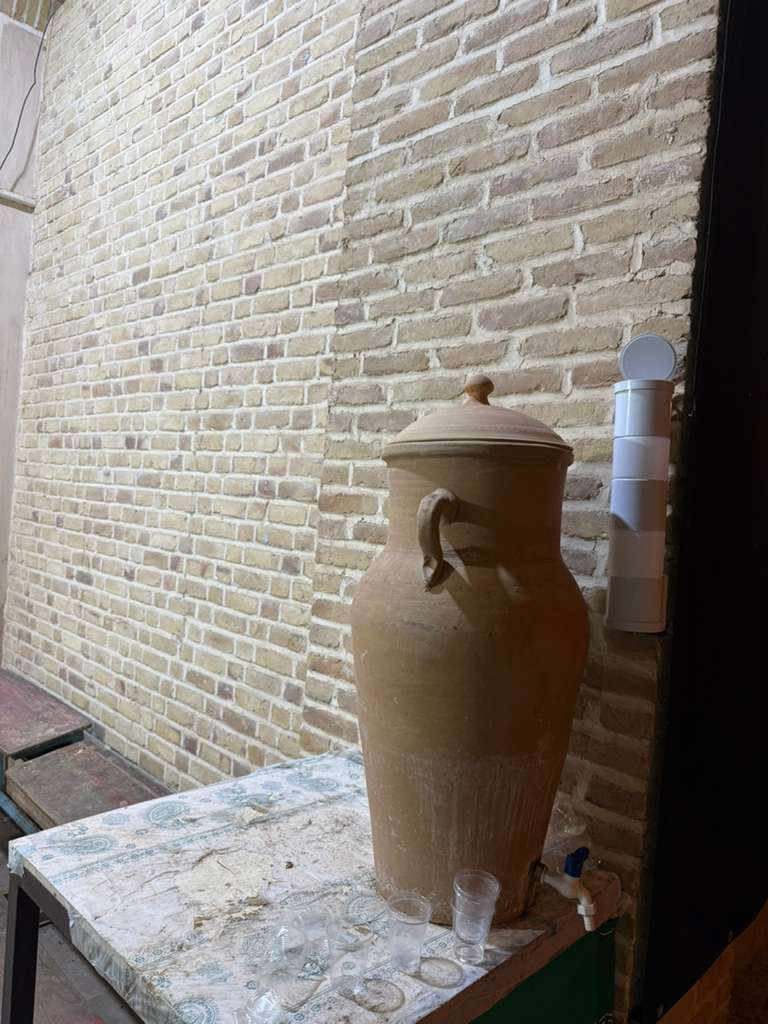
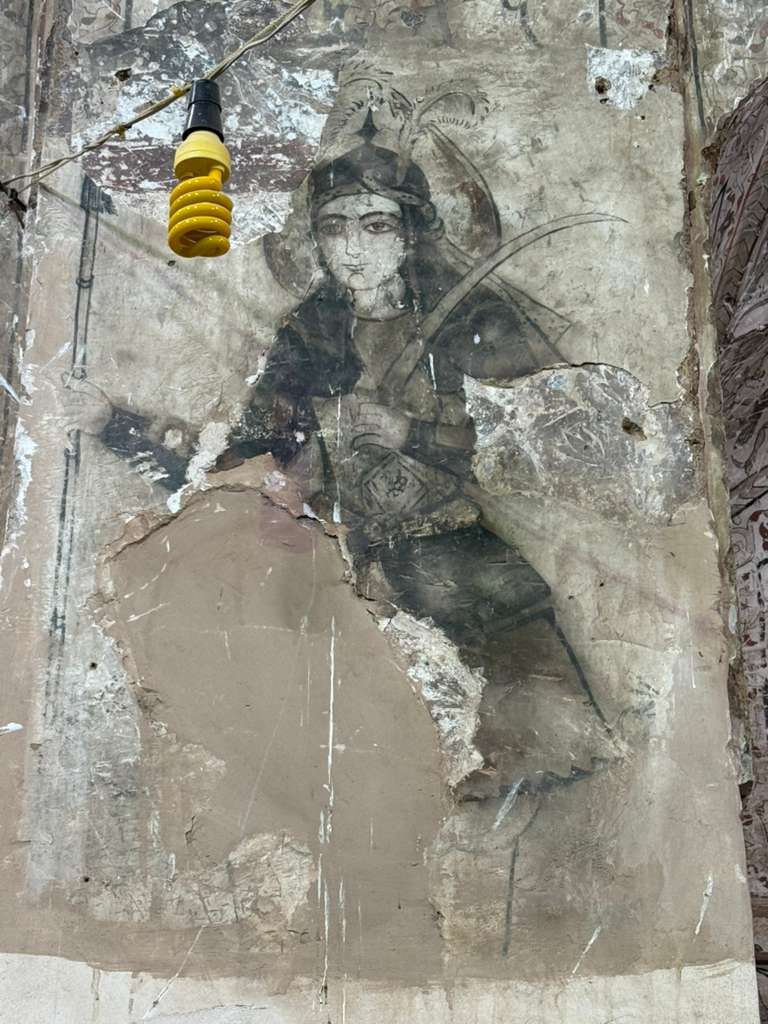
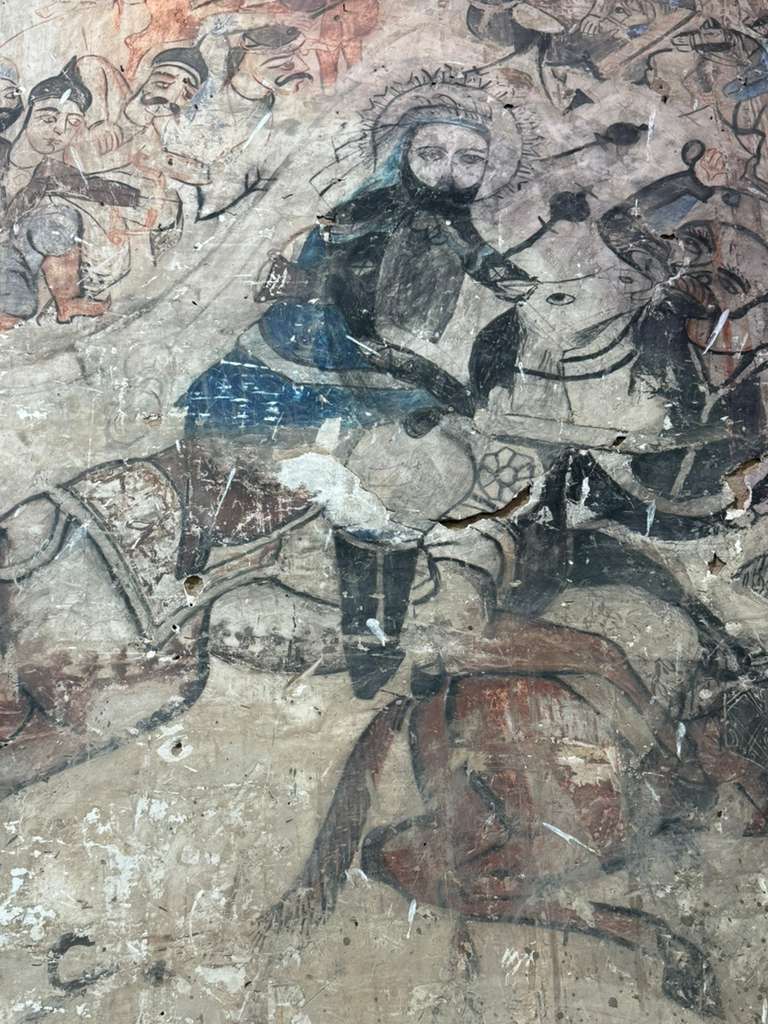
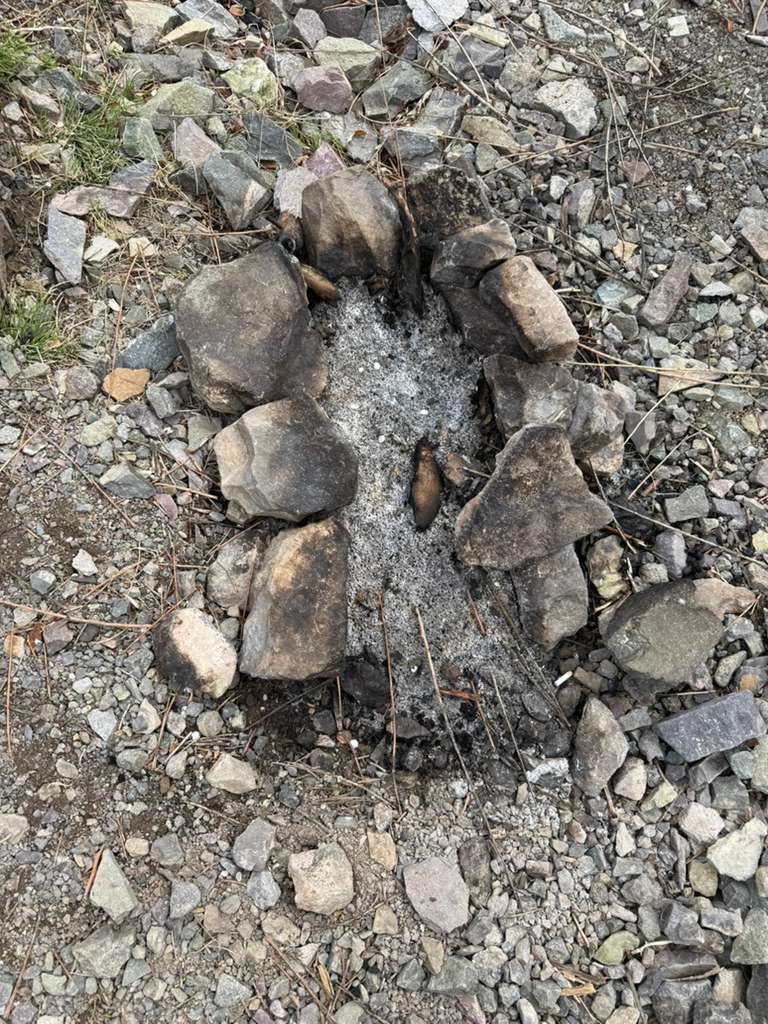
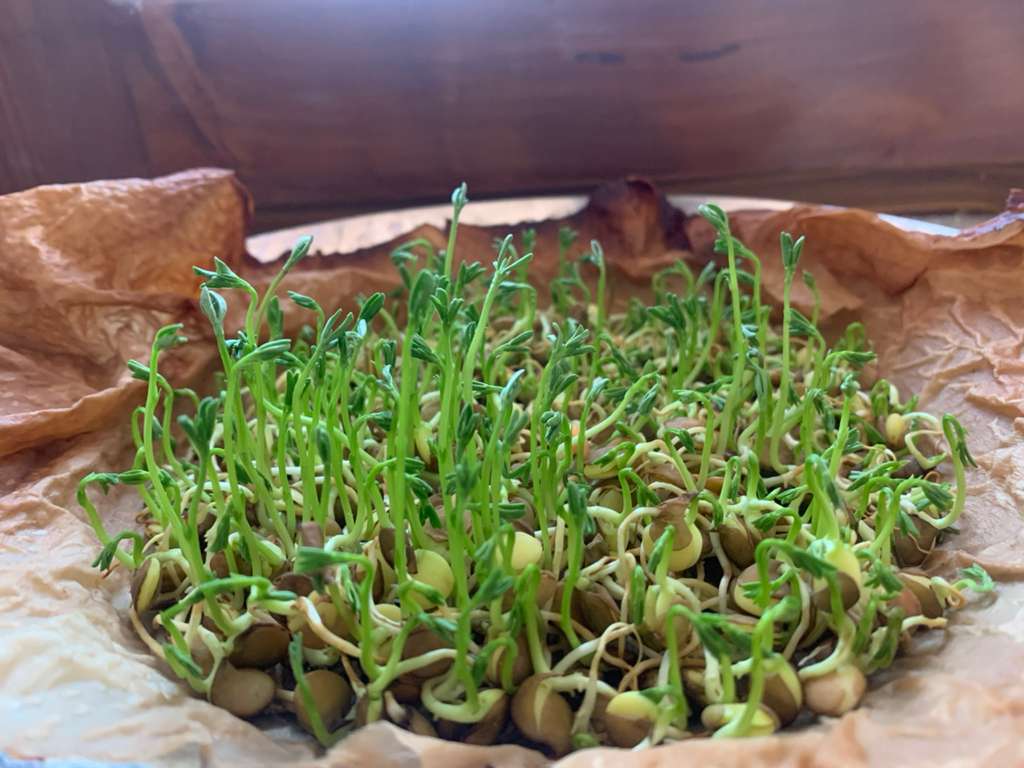
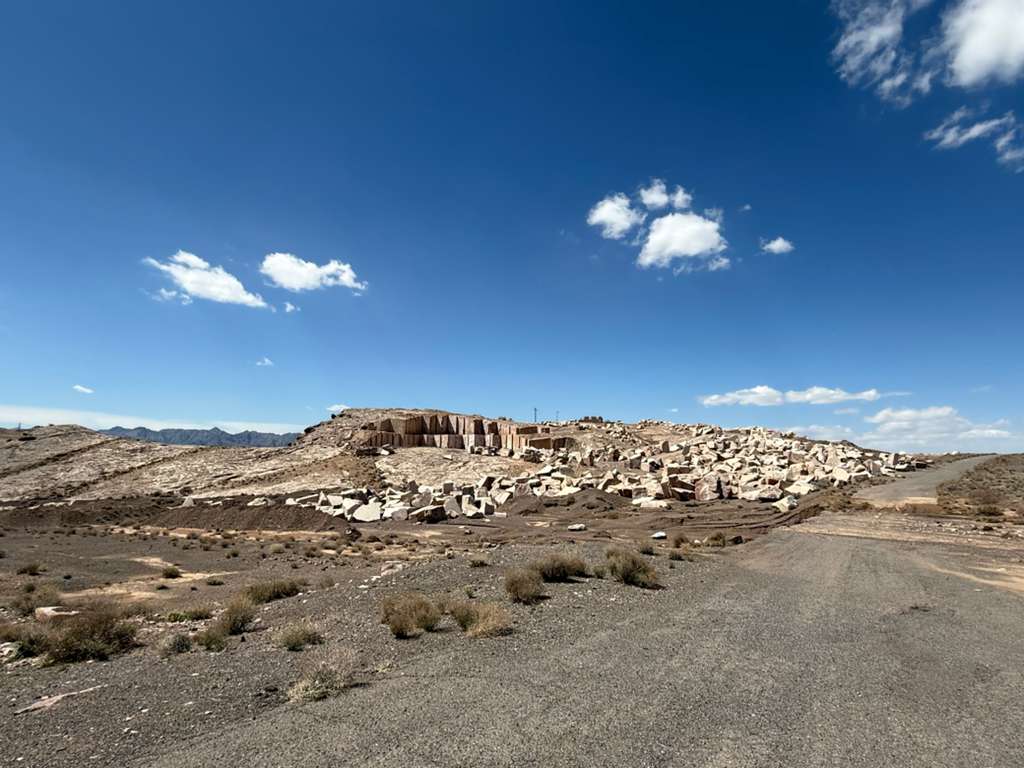
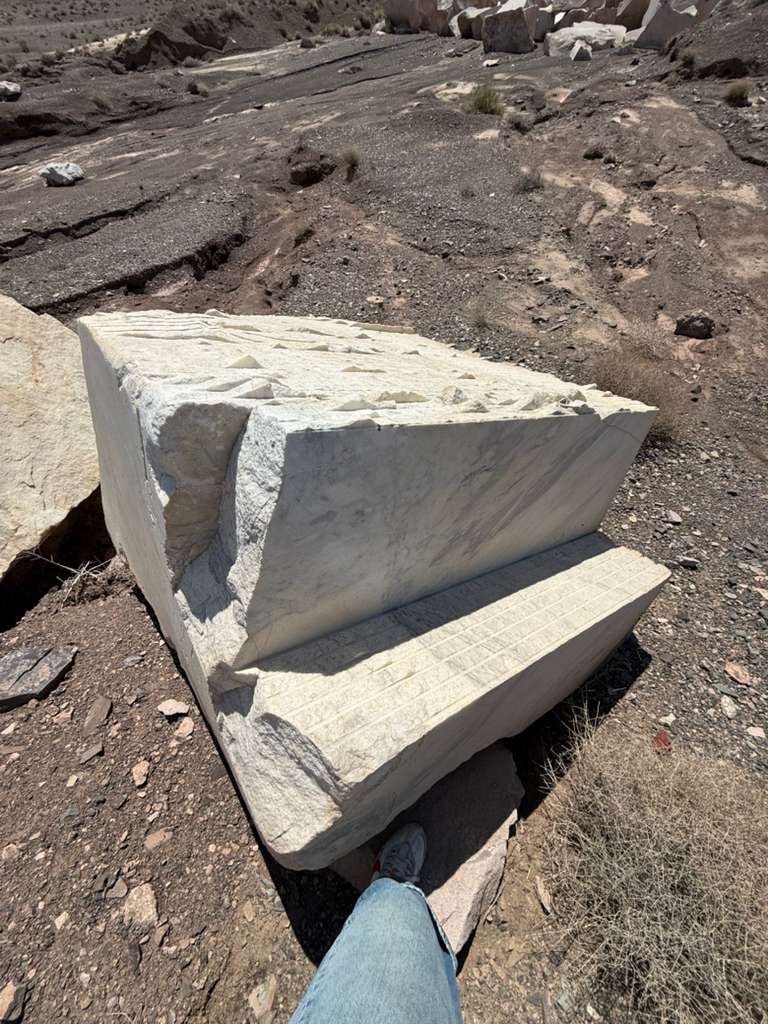
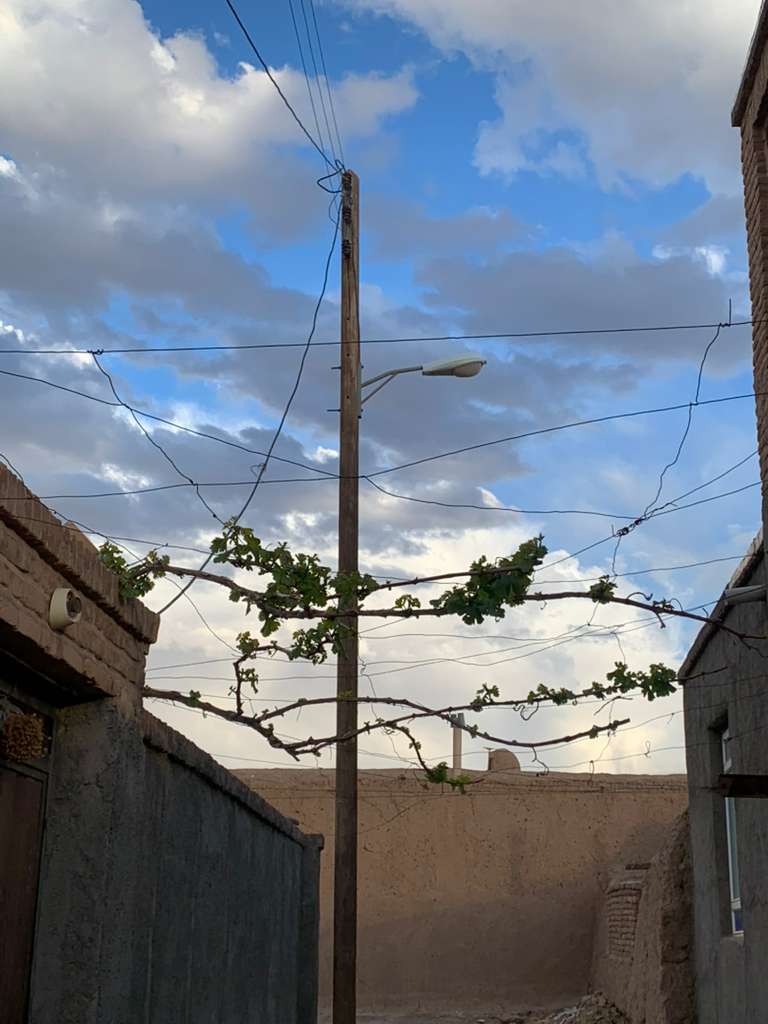
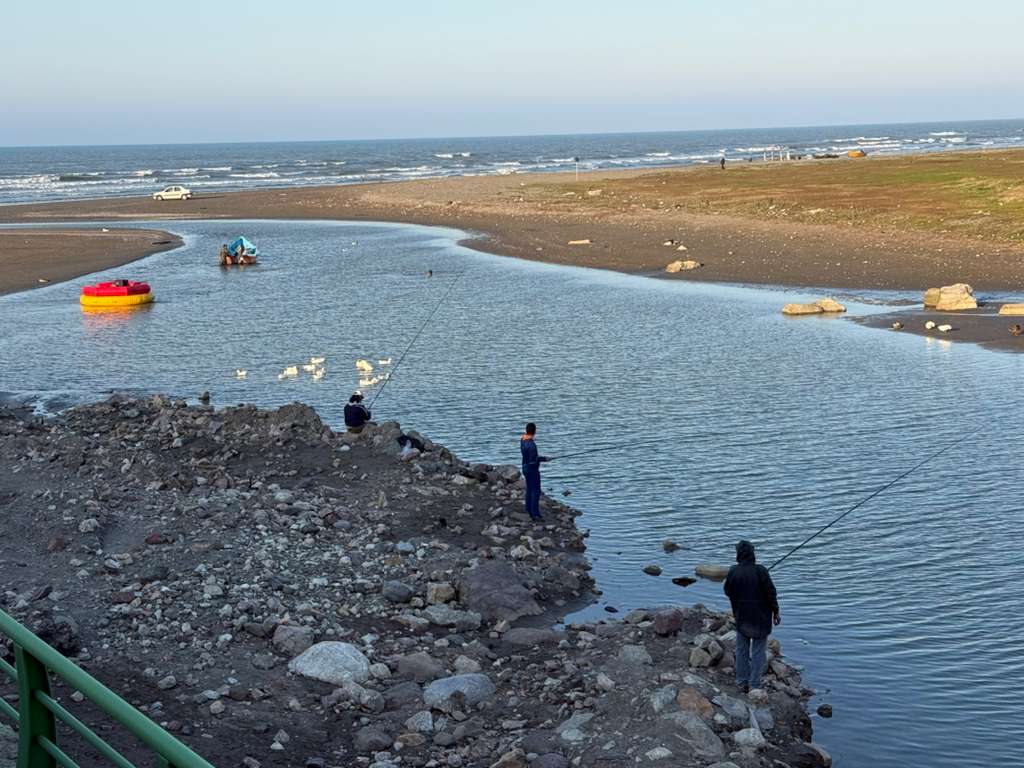
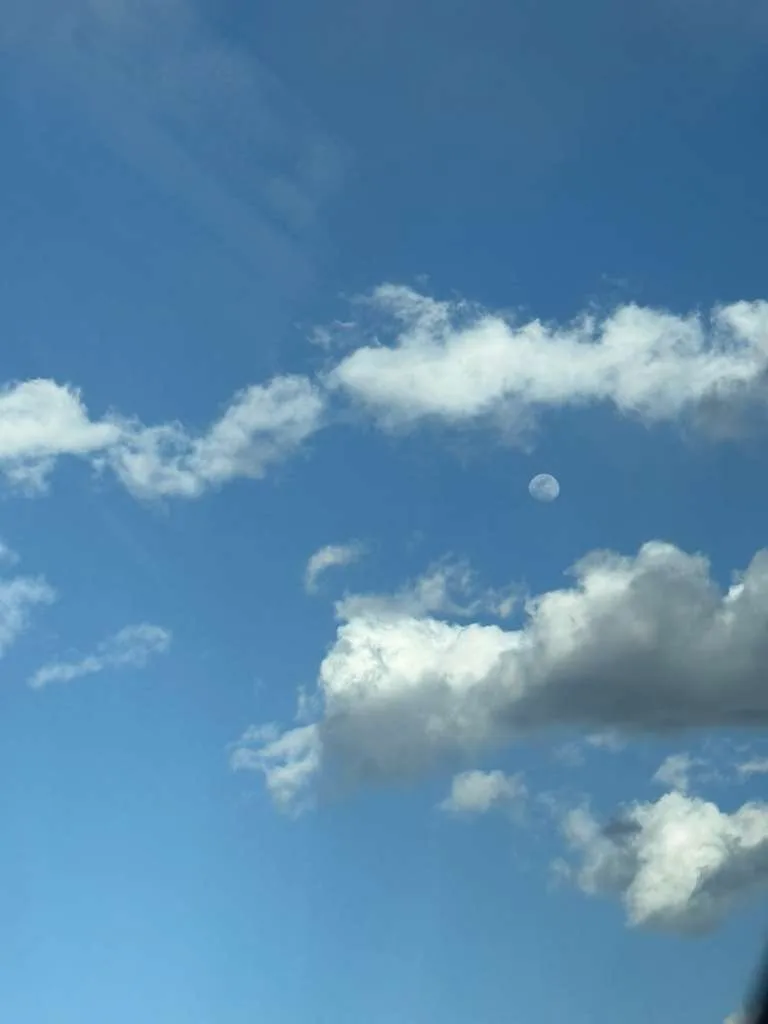
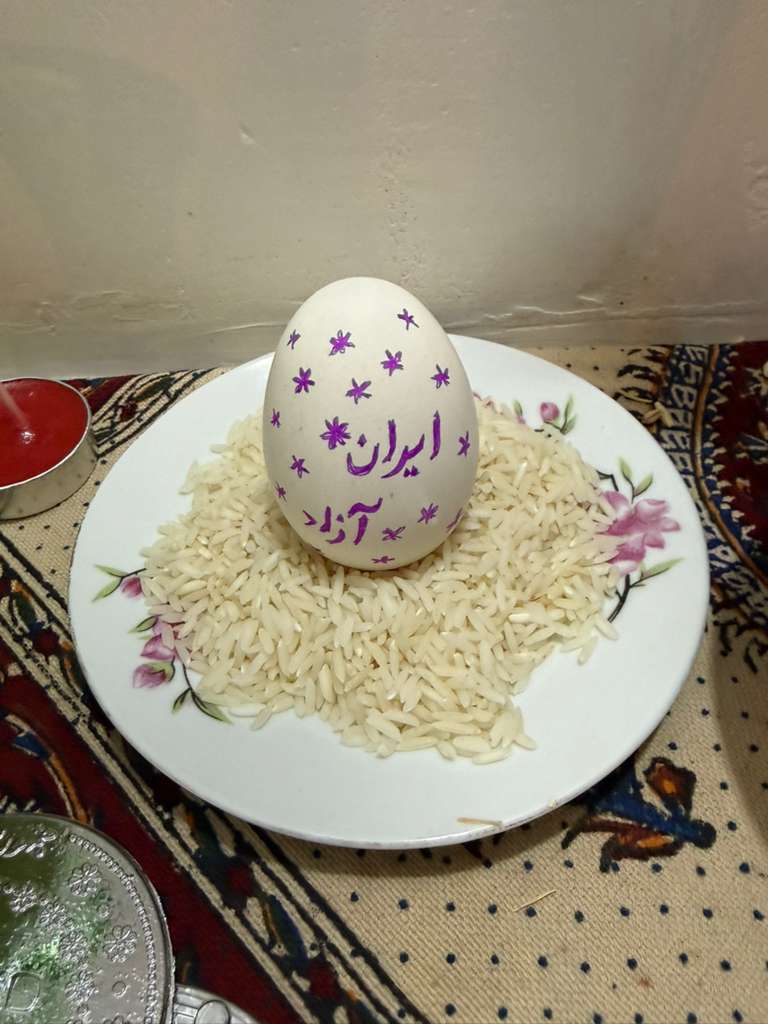
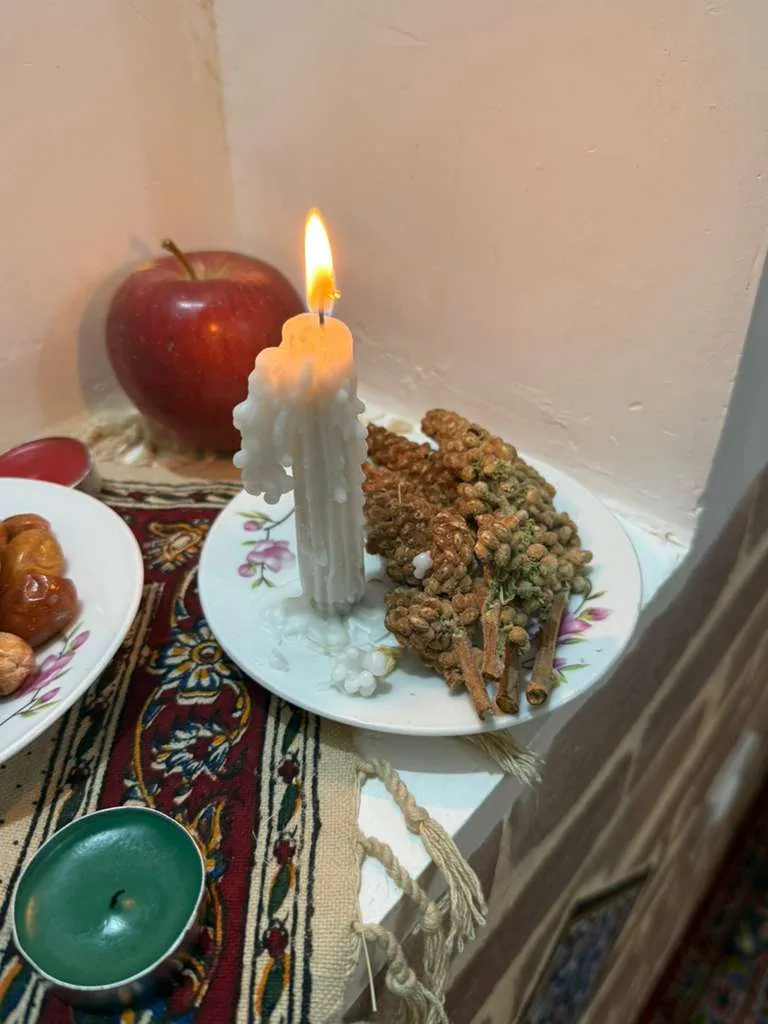
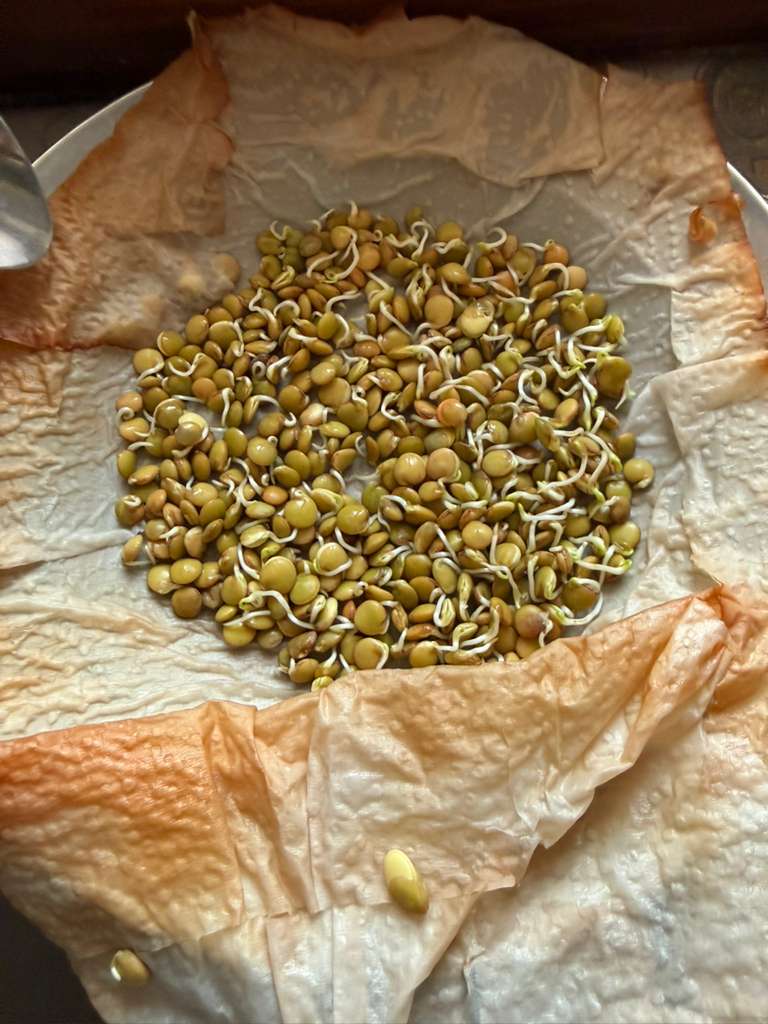
Intertwined images, layered memories, and reminders of being and not being accumulate rather than resolve. They do not belong to a single time but move between what has happened, what is ongoing, and what is anticipated without ever fully arriving. The sites that shape us continue without us, and will continue long after we leave them, not as static backdrops but as active residues that settle into the body: there is no homecoming. Memories linger and shapeshift, seeping into dreams like a scent that cannot be located or removed, quietly reorganising perception in waking life.
[11/03/2026, 10:32:48] Fatemeh Kazemi: Azizam
[11/03/2026, 10:32:55] Fatemeh Kazemi: I finally got internet back
[11/03/2026, 10:32:59] Fatemeh Kazemi: I’m safe
What does it mean when a nation attempts to rescue itself from collapse through continuous war, while its cultural body and intellectual class retreat into isolation and denial, exhausted by the very demand to understand resistance?
[21/03/2026, 10:47:30] Fatemeh Kazemi: Our house in Tehran got damaged
[21/03/2026, 10:47:42] Fatemeh Kazemi: In the air strike
[21/03/2026, 10:47:59] Fatemeh Kazemi: And I am fragmented writing everyday
What circulates instead is not the lived reality of resistance, but its abstraction. Its image travels easily, becoming legible within radical circles in the United States or Europe, yet its material and painful meaning remains distant, almost unintelligible, to a society structured around consumption, accumulation, and the preservation of individual value. In such a context, position becomes everything. The fear of losing that position produces statements instead of commitments, declarations instead of risk.
[21/03/2026, 10:50:23] Fatemeh Kazemi: Booos
[21/03/2026, 10:50:46] Fatemeh Kazemi: The empire should stop everywhere
On the surface, a conflict is presented, framed, made available for an external gaze that engages intermittently, according to its own rhythms of attention and fatigue. But this surface does not exhaust what is taking place. Beneath it, or alongside it, another reality continues to form, one structured through observation, adaptation, and forms of refusal that are not always visible as such. In the aftermath of a post-October 7th reality, a particular kind of distance has settled elsewhere, a privatised disengagement that feels increasingly incompatible with what is lived here.
[30/03/2026, 20:42:09] Yasmina: don’t worry at all
[30/03/2026, 20:42:12] Yasmina: i’m here for you
[30/03/2026, 20:42:32] Yasmina: you’re in my dreams and i saw us together in tehran and i saw the damavand mountains and they were blue
[30/03/2026, 20:42:40] Yasmina: my heart is there
[30/03/2026, 20:43:18] Yasmina: i’m so sorry for what you’re going through and the helplessness i feel is beyond any pain i have ever experienced
[30/03/2026, 20:43:25] Yasmina: love you
Within academia, this hesitation appears as a tendency to wait. To wait for the post moment, for the event to settle into history before it becomes readable, analyzable, and therefore safe. But resistance does not belong to the past tense. It demands a form of presence that exceeds institutional comfort. Courage and endurance are not abstract virtues; they are practised under pressure.
[21/03/2026, 10:50:59] Fatemeh Kazemi: No to diaspora trauma farming
[21/03/2026, 10:51:00] Fatemeh Kazemi: We are living
[21/03/2026, 10:51:07] Fatemeh Kazemi: We are trying
Even the act of saying no to war, to mass death, becomes difficult when neutrality is rewarded, and dissent risks exclusion. What is presented as objectivity often masks a deeper alignment with power.
[21/03/2026, 10:51:18] Fatemeh Kazemi: Farming, forging and love
[21/03/2026, 10:51:20] Fatemeh Kazemi: Love
For those of us from this region, resistance has never been a choice. It is not an identity one adopts, but a condition one inherits. It is imposed, lived, and learned through necessity. To exist outside of Iran, or even to imagine not being Iranian at all, while still carrying the psychological weight of its histories, produces a constant tension. A kind of perpetual displacement, where even the ability to think is measured against proximity to Western systems of validation.
[30/03/2026, 16:35:47] Fatemeh Kazemi: My internet is been awful
[30/03/2026, 16:36:05] Fatemeh Kazemi: I had to pay multiple times to find a way to connect
Resistance, then, is not regional. It is necessary everywhere if there is to be any movement beyond colonial violence. Since October 7, we have heard the phrase: if one person is not free, none of us are free. But this must be extended further. If war has not reached you, it simply has not reached you yet. Its logic is already in circulation, and its consequences will not remain contained.
The images I carry are not distant. They are from the house I lived in until I was twenty-five, in District 12 of Tehran, a dense neighbourhood. To witness the aftermath of multi-stage bombings in the middle of the day, injuring the space of one’s childhood, is to understand that the promise of a future is never neutral. Anyone who believes the future will be granted to them must reconsider what liberation means, and what it demands.
Silence is not passive. Every silence sustains the conditions it claims to stand apart from. For Western institutions, and for the Iranian diaspora, this silence will not result in stability, but in eventual failure and disillusionment.
At its core, the tradition of social sciences has always resisted such instrumentalisation. It is not meant to serve states or authoritarian agendas under the guise of social frameworks. It should remain a space for uncertainty, for dialogue, and for horizontal understanding. A space that refuses closure.
What I have witnessed, however, suggests another form of knowledge. The land itself carries and transforms trauma. It absorbs violence and returns growth. Mountains generate forms of imagination that exceed the epistemologies offered by Western knowledge systems. I encountered this not in just theory, in daily movement across rural landscapes, in agricultural fields, in practices of cultivation.
War reimagines love. It disrupts food, the economy, infiltrating through the basic infrastructures of survival. The restriction of food is itself a weapon. Last year, while doing research on bread and specifically on the tandoors in Gaza, we saw that images of scarcity persisted: the absence of bakeries, mould-covered bread, endless lines for food, and death.
Now, in the midst of an ongoing war, thought turns toward self sufficiency. Toward land, its fragmentation, and its sacred relationship to those who cultivate it.
At the moment of the new year, I was walking through open land when I came across a farmer building a small barrier with his shovel, redirecting water across his field toward the wheat. I greeted him for Nowruz. He did not pause. He continued mixing soil, water, and fertilizer, holding his tool with focus. He was marking time differently. Not through calendars, but through the land itself. Through growth, direction, and wind.
Here, history, seasons, and renewal are not symbolic. They are enacted, across generations, across feeds and timelines. A place does not remain external; it installs itself internally, producing a way of sensing that feels personal but is not entirely ours. This is how this year of war has been and is being navigated, not through control, which was never available, nor through clarity, which keeps dissolving, but through inheritance: a sensory accumulation we did not choose, do not fully understand, and will likely continue to carry.
In Iran, crisis has not arrived as a singular event; it has stretched, thickened, and settled into a condition. It was already present before being named, and will remain long after attention moves elsewhere. War is not always declared; it is absorbed, redistributed through bodies, improvised through reactions, fears, and adjustments that become normalized over time. What we are able to know has always been partial, but now that partiality feels structural, produced through what can be accessed, what is withheld, what circulates, and what is deliberately obscured.
I saw a stork. In these past months, after everything we have been moving through, I saw a hoopoe twice. I am not sure if I would have noticed before, or if I am only noticing now because something has shifted in how I look. In the Conference of the Birds, the hoopoe is a guide; it believes in the path before the others do, but it does not force them. It sustains them through something quieter, something closer to conviction than certainty. One day, I went to the plains and there were swallows, many of them, moving together. Swallows mark departure, but not as loss. As continuation. As something that repeats and will repeat again.
There is no stable way to aestheticize what persists under these conditions, and any attempt to do so risks reproducing the very distance it claims to resist. These fragments do not cohere easily; they resist being organised into narrative, resist becoming legible as a single story. They do not offer themselves as an image. What matters is not how they are represented, but how they are held, how they are carried without being exposed or extracted.
Something like an archive is forming, but not one that can be institutionalised or fully accessed; it remains dispersed, embodied, constituted through minor gestures, through daily negotiations, through forms of life that continue without necessarily naming themselves as resistance. Even the language of subculture begins to fail here, because what is at stake is not simply an alternative formation but a way of enduring that stays close to the wound without resolving it. It requires patience and a different temporality of attention.
A harvest is taking place, but not one that can be immediately shown. A gathering that resists display. The lexicon of agriculture becomes necessary, not metaphorically, structurally: cycles of grain, economies of food, practices of storage and rotation, ways of sustaining life that depend on continuity rather than visibility. Moving between Tehran, Isfahan, Mazandaran, this circulation does not stabilise into belonging but continues as movement. There is the sound of Morgh e Amin, and the instruction that accompanies it, that one must remain silent while it is being heard, as if listening itself requires restraint. I tried, and am still trying, to hold the last image of Tehran, not as documentation but as something more fragile, something I might lose. I asked it, quietly, almost without language, to take care of itself, knowing that this request cannot be answered.
This moment is often described as a turning point, but that language risks flattening what is ongoing. Trauma has already become an economy; it circulates, it is consumed, it is reformatted into something legible. But on the ground, other processes persist, less visible, less narrativised: people forage, adjust, maintain forms of local control over survival that do not align with dominant representations of collapse. We are told that collapse is imminent, that hunger will follow, that systems will fail, and these may yet come to pass, but the present does not fully submit to that anticipation. The cycle continues to turn, unevenly, imperfectly. Bread is baked, shared, and extended beyond necessity. There is a generosity that persists, not as an exception but as practice.
Made in Iran continues in this way, not as a declaration but as an ongoing condition, one that does not require visibility to exist. It is often missed, or misread, from the outside, reshaped into narratives that serve other frameworks, other distances. Even access to information is uneven, stratified; VPNs become necessary, but they are not neutral tools. Access moves through exchange, through networks, through forms of capital, making connection itself into a resource that must be negotiated.
And still, within all of this, there is a continued search for love, not as abstraction but as practice, located in gestures that might otherwise go unnoticed, in brief recognitions, in forms of care that sustain entire infrastructures while remaining largely invisible.