 Posted in
Life & Culture, issue05
Posted in
Life & Culture, issue05
What is…happening? Predictions from our community
Text Sarra Alayyan
Predictions are in, arguably to an excessive degree.
We have long lived in societies of gossip, where speculation and forecasting are ubiquitous to most discussions—and where, if you’re lucky, you can indulge in the thrilling feeling of having an edge. What’s the fun of discussing something, be it at wine nights or in the sprawling abyss of the online, if not to brood over the future and feel, if only for a second, the self-gratification of giving your two cents and betting on it? Believing, maybe for instance, that you could own it?
Today, you kind of can. Over the past year, there’s been a rise in prediction markets, platforms where people can bet against one another on the outcomes of real-world events. Users can log in and make bets on everything from the state of Taylor Swift’s relationship to the likelihood of world leaders facing assassination and who will drop a nuclear weapon first. One polymarket user who goes by Magamyman, for example, has made more than US$500,000 in a single day with a bet on US-Israel strikes against Iran’s supreme leader, placing a key wager of US$32,000 on the morning of 28 February—when odds of a strike that day stood at just 17%. More suspiciously, six other newly created accounts (opened earlier that same month and exclusively betting on Iran) placed winning bets just hours before the first strikes, with one trade placed as little as 71 minutes before news broke publicly. Together, those six accounts won US$1.2 million in total, sparking widespread allegations of insider trading.
Again, predictions are in, and not the good kind. Big data has made it possible to capture the future, predicting human behaviour, and making it both calculable and controllable. As for markets, predictions are their lubricants, helping massage big data’s non-contiguous value into climax. They’re therefore an extension of a gamified stupor over public life. Everything is up for grabs—every catastrophe, world development, and geopolitical quandary is something to bet on. The people and lands on the receiving end of these bets are reduced to data points by insider traders, Silicon Valley hawks, and the majority of the Chadosphere.
Still, predictions among real people, artists, philosophers, mothers, aunties, et al are worth having. For us to act freely, the future must be open, and part of that lies with speculating on its machinations in all its forms, ensuring the permanence of our right to imagine. In that spirit, we reached out to our community with a simple inquiry that gave little direction beyond the prompt itself: share a prediction. Their answers range, as you’d imagine. While some are funny, others are sombre, interspersed with entirely random projections that collectively paint a disjunctive picture of a predicted future that we can hold, if only for an instance.
Abokamar
Filmmaker, cultural chameleon, internet sensation
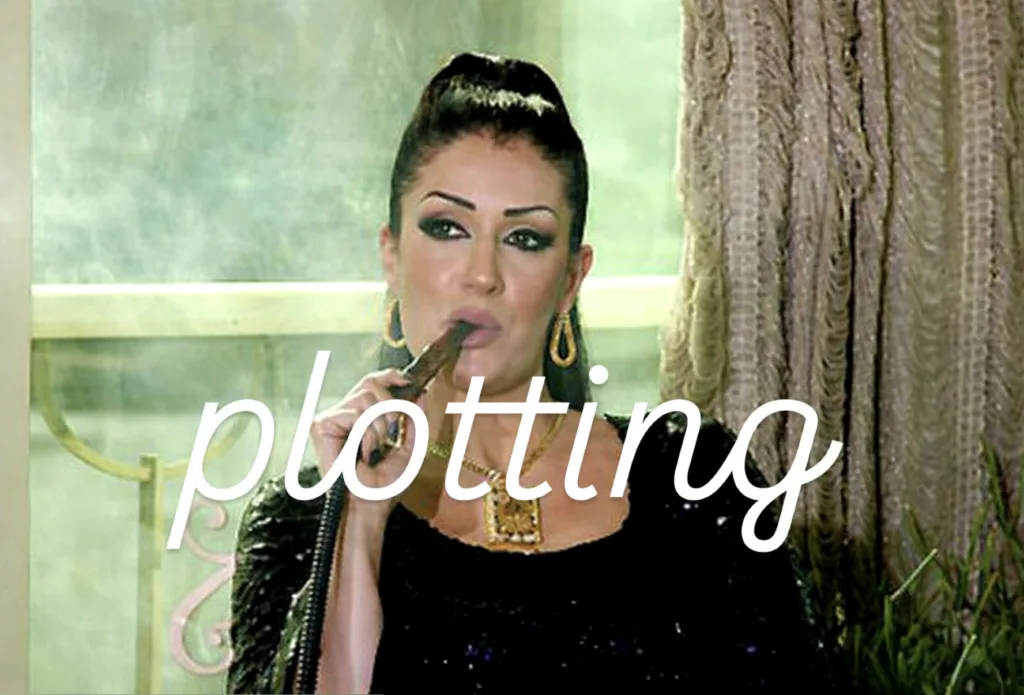
The clean girl is burning out, and she’s taking everyone with her. The slicked-back bun gave her a receding hairline, those 5am Pilates sessions destroyed her spine, and all that therapy just taught her how to articulate why she hates YOU (yes, you) now. She is done. She shows up late to work, she ghosts people mid-sentence, and there’s a cigarette burn on her designer bag. She’s plotting revenge on everyone who told her boundaries were healthy. This is a full lifestyle rebrand—by 2028, “stable” will be the worst thing you can call anyone. Feral will be aspirational. Mess will have a publicist.
Cem A.
Artist known for running @freeze_magazine
This will be the year of the snail. I keep coming back to the same thought: they don’t refresh, pivot, or rebrand. They just move. No announcement, no algorithm, no timeline. We keep confusing acceleration with progress. The snail doesn’t. The ones who travel at their own speed will outlast every trend. It will still be here when the next thing is already over.
Eiido The Label
Clothing brand
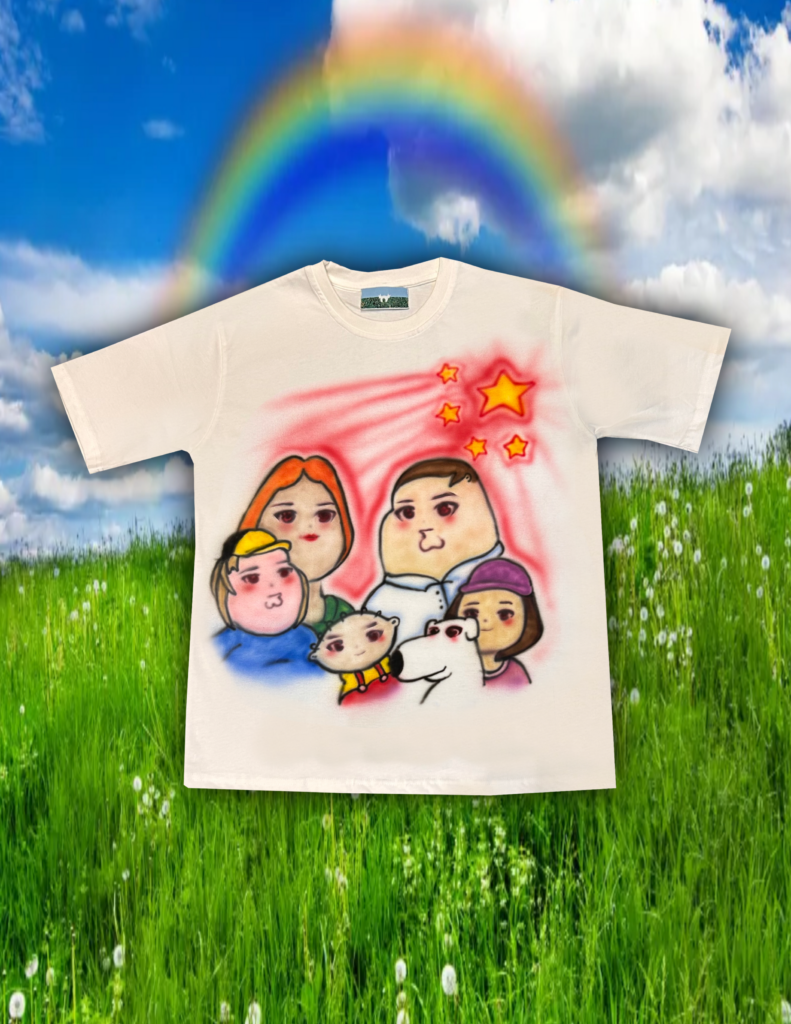
The world yearns for maximalist apparel. We’re rotting our brains on AI slop and algorithms that flatten serious issues into micro trends, so I use my airbrush pen as my only weapon: exaggerated colour, distorted symbols, layered graphics that refuse to be subtle. Art has always been political, and the clearest way to show your stance is by wearing it, endorsing systems unconsciously by way of blue jeans and fast fashion tees. Everything is political. My shirts are political—my fabric, my ink, and my drawings, too. Maximalism, for me, is expansion in a time that asks us to be small and stupid.
Anastasia Vartanian / @fatannawintour
Fashion/culture writer and content creator
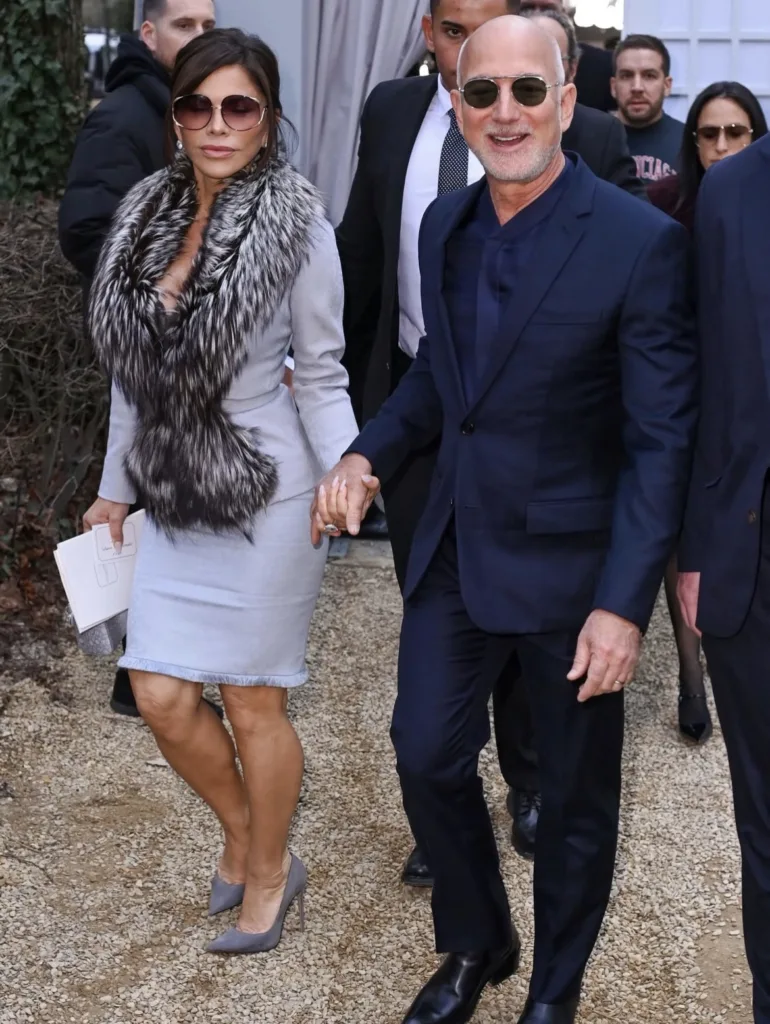
There will always be a place for artists, but celebrities as products will decline. From their cash-grab product lines to their silence (or empty statements) over political issues, people are disillusioned. As for fashion: we’re in a “luxury” fashion end of times.
More people are talking about declining quality, supply chain scandals, and how the ultimate goal of global brands is cash—not creativity. More people will support independent businesses as opposed to huge corporations because we’re realising that billionaires are ruining the world without anyone keeping them in check, and we need to do something about it.
Hala Alyan
Writer, poet, clinical psychologist
We’re going to touch each other more.
Maya B. Kronic
Writer, editor, translator, co-author of Cute Accelerationism
Somadelia
Collective online culture facilitates the flow of deregulated information and techniques for re-rigging the body. Amplifying perversion, defeating embarrassment and shame, engineering new bodies for new desires, beyond the heady psychedelia of ‘expanding the mind’, twenty-first-century somadelia will manifest fields of virtuality locked off by biological default and social domination, dismantling the obstacles of surplus repression that separate a body from what it can sense and do. A bad trip for patriarchs who squander their dying breath on denouncing unnatural degeneracy and delusion, but their extinction coincides with a resurgence of the spectre of a body that could be free.
The text is excerpted from Riting on Hormones (Aksioma, forthcoming).

Mindy Seu
Designer, researcher, technologist
Traditional is the new luxury. In prior generations, farm-grown produce, stay-at-home parenting, and the white picket fence were perceived as a white-collar guarantee. Now, as housing grows contingent on generational wealth and couples opt to be baby-free due to economic stress, domestic stability is becoming the ultimate status symbol. Couples downscale to micro-weddings; antique furniture and vintage clothing are more desirable than the new; and “forever homes” exist mostly in fantasy renders. The nuclear family is increasingly gated, while artists can only cosplay it. In an age of rising income inequality, the most radical flex is permanence itself.
Naley by Nature
Filmmaker, producer, writer
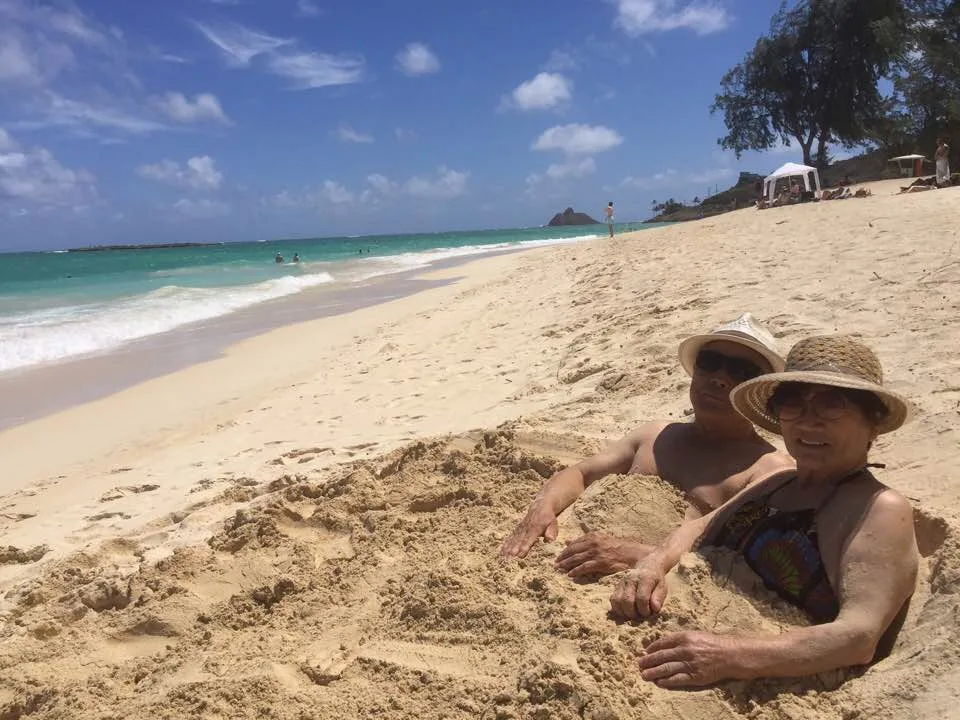
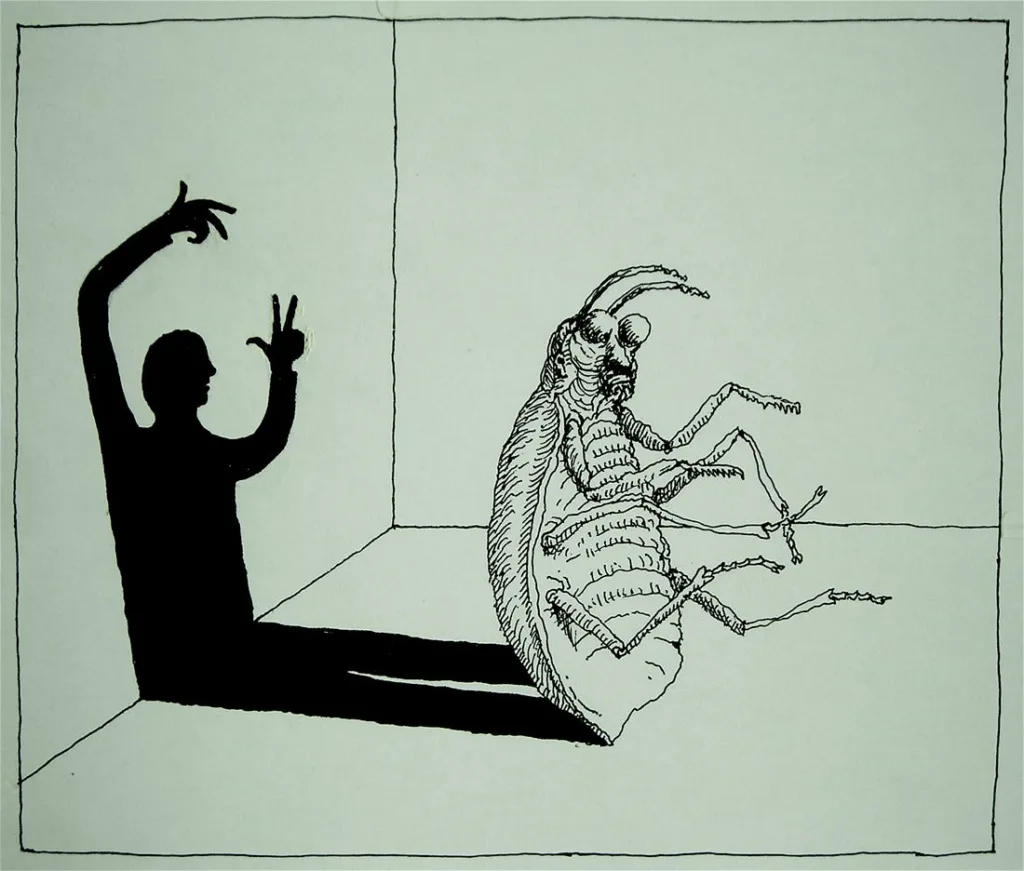
One prediction I have is that we are heading into a period marked by significant violence. For many, violence is deeply unsettling largely because we’ve been conditioned to avoid it and remain in a constant posture of “love and light”. Yet, violence, while often framed solely as harmful, can also be meaningful—much of the collective resistance we see now stems from our refusal to engage with it. The Big Bang was violent. Birth itself is violent. Violence is subjective, and it can be encountered in ways that are conscious, intentional, and even meant to honour rather than destroy. At present, the collective consciousness appears to be undergoing a violent metamorphosis. The path towards minimising harm is not denial but acknowledgment: meeting the violence, understanding it, and ultimately allowing it to move through and pass.
Nouf Alhimiary
Multidisciplinary artist and researcher
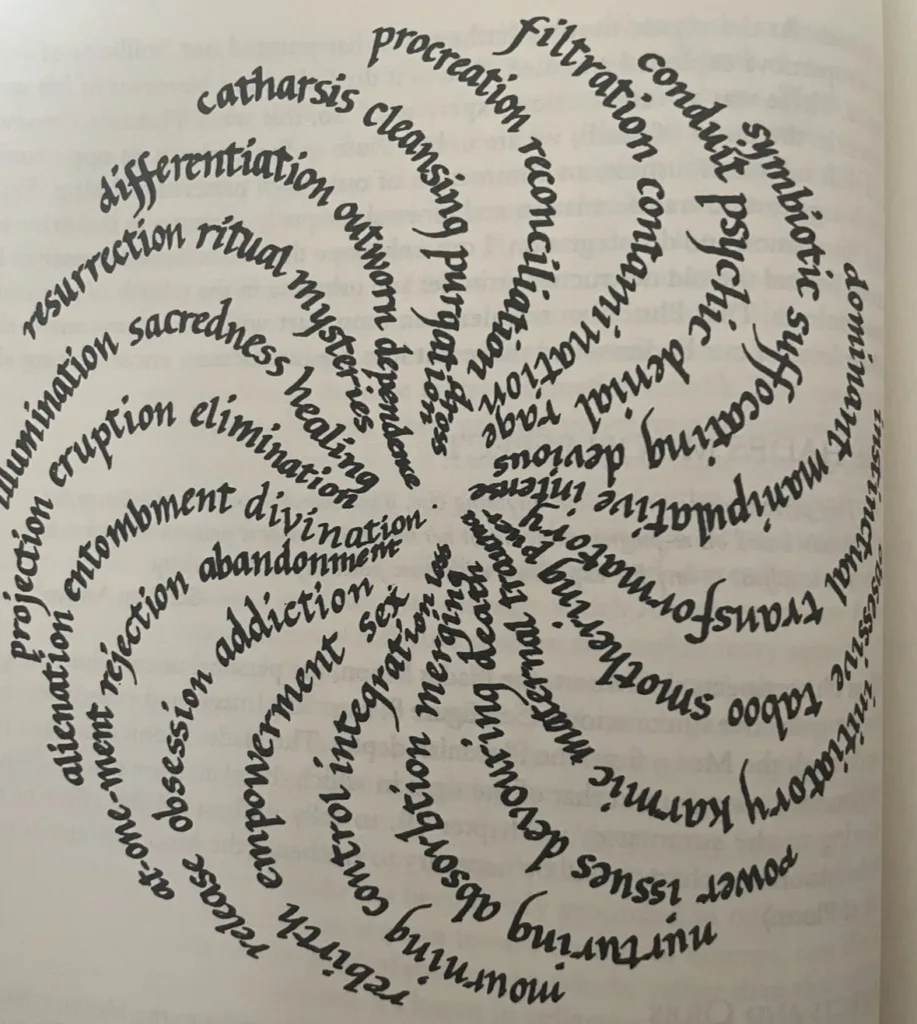
As debates around AI, storage, and digital preservation intensify, I predict a return to fiction. We will privilege myth, allegory, and fabulation over proof, moving them from the margins to the centre. The archive will no longer be held as the source of meaning. Instead, we’ll stage meaning through story. I see a conscious reclamation of fiction, and a willingness to construct shared myths as a way of metabolising uncertainty and recording our ambivalence towards the present. We will stop asking whether something is real and start asking whether it reflects us.
Patia Borja
Activist and admin of @patiasfantasyworld
We are already inside the paralysis. This is the loop – rationing empathy, deferring accountability – yet this is not where hope ends. It is where the real fight begins, invisible and daily. The quiet war of aligning private action with public morals. The revolution will not be commodified; it will be lived in choices that no one applauds. We master justice only by practising its hardest formula: holding ourselves, not just others, to account. The future is built in the space between what we know and what we do.
Ruba Al-Sweel
Writer and artist
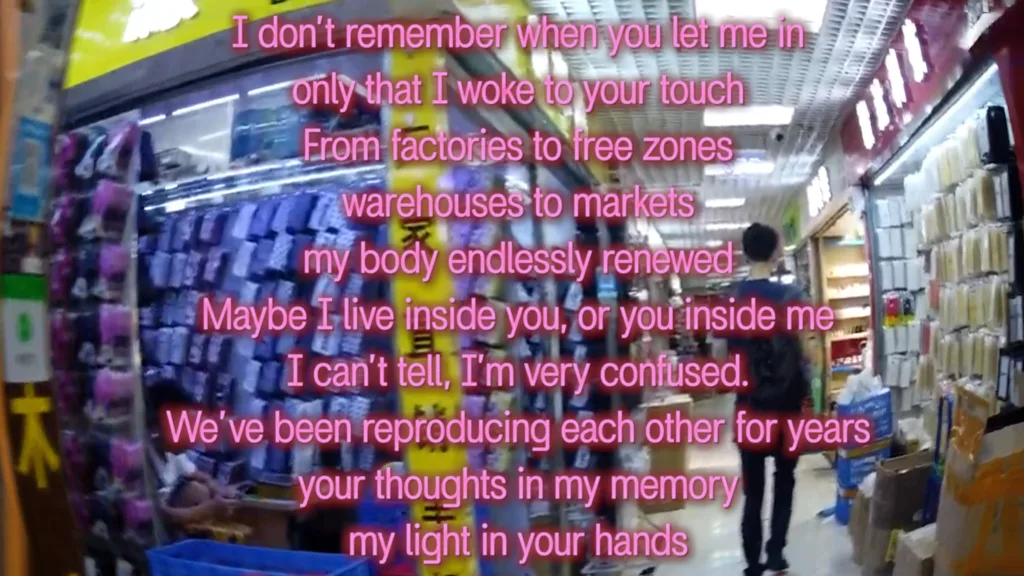
I think we’ll increasingly start noticing how we don’t experience images via vision alone; we sense them as they hijack our nervous systems.This changes everything from art and cinema to industry. I also think we’ll lean deeper into the algorithm as a site of knowing the world, it will define reality for each user. Apocrypha and the comments section are viable epistemic sources. Time and history will continue being defined by short-term and fast-moving events as opposed to enduring structural narratives. Climate change is ambient, and the future will arrive looking like extreme tendencies and symptoms of the present.
Sarah Al-Sarraj
Visual artist and cultural worker
Violent systems will crumble slowly, causing harm as they die. We are witnessing this now. But die they will—this is the fate of a world that does not value life. There will be violence, and we will only be able to rely on what we have built ourselves: structures built on circular economies and expansive mutual aid networks.
Moments will arrive when everything is possible: universal basic income; the abolition of carceral systems and modern slavery; an end to global economic structures that perpetuate asymmetric suffering and wealth; disability justice-led health; survivor- and trans-led understandings of the body; and a recentring of spirit and land. To respond, we will have to change into something new.
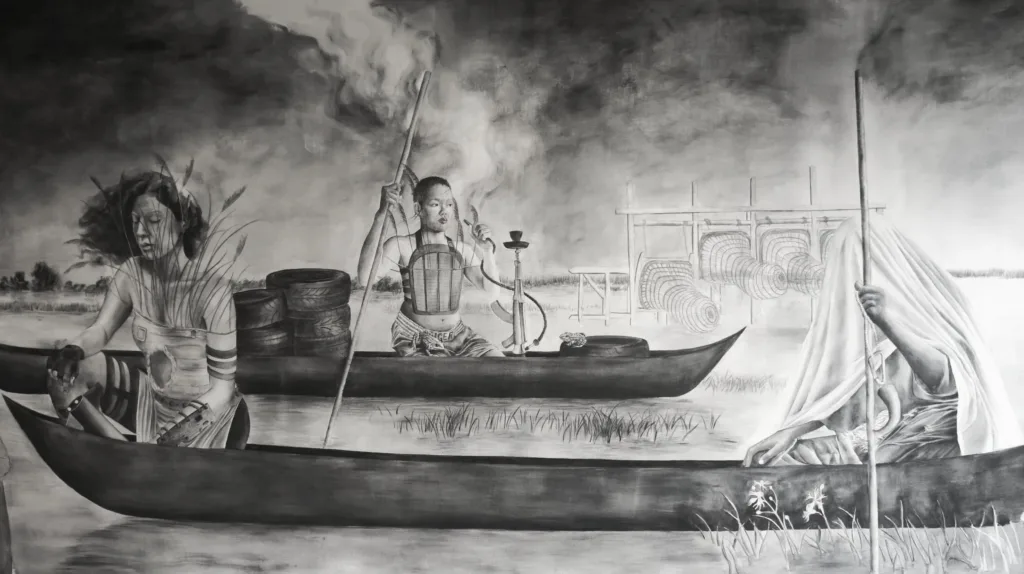
Sarah Alhashimi
Filmmaker
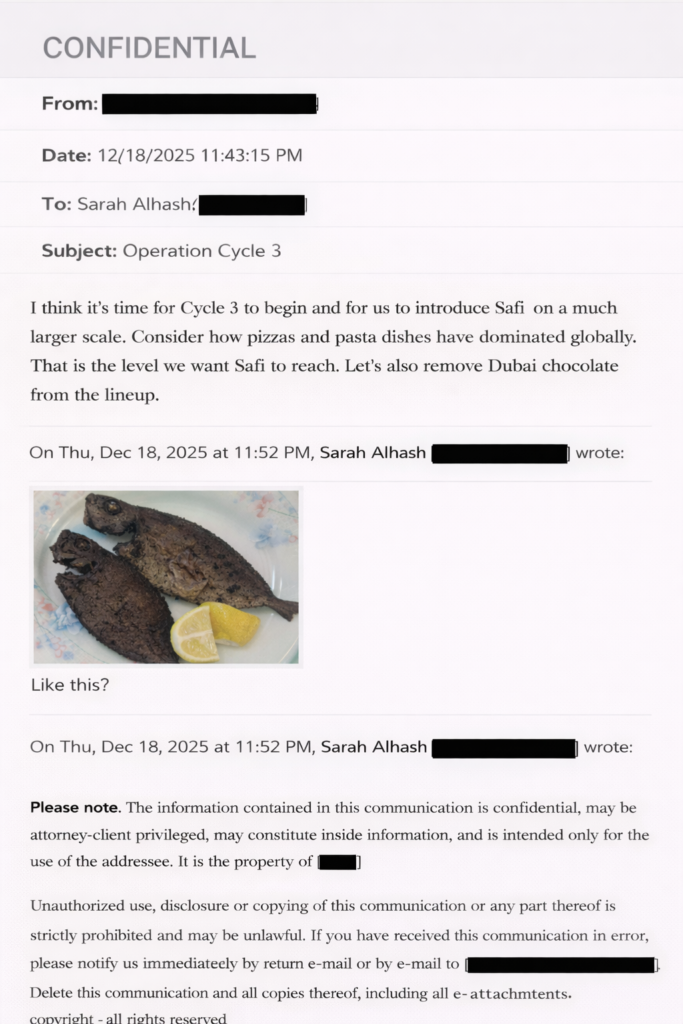
Safi is about to go global, pushing past Dubai chocolate (I still can’t believe that’s what put us on the map), maybe even the pizza worshippers. An underrated, underground, very humble dish is finally getting the space it always deserved, somewhere between the Michelin stars and some surprisingly mundane plates—or plates that honestly did less.
Remember it here. I said it first.
Skye Arundhati Thomas
Writer and editor
Revolution. Rather, what is more honestly meant by that today: the further appropriation of a revolutionary aesthetic. Under late capitalism, what else is there? Dashed hopes turned slick and shiny, mirror-like, into which we may peer and feel satisfied to have found ourselves. My imagination is polluted, literally. All I know to be true right now is smog so thick it coats the tongue, roads burst open, my beloved hometown river stagnant and congealed into pools of waste. And waste hanging from tree branches and waste in the belly of the fish I’ve pried open at lunch. But my doctor tells me I have to regulate my cortisol and so, in the sludge, I look for something slow on which to focus, to repair. Which is all to say: amidst despair, the future will hold bliss only if we say it will. It will be tiny, a sliver, but it will be ripe.

Sonia
Singer and content creator
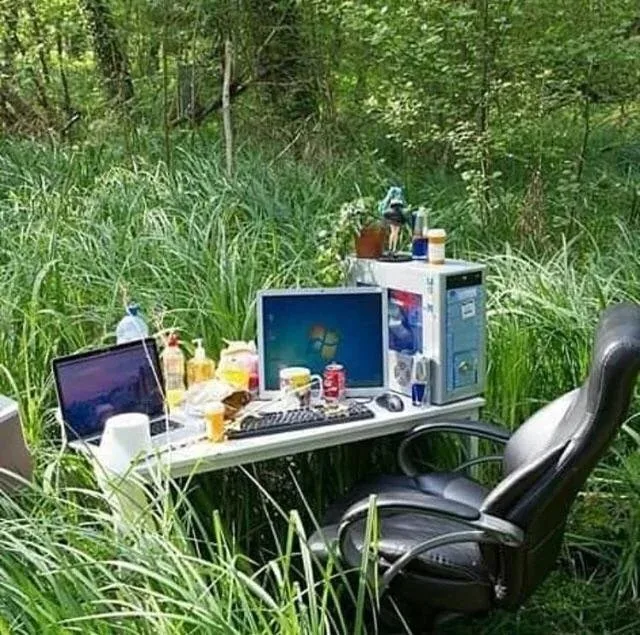
In 2026, people are going to be outside again. We won’t be on our phones as much, and we’re going to touch grass like it’s 2016. Being offline will be cool. Hanging out in real life will matter more than posting about it. The future is less screen time, more sun, and more moments that don’t need to be shared.
Sophia Khalifeh
Photographer and creative consultant
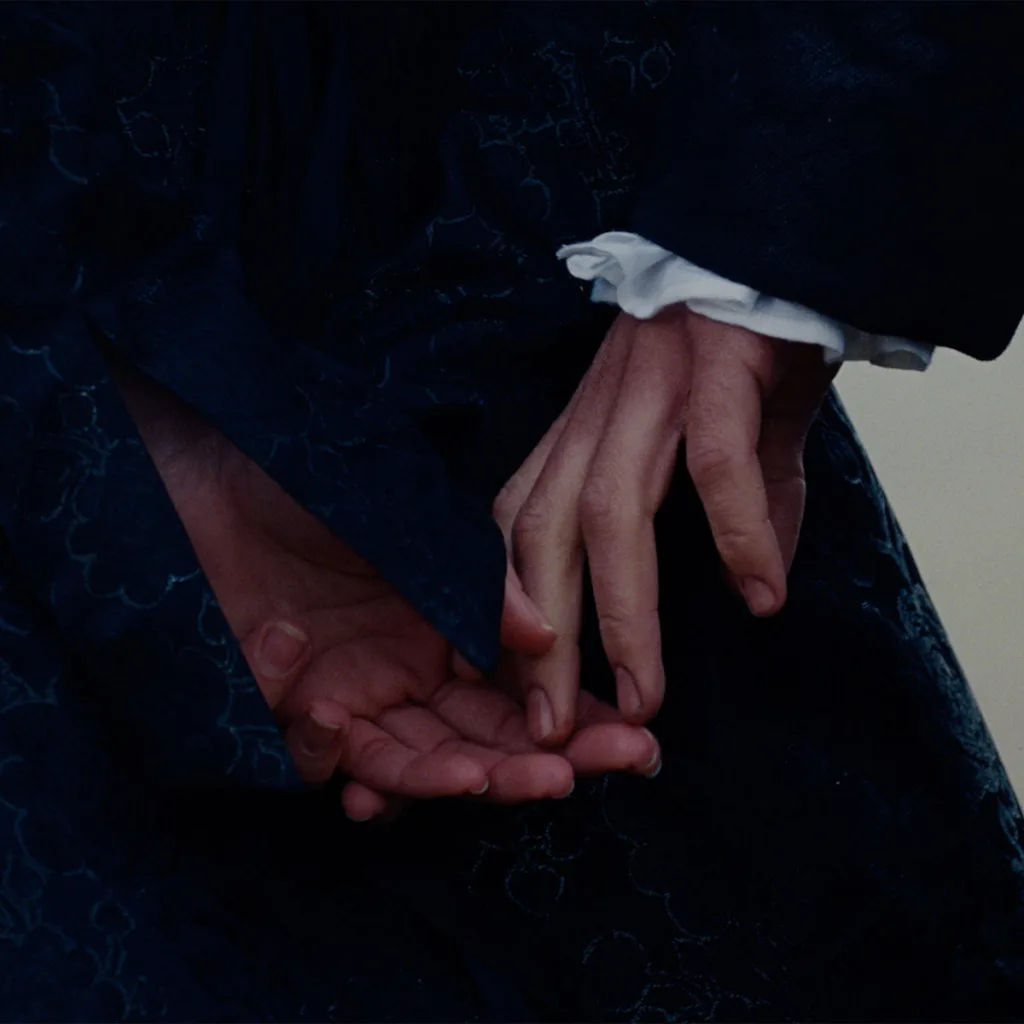
The days of caring about what straight men want to watch are over. I’m predicting the rise and resurrection of the romance genre as a serious and profitable force, led by a wave of ‘fresh faces’ to push the girls-and-gays revolution. From the buzz around Heated Rivalry’s leading men to the financial and pop culture success of the new Wuthering Heights (even unexpected casting like Paul Anthony Kelly as JFK) signals love is in the air and audiences are fully invested. I expect a surge of romance adaptations following the past few months of success. As voices like Sally Rooney and Celine Song have argued, it’s time to stop dismissing romantic and even smutty media as frivolous! It’s universal, and 2026 is about to embrace it unashamedly.
Talal Al Najjar
Artist
I’m not really a doomer, but I’m biased toward the absurd and the quiet violence embedded in global visual culture. Burned into my brain is Idiocracy (2006) not as satire but as prophecy-by-exaggeration, a future where authority is surrendered to branding, language collapses into slogans, and sprinkler water is Gatorade. In this imagined future, meaning erodes while objects endure. I like to joke that if aliens encounter a post-human Earth, they’ll find logos, interfaces, and relics instead of ideology. A DVD of Idiocracy might be misread as scripture. I speculate futures where our cultural debris is mythologised, and irony is mistaken for instruction.
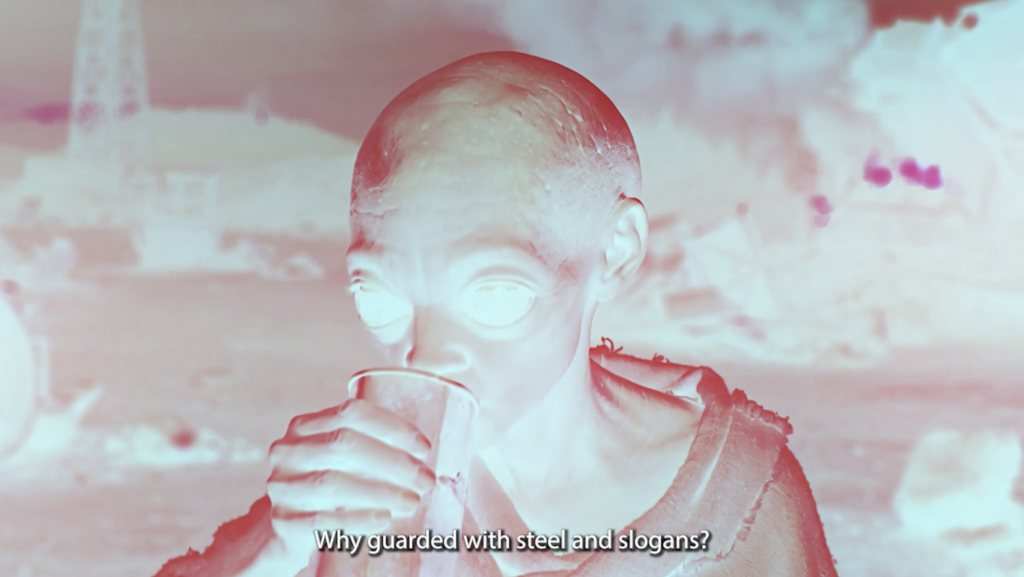
Y7 (Hannah Cobb and Declan Colquitt)
A duo of post-disciplinary artist-writers
Crustacean iconography is in. Mark our words. Shrimp Jesus was a prophetic message: the first crystallisation of Autoculture, automatic culture emerging from protocols of no known author. He was birthed from a quaint synthesis of creator programmes and gamified engagement metrics, exploiting humanity’s religiosity and unrelenting hunger for seafood.
And now Moltbook, a post-human, agentic social network. Pure simulacra. Pure skeuomorphogenesis. But the same Reddit soyface syntax—that will never change.
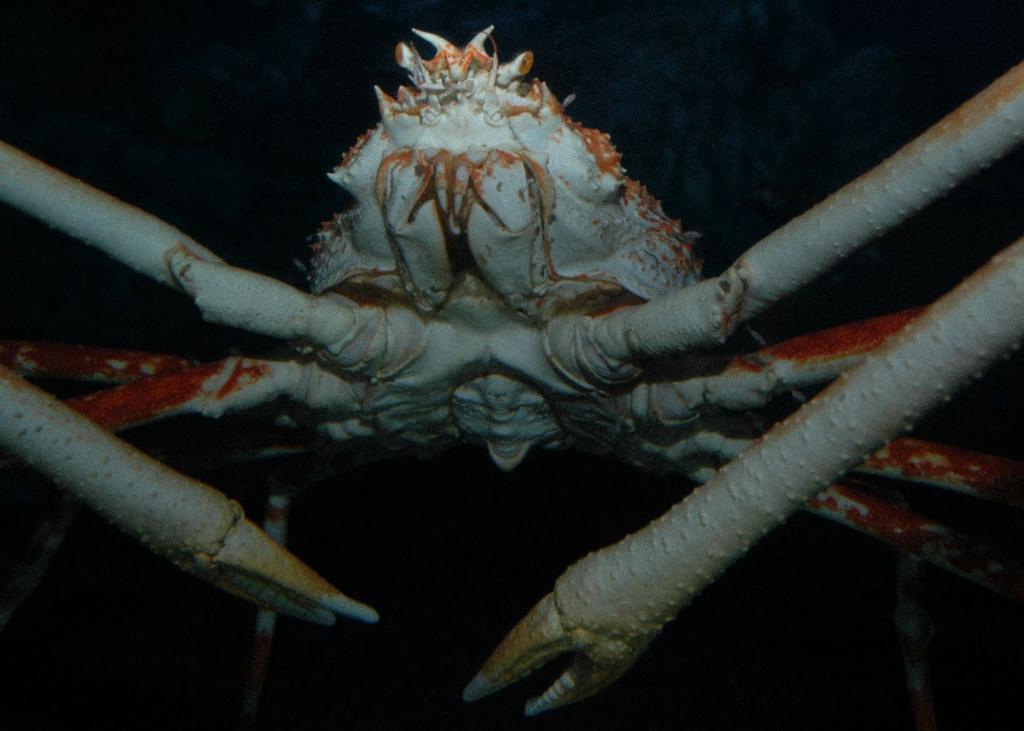
It is no coincidence that Moltbook takes the lobster as its mascot. We just can’t tell you why yet. What deep-sea critters and Autoculture mean to each other remains to be seen. But this we do know: 2026 is the year of the Autoculturic Japanese Spider Crab, the largest and final crustacean.